
What Is Used for Soldering? Beyond the Iron and the Wire
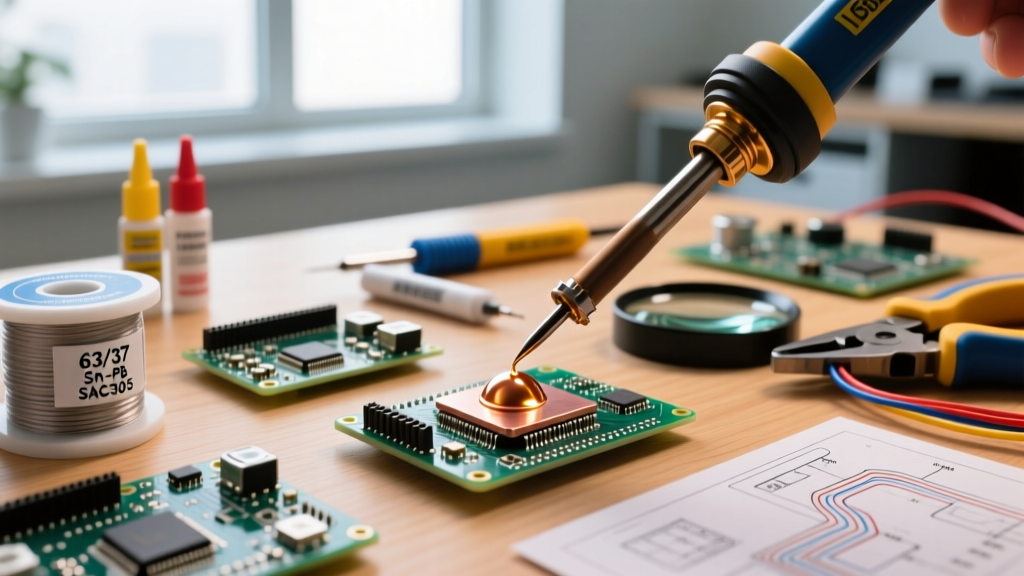
When hobbyists and junior engineers ask what is used for soldering, the conversation typically begins and ends with a temperature-controlled iron and a spool of 63/37 tin-lead wire. However, from a metallurgical and manufacturing perspective, soldering is a complex chemical and thermal process. It relies on the precise interaction between a filler metal, a chemical flux, and the base substrate to create a reliable intermetallic bond.
As we navigate the electronics manufacturing landscape in 2026, the shift toward lead-free compliance (RoHS), miniaturized SMT components, and diverse substrate materials means that a one-size-fits-all approach is a recipe for catastrophic field failures. Understanding exactly what is used for soldering specific base metals requires a deep dive into material compatibility, oxide reduction, and thermal profiling.
The Core Filler Alloys: Matching the Metal to the Mission
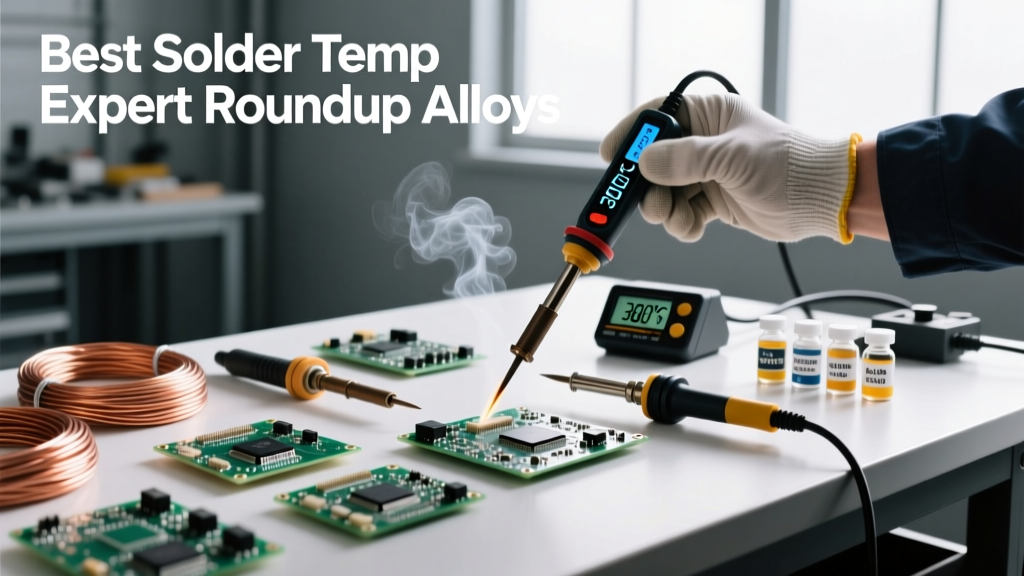
The filler alloy is the metallic 'glue' of the joint. Selecting the right alloy depends on the base metal's thermal tolerance, the operating environment of the final product, and regulatory requirements. According to guidelines published by the Association Connecting Electronics Industries (IPC), alloy selection must account for both the solidus and liquidus temperatures to prevent component damage.
- Sn63/Pb37 (Eutectic): Melts at exactly 183°C. Remains the gold standard for aerospace, military, and high-reliability prototyping due to its predictable phase transition and excellent wetting on copper and gold.
- SAC305 (Sn96.5/Ag3.0/Cu0.5): The industry-standard lead-free alloy. Melts between 217°C–220°C. Requires higher iron tip temperatures (typically 350°C–380°C) and more aggressive flux activators to overcome rapid oxidation.
- Sn42/Bi58: A low-temperature eutectic alloy melting at 138°C. Used extensively for step-soldering or attaching heat-sensitive components, though it is inherently brittle and incompatible with lead-bearing finishes (which form a low-melting ternary eutectic).
- Indalloy 158 (Bi/Sn/Ag): A specialized alloy from Indium Corporation designed for difficult-to-solder surfaces, offering superior fatigue resistance and lower processing temperatures.
Material Compatibility Matrix: Base Metals vs. Filler Alloys
The most critical factor in determining what is used for soldering a specific joint is the base metal's surface oxide layer. Below is a practical compatibility matrix for common substrates encountered in electrical and mechanical fabrication.
| Base Material | Oxide Challenge | Recommended Filler Alloy | Required Flux Chemistry | Typical Iron Temp |
|---|---|---|---|---|
| Copper (Bare/OSP) | Cu2O (Mild, easily reduced) | SAC305 or Sn63/Pb37 | Rosin (R) or Mildly Activated (RMA) | 320°C - 350°C |
| Brass (Cu/Zn) | ZnO (Tenacious, volatilizes) | Sn60/Pb40 or Sn96.5/Ag3.5 | Activated Rosin (RA) or Water-Soluble | 350°C - 380°C |
| Nickel / Kovar | NiO (Very stable, poor wetting) | Sn62/Pb36/Ag2 (Indalloy 182) | Highly Activated (HA) or Acid | 380°C+ |
| Stainless Steel (304/316) | Cr2O3 (Extremely inert) | Sn96.5/Ag3.5 or Indalloy 158 | Organic Acid (OA) / Inorganic Acid | 400°C+ |
| Aluminum (Alloys) | Al2O3 (Reforms in milliseconds) | Zn-based or Sn-Zn alloys | Specialized Fluoroborate / Ultrasonic | N/A (Ultrasonic or Torch) |
Tackling the 'Impossible' Metals: Stainless Steel and Aluminum
Standard electronics soldering setups will fail completely on stainless steel and aluminum. The chromium oxide layer on stainless steel and the aluminum oxide layer on Al are virtually impervious to standard rosin-based fluxes.
Expert Insight: If you must solder a stainless steel ground strap or an aluminum heat sink using a standard iron, you must use an inorganic acid flux (like zinc chloride). However, these fluxes are highly corrosive. The assembly must be scrubbed with a 5% baking soda solution and rinsed with DI water immediately after soldering to prevent long-term galvanic corrosion and dendrite growth.
For aluminum, traditional chemical fluxes are rarely sufficient for structural or high-current electrical joints. Modern fabrication relies on ultrasonic soldering. Ultrasonic irons (costing between $800 and $1,500 in 2026) use high-frequency acoustic cavitation to physically shatter the Al2O3 oxide layer beneath the molten solder pool, allowing the filler metal to wet the bare aluminum before the oxide can reform.
Flux Chemistry: The Unsung Hero of Compatibility
When diagnosing a poor solder joint, engineers often blame the alloy or the iron, but 90% of wetting failures stem from incorrect flux selection. Flux does not clean dirt or oil; it chemically reduces metal oxides at elevated temperatures. Here is the hierarchy of flux activity:
- Pure Rosin (R): Non-corrosive, low activity. Used only on pristine, highly solderable surfaces like fresh OSP copper or gold flash.
- Mildly Activated Rosin (RMA): Contains mild organic acids (like adipic or glutaric acid). The standard for most commercial electronics (e.g., Kester 245).
- Activated Rosin (RA): Contains halide activators (chlorides/bromides). Excellent wetting on slightly oxidized brass or nickel, but leaves corrosive residues that require cleaning or are restricted in high-impedance circuits.
- Water-Soluble (OA): Highly active organic acids. Mandatory for heavy-duty mechanical soldering, but mandates an immediate aqueous wash cycle post-soldering.
Pricing Note: A high-quality RMA flux pen (like MG Chemicals 8341) costs around $12–$15, while a 1lb jar of premium water-soluble paste (like Kester 952s) runs approximately $45–$60.
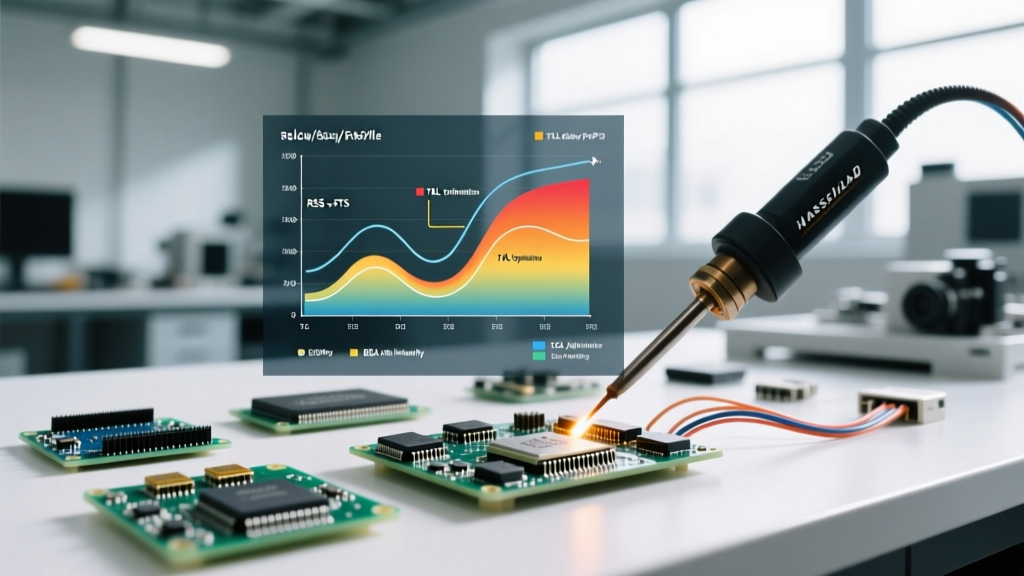
Thermal Profiling and Intermetallic Compound (IMC) Management
According to the stringent NASA Workmanship Standards for soldered interconnections, a successful joint is defined by the formation of a controlled Intermetallic Compound (IMC) layer. Soldering is not merely 'gluing'; it is a localized alloying process.
When tin-based solder meets copper, it forms the eta phase (Cu6Sn5) and the epsilon phase (Cu3Sn). The Failure Mode: If the soldering iron dwell time exceeds 3 to 4 seconds, or if the temperature is excessively high, the IMC layer grows too thick. A thick IMC layer is highly brittle and prone to micro-cracking under thermal cycling or mechanical shock. Conversely, a 'cold joint' with insufficient thermal energy fails to form the IMC layer entirely, resulting in a high-resistance, mechanical-only connection that will inevitably fail.
Actionable Rule: For standard through-hole and SMT pad connections using SAC305, target a tip temperature of 350°C and limit iron-to-pad contact time to a maximum of 2.5 seconds. If the joint does not wet within that window, the pad is oxidized, the thermal mass is too high for your iron's wattage, or the flux is exhausted. Do not simply hold the iron on the pad longer.
Frequently Asked Questions (FAQ)
Can I use plumbing solder for electronics?
Absolutely not. Plumbing solder (often 95/5 Sn/Sb or 50/50 Sn/Pb) utilizes highly corrosive acid-core fluxes designed to eat through heavy pipe oxidation. If used on a PCB, the acid residue will rapidly corrode the copper traces, cause short circuits via electromigration, and destroy sensitive ICs. Furthermore, plumbing solder often contains antimony, which can embrittle fine electronics joints.
What is used for soldering gold-plated contacts?
Gold dissolves rapidly into tin-based solders, forming brittle gold-tin intermetallics (AuSn4) that weaken the joint. For high-reliability gold contacts, use a tin-indium alloy or a specialized high-silver alloy, and employ a 'solder wick' (desoldering braid) to remove the initial gold-tin contaminated solder before applying the final structural solder joint.
Why does my solder ball up and refuse to stick to the pad?
This phenomenon, known as 'de-wetting' or 'non-wetting,' occurs when the surface energy of the base metal is lower than the surface tension of the molten solder. This is almost always caused by an unbroken oxide layer or organic contamination (like fingerprints or silicone residue). Clean the pad with 99% isopropyl alcohol, apply fresh RA or water-soluble flux, and reattempt with a clean, tinned iron tip.