
The True Cost of Wave Soldering Machines in 2026
While selective soldering and robotic systems have captured headlines in low-to-medium volume electronics manufacturing, wave soldering machines remain the undisputed champions of high-volume through-hole technology (THT) processing. However, purchasing a wave soldering system is not merely a capital equipment transaction; it is a long-term operational commitment. In 2026, with fluctuating tin and silver commodity markets and stringent environmental regulations regarding flux VOCs, understanding the Total Cost of Ownership (TCO) is critical.
This cost analysis breaks down the exact CapEx and OpEx of modern wave soldering machines, providing a data-driven framework to evaluate air versus nitrogen (N2) inerted systems.
Capital Expenditure (CapEx): Machine Tiers and Pricing
The initial purchase price of a wave soldering machine varies wildly based on pot capacity, fluxing technology, and inerting capabilities. Based on 2026 market pricing from leading OEMs like ERSA, SEHO, and Pillarhouse, here is the CapEx landscape:
- Entry-Level / Air Systems ($45,000 - $70,000): Machines like the basic SEHO PowerWave or generic Asian-import models. Typically feature a 300kg to 400kg solder pot, basic foam or spray fluxing, and standard air soldering. Best for simple consumer electronics with low reliability requirements.
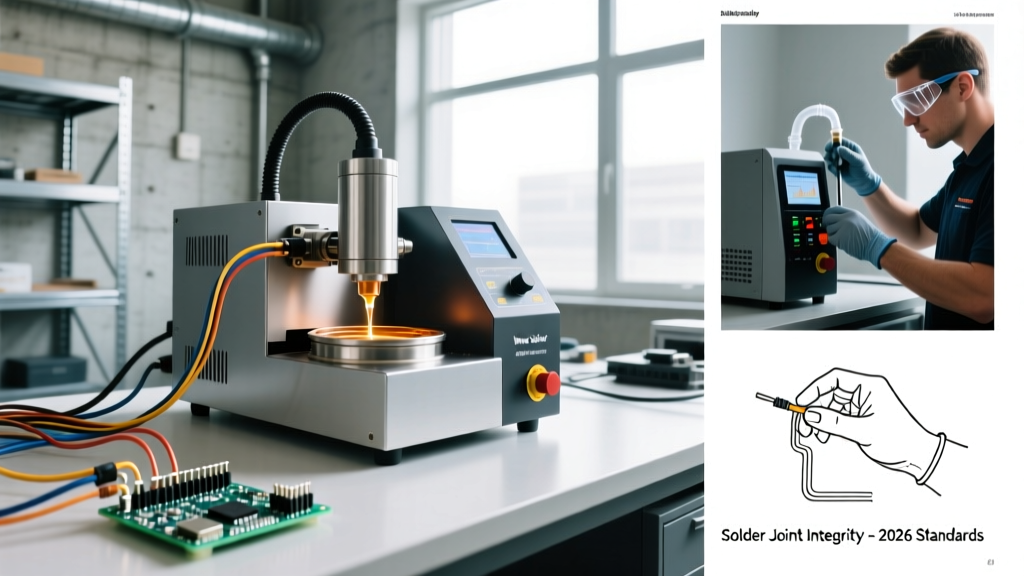
- Mid-Range Nitrogen Systems ($85,000 - $120,000): The industry workhorses. Models such as the ERSA POWERFLOW e N2 or SEHO PowerWave N2. These feature 500kg+ pots, integrated N2 tunnel inerting (reducing oxygen levels to <500 ppm), and advanced micro-spray fluxers with optical board sensors.
- High-End / Custom Palletized Systems ($130,000 - $180,000+): Fully automated lines with pallet return systems, dual-wave (chip and lambda) optimization for heavy copper planes, and closed-loop thermal profiling. Required for automotive (IPC Class 3) and aerospace PCBAs.
Operational Expenditure (OpEx): The Hidden Margin Killers
The true financial impact of wave soldering machines is realized on the factory floor. OpEx is dominated by four factors: solder alloy consumption, dross generation, energy usage, and maintenance.
1. Solder Dross and Alloy Consumption
Solder dross (oxidized metal skimmed from the pot surface) is the single largest consumable cost in wave soldering. When molten SAC305 (Sn96.5/Ag3.0/Cu0.5) is exposed to atmospheric oxygen and the turbulent agitation of the pump, it rapidly oxidizes.
In a standard 500kg air wave machine running two 8-hour shifts, a facility will generate approximately 15 to 22 kg of dross per week. At 2026 SAC305 pricing (roughly $55 per kg), and accounting for dross reclamation credits (typically 40-50% return value), the net loss to dross alone exceeds $22,000 annually.
2. The Nitrogen (N2) Inerting ROI
Injecting nitrogen into the solder pot tunnel displaces oxygen, reducing dross generation by up to 90%. However, N2 is not free. Facilities must choose between liquid nitrogen dewars or on-site N2 generators.
Expert Insight: In 2026, relying on liquid N2 deliveries is a logistical and financial liability for high-utilization lines. An on-site N2 generator (CapEx: $18,000 - $25,000) pays for itself in under 14 months by eliminating dewar rental, delivery fees, and boil-off losses, dropping N2 operational costs to roughly $1.50 per hour in electricity.
3. Energy Consumption and Thermal Management
Heating 500kg of lead-free solder to 265°C requires massive thermal energy. A modern wave machine draws between 15 kW and 20 kW during the initial heat-up phase (which takes 3 to 4 hours), and settles at 6 kW to 9 kW during steady-state operation. According to manufacturing energy guidelines tracked by organizations like the Surface Mount Technology Association (SMTA), implementing automated standby modes and thermal blankets can reduce idle energy waste by up to 35%.
5-Year Total Cost of Ownership (TCO) Matrix
The following table compares the 5-year TCO of a Mid-Range Air System versus a Mid-Range N2-Inerted System, assuming a 2-shift operation, 250 working days per year, and SAC305 alloy.
| Cost Category | Air Wave System (500kg) | N2-Inerted System (500kg) |
|---|---|---|
| Initial Machine CapEx | $65,000 | $105,000 |
| N2 Generator CapEx | $0 | $22,000 |
| 5-Year Solder Alloy (Net of Dross) | $115,000 | $42,000 |
| 5-Year N2 / Compressed Air Costs | $12,000 | $18,000 |
| 5-Year Energy Consumption | $28,000 | $31,000 |
| Maintenance & Nozzle Replacement | $18,000 | $14,000 |
| Total 5-Year TCO | $238,000 | $232,000 |
Key Takeaway: The N2 system achieves TCO parity by Year 3, and yields superior IPC-A-610 Class 3 joint reliability with significantly less post-solder cleaning.
Wave Soldering vs. Selective Soldering: The Volume Threshold
Many engineers ask if they should abandon wave soldering entirely for selective soldering machines. From a pure cost perspective, the decision hinges on board density and daily volume.
- Wave Soldering Wins: High-volume boards (1,000+ per day) with a high density of THT components. The per-board cost drops to fractions of a cent.
- Selective Soldering Wins: Low-to-medium volume (50 to 500 per day), mixed-technology boards where THT components are clustered, or boards with heavy thermal mass that would cause shadowing in a wave.
For comprehensive guidelines on joint reliability across these methods, manufacturers refer to the IPC standards library, specifically IPC J-STD-001, which dictates the acceptable criteria for soldered electrical and electronic assemblies.
Actionable ROI Framework for Buyers
Before issuing a PO for a new wave soldering machine, run your specific production data through this 4-step framework:
- Calculate Baseline Dross: Weigh your current dross output for 5 consecutive days. Multiply by 50 weeks. If you are generating over 500 kg of dross annually without N2, an N2-inerted machine is financially mandatory.
- Audit Flux Consumption: Older foam fluxers waste up to 40% of flux through evaporation and overspray. Upgrading to a machine with an ultrasonic or micro-spray fluxer with optical board-width sensing will cut flux OpEx by 60%.
- Evaluate Pallet Requirements: If your PCBs require wave pallets to protect SMD components on the bottom side, factor in the cost of pallet fabrication ($150-$300 per pallet) and the labor required to load/unload them. Selective soldering eliminates pallet costs entirely.
- Factor in Floor Space and HVAC: Wave machines require dedicated exhaust ducting for VOCs. Ensure your facility's HVAC can handle the thermal load and exhaust requirements, which can add $10,000+ to facility prep costs.
Frequently Asked Questions (FAQ)
How often should the solder pot be drained and cleaned?
For lead-free SAC305 alloys, the pot should be drained and the impeller/pump assembly cleaned every 6 to 12 months, depending on usage. Copper leaching from PCB pads alters the alloy composition over time; regular spectrographic analysis is required to ensure Cu levels do not exceed 1.0%.
Is it cheaper to buy a used wave soldering machine?
While a used machine might save 50% on CapEx, legacy systems often lack modern N2 tunnel efficiency and micro-spray fluxing. The resulting spike in dross and flux consumption usually erases the initial savings within 24 months. Furthermore, finding OEM replacement parts for discontinued pumps and heaters can lead to catastrophic line downtime.