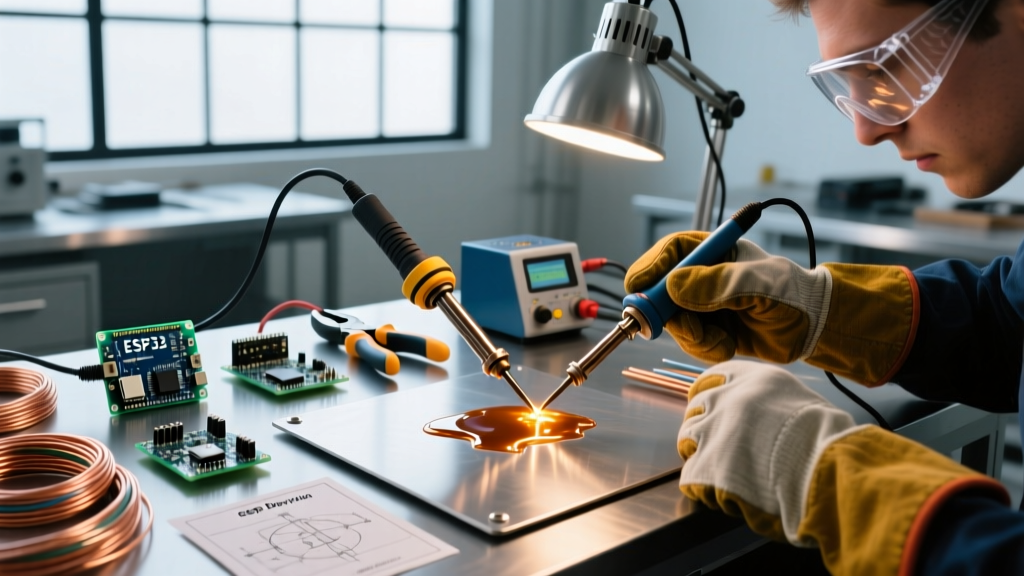

The Metallurgical and Chemical Realities of Sheet Steel
Soldering sheet steel—whether you are fabricating custom enclosures, repairing automotive panels, or building structural armatures—is fundamentally different from joining copper pipes or PCB traces. Steel possesses a thermal conductivity roughly one-eighth that of copper. This means heat dissipates slowly but requires massive initial thermal transfer to bring the base metal up to the solder’s melting point. More importantly, the fluxes required to break down iron oxide are highly corrosive and produce hazardous fumes, elevating the safety risks significantly.
As of 2026, standard 60-watt electronics irons and mild rosin fluxes are entirely useless for sheet steel. Attempting to use them leads to prolonged heating, thermal runaway, and the inhalation of degraded flux byproducts. This guide outlines the exact safety protocols, personal protective equipment (PPE), and heavy-duty tooling required to solder sheet steel safely and effectively.
Mandatory PPE and Fume Extraction Matrix
The primary hazard when soldering steel stems from the aggressive acid-based fluxes (typically zinc chloride or muriatic acid derivatives) required to etch the steel surface. When heated above 250°C, these fluxes release hydrochloric acid gas and zinc oxide particulates. According to the UK Health and Safety Executive (HSE), prolonged inhalation of these soldering fumes can cause occupational asthma and severe respiratory irritation.
Below is a buyer’s matrix for the essential safety gear required for steel soldering operations in 2026:
| Equipment Category | Recommended Model (2026) | Est. Cost | Safety Function & Specs |
|---|---|---|---|
| Respirator | 3M 6200 Half Mask + 2097 Filters | $45 - $55 | P100 particulate & nuisance organic vapor/acid gas relief. |
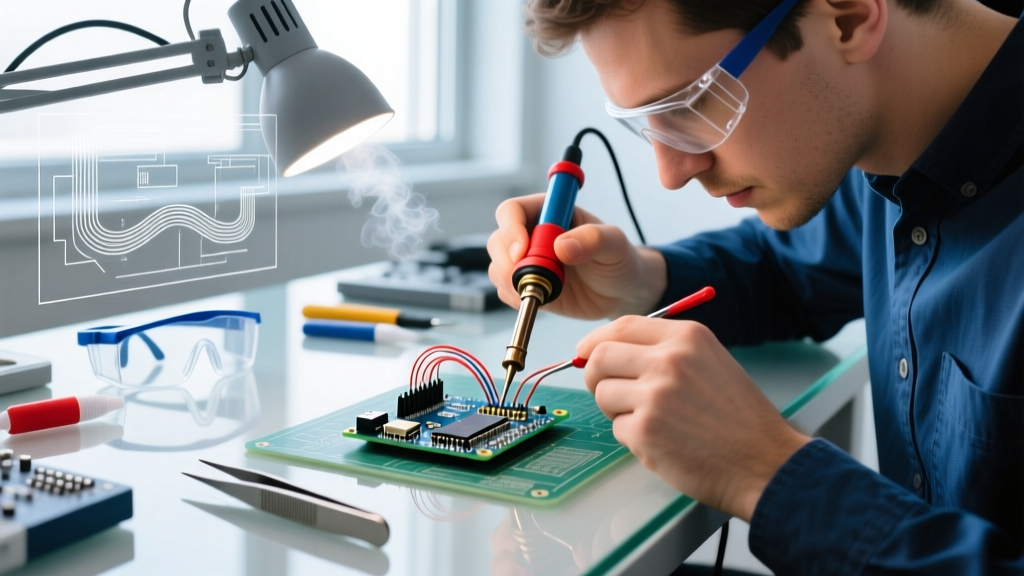
| Eye Protection | Uvex Stealth OTG Safety Goggles | $25 - $30 | Z87.1 rated; seals against acid flux micro-splatters. |
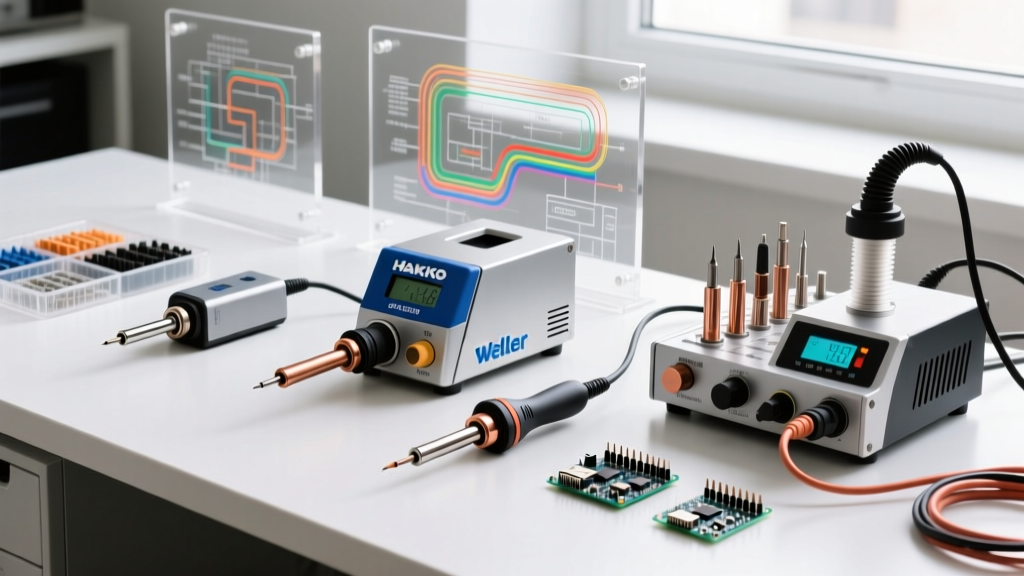
| Bench Fume Extractor | Hakko FA-400 or Weller WFE4D | $65 - $450 | HEPA/Carbon filtration to capture zinc chloride aerosols. |
| Heat-Resistant Gloves | Lincoln Electric KH634 (Leather) | $30 - $40 | Protects against radiant heat from 200W+ irons and torches. |
Critical Safety Note: Never rely on standard surgical masks or basic dust masks. They offer zero protection against hydrochloric acid gas released by tinning fluids. Always use a properly fitted elastomeric half-mask with acid gas cartridges if local exhaust ventilation (LEV) is unavailable.
Selecting High-Capacity Heat Sources
To safely solder sheet steel (typically 18 to 24 gauge), you must achieve a rapid thermal soak. Lingering with an underpowered iron causes the flux to burn off before the solder wets the steel, forcing the operator to apply excessive, dangerous amounts of fresh flux and heat.
Heavy-Duty Soldering Irons
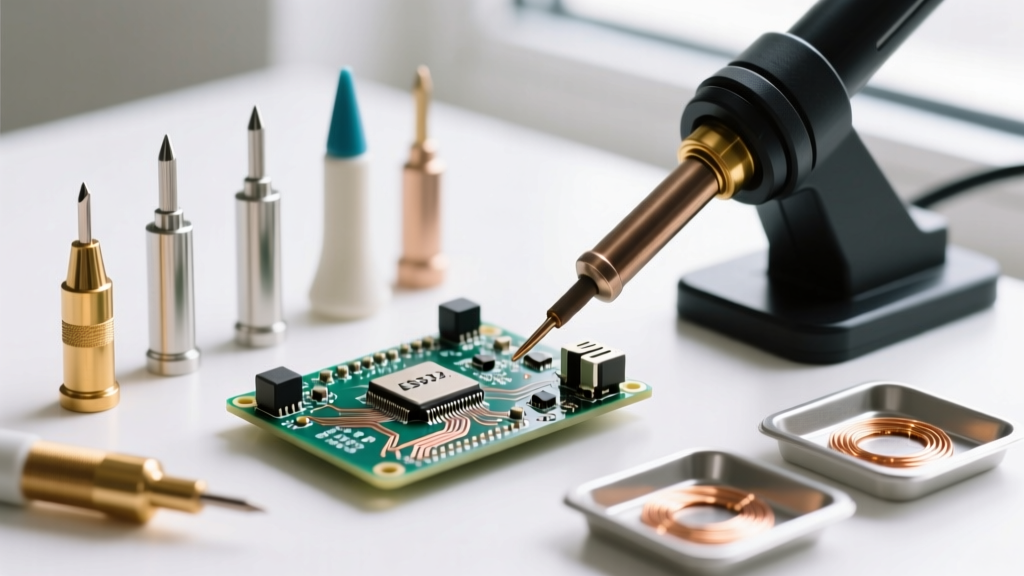
For controlled environments, high-wattage irons with massive thermal mass tips are mandatory. The Weller WSP200 (retailing around $165) delivers 200 watts of continuous power and accepts large chisel tips (like the Weller LT series or heavy-duty equivalents) that store enough thermal energy to bridge the heat sink effect of sheet steel. Alternatively, the Hakko FX-601 ($75) is a solid adjustable option, though you must pair it with the largest 900M-series tip available to maintain thermal stability on steel.
Torch Soldering for Thick Gauges
When working with 16-gauge or thicker steel, or when making long structural seams, a micro-torch is often safer than a massive iron because it reduces operator fatigue and localized thermal stress. The Bernzomatic TS8000 ($55) utilizing MAP-Pro gas provides a high-BTU, pinpoint flame. When torch soldering, always use a heat-resistant ceramic blanket beneath the workpiece to prevent secondary fires.
The Galvanized Steel Hazard: Avoiding Metal Fume Fever
Many DIYers source galvanized sheet steel for its rust resistance. Never apply a torch or high-wattage iron directly to galvanized steel. The zinc coating vaporizes at roughly 907°C, but localized heating and flux reactions can release zinc oxide fumes at much lower thresholds. Inhaling zinc oxide causes Metal Fume Fever, a severe flu-like condition characterized by chills, fever, and muscle aches.
- The Safe Protocol: Use a flap disc on an angle grinder or a wire wheel on a Dremel to mechanically strip the zinc coating at least 1/2 inch beyond your intended solder joint line.
- Verification: The metal should appear dull gray and raw, with no crystalline spangle pattern, before any heat or flux is applied.
Acid Flux Handling and Post-Solder Neutralization
Standard rosin (RMA) flux will not dissolve iron oxide. You must use a zinc chloride-based liquid flux (often sold as ‘tinning fluid’ or ‘plumber’s acid’) or a heavy-duty paste flux like La-Co Slic-Tite ($12). These are highly corrosive and pose severe dermal and ocular hazards.
The Neutralization Mandate: Acid flux residues will continue to eat through the steel and eventually cause catastrophic joint failure and chemical burns to anyone handling the part. Immediately after the solder joint cools, you must neutralize the area. Keep a spray bottle filled with a saturated solution of water and sodium bicarbonate (baking soda) at your workstation. Spray the joint until the foaming (off-gassing of CO2) stops completely, then scrub with a brass wire brush and rinse with isopropyl alcohol.
Step-by-Step Safe Soldering Protocol
- Mechanical Prep: Sand the sheet steel mating surfaces with 120-grit aluminum oxide sandpaper until bright metal is visible. Wipe with acetone to remove machining oils.
- Clamping: Secure the steel with locking pliers or C-clamps. Steel expands and contracts violently under high heat; unsecured pieces will shift and break the solder bond during cooling.
- Flux Application: Apply a thin, even layer of zinc chloride flux using an acid brush. Do not pool the flux.
- Thermal Soak: Apply your 200W iron or torch to the steel, not the solder. Heat the base metal until a drop of solder touched to the opposite side of the joint melts instantly (capillary action test).
- Solder Feeding: Feed a high-tin solid wire solder (such as Kester 95/5 Tin-Antimony) into the joint. Avoid lead-based solders for structural steel unless strictly permitted by local OSHA lead handling regulations.
- Cool and Neutralize: Allow the joint to air cool. Do not quench with water, as thermal shock will micro-fracture the solder crystalline structure. Once cool, apply the baking soda solution.
Troubleshooting Common Steel Soldering Failures
- Solder Balls Up and Rolls Off: The steel has oxidized during heating, or the flux has burned out before the metal reached 250°C. Fix: Remove the heat, let it cool, re-sand, apply fresh flux, and use a higher wattage heat source for a faster thermal soak.
- Joint Cracks Upon Cooling: Movement during the plastic phase of solder solidification. Fix: Improve workholding and clamping before applying heat.
- White Crusty Residue Returns After Cleaning: Incomplete neutralization of acid flux trapped in microscopic steel pores. Fix: Submerge the part in a baking soda bath for 15 minutes, then scrub with a stiff nylon brush.
Summary
Soldering sheet steel is a highly rewarding fabrication technique that bridges the gap between delicate electronics work and heavy MIG welding. However, it demands strict adherence to safety protocols. By investing in a 200W-class soldering station, utilizing proper P100/acid-gas respiratory protection, and respecting the chemical hazards of zinc chloride fluxes, you can achieve bulletproof steel joints while maintaining a safe, compliant workshop environment.