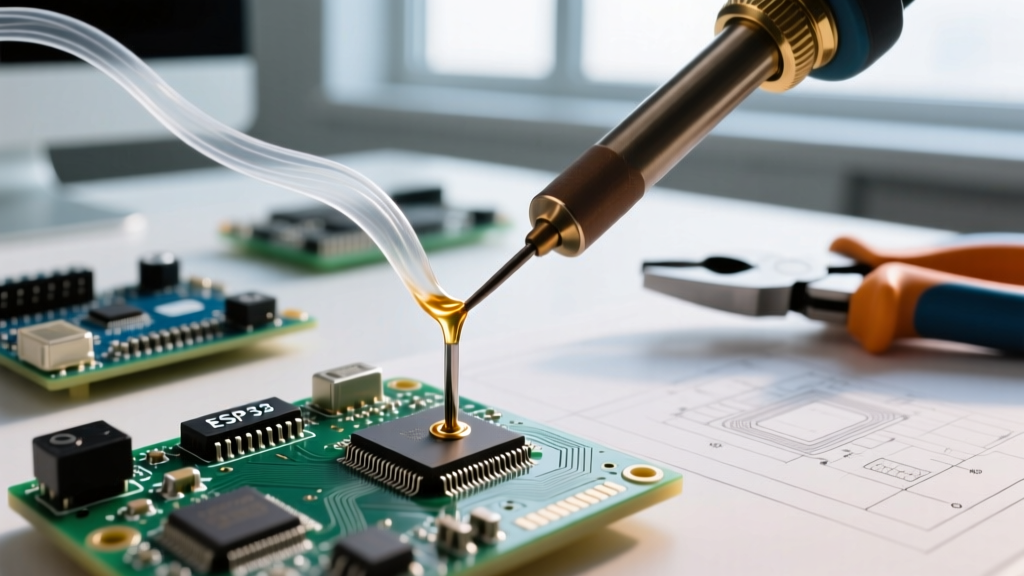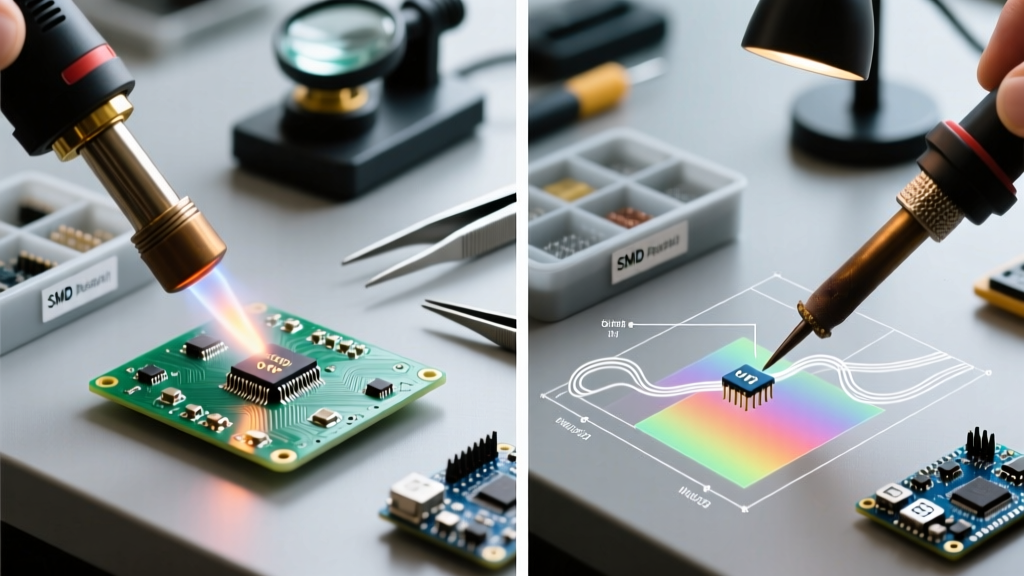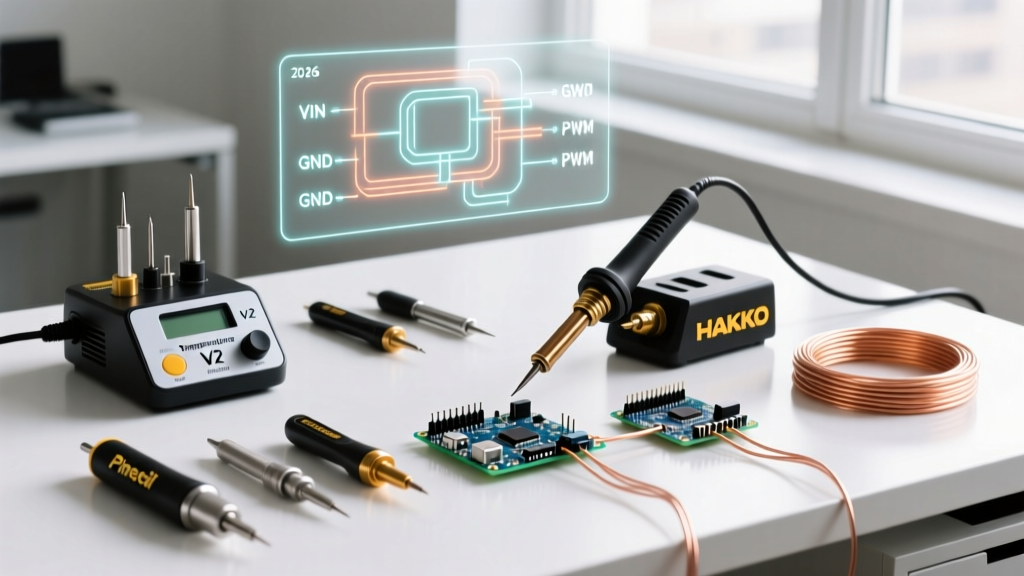

The Terminology Trap: What Exactly is a 'Soldering Rod'?
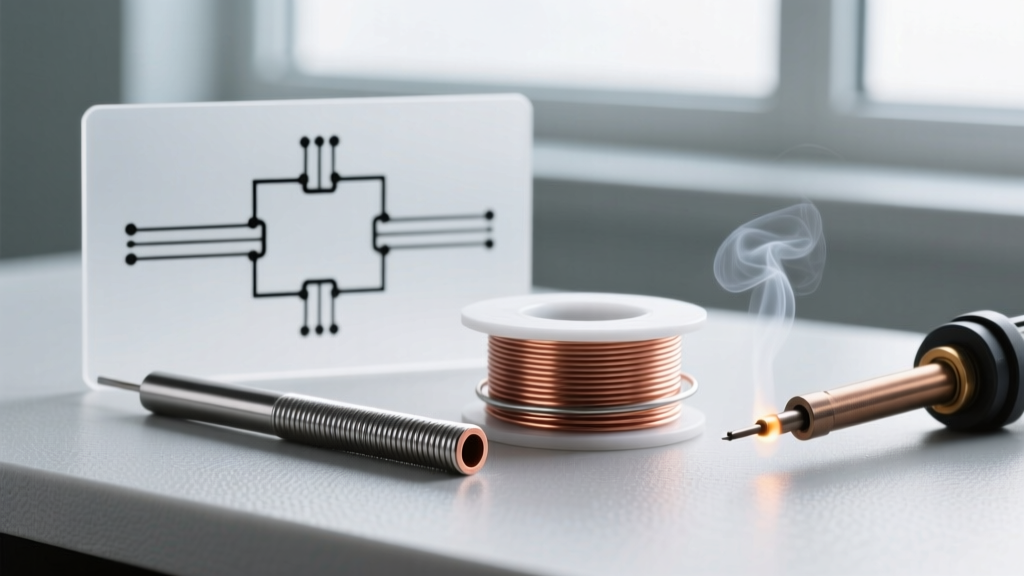
When DIYers, hobbyists, and junior technicians search for soldering rods, they are usually colliding with a significant metallurgical and terminology trap. In the professional fabrication and electrical world, the term 'rod' typically refers to straight-cut, solid-core filler metals used in heavy-duty plumbing, HVAC, or brazing. Conversely, 'solder wire' refers to the thin, flux-cored spooled material used for printed circuit boards (PCBs) and delicate electrical wiring.
Confusing these two methods is one of the fastest ways to destroy a microcontroller or create a catastrophic leak in a copper water line. As of 2026, the market offers highly specialized alloys for both form factors, but their thermal dynamics, flux requirements, and application methods are fundamentally incompatible. This guide provides a deep-dive method comparison to help you select the exact filler metal format your project demands.
Method 1: Using Straight-Cut Soldering Rods (Heavy-Duty & Plumbing)
Soldering rods (often sold in 18-inch to 36-inch straight lengths) are solid-core filler metals. They contain no internal flux. This method relies on capillary action and high thermal mass to join heavy-gauge metals, copper pipes, and large electrical lugs.
Key Characteristics and Products
- Form Factor: Solid, straight sticks ranging from 1/16' to 1/8' (1.5mm to 3.2mm) in diameter.
- Flux Requirement: Requires aggressive external fluxes (e.g., Oatey Tinning Flux or water-soluble paste flux) applied to the joint before heating.
- Market Standards: The American Welding Society (AWS) classifies many of these high-strength rods under brazing and heavy-soldering filler metal specifications.
- Top Product Example: Harris Stay-Brite #8 (a silver-bearing solder rod that melts at 535°F, offering a massive 61,000 PSI tensile strength) or Oatey Safe Flo 95/5 Silver-Bearing rods (approx. $18 for a 1/2 lb tube).
The Pros and Cons of the Rod Method
Pros:
- Unmatched mechanical strength and vibration resistance.
- Ideal for large thermal mass joints (e.g., 1-inch copper pipes, heavy battery lugs).
- Silver-bearing rods can bridge larger gaps than standard capillary wire.
Cons:
- Requires a high-heat source (propane/MAPP torch or a 100W+ heavy-duty soldering iron).
- External acid-based plumbing fluxes are highly corrosive and will instantly destroy electronic components.
- Lack of precision; impossible to use on pitch-spaced IC pins.
Method 2: Using Spooled Solder Wire (Electronics & Precision)
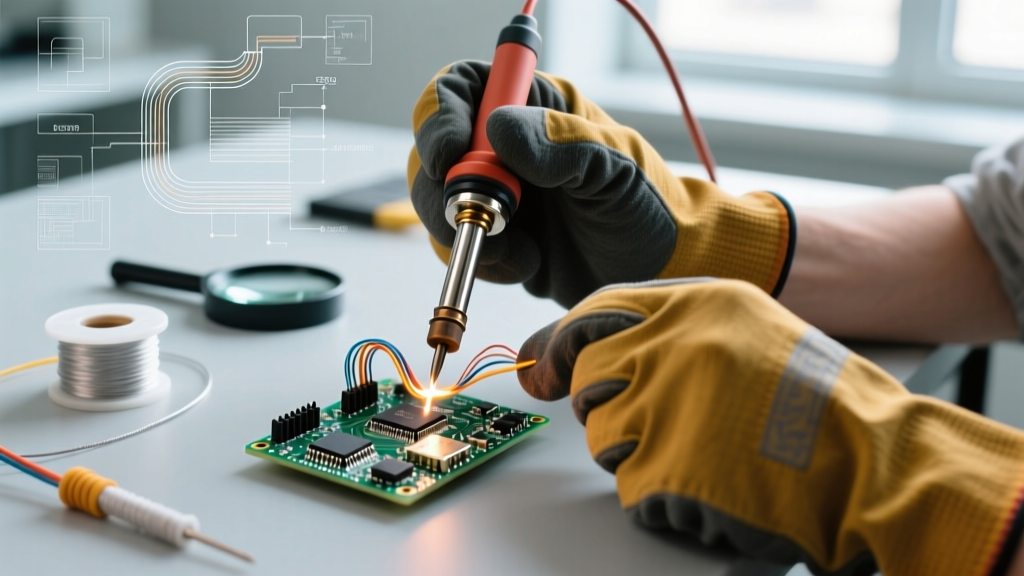
Solder wire is the undisputed standard for electrical and electronic assembly. It is drawn into thin diameters and extruded with internal cores of rosin or water-soluble flux, eliminating the need for messy external paste.
Key Characteristics and Products
- Form Factor: Spooled wire ranging from 0.010' to 0.062' (0.25mm to 1.5mm) in diameter.
- Flux Requirement: Self-contained. The IPC J-STD-001 standard strictly governs the flux activity levels (e.g., ROL0, ROL1) required for reliable electronic assemblies.
- Market Standards: Leaded (Sn63/Pb37) remains popular for hobbyist and aerospace applications due to its low melting point (361°F) and lack of tin whisker issues. Lead-free (SAC305) is mandatory for commercial consumer electronics (RoHS compliance).
- Top Product Example: Kester 44 63/37 (approx. $35-$45/lb) for leaded applications, and MG Chemicals Sn99 SAC305 (approx. $50/lb) for lead-free 2026 manufacturing standards.
The Pros and Cons of the Wire Method
Pros:
- Precision control for 0402 SMD components and fine-pitch TQFP chips.
- Internal flux core ensures immediate wetting and prevents oxidation during the soldering process.
- Low thermal mass allows standard 60W-70W digital soldering stations (like the Weller WE1010) to maintain tip temperature effortlessly.
Cons:
- Low tensile strength (Sn63/Pb37 yields roughly 7,500 PSI); joints will fail under heavy mechanical vibration.
- Cannot bridge large gaps in plumbing or heavy structural metalwork.
Head-to-Head Comparison Matrix
| Feature | Soldering Rods (Solid Core) | Solder Wire (Flux-Cored) |
|---|---|---|
| Primary Application | Plumbing, HVAC, heavy electrical lugs | PCBs, microcontrollers, delicate wiring |
| Typical Diameter | 1/16' to 1/8' (1.5mm - 3.2mm) | 0.010' to 0.062' (0.25mm - 1.5mm) |
| Flux Delivery | External paste/liquid required | Internal multi-core (2.2% typical) |
| Heat Source | Torch, heavy-duty 100W+ iron | Standard 60W digital soldering station |
| Tensile Strength | High (Up to 61,000 PSI with silver alloys) | Moderate (Approx. 7,500 PSI for Sn63) |
| Corrosion Risk | High (if acid flux is not cleaned properly) | Low (rosin flux is generally non-corrosive) |
Thermal Dynamics: Why You Cannot Mix the Methods
The most common catastrophic mistake made by beginners is attempting to use a thick, solid-core plumbing soldering rod on a printed circuit board. This fails due to thermal mass mismatch.
Expert Insight: A 1/8' (3.2mm) solid soldering rod acts as a massive heat sink. When touched to a standard 60W chisel tip, the rod instantly absorbs the thermal energy, dropping the tip temperature below the alloy's liquidus phase. The result is a 'cold joint'—a grainy, unreliable connection that will crack under thermal cycling.
Conversely, using thin 0.031' electronic solder wire on a 1/2' copper water pipe will result in the wire melting instantly upon contact, but the copper pipe will not reach the temperature required for capillary action. The solder will simply ball up and roll off the joint, creating a false seal that will leak under water pressure. Furthermore, electronic wire uses mild rosin flux (RMA/RA), which is entirely incapable of breaking down the heavy oxidation present on plumbing-grade copper.
Expert Decision Framework: Which Method to Choose?
Use this step-by-step logic tree to select your filler metal for any 2026 DIY or professional project:
- Is the joint subject to water pressure or structural mechanical load?
-> YES: Choose Soldering Rods (specifically silver-bearing or 95/5 alloys) with external tinning flux and a torch.
-> NO: Proceed to step 2. - Are you joining wires larger than 6 AWG or heavy battery lugs?
-> YES: Choose thick Soldering Rods or heavy-gauge solid wire with a high-wattage iron (100W+).
-> NO: Proceed to step 3. - Is the target a PCB, microcontroller (Arduino/ESP32), or wire smaller than 10 AWG?
-> YES: Choose Flux-Cored Solder Wire. Use 0.031' for through-hole components and 0.015' for surface-mount device (SMD) rework.
Frequently Asked Questions (FAQ)
Can I use plumbing soldering rods for electronics if I clean the flux?
No. Even if you attempt to clean the joint, plumbing rods require acid-based or highly active water-soluble fluxes to penetrate metal oxides. These fluxes leave behind ionic residues that will cause electrochemical migration (dendrite growth) and short-circuit your PCB over time. Furthermore, the high heat required to melt the thick rod will delaminate the copper pads from the fiberglass substrate of the PCB.
Are 'brazing rods' the same as 'soldering rods'?
Colloquially, they are often grouped together, but metallurgically, they are distinct. Soldering occurs below 840°F (450°C), while brazing occurs above 840°F. Brazing rods (like brass or high-silver alloys) require an oxy-acetylene torch and create joints that are often stronger than the base metals themselves. Standard soldering rods (like tin/antimony or low-silver plumbing rods) melt at much lower temperatures (around 430°F to 535°F).
What is the best solder wire for general electronics repair in 2026?
For general through-hole and light SMD repair, Sn63/Pb37 (63% Tin / 37% Lead) remains the gold standard due to its eutectic properties (it transitions from solid to liquid instantly at 361°F, preventing cold joints during the cooling phase). However, if you are manufacturing commercial products for the EU or US markets, you must use a lead-free alternative like SAC305 (Sn96.5/Ag3.0/Cu0.5) to comply with RoHS directives, keeping in mind it requires higher tip temperatures (around 650°F to 700°F).
For more detailed technical specifications on electronic assembly requirements, always refer to the latest IPC J-STD-001 guidelines, and for heavy-duty structural filler metals, consult the Oatey technical data sheets or AWS specifications.