
The Thermodynamic Divide: AWS Standards and Metallurgy
The fundamental distinction in the braze vs soldering debate is not defined by the base metals being joined, nor the filler material itself, but strictly by temperature. According to the American Welding Society (AWS) standard A3.0, the dividing line is exactly 840°F (450°C). Below this threshold, the process is classified as soldering; above it, the process is brazing. As detailed in Lucas-Milhaupt's brazing fundamentals, both processes rely on capillary action to draw the molten filler metal into the joint clearance. However, the metallurgical bonding mechanisms differ vastly.
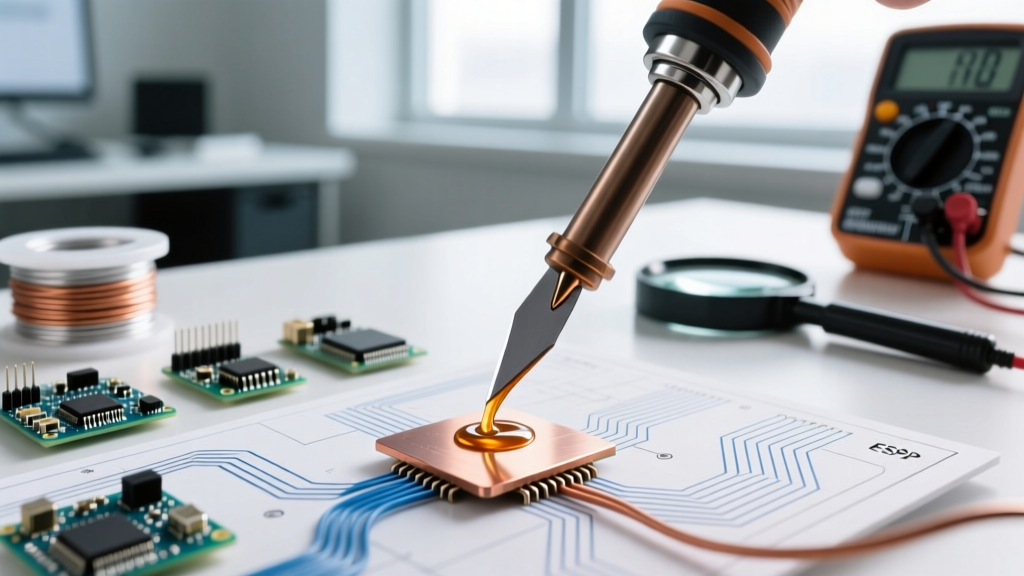
Soldering relies on surface wetting and the formation of a thin intermetallic compound (IMC) layer. The base metal does not melt, and the joint strength is largely dependent on the surface area and the mechanical interlock of the IMC. Brazing, operating at higher thermal energy levels, promotes deeper metallurgical diffusion. The filler metal alloys with the base metal at the interface, often resulting in a joint that is as strong as, or stronger than, the base metals themselves.
Braze vs Soldering: Industrial Application Matrix
Choosing the correct joining method requires matching the thermal and mechanical limits of the filler alloy to the operational environment. The table below outlines standard industrial specifications for 2026 manufacturing and infrastructure environments.
| Industry | Process | Typical Filler Alloy | Max Operating Temp | Joint Tensile Strength |
|---|---|---|---|---|
| HVAC / Refrigeration | Brazing | BCuP-5 (15% Ag) | 300°F (149°C) | 45,000 - 60,000 PSI |
| Aerospace / Tooling | Brazing | BNi-2 (Nickel) | 1,800°F (982°C) | 80,000+ PSI |
| PCB Assembly | Soldering | SAC305 (Lead-Free) | 221°F (105°C) | 5,000 - 8,000 PSI |
| Potable Plumbing | Soldering | 95/5 Tin-Antimony | 250°F (121°C) | 6,000 - 10,000 PSI |
Deep Dive: Brazing in Heavy Industry and HVAC
In high-pressure and high-vibration environments, brazing is non-negotiable. The modern HVAC industry's shift toward R-32 and R-410A refrigerants has pushed operating pressures well beyond 600 PSI. A soldered joint in these systems will inevitably fail due to thermal fatigue and creep.
The Economics of Silver Alloys in 2026
For copper-to-copper HVAC linesets, BCuP-5 (Sil-Fos 5) remains the industry standard. Containing 15% silver, it melts between 1,195°F and 1,475°F and is self-fluxing on copper, eliminating the need for external chemical fluxes that could contaminate the refrigerant loop. However, with 2026 commodity silver prices surging, high-silver brazing alloys like BAg-24 (50% Silver) now cost upwards of $950 to $1,100 per pound. This has forced industrial engineers to optimize joint clearances (typically 0.001 to 0.005 inches) to minimize filler metal volume, or transition to induction brazing systems that apply localized heat, reducing alloy waste and oxidation.
In aerospace and heavy machinery, nickel-based brazing (such as BNi-2) is utilized for joining stainless steel and Inconel components. These joints are often performed in vacuum furnaces to prevent oxidation, yielding joints capable of surviving extreme turbine temperatures and corrosive environments.
Soldering in Electronics and Low-Stress Plumbing
Soldering dominates industries where base metal metallurgical alteration must be avoided and where electrical conductivity or low-temperature fluid sealing is the primary goal.
Electronics Manufacturing and IPC Standards
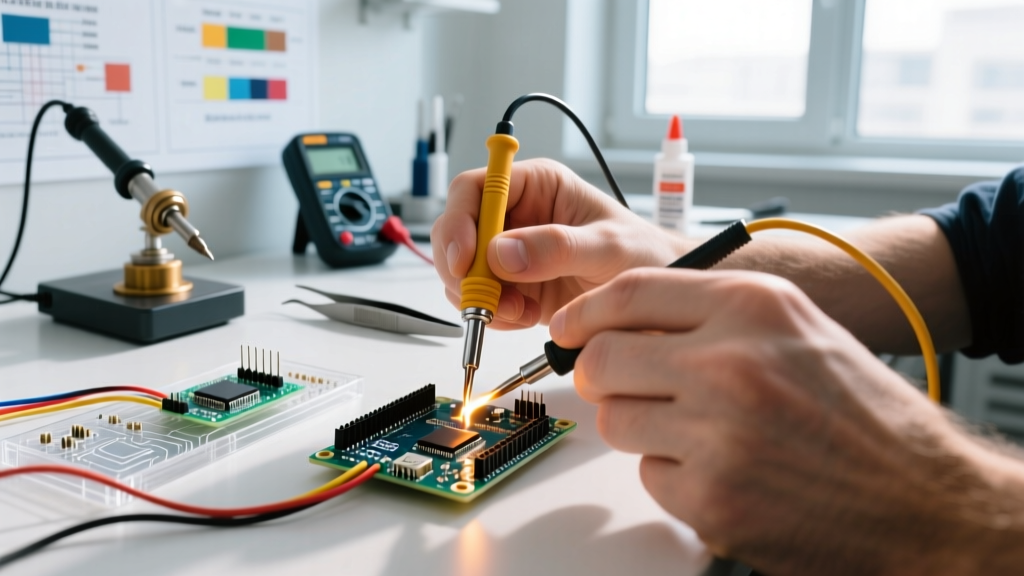
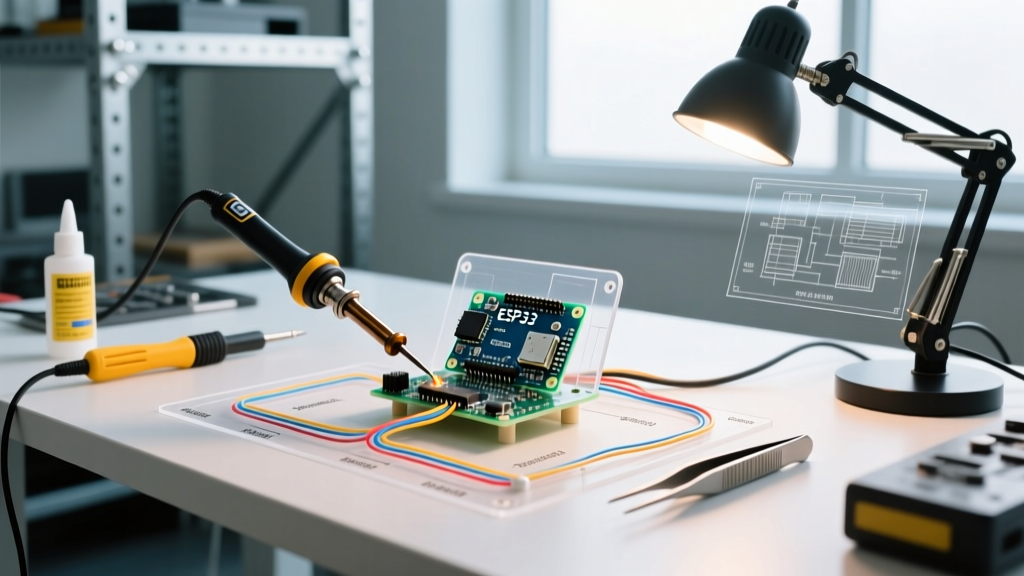
Surface mount technology (SMT) and through-hole PCB assembly rely almost exclusively on soldering. The industry standard lead-free alloy is SAC305 (96.5% Tin, 3.0% Silver, 0.5% Copper), which has a liquidus temperature of 428°F (220°C). According to the IPC J-STD-001 requirements, the focus is on proper wetting and the formation of a reliable IMC layer without damaging heat-sensitive silicon components. SAC305 wire and paste remain highly cost-effective, generally pricing around $45 to $60 per pound, making it viable for high-volume automated reflow and wave soldering processes.
Potable Water Plumbing
For domestic copper water lines, soldering is the standard. The Copper Development Association (CDA) specifies that for potable water systems, lead-free solders like 95/5 Tin-Antimony or Tin-Silver must be used to comply with NSF/ANSI 61 standards. While these joints only offer 6,000 to 10,000 PSI of tensile strength, they are more than sufficient for standard municipal water pressures (40-80 PSI) and operating temperatures below 180°F.
Flux Chemistry: Borax vs. Rosin
The chemical agents used to strip oxidation from base metals differ radically between the two processes:
- Brazing Fluxes: Typically borax-based or fluoride-based (e.g., AWS FB3-A). They activate at high temperatures (1,100°F+) to dissolve heavy metal oxides. Post-braze, these fluxes form a hard, glassy slag that must be removed via mechanical wire brushing or hot chemical quenching to prevent severe galvanic corrosion.
- Soldering Fluxes: Rosin-based (R, RMA, RA) or water-soluble organic acids (VOC-free). In electronics, no-clean rosin fluxes (ROL0 or ROL1 classifications) are preferred. They activate at lower temperatures (300°F–400°F) and leave a benign, non-conductive residue that protects the joint from atmospheric moisture.
Failure Modes: When the Wrong Process is Specified
Specifying soldering for a high-stress application, or brazing for a heat-sensitive component, leads to predictable and catastrophic failure modes:
- Creep and Thermal Fatigue: Soldered joints subjected to continuous mechanical loads or thermal cycling above 200°F will experience 'creep'—a slow, permanent deformation that eventually cracks the IMC layer. This is a common failure in exhaust system sensors mistakenly soldered instead of brazed.
- Base Metal Annealing: Attempting to braze thin-walled aluminum or heat-treated steel can anneal the base metal, destroying its structural temper and causing the parent metal to tear adjacent to the joint.
- Intermetallic Overgrowth: In electronics, excessive heat or prolonged dwell times during soldering cause the copper-tin IMC layer to grow too thick, transitioning the joint from ductile to brittle, leading to micro-fractures under vibration.
Expert Decision Framework: 4 Questions to Specify the Joint
When designing an assembly or specifying a field repair protocol, engineering teams should run the application through this four-point framework:
1. What is the maximum continuous operating temperature?
Rule of thumb: The joint's operating temperature must remain at least 100°F below the solidus temperature of the filler metal to prevent creep. If the environment exceeds 350°F, soldering is disqualified; brazing is required.
2. What are the mechanical and pressure load requirements?
If the joint must withstand high internal pressures (e.g., hydraulics, refrigerants) or structural sheer forces exceeding 15,000 PSI, the metallurgical diffusion of brazing is mandatory.
3. Is the base metal heat-sensitive or pre-tempered?
If the base metal will lose its mechanical properties if exposed to temperatures above 900°F, you must utilize low-temperature brazing alloys (like BAg series) or stick to high-strength solders, redesigning the joint geometry to increase surface area for capillary strength.
4. What are the post-joint cleaning capabilities?
Brazing fluxes are highly corrosive and difficult to remove. If the assembly contains blind holes or internal channels that cannot be flushed (such as complex microfluidic devices), you must specify self-fluxing alloys, vacuum brazing, or transition to a specialized active soldering process.
Summary
The choice in the braze vs soldering debate ultimately hinges on the thermodynamic and mechanical realities of the end-use environment. While soldering offers precision, low thermal impact, and electrical conductivity for electronics and low-pressure plumbing, brazing provides the structural integrity, high-temperature resilience, and pressure containment required for heavy industry, aerospace, and modern HVAC systems. By adhering to AWS thresholds and selecting the precise filler alloy for the operational envelope, engineers can guarantee joint longevity and system reliability.