
The Commercial Dilemma: Traditional Sweat vs. Press Technology
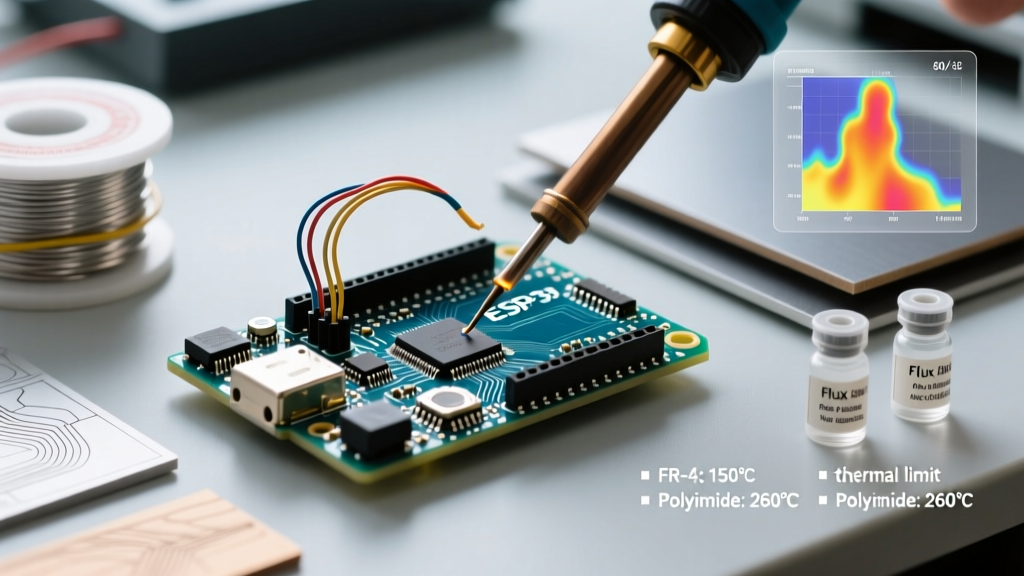
For commercial plumbing and HVAC contractors, the method used to join copper piping dictates project timelines, labor budgets, and long-term system reliability. While press-to-connect technology has aggressively captured market share in new commercial construction over the last decade, traditional torch work remains irreplaceable in specific high-stakes applications. Understanding the precise engineering, economic, and code-compliance differences between soldering plumbing fittings and mechanical press systems is critical for estimators and lead installers bidding on large-scale projects in 2026.
This guide bypasses generic DIY advice and dives deep into the metallurgical realities, job-site logistics, and commercial code requirements that dictate when you should fire up the acetylene torch and when you should reach for the press tool.
Material and Equipment Cost Breakdown
The most common misconception in commercial estimating is that press technology is universally more expensive. While the fittings themselves carry a premium, the total installed cost must factor in labor rates, tool depreciation, and site logistics. Below is a comparative matrix based on 2026 commercial pricing for a standard 1-inch Type L copper coupling.
| Cost Factor | Traditional Solder (95/5) | Viega ProPress System |
|---|---|---|
| Fitting Cost (1-inch Coupling) | $3.50 - $5.00 | $14.00 - $18.50 |
| Consumables per Joint | $0.35 (Flux, Solder, Abrasive) | $0.00 |
| Tooling Investment | $150 - $400 (TurboTorch, TS8000) | $3,500 - $5,500 (RIDGID RP-350, Jaws) |
| Labor Time per Joint | 3 - 5 Minutes | 7 - 12 Seconds |
| Fire Watch / Hot Work Permit | Required (Adds 1-2 hours labor) | Not Required |
The Hidden Costs of Hot Work Permits
When soldering plumbing fittings in occupied commercial buildings, hospitals, or active retrofit sites, the International Fire Code (IFC) mandates strict hot work protocols. A dedicated fire watch must remain on-site for a minimum of 60 minutes after the last torch is extinguished. At a prevailing commercial plumbing labor rate of $85 to $125 per hour, the fire watch alone can add $100+ to the cost of a single soldered joint in a confined space. Press technology entirely eliminates the need for hot work permits, fire blankets, and extinguisher staging, making it the undisputed champion for occupied-building retrofits.
Joint Integrity: Metallurgical Bond vs. Mechanical Compression
To specify the correct joining method, engineers and master plumbers must understand the fundamental physics of the joint.
The Capillary Action of Soldered Joints
When executed correctly, soldering plumbing fittings creates a continuous metallurgical bond. Using a 95/5 Tin-Antimony alloy (such as Harris 95/5) for potable water, or a Sil-Fos (BCuP-2) alloy for HVAC refrigeration lines, the filler metal is drawn into the capillary space between the pipe and the fitting socket via surface tension. Once cooled, the joint becomes a monolithic extension of the copper system. It is immune to UV degradation, unaffected by the chlorine/chloramine levels in municipal water supplies, and can withstand continuous operating temperatures up to 250°F (for 95/5) or 400°F+ (for brazing alloys).
The O-Ring Dependency of Press Fittings
Press fittings rely on an internal EPDM (Ethylene Propylene Diene Monomer) or FKM (Fluorocarbon) O-ring compressed against the copper tube by a precisely engineered stainless-steel grab ring. While the mechanical strength of a pressed joint easily exceeds the burst pressure of Type L copper, the system's lifespan is intrinsically tied to the elastomeric O-ring. EPDM O-rings are rated for continuous temperatures up to 230°F and are highly resistant to hot water aging, but they will rapidly degrade if exposed to petroleum-based pipe dopes, excessive UV exposure, or high-velocity steam.
Expert Insight: Never use standard pipe thread sealants or Teflon-based lubricants to ease the insertion of a copper tube into a ProPress fitting. Petroleum distillates will cause the EPDM O-ring to swell and extrude, resulting in a catastrophic failure once the system is pressurized. Use only water or manufacturer-approved silicone lubricants.
Code Compliance and Lead-Free Mandates
Commercial potable water systems are strictly governed by the Safe Drinking Water Act (SDWA) Section 1417. All solder and flux used for soldering plumbing fittings in potable lines must meet NSF/ANSI 61 and NSF/ANSI 372 certifications, verifying a weighted average lead content of less than 0.25%. The historic 50/50 Tin-Lead solder is strictly prohibited and its discovery during a municipal inspection will result in immediate system condemnation and mandatory tear-out.
Medical Gas and High-Purity Systems (NFPA 99)
There is one commercial application where press technology is universally banned: Medical Gas and Vacuum systems. Under NFPA 99 Health Care Facilities Code, all copper joints in medical gas lines (Oxygen, Nitrous Oxide, Medical Air) must be brazed using a silver-bearing alloy (such as Harris Sil-Fos 15) in an inert nitrogen purge atmosphere. The risk of O-ring outgassing, particulate shedding, or elastomeric degradation in high-pressure oxygen environments makes mechanical press fittings a lethal hazard. Traditional torch work remains the sole legal and safe method for these critical infrastructure builds.
Failure Modes and Edge Cases
Understanding how joints fail in the field allows superintendents to implement better QA/QC checklists.
- Solder Failure - Flux Corrosion: Failure to wipe excess water-soluble flux (like Oatey #5) from the exterior of the joint before it cools will lead to aggressive galvanic corrosion, eventually pinholing the copper tube just outside the fitting socket.
- Solder Failure - Dry Joints: Applying heat to the fitting rather than the tube, or failing to pre-heat the mass of a large valve body, prevents the capillary draw. The solder rings the edge of the fitting but fails to penetrate the socket, resulting in a leak that may not manifest until months after pressurization.
- Press Failure - Tube Scoring: If a plumber uses a standard steel tube cutter that leaves a deep burr, or drags the copper tube across a concrete floor before insertion, the resulting scratches will bypass the O-ring's sealing surface, causing a slow weep that is notoriously difficult to diagnose inside a sealed wall cavity.
Step-by-Step: Commercial-Grade Soldering Protocol
When the bid requires soldering plumbing fittings, adhere to this rigorous preparation sequence to guarantee capillary penetration and pass hydrostatic testing on the first attempt.
- Precision Cutting: Use a sharp, copper-specific wheel cutter. Ensure the cut is perfectly square (within 1/32-inch tolerance) to allow the tube to seat fully against the internal shoulder of the fitting.
- Abrasive Preparation: Clean the outside of the tube and the inside of the fitting socket using 120-grit silicon carbide sandpaper or a dedicated wire fitting brush. Do not over-sand; removing too much base metal destroys the tight capillary tolerance (typically 0.002 to 0.005 inches).
- Flux Application: Apply a thin, uniform coat of 95-degree tinning flux (e.g., Oatey #95) using an acid brush. The flux should coat the metal without pooling inside the pipe, which can cause internal flux trapping and future pinhole leaks.
- Thermal Verification: For large-diameter pipes (2-inch and above), use a Tempilstik (temperature-indicating crayon) rated for 450°F on the opposite side of the fitting from where the torch is applied. When the Tempilstik melts, the capillary space has reached the exact thermal threshold to draw the 95/5 solder.
- Capillary Draw: Touch the solder wire to the joint margin. If the flux bubbles and spits, the joint is too cold. If the solder instantly wicks into the seam and forms a continuous silver bead around the entire circumference, the joint is complete. Remove heat immediately to prevent burning the flux.
The Final Verdict for Commercial Estimators
Press technology is the undisputed leader for standard domestic water, hydronic heating, and chilled water lines in commercial construction due to its sheer speed and elimination of hot-work logistics. However, the art and science of soldering plumbing fittings remains a mandatory competency for commercial contractors. High-temperature steam condensate return lines, underground encased copper, exposed architectural piping where the bulky profile of a press fitting is aesthetically unacceptable, and all NFPA 99 medical gas systems demand the metallurgical permanence of a properly sweated joint. Mastering both methodologies ensures your firm can bid competitively across the entire spectrum of commercial mechanical scopes.