
The High-Stakes Reality of HVAC Refrigerant Lines
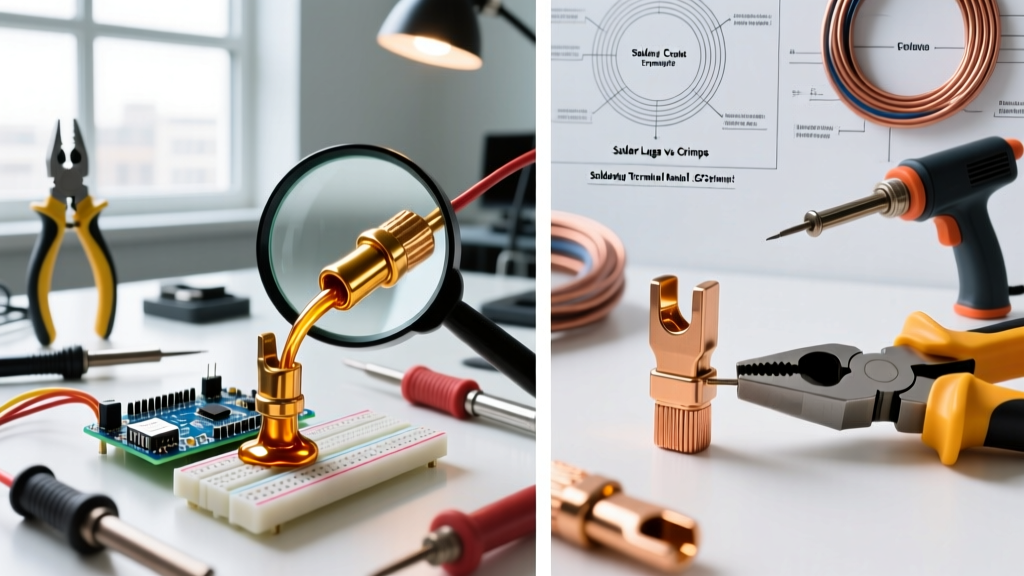
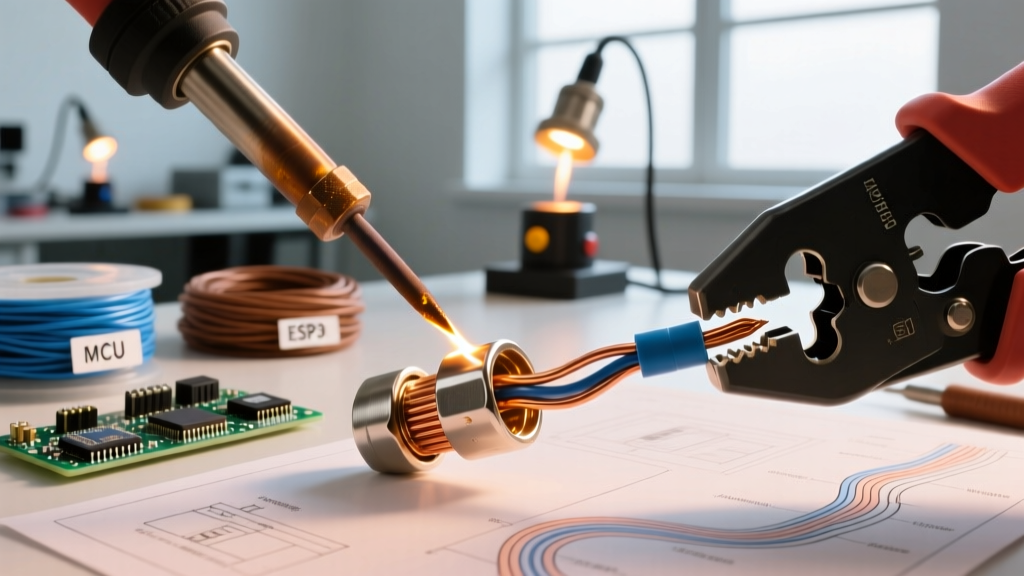
When it comes to joining copper pipes in heating, ventilation, and air conditioning systems, the terminology can be confusing. Many technicians and DIYers use the term 'soldering' as a catch-all for any thermal metal-joining process. However, in the HVACR industry, the distinction between soft soldering and brazing (often called hard soldering) is the difference between a reliable system and a catastrophic refrigerant leak. As the industry aggressively transitions to A2L refrigerants like R-32 and R-454B in 2026, operating pressures and joint stress tolerances are higher than ever. Understanding the exact metallurgical and mechanical differences between these methods is mandatory for any HVAC professional or advanced DIYer.
Soft Soldering vs. Brazing: The Core Differences
The American Welding Society (AWS) draws a hard line between soldering and brazing based on temperature. The dividing line is 840°F (450°C). Below this temperature, you are soft soldering. Above it, you are brazing. This thermal threshold completely changes the capillary action, alloy penetration, and ultimate tensile strength of the joint.
Soft Soldering (Below 840°F)
Soft soldering relies on lower-temperature alloys, typically tin-based (like 95/5 tin-antimony or 50/50 tin-lead, though lead is banned in modern plumbing and HVAC). The base copper metal does not melt or undergo significant grain structure changes. The solder simply wets the surface and fills the capillary gap. While excellent for low-pressure residential water lines, it lacks the shear strength for high-pressure refrigerant cycles.
Brazing / Hard Soldering (Above 840°F)
Brazing uses copper-phosphorus (BCuP) or silver-based alloys that melt between 1,100°F and 1,500°F. At these temperatures, the copper pipe itself expands significantly, allowing the molten alloy to penetrate deep into the microscopic pores of the base metal. According to the Copper Development Association (CDA), properly brazed copper joints can actually be stronger than the base copper tube itself, failing in the tube wall before the joint separates under extreme pressure.
Method Comparison Matrix: Soldering HVAC Connections
| Feature | Soft Soldering (95/5 Sn/Sb) | Brazing (BCuP-5 / 15% Silver) |
|---|---|---|
| Operating Temperature | 450°F - 500°F (232°C - 260°C) | 1,100°F - 1,300°F (593°C - 704°C) |
| Heat Source | Propane / MAPP Gas Torch | Oxy-Acetylene or Oxy-Propane Torch |
| Max Pressure Rating | ~150 PSI (Thermal cycling reduces this) | 600+ PSI (Exceeds R-410A/R-32 limits) |
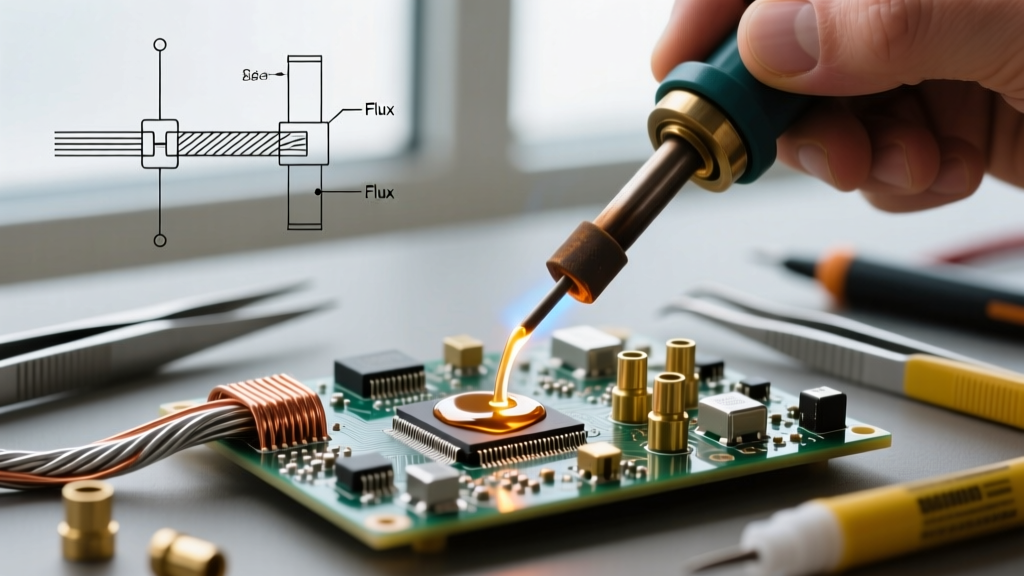
| Flux Requirement | Paste flux (Zinc Chloride/Rosin) | Self-fluxing on Cu-to-Cu; White flux for Cu-to-Brass |
| Nitrogen Purge Required? | No (but oxidation still occurs) | Yes (Mandatory at 1-2 SCFH) |
| Primary HVAC Use Case | Condensate drain lines, low-pressure sensors | Refrigerant linesets, compressor joints, TXVs |
Why Soft Soldering Fails on Modern HVAC Systems
It is a violation of EPA Section 608 guidelines and universal HVAC building codes to use soft solder on pressurized refrigerant lines. Modern refrigerants operate at extreme pressures. R-410A systems routinely see high-side pressures of 400 to 450 PSI on a 95°F day. The newer R-32 and R-454B refrigerants push these boundaries even further. Soft solder joints are highly susceptible to thermal fatigue. As the compressor cycles, the copper lines expand and contract. Because soft solder has a different coefficient of thermal expansion than copper, the joint will eventually develop micro-fractures, leading to slow refrigerant leaks. Furthermore, the vibration from the compressor will cause low-tensile soft solder joints to shear over time.
The Industry Standard: Brazing with BCuP Alloys
For refrigerant linesets, brazing is the only acceptable method. The most common filler metals are BCuP alloys (Copper-Phosphorus with varying silver content). The phosphorus acts as a fluxing agent when joining copper to copper, breaking down the copper oxide layer without the need for external chemical fluxes.
- Harris Stay-Silv 15 (15% Silver): The premium choice for 2026. The higher silver content lowers the melting point slightly, increases ductility, and provides superior vibration resistance for compressor discharge lines.
- Lucas-Milhaupt Sil-Fos 5 (5% Silver): A cost-effective alternative for standard liquid and suction lines where extreme vibration is not a primary concern.
Expert Note: If you are brazing copper to brass (such as connecting a copper lineset to a brass service valve), BCuP alloys will not work alone. The phosphorus cannot break down the zinc oxide in the brass. You must apply a specialized white brazing flux (like Harris Stay-Silv White Flux) to the brass component before heating.
Step-by-Step: Proper HVAC Brazing Procedure
Achieving a leak-free brazed joint requires strict adherence to procedure. Skipping steps is the leading cause of callbacks and compressor burnouts.
- Clean the Tubing: Use 120-grit sandpaper or a specialized copper scouring pad to clean the outside of the tube and the inside of the fitting down to bright, shiny copper. Wipe with isopropyl alcohol to remove oils.
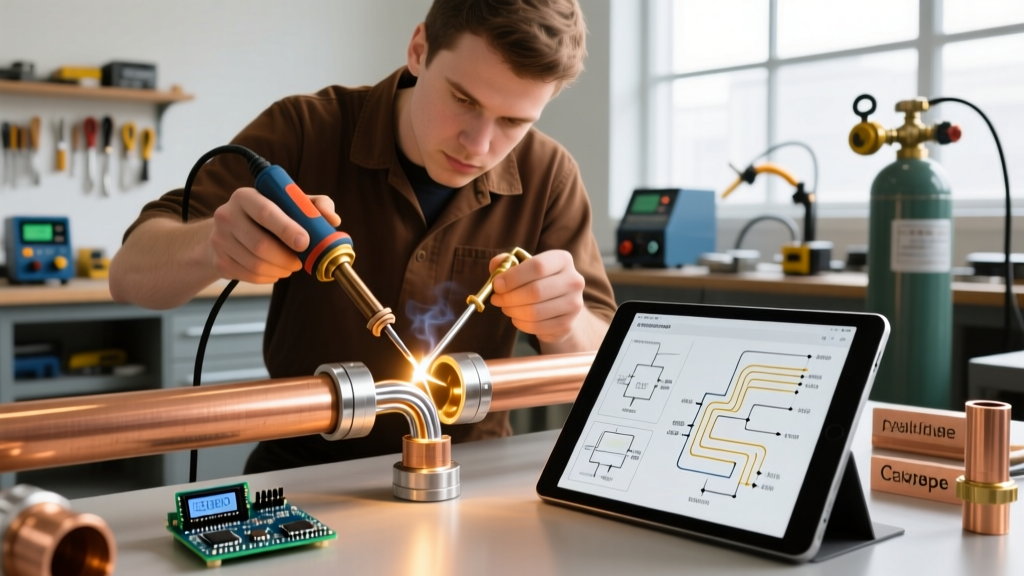
- Establish a Nitrogen Purge: This is non-negotiable. Connect a dry nitrogen regulator to one end of the lineset and flow nitrogen at 1 to 2 SCFH (Standard Cubic Feet per Hour). This displaces oxygen inside the pipe, preventing the formation of cupric oxide scale (black flakes) which will break loose and destroy the TXV or clog the filter drier.
- Pre-Heat the Joint: Using an oxy-acetylene torch with a swirl tip (e.g., Victor Journeyman 100C), apply a neutral flame to the fitting, not the pipe. The fitting has more mass and needs to reach the brazing temperature first.
- Test the Temperature: Touch the brazing rod to the joint. When the fitting is around 1,300°F, the rod will melt instantly and be drawn into the joint via capillary action. Do not melt the rod with the torch flame; let the heat of the copper melt the rod.
- Feed the Alloy: Apply the rod continuously around the perimeter of the joint until a small, uniform fillet appears, indicating the capillary space is 100% full.
- Cool and Inspect: Allow the joint to cool naturally. Do not quench with water, as thermal shock can crack the braze. Once cool, wipe away any residual flux (if used) with a wet rag to prevent long-term corrosion.
Equipment Costs and Torch Setups for 2026
Investing in the right torch setup is critical for HVAC brazing. While a standard propane torch costs around $40, it cannot generate the BTU output required to braze large-diameter copper pipes (like 1-1/8' suction lines) before the flux burns or the nitrogen purge is compromised.
A professional Oxy-Acetylene setup (such as the Harris Sentry or Victor Edge series) will cost between $450 and $650 in 2026, including the tanks, regulators, and hoses. Oxy-Propane setups are slightly cheaper and run hotter than air-propane, but oxy-acetylene remains the gold standard for its precise flame control and high heat concentration. For high-production commercial HVAC installations, induction brazing machines (like the Radyne or Ambrell systems) are becoming common, costing upwards of $8,000, but they eliminate open flames and ensure perfect, repeatable joints on assembly lines.
Common Failure Modes and Troubleshooting
Even experienced technicians encounter joint failures. Recognizing the failure mode is the first step to correction.
- Pinhole Leaks: Usually caused by 'blowing out' the flux. If you overheat a copper-to-brass joint, the white flux boils and creates gas pockets inside the molten braze. When it cools, these pockets become pinholes. Fix: Use less heat and ensure the joint is properly pre-cleaned.
- Oxidation Flakes (Internal Scale): If you see black, glassy flakes inside the pipe after cutting a joint, your nitrogen purge was insufficient. This scale will inevitably clog the system's metering device. Fix: Always verify nitrogen flow with a calibrated regulator before striking the torch.
- Cold Joints (Poor Capillary Action): The braze alloy forms a bead on the outside of the fitting but does not draw inside. This happens when the base metal wasn't hot enough, or the joint wasn't cleaned properly. Fix: Disassemble, re-clean, and re-braze. Do not simply add more heat and rod to a cold joint.
Frequently Asked Questions
Can I use soft solder for HVAC condensate drain lines?
Yes. Condensate drain lines are gravity-fed and operate at zero pressure. Standard 95/5 soft solder or even PVC cement (if using plastic) is perfectly acceptable and standard practice for drain line assembly.
Do I need to use flux when brazing copper to copper?
No. BCuP alloys (Copper-Phosphorus-Silver) contain phosphorus, which acts as a self-fluxing agent on pure copper. Adding external paste flux to a copper-to-copper joint is unnecessary and can actually trap corrosive chemicals inside the joint.
How does the EPA view soldering vs brazing for refrigerants?
The EPA Section 608 regulations mandate that technicians must use methods that minimize refrigerant leaks. Because soft solder cannot withstand the pressure and thermal cycling of modern refrigerants, using it on pressurized lines is considered a violation of proper handling and installation standards, potentially leading to severe fines.
For further reading on HVAC installation standards and best practices, industry professionals should regularly consult resources like ACHR News to stay updated on evolving codes and refrigerant transitions.