
The Metallurgical Challenge of Soldering Galvanized Steel
In industrial applications ranging from HVAC ductwork sealing to architectural roofing and automotive body restoration, soldering galvanized steel presents a unique metallurgical paradox. The very coating designed to protect the steel—a layer of zinc applied via hot-dip or electrogalvanizing—acts as a formidable barrier to traditional solder wetting. Zinc melts at approximately 787°F (419°C) and begins to vaporize at 1652°F (900°C). However, the surface of galvanized steel is rarely pure zinc; it is covered in a tough, transparent layer of zinc oxide and zinc carbonate that forms upon atmospheric exposure.
Standard rosin-based fluxes (R, RMA, or RA) used in electronics and copper plumbing are entirely ineffective at breaking down this zinc oxide layer. To achieve a true metallurgical bond without compromising the structural integrity of the zinc coating or the underlying steel substrate, industrial technicians must deploy aggressive inorganic acid fluxes and precisely calibrated low-temperature filler alloys. This guide details the exact materials, thermal profiles, and safety protocols required for soldering galvanized steel in modern 2026 fabrication environments.
Flux Selection Matrix for Galvanized Substrates
The success of any galvanized solder joint hinges entirely on flux chemistry. Zinc chloride (ZnCl2) and ammonium chloride (NH4Cl) are the active agents required to dissolve the zinc oxide barrier. Below is a comparison of the primary industrial flux categories.
| Flux Type | Active Chemistry | Best Application | Corrosivity & Cleanup |
|---|---|---|---|
| Liquid Zinc Chloride | ZnCl2, Ammonium Chloride, Water | HVAC duct seams, general sheet metal | Extremely High; Requires immediate alkaline neutralization |
| Zinc Chloride Paste | ZnCl2 suspended in petroleum jelly | Vertical joints, roofing flashing, automotive lead-wiping | High; Stays localized, easier to neutralize post-solder |
| Specialty Fluoroaluminate | Fluoroborate / Zinc-based organics | High-vibration automotive, aerospace secondary structures | Moderate; Requires hot water rinse and mechanical scrubbing |
| Rosin / Mild Organic | Abietic acid, mild activators | NOT RECOMMENDED (Fails to wet galvanized surfaces) | Low; Ineffective for this substrate |
For heavy-duty HVAC wipe soldering, Superior No. 130 Rubyfluid or Harris Stay-Clean Liquid Flux remain the industry standards due to their rapid oxide-reduction capabilities at temperatures between 350°F and 450°F. For vertical architectural seams, a paste flux like Worthington's Galvanizing Paste prevents the acid from running down the panel and causing remote pitting.
Filler Alloys: Matching Thermal Profiles to Zinc
Selecting the correct filler metal is critical to prevent "burn-through"—a scenario where the soldering iron or torch exceeds the melting point of the zinc coating, causing it to alloy with the solder and severely weaken the joint, or worse, vaporize and release toxic fumes.
1. Traditional 50/50 Tin-Lead (Sn50/Pb50)
Despite the global push toward lead-free compliance (RoHS), the HVAC and sheet metal industries heavily grandfather the use of 50/50 tin-lead solder for wipe joints and duct sealing. Its pasty range (361°F to 421°F) allows technicians to manipulate the semi-solid solder with a cloth pad, creating smooth, watertight fillets on galvanized ductwork. Cost in 2026: ~$45-$60 per 1lb roll.
2. Harris Stay-Brite 8 (95% Sn / 5% Ag)
For applications requiring higher tensile strength or where lead is strictly prohibited (e.g., potable water adjacent structures or food-grade ventilation), Stay-Brite 8 is the premier choice. The 5% silver content lowers the melting point to a sharp 430°F (221°C) while increasing the tensile strength to 14,000 PSI. It flows beautifully into capillary joints on galvanized steel when paired with a zinc-chloride flux. Cost in 2026: ~$85-$110 per 1/2lb spool.
3. Zinc-Aluminum Alloys (e.g., Safra Z-Al)
Used primarily for repairing damaged galvanized coatings rather than joining two pieces of steel. These alloys melt around 720°F (382°C) and chemically bond with the existing zinc layer, restoring corrosion resistance without the need for aggressive liquid fluxes.
Industrial Execution Protocol: Step-by-Step
Achieving a hermetic, structurally sound solder joint on galvanized steel requires strict adherence to the following sequence.
- Mechanical Preparation: Use a stainless-steel wire brush or Scotch-Brite pad to remove the outer layer of zinc carbonate and dirt. Never use a carbon-steel wire wheel, as embedded carbon particles will cause galvanic corrosion and prevent solder wetting.
- Solvent Degreasing: Wipe the joint with acetone or isopropyl alcohol to remove rolling oils and shop dirt.
- Flux Application: Apply the zinc-chloride flux sparingly using an acid brush. Overspray or drips will cause severe pitting in the surrounding zinc coating.
- Thermal Management: For thin-gauge HVAC steel (24 to 28 gauge), use a high-wattage soldering iron (e.g., Weller WSP150 or a traditional soldering copper heated to 750°F). For thicker gauge, use a propane torch with a flame-spreading tip, keeping the flame moving to avoid localized boiling of the zinc.
- Filler Introduction: Touch the solder to the joint, not the iron. The flux should bubble and turn dark as it reduces the oxides. Once the solder flashes and flows via capillary action, remove the heat immediately.
- Wiping (If applicable):" For traditional duct joints, apply tallow to a heavy cotton cloth and wipe the semi-molten 50/50 solder into a smooth, concave fillet.
Critical Post-Solder Step: Neutralization
Zinc chloride flux residues are highly hygroscopic and acidic. If left on the metal, they will draw moisture from the air and rapidly corrode both the solder joint and the galvanized coating. Immediately after the joint cools, scrub the area with a paste of sodium bicarbonate (baking soda) and water, then rinse thoroughly with clean water and dry.
Health, Safety, and Fume Management
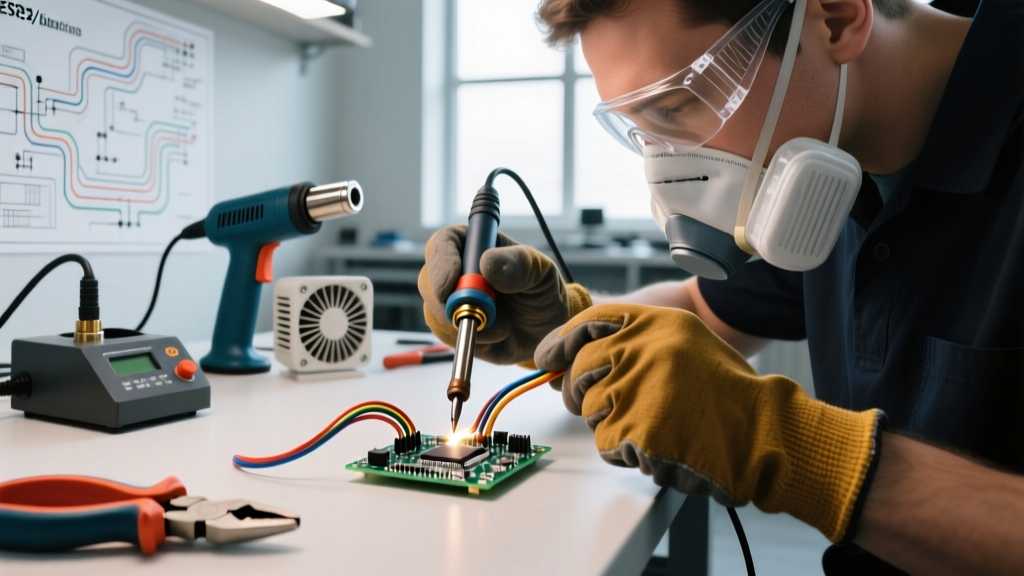
Heating galvanized steel releases zinc oxide particulates. Inhalation of these fumes causes Metal Fume Fever, an acute occupational illness characterized by chills, fever, muscle aches, and respiratory distress, typically manifesting 4 to 10 hours after exposure. According to the CDC NIOSH guidelines on welding and thermal cutting fumes, there is no safe level of zinc oxide inhalation without proper engineering controls.
Under OSHA Standard 1910.252(c)(8), employers must provide Local Exhaust Ventilation (LEV) or mandate the use of Powered Air Purifying Respirators (PAPR) equipped with P100 particulate filters and acid gas cartridges when soldering or welding galvanized substrates in confined or poorly ventilated spaces. In 2026, the standard for indoor HVAC fabrication shops includes articulating fume extractor arms positioned within 6 inches of the solder joint, maintaining a capture velocity of at least 100 feet per minute.
Troubleshooting Edge Cases in the Field
Failure Mode 1: Solder "Balling" and Refusal to Wet
Cause: The zinc oxide layer was not fully reduced, or the base metal temperature is below the solder's liquidus point, causing the flux to burn off before the filler can flow.
Solution: Allow the joint to cool, re-brush with a stainless wire brush, reapply fresh flux, and increase the thermal mass of your heat source. Switch from a standard chisel tip to a high-capacity soldering copper or a multi-orifice torch tip.
Failure Mode 2: Post-Solder "Frosting" (White Powder)
Cause: Incomplete neutralization of the zinc chloride flux. The white powder is zinc hydroxide and zinc carbonate forming as the residual acid attacks the surrounding galvanization.
Solution: Aggressively scrub the joint with a 50/50 white vinegar and water solution to dissolve the alkaline salts, followed by a baking soda wash to neutralize any remaining acid, and a final distilled water rinse.
Failure Mode 3: Joint Porosity and Pinholes
Cause: Trapped flux outgassing or moisture vaporization under the solder cap. This is common in lap joints where flux gets trapped between the overlapping sheets.
Solution: Apply flux only to the outer edges of the lap joint, relying on capillary action to draw the solder inward. Ensure the steel is bone-dry before flux application; even ambient humidity trapped in micro-scratches can cause outgassing at 400°F.
Summary for Fabricators
Soldering galvanized steel remains a vital skill in the sheet metal and HVAC trades, bridging the gap between mechanical fastening and full fusion welding. By respecting the thermal limits of the zinc coating, utilizing aggressive zinc-chloride fluxes, and strictly enforcing OSHA-compliant fume extraction protocols, technicians can produce joints that are both hermetically sealed and structurally enduring. Always prioritize neutralization to ensure the longevity of the galvanized corrosion barrier.