
The Definitive Guide to Soldering Acid Material Compatibility
In the soldering world, few terms cause as much confusion—and catastrophic damage—as soldering acid. While electronics engineers might use the term 'acid flux' to describe mildly activated rosin (RMA), in plumbing, HVAC, and heavy metalwork, soldering acid refers to highly corrosive inorganic acid fluxes primarily composed of zinc chloride (ZnCl2) and ammonium chloride.
Using the wrong flux on the wrong material doesn't just result in a weak joint; it guarantees long-term structural failure, galvanic corrosion, or the immediate destruction of delicate circuitry. As of 2026, with stricter VOC regulations pushing the market toward low-VOC paste formulations over traditional liquid acids, understanding exactly which metals can withstand the aggressive oxide-stripping action of zinc chloride is more critical than ever.
The Chemistry of Soldering Acid: How It Works
To understand material compatibility, you must understand the chemical mechanism. According to chemical safety data and metallurgical guidelines, zinc chloride acts as a Lewis acid. When heated to soldering temperatures (typically 600°F to 800°F), it reacts with heavy metal oxides to form a soluble complex salt that is displaced by the molten solder.
Expert Insight: Unlike rosin fluxes that merely shield the joint from oxygen, inorganic acid fluxes actively etch the base metal. This is why it bonds beautifully to heavily oxidized steel but will literally eat through the microscopic copper traces on a printed circuit board (PCB).
Material Compatibility Matrix
Below is the definitive compatibility chart for using zinc chloride-based soldering acid across various common metals. Always cross-reference your base material before applying heat.
| Base Material | Acid Flux Compatibility | Risk Level | Recommended Alternative |
|---|---|---|---|
| Copper (Plumbing/Roofing) | Excellent | Low (if cleaned) | Tinning flux (for large pipes) |
| Galvanized Steel | Excellent (Required) | Low | None (Acid is mandatory) |
| Brass & Bronze | Good | Medium | Phosphoric acid paste |
| Nickel & Monel | Good | Medium | Specialty nickel flux |
| PCBs / FR4 Fiberglass | NEVER USE | Catastrophic | Rosin (R/RA) or No-Clean |
| Fine Gauge Electronics Wire | NEVER USE | Catastrophic | Water-soluble organic acid |
| Aluminum | Poor / Ineffective | High (Corrosion) | Fluoroborate aluminum flux |
| Stainless Steel | Poor | High | High-activity zinc-chloride/HCl mix |
| Silver / Gold Jewelry | NEVER USE | Catastrophic | Prip's flux or borax |
The 'Safe' List: Where Soldering Acid Excels
1. Galvanized Steel and Iron
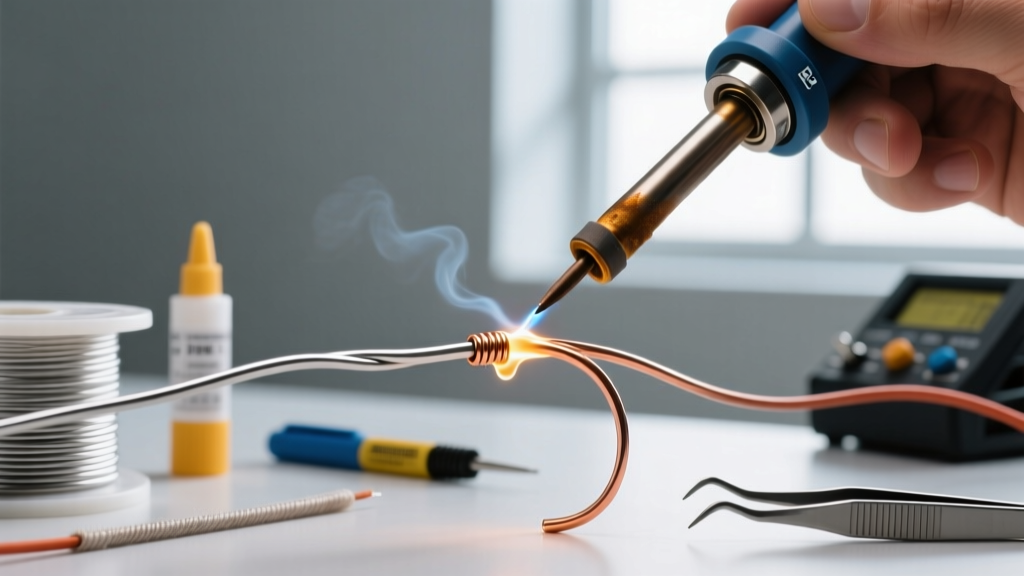
Galvanized steel is coated in a layer of zinc to prevent rust. Standard rosin fluxes cannot penetrate this coating. Soldering acid is mandatory here because the zinc chloride chemically bites through the galvanized layer, allowing tin-lead or lead-free plumbing solder to form a metallurgical bond. Use case: HVAC duct sealing, automotive radiator repair, and structural metal roofing.
2. Heavy-Gauge Copper and Brass
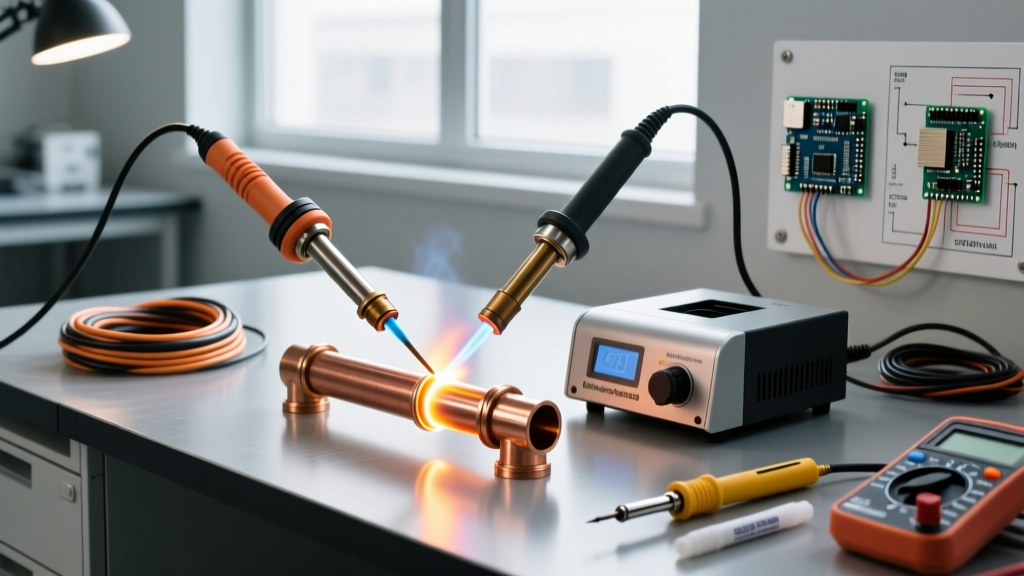
While plumbing copper can often be soldered with standard tinning fluxes, heavily oxidized or outdoor architectural copper requires the aggressive cleaning power of acid flux. The Copper Development Association notes that proper fluxing is essential for capillary action in large-diameter pipes. Acid flux ensures the oxide layer is completely eradicated before the solder flows.
3. Nickel Alloys
Nickel oxidizes rapidly under a soldering iron's heat. A high-quality zinc chloride paste will strip this oxide layer instantly, allowing for strong mechanical joints in battery pack manufacturing (specifically older NiCd/NiMH tab welding/soldering) and heavy-duty electrical contacts.
The Danger Zone: Materials to Keep Away
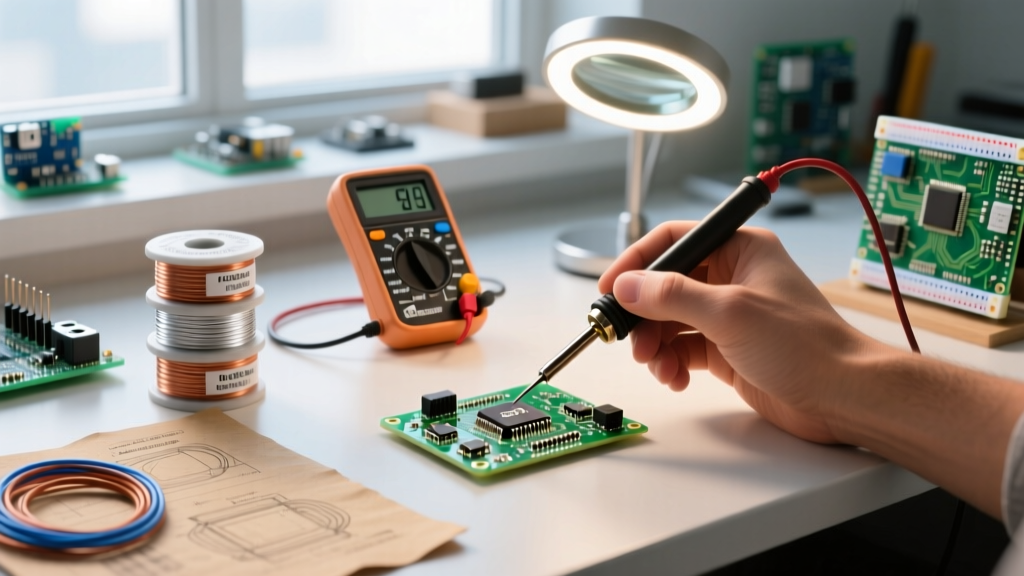
Printed Circuit Boards (PCBs) and Electronics
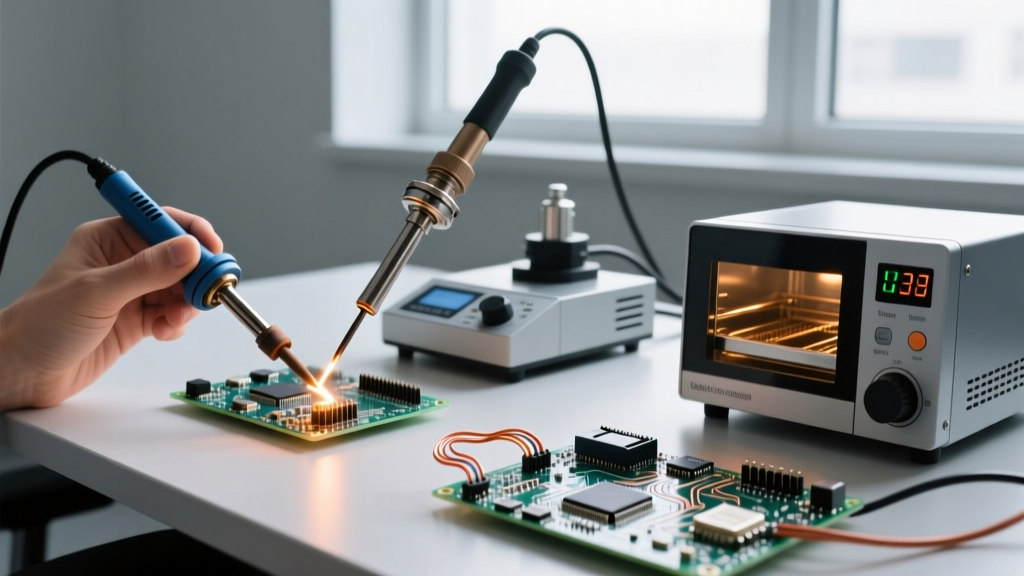
Under the IPC-J-STD-004B standard for soldering fluxes, inorganic acids are strictly prohibited for PCB assembly. The chloride ions left behind by zinc chloride flux are highly hygroscopic (they absorb moisture from the air). This creates a conductive electrolyte solution on the board, leading to dendritic growth and electromigration. This will short-circuit your device, often weeks after assembly, as the acid literally eats the copper traces.
Aluminum
A common beginner mistake is using soldering acid on aluminum. Aluminum forms an oxide layer (Al2O3) that is impervious to zinc chloride. Attempting to solder aluminum with acid flux will result in the solder balling up and rolling off, while the acid aggressively pits the surrounding metal. You must use specialized fluoroborate-based aluminum fluxes.
Post-Soldering Neutralization Protocol
Because soldering acid does not evaporate or become inert upon cooling (unlike rosin), it must be neutralized. Leaving zinc chloride residue on a metal joint guarantees that the joint will corrode and fail within months.
Step-by-Step Neutralization Guide
- Cool the Joint: Allow the soldered metal to drop below 150°F. Quenching hot metal in water can cause micro-fractures in the solder joint.
- Mix the Neutralizer: Create a solution of Sodium Bicarbonate (baking soda) and warm water. The ideal ratio is 15 grams of baking soda per 250ml (1 cup) of water.
- Scrub: Use a stiff nylon or brass wire brush dipped in the solution to aggressively scrub the joint. You will see effervescence (bubbling) as the base neutralizes the acid.
- Rinse and Dry: Rinse thoroughly with distilled water to remove the resulting zinc salts, then dry immediately with compressed air or a heat gun to prevent flash rusting.
2026 Buyer's Guide: Top Soldering Acid Products
Due to environmental regulations, liquid acid fluxes have largely been replaced by heavy-duty pastes that offer better adhesion and lower VOC emissions. Here are the top-rated acid fluxes for metalwork in 2026:
- La-Co Rubyfluid Paste (2 oz jar): The undisputed industry standard for plumbing and HVAC. Priced around $9.50 - $11.00, this zinc chloride paste stays exactly where you put it, making it ideal for vertical pipe joints. It contains a built-in solder wetting agent that promotes incredible capillary flow.
- Superior Flux #130 (4 oz jar): A heavy-duty, high-activity zinc chloride paste designed specifically for galvanized steel and Monel. Priced around $14.00 - $16.00, it operates effectively at slightly lower temperatures than Rubyfluid, making it a favorite for sheet metal workers using propane torches.
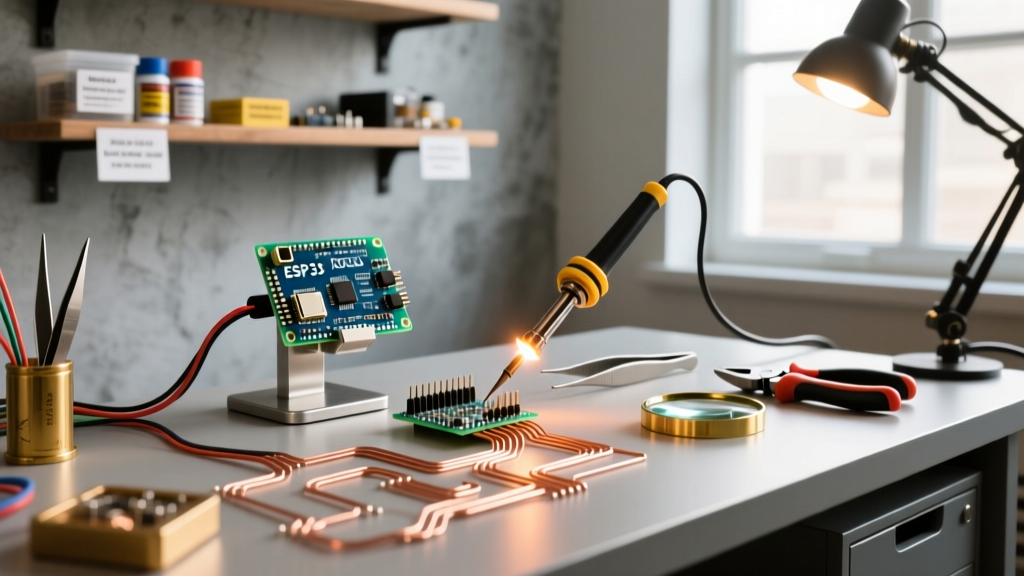
- Kester Acid-Core Solder Wire (Warning): Kester manufactures solder wire with an acid flux core (typically 2% flux by weight). While excellent for quick plumbing repairs, never use acid-core wire for electronics. It is virtually impossible to clean the flux out from under the insulation of stranded wire, leading to guaranteed wire rot.
Frequently Asked Questions (FAQ)
Can I use vinegar to clean up soldering acid?
No. Vinegar is acetic acid. Adding acid to acid will not neutralize the zinc chloride. You must use an alkaline base, such as sodium bicarbonate (baking soda) or a commercial alkaline flux cleaner, to halt the corrosive action.
Why does my solder ball up and refuse to stick to galvanized steel?
This usually happens for two reasons: either the galvanized zinc coating has been completely burned off by excessive torch heat (leaving bare, oxidized steel), or you are using a rosin-based flux instead of a zinc chloride soldering acid. Remove the heat, wire brush the area, apply a fresh layer of acid paste, and reheat.
Is 'organic acid' (OA) flux the same as soldering acid?
No. Organic Acid (OA) fluxes use mild organic compounds like lactic or stearic acid. They are water-soluble and commonly used in some wave-soldering electronics processes (provided they are washed off). 'Soldering acid' in a hardware context always refers to highly corrosive inorganic mineral acids (zinc chloride).