
The Fundamentals of Metal Soldering
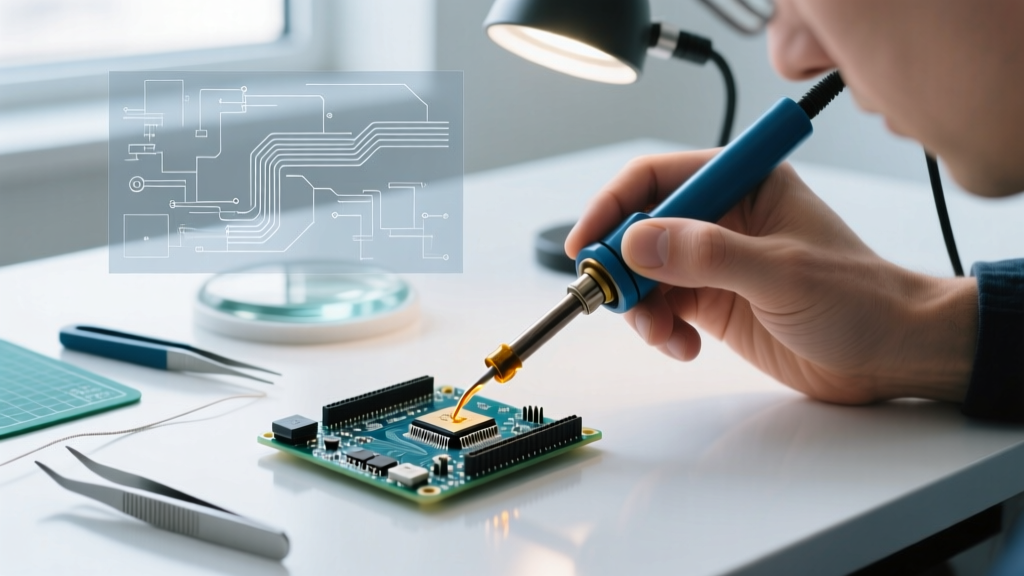
Metal soldering is a metallurgical joining process where a filler metal (solder) is melted to bond two or more base metals without melting the base materials themselves. Unlike welding, which fuses the parent metals, or brazing, which operates above 450°C (842°F), soldering occurs at lower temperatures, relying on capillary action and intermetallic compound (IMC) formation to create a joint. As of 2026, the discipline has evolved significantly, driven by stringent RoHS (Restriction of Hazardous Substances) compliance and the demand for high-reliability electronics in automotive and aerospace sectors.
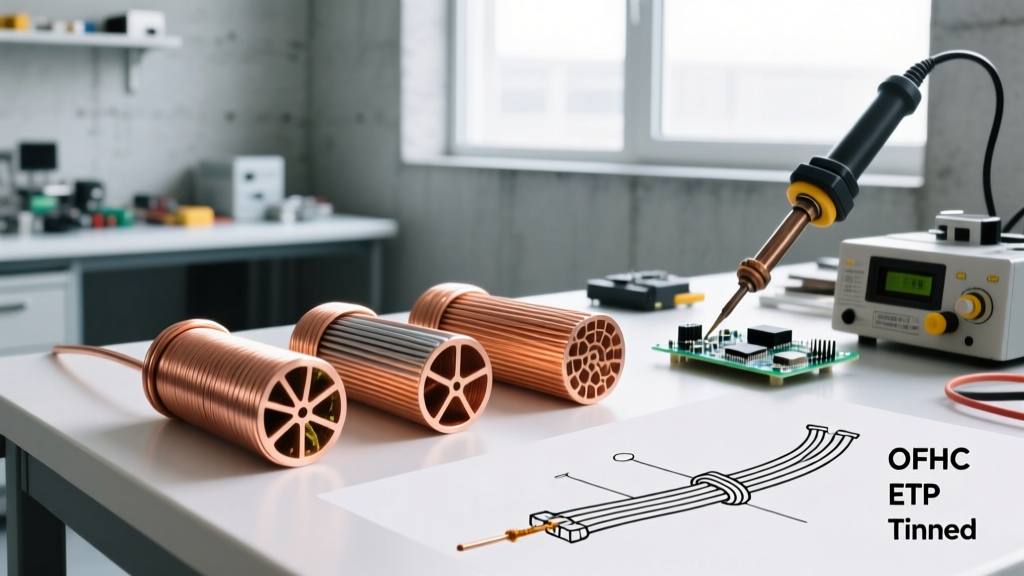
Whether you are assembling fine-pitch surface-mount devices (SMDs) or terminating heavy-gauge copper wiring, success hinges on three variables: alloy selection, flux chemistry, and thermal management. This guide dissects each element to provide actionable, professional-grade insights.
The Metallurgy of Solder Alloys
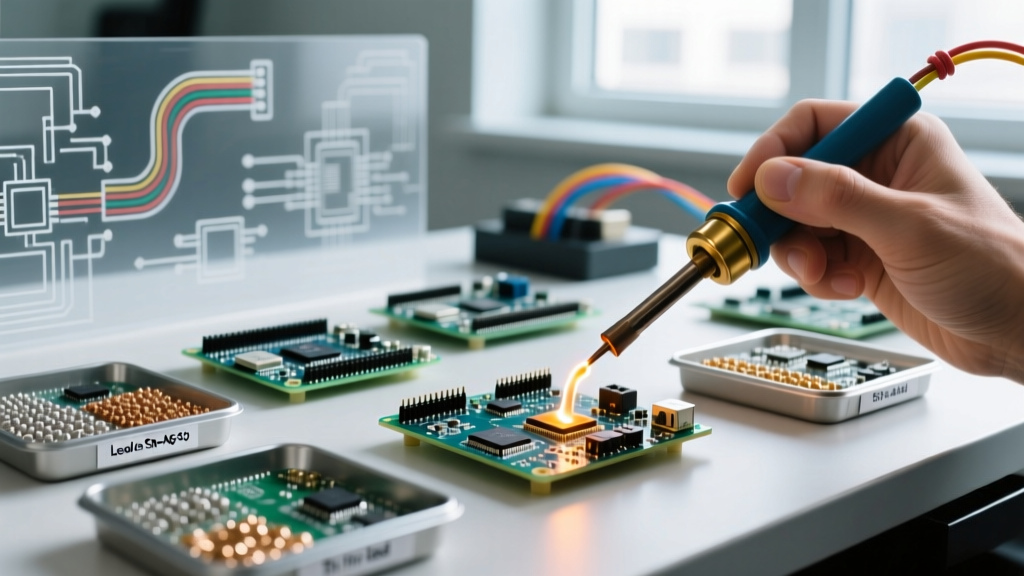
Choosing the correct solder wire or paste is the first critical decision. The alloy dictates the melting point, mechanical strength, and thermal fatigue resistance of the joint. Below is a comparison of the most prevalent alloys used in modern electronics and electrical work.
| Alloy Composition | Melting Point | Tensile Strength | Approx. Cost (2026) | Primary Application |
|---|---|---|---|---|
| Sn63/Pb37 (Leaded) | 183°C (361°F) Eutectic | 7,500 psi | $35 - $45 / lb | Prototyping, aerospace, repair |
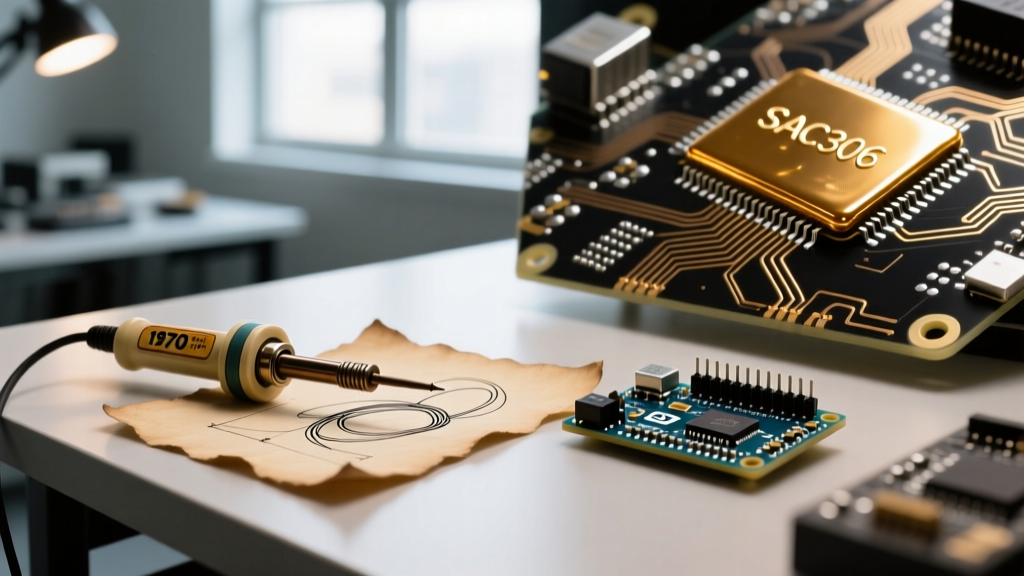
| SAC305 (96.5Sn/3.0Ag/0.5Cu) | 217°C (423°F) | 8,800 psi | $50 - $65 / lb | Commercial SMT, RoHS compliance |
| SN100C (99.3Sn/0.7Cu/Ni) | 227°C (441°F) | 7,900 psi | $40 - $55 / lb | Wave soldering, heavy wiring |
| Sn42/Bi58 (Bismuth) | 138°C (280°F) | 6,200 psi | $80 - $100 / lb | Low-temp, heat-sensitive components |
Understanding Eutectic vs. Non-Eutectic Alloys
Sn63/Pb37 is a eutectic alloy, meaning it transitions instantly from solid to liquid at a single temperature (183°C). This eliminates the "plastic" or "pasty" phase, drastically reducing the risk of disturbing the joint during cooling—a primary cause of micro-cracking. Conversely, SAC305 is non-eutectic. It has a solidus of 217°C and a liquidus of 220°C. This narrow pasty range requires strict thermal profiling to prevent grainy, disturbed joints.
Flux Chemistry: The Unsung Hero of Wetting
Solder will not bond to oxidized metal. Flux is a chemical cleaning agent that removes oxides and prevents re-oxidation during heating. According to the IPC J-STD-001 standard, flux selection must align with the cleaning capabilities of the assembly process.
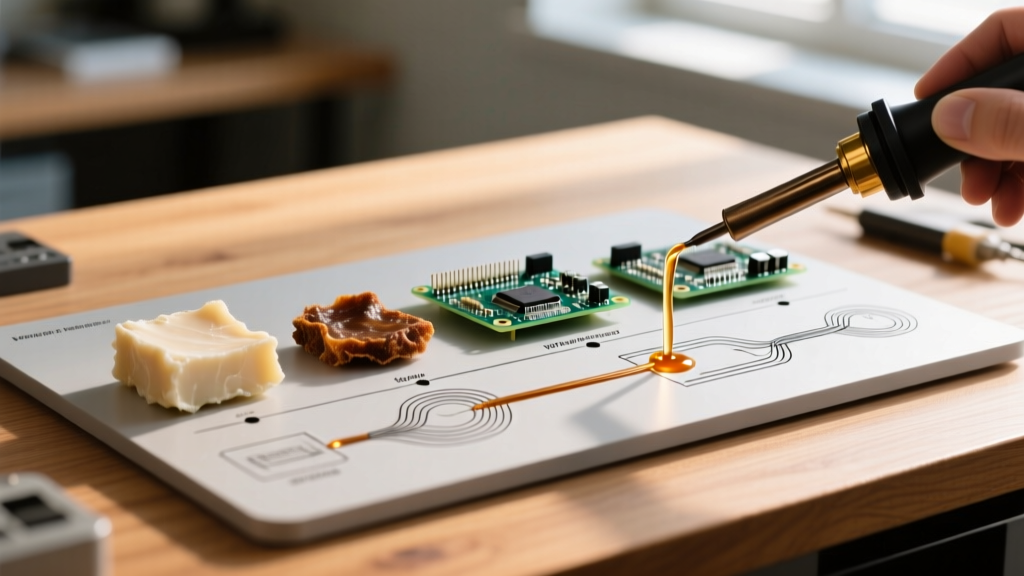
- Rosin (R, RMA, RA): Derived from pine sap. RMA (Rosin Mildly Activated) is the industry standard for general electronics (e.g., Kester 44). It leaves a benign, non-conductive residue that can be left on the board, though it is often cleaned with isopropyl alcohol for aesthetic or conformal coating purposes.
- Water-Soluble (OA - Organic Acid): Highly active and aggressive. Excellent for heavily oxidized chassis grounds or thick copper wire. Warning: The residue is highly corrosive and conductive; it must be cleaned with deionized water immediately after soldering.
- No-Clean: Formulated with synthetic resins that leave a minimal, clear, and electrically safe residue. Ideal for high-volume SMT and BGA rework where washing is impractical. However, the flux activates at higher temperatures, requiring precise heat application to avoid burning the flux before the solder flows.
Tooling and Thermal Management
A common misconception is that higher iron temperatures yield faster soldering. In reality, excessive heat burns flux, oxidizes tips, and delaminates PCB pads. The goal is rapid thermal transfer, which is achieved through proper tip geometry and high-wattage recovery, not extreme temperature settings.
2026 Soldering Station Recommendations
- Entry-Level / Hobbyist: Weller WE1010NA (~$115). Features a 70W iron with digital temp control. Excellent for through-hole and basic SMD work.
- Professional / Rework: Hakko FX-951 (~$245). Utilizes composite tips with embedded heaters, delivering 75W of rapid thermal recovery. The T18-D24 (2.4mm chisel) tip is a workhorse for 0805 and 0603 components.
- High-Volume / Heavy Thermal Mass: JBC CD-2BQE (~$450). Offers 130W and proprietary tip cartridges that heat up in under 2 seconds. Essential for soldering to large ground planes or 10 AWG copper wires.
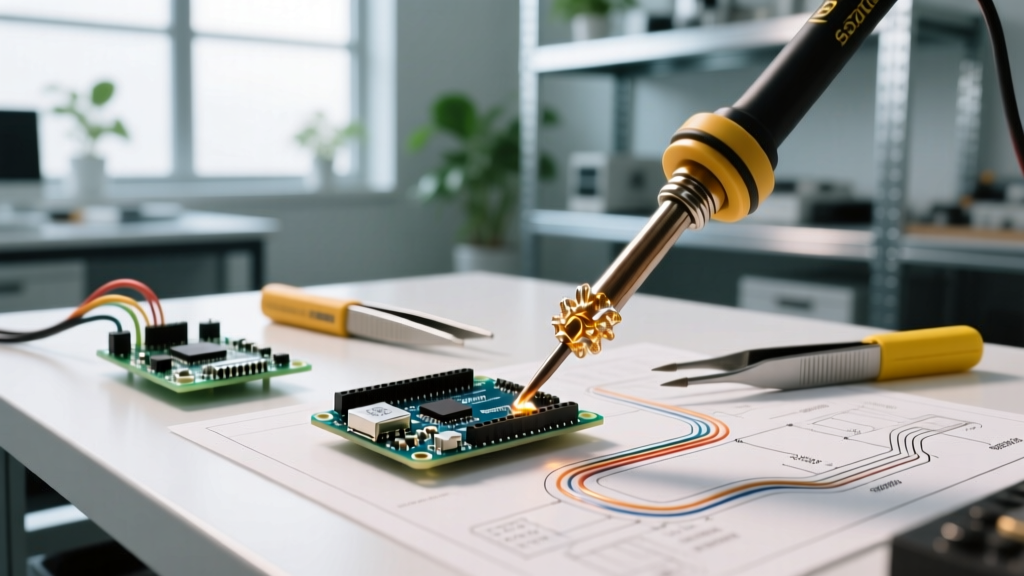
Expert Insight on Tip Geometry: Never use a fine conical tip for general soldering. The surface area is too small to transfer heat efficiently. A chisel or bevel tip maximizes contact area, allowing you to run the station at a lower temperature (e.g., 320°C for leaded, 350°C for SAC305) while achieving faster wetting times.
Execution: The 5-Step Soldering Sequence
To achieve a reliable intermetallic bond, follow this strict sequence for hand-soldering through-hole and wire connections:
- Mechanical Preparation: Strip wire to the exact depth of the terminal. Clean pads with a fiberglass scratch pen or isopropyl alcohol to remove organic contaminants.
- Tinning: Apply a small amount of fresh solder to the iron tip to create a thermal bridge. Simultaneously touch the tip to both the pad and the lead.
- Heat Transfer: Hold for 1 to 2 seconds. You are heating the workpiece, not melting the solder on the iron.
- Feed Solder: Apply solder wire to the joint, not the iron tip. Once the joint reaches the alloy's liquidus temperature, the solder will flash and flow via capillary action.
- Withdrawal: Remove the solder wire first, then the iron. Hold the joint completely still until the solder solidifies (1-3 seconds).
Troubleshooting Common Failure Modes
Identifying defects early prevents field failures. Refer to OSHA guidelines for safe handling when reworking leaded joints that generate toxic dust or fumes.
1. Cold Joints
Symptom: Dull, grainy, or lumpy appearance. The solder forms a ball rather than a smooth fillet.
Cause: Insufficient heat transfer to the base metal. The flux activated, but the metal never reached the solder's liquidus temperature.
Correction: Increase contact area (switch to a chisel tip), verify tip tinning, and ensure you are heating the pad and lead simultaneously.
2. Dewetting and Non-Wetting
Symptom: Solder pulls back from the edges of the pad, exposing the base metal (dewetting), or refuses to adhere entirely (non-wetting).
Cause: Severe oxidation on the base metal, or flux exhaustion due to prolonged heating.
Correction: Clean the surface mechanically. Apply additional liquid flux (e.g., Amtech tacky flux) before reapplying heat.
3. Pad Lift and Delamination
Symptom: The copper pad separates from the FR4 fiberglass substrate.
Cause: Iron temperature set too high (e.g., >400°C) or dwell time exceeding 5 seconds.
Correction: Lower the station temperature, use a larger tip for faster heat transfer, and allow the board to cool between adjacent pin soldering.
Safety and Environmental Compliance
Soldering generates particulate matter and volatile organic compounds (VOCs) from vaporized flux. Prolonged exposure to rosin fumes can cause occupational asthma. Always utilize a localized fume extraction system equipped with HEPA and activated carbon filters, such as the BOFA AD Oracle or Hakko FA-400. Furthermore, if working with Sn63/Pb37, strict hygiene protocols must be observed to prevent lead ingestion; never eat or drink at the soldering bench, and wash hands thoroughly with cold water and heavy-duty soap post-operation.
Conclusion
Mastering metal soldering requires moving beyond simple "melting and sticking." By understanding the metallurgical properties of your chosen alloy, matching the flux chemistry to your cleaning process, and optimizing thermal transfer through proper tooling, you can consistently produce joints that meet rigorous IPC Class 2 and Class 3 reliability standards.