
Defining the Modern Iron Soldering Machine in 2026
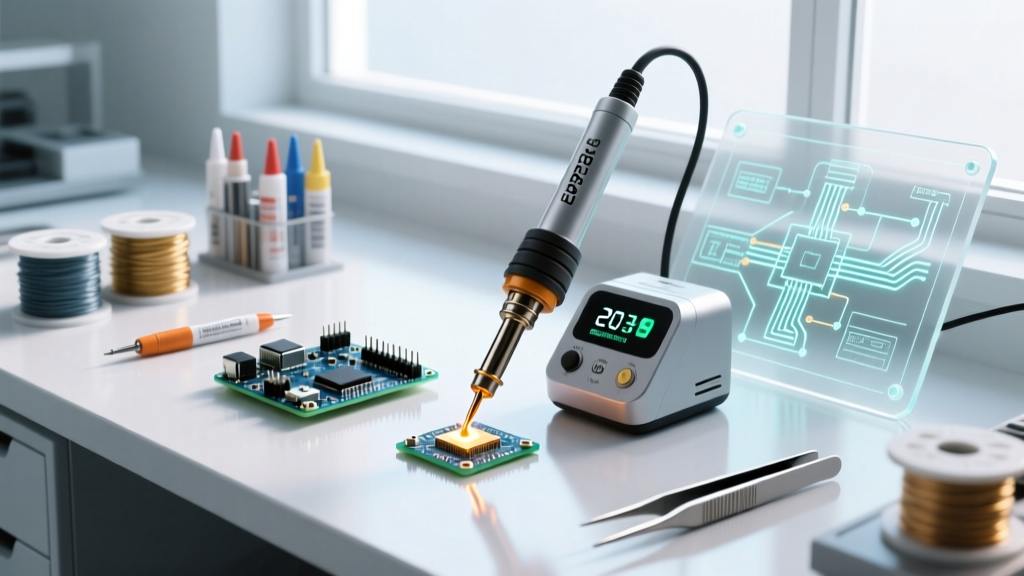
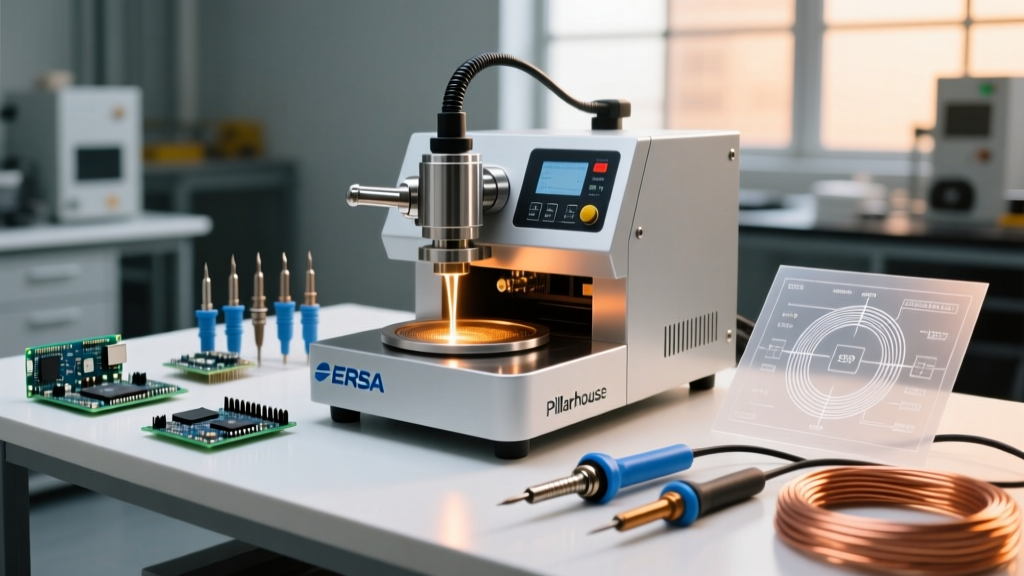
When professionals refer to an iron soldering machine today, they are rarely talking about a simple resistive heating wand. In 2026, this term encompasses advanced, closed-loop thermal recovery stations—such as the JBC CD-2BQF (retailing around $650) or the Weller WX2 (approximately $1,100). These machines utilize active-tip technology where the heater and thermocouple are embedded millimeters from the soldering edge, delivering 130W+ of instantaneous power and achieving thermal recovery in under two seconds. However, even the most sophisticated iron soldering machine is bound by the laws of metallurgy. Material compatibility dictates whether you achieve a robust intermetallic compound (IMC) bond or a catastrophic cold joint.
The Metallurgy of Wetting: Why Base Material Matters
Soldering is not merely "gluing" metals together with molten alloy; it is a metallurgical process where the molten solder dissolves a microscopic layer of the base metal to form an intermetallic layer (typically Cu6Sn5 and Cu3Sn when working with copper). If the base material oxidizes faster than the flux can clean it, or if the material is inherently non-solderable (like raw aluminum), the iron soldering machine's thermal energy becomes useless. According to the IPC J-STD-001 standard, proper wetting requires a clean, oxide-free surface and precise thermal profiling to ensure the flux activates before the solder oxidizes.
Comprehensive Material Compatibility Matrix
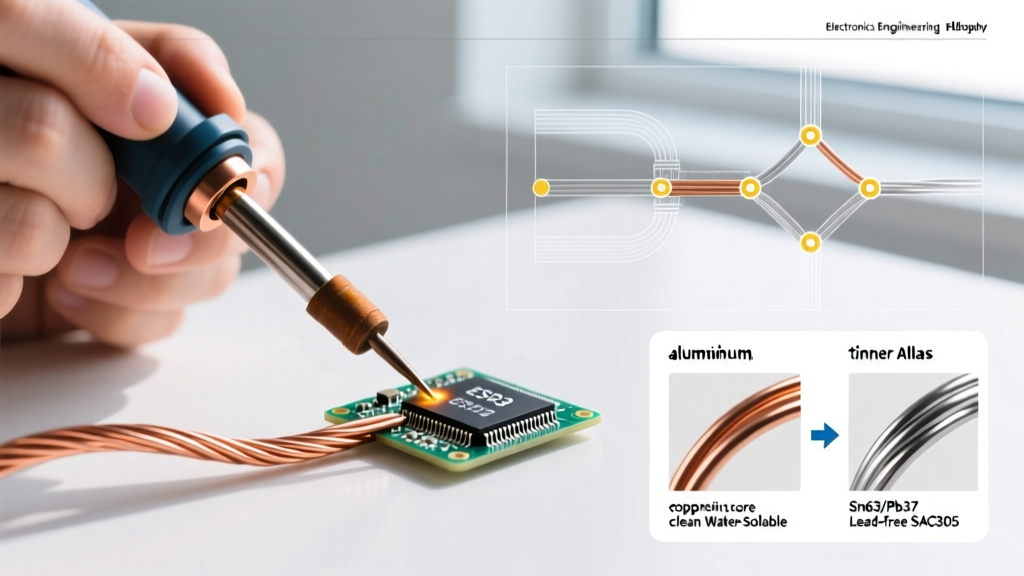
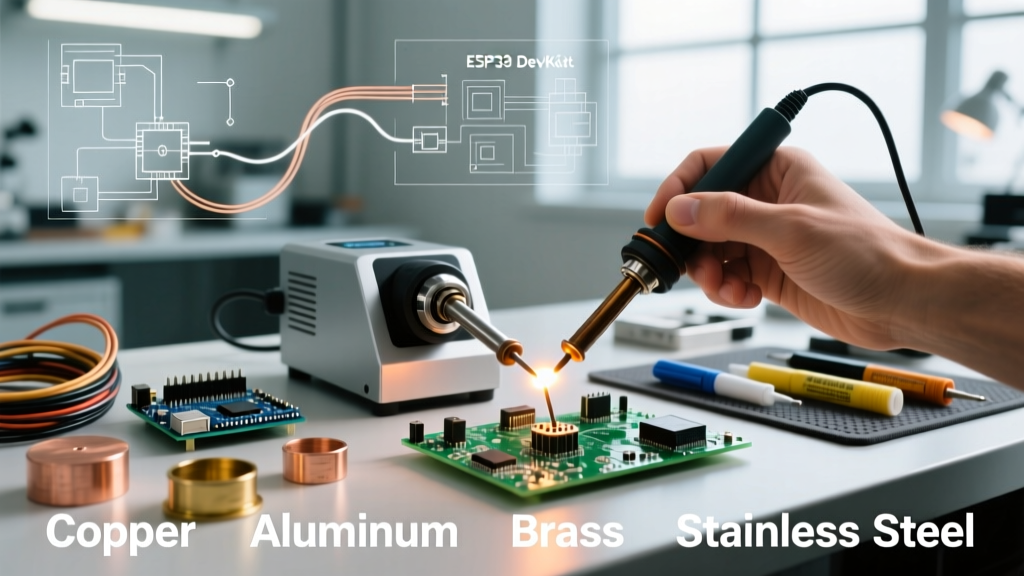
The following matrix outlines how different base metals interact with standard SAC305 (Tin-Silver-Copper) and Sn63/Pb37 (Tin-Lead) alloys when using a high-performance iron soldering machine.
| Base Metal | Solderability | Required Flux Type | Target Tip Temp (SAC305) | Failure Modes & Edge Cases |
|---|---|---|---|---|
| Bare Copper | Excellent | ROL0 / No-Clean | 300°C - 320°C | Copper leaching if dwell time >3s. |
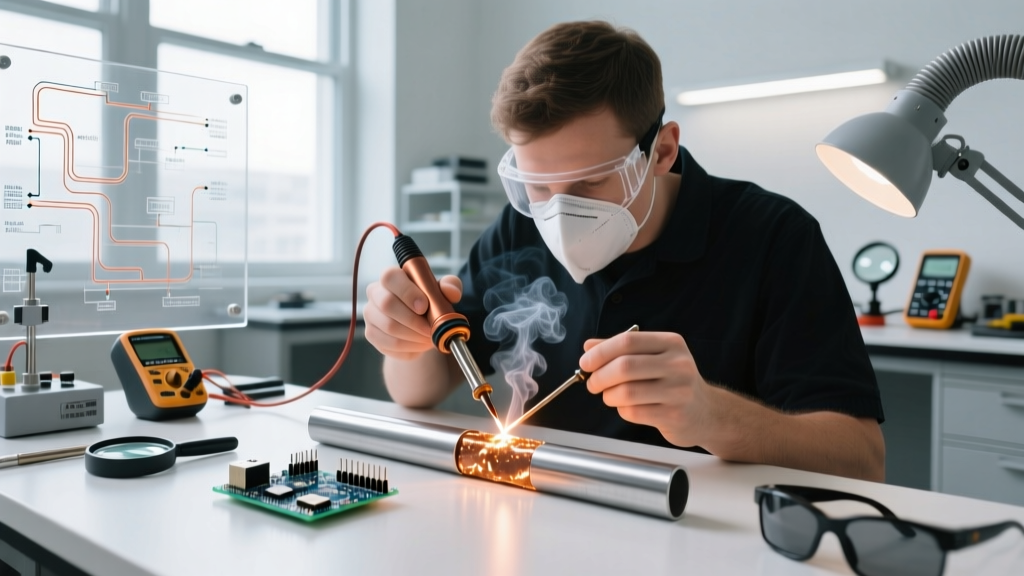
| Brass (Cu-Zn) | Good | ROL1 / RMA | 320°C - 340°C | Zinc outgassing causes blowholes; requires ventilation. |
| Nickel / Kovar | Fair to Poor | REL1 / Mild Acid | 350°C - 380°C | Slow wetting; requires aggressive activation. |
| Silver / Palladium | Excellent | ROL0 / No-Clean | 280°C - 300°C | Silver leaching (dissolution) if using Sn-Pb without Ag. |
| Stainless Steel | Very Poor | High-Acid (Non-Electronic) | 380°C - 420°C | Chromium oxide layer resists standard rosin fluxes. |
| Aluminum | Non-Solderable | Specialty Fluoride | 400°C+ (or Ultrasonic) | Instant Al2O3 reformation; requires mechanical abrasion. |
Flux Chemistry and Material Pairing
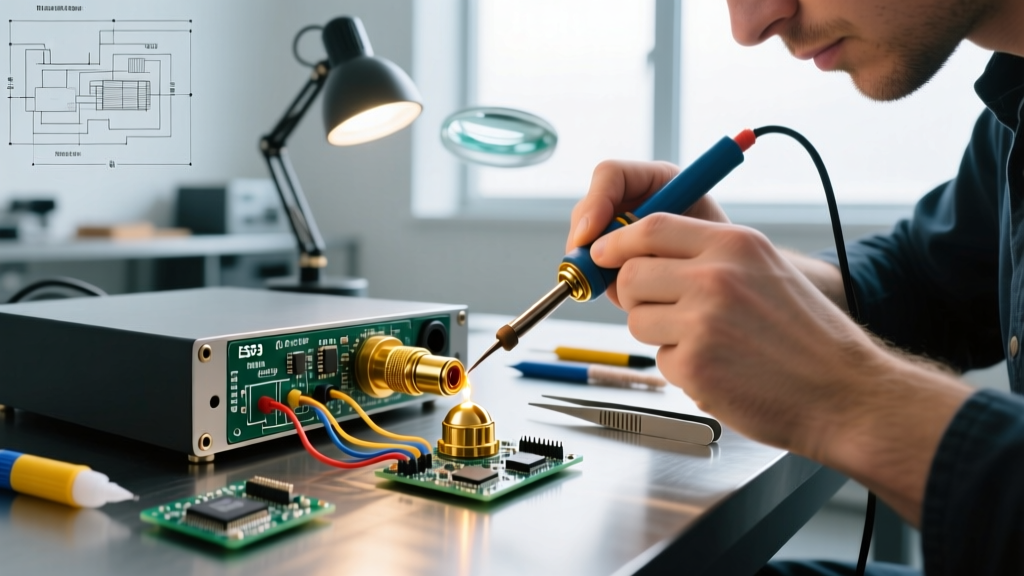
The most common mistake operators make with an iron soldering machine is relying on the machine's thermal brute force to overcome poor flux chemistry. Flux is the chemical key to material compatibility.
1. Rosin-Based (R, RMA, RA)
Standard for copper, silver, and gold. RMA (Rosin Mildly Activated) contains mild halides or organic acids (like adipic acid) that strip light oxidation. For highly sensitive aerospace applications, ROL0 (Rosin, Zero Halide) is mandated to prevent long-term electrochemical migration.
2. Water-Soluble / Organic Acid (OA)
Required for heavily oxidized brass, nickel, or beryllium copper. OA fluxes contain aggressive activators that etch the surface. Warning: OA flux residues are highly corrosive and must be cleaned with deionized water immediately post-soldering to prevent dendritic growth.
3. Highly Active Acid (Zinc Chloride)
Used strictly for structural metals like stainless steel, galvanized steel, or cast iron. Never use this on printed circuit boards (PCBs). The halide content will cause catastrophic galvanic corrosion within weeks.
Expert Insight: When transitioning from Sn63/Pb37 to lead-free SAC305, you must increase your iron soldering machine's setpoint by roughly 40°C-50°C. SAC305 melts at 217°C (compared to 183°C for eutectic tin-lead), and its higher surface tension requires more thermal energy to achieve the same wetting angle on copper pads.
Tip Plating Dynamics: Protecting Your Iron
Material compatibility is a two-way street: the base metal and flux also interact with your soldering tip. Modern tips feature a copper core plated with a micro-layer of iron (typically 15 to 50 microns thick) to prevent the molten solder from dissolving the copper core.
- Copper Leaching: Lead-free alloys like SAC305 are highly aggressive and dissolve iron plating 2 to 3 times faster than tin-lead. If you are soldering large copper ground planes, use a chisel tip with heavy iron plating (e.g., Hakko T18-D52 or JBC C115-112) to extend tip life.
- Halide Pitting: Using water-soluble or high-acid fluxes on nickel or stainless steel will rapidly pit the iron plating, exposing the copper core and destroying the tip in a matter of hours.
- Thermal Shock: Cranking a cold iron soldering machine to 420°C to solder stainless steel causes micro-fractures in the iron plating. Always utilize the machine's standby/sleep features to ramp temperatures gradually.
Edge Cases: Soldering the "Un-Solderables"
What happens when your project requires joining aluminum or cast iron? Standard iron soldering machines fall short because the oxide layers (Al2O3 or Fe2O3) reform in milliseconds, even under a blanket of molten flux.
The Ultrasonic Solution
For aluminum, thermal energy alone is insufficient. You must use an ultrasonic soldering iron, which vibrates at 20kHz to 60kHz. This cavitation literally shatters the aluminum oxide layer beneath the molten solder puddle, allowing the tin to alloy directly with the raw aluminum. As noted in metallurgical studies by Indium Corporation, specialty alloys containing titanium or rare-earth elements are often required to maintain a stable bond on aluminum substrates without continuous ultrasonic agitation.
Troubleshooting Material-Specific Failures
Even with the correct machine settings, material incompatibilities manifest in distinct visual failures:
- Dewetting: The solder initially wets the surface but then pulls back into islands, leaving exposed base metal. Cause: The base metal (often nickel or palladium) is dissolving into the solder too quickly, or the flux exhausted before the joint reached thermal equilibrium.
- Non-Wetting: The solder balls up and refuses to adhere, yielding a high contact angle (>90°). Cause: Severe oxidation or incompatible base metal (e.g., trying to use RMA flux on stainless steel).
- Blowholes / Outgassing: Pinholes in the solder fillet. Cause: Soldering brass or zinc-alloy die-casts at temperatures exceeding 360°C, causing subsurface zinc or moisture to vaporize and escape through the molten solder.
Summary Checklist for Operators
Before powering on your iron soldering machine, run through this material compatibility checklist:
- Identify the exact base metal (do not assume all silver-colored metals are nickel or silver).
- Select the appropriate flux chemistry (No-Clean for Cu/Ag, OA for Ni/Brass, Acid for structural steel).
- Verify the melting point of your chosen solder alloy and set the machine 80°C-120°C above that baseline.
- Choose a tip geometry that maximizes surface contact without exceeding the thermal mass limits of the joint.
Mastering material compatibility transforms your iron soldering machine from a simple heat source into a precision metallurgical tool, ensuring joints that meet stringent SMTA reliability standards for years to come.