
Mastering the Bernzomatic Soldering Pen: Diagnostic & Troubleshooting Guide
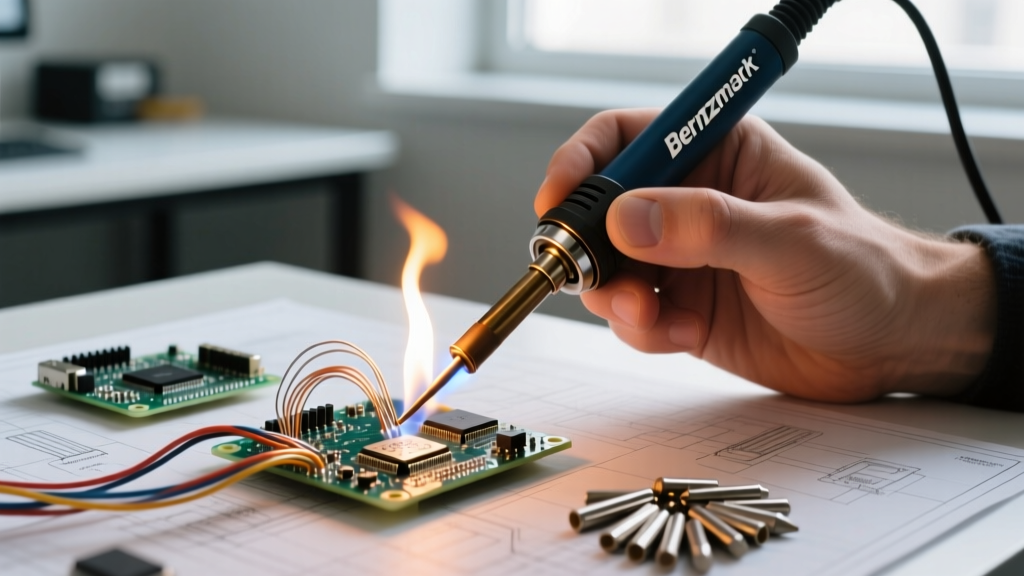
Butane-powered soldering pens, particularly the highly popular Bernzomatic ST2200T and similar cordless models, are indispensable for field technicians, HVAC repairmen, and DIY electronics enthusiasts. By leveraging a catalytic tip heated by a controlled butane flame, these tools deliver up to 1050°F (565°C) without a power cord. However, pneumatic fuel systems and catalytic meshes introduce unique failure modes that standard electric soldering irons simply do not experience.
Whether your pen is sputtering, refusing to ignite, or oxidizing tips within minutes, this 2026 comprehensive troubleshooting guide addresses the most frequent Bernzomatic soldering pen issues with actionable, field-tested solutions.
Quick Diagnostic Matrix: Symptoms and Solutions
Before dismantling your tool, cross-reference your specific symptom with this diagnostic table to identify the most probable root cause.
| Symptom | Root Cause | Actionable Fix |
|---|---|---|
| Clicks but won't ignite | Piezo sparker gap misaligned or oxidized | Adjust spark wire to exactly 1/8-inch from burner mesh |
| Flame sputters or surges | Vapor lock or low-quality butane fuel | Purge tank completely and refill with 5x refined n-butane |
| Tip turns black instantly | Excessive heat or lack of flux tinning | Reduce gas flow; apply rosin flux before heating |
| Pen hisses continuously | Debris in the gas flow valve or O-ring failure | Blow out valve with compressed air; replace base O-ring |
| Tool won't work at altitude | Lower atmospheric pressure affects fuel vaporization | Open gas flow valve 25% wider to compensate for thin air |
Ignition System Failures: The Piezo Sparker
The most common complaint with any Bernzomatic butane pen is a failure to ignite despite hearing the distinct 'click' of the piezo electric igniter. The piezo crystal generates a high-voltage spark, but if the physical parameters are off by a millimeter, ignition fails.
Adjusting the Spark Gap
Locate the small metal wire protruding near the brass burner mesh at the base of the catalytic tip. Over time, thermal expansion and accidental drops bend this wire. Using a pair of ceramic-tipped tweezers or needle-nose pliers, gently bend the wire so the tip is exactly 1/8-inch (3mm) away from the metal mesh. If the gap is too wide, the spark lacks the voltage to bridge it; if it is touching the mesh, the current grounds out without creating an arc.
Cleaning Oxidized Electrodes
If the gap is correct but the spark is weak or yellow instead of bright blue, the wire tip is oxidized. Lightly sand the very tip of the spark wire with 600-grit sandpaper or a fiberglass scratch pen to expose fresh metal. Wipe away any dust with isopropyl alcohol before attempting to ignite.
The Purge Protocol: Solving Vapor Lock and Sputtering
Butane soldering pens do not just hold liquid fuel; they rely on a precise balance of liquid and vapor pressure. According to the NIOSH Pocket Guide to Chemical Hazards, n-butane vapor pressure fluctuates significantly with ambient temperature. If air enters the tank during refilling, or if cheap fuel containing heavy hydrocarbons (like propane or isobutane blends) is used, the pen will suffer from 'vapor lock'—resulting in a sputtering, uneven flame that ruins solder joints.
Step-by-Step Tank Purging Guide
To restore factory-level fuel delivery, you must purge the tank. Perform this outdoors, away from any ignition sources.
- Cool Down: Ensure the pen is completely cool and the gas flow dial is set to the minimum (closed) position.
- Depress the Valve: Using a small flathead screwdriver, a zip-tie, or a dedicated butane purge tool, press down firmly on the brass fill valve at the base of the pen.
- Vent the Gas: You will hear a loud hissing as pressurized butane escapes. Hold the valve down until the hissing stops completely (usually 15-30 seconds).
- Bleed the Air: Tilt the pen at a 45-degree angle and press the valve again to release any trapped air pockets at the top of the internal reservoir.
- Wait: Allow 5 minutes for the residual butane vapor to dissipate from the tool's exterior.
- Refill Correctly: Shake your can of 5x refined butane, hold the pen upside down, and press the can firmly into the valve for 5-7 seconds. Wait 2 minutes for the liquid fuel to warm to ambient temperature before igniting.
Pro-Tip: Never use hardware store 'camping butane' or lighter fluid in a Bernzomatic soldering pen. Impurities in unrefined fuel will clog the micro-jets and permanently destroy the catalytic mesh. Always use 5x or 7x refined zero-impurity butane.
Catalytic Tip Degradation and Oxidation
Unlike electric irons that use a solid copper core with an iron plating, butane pens use a catalytic mesh tip. The butane gas passes through a platinum or palladium-coated mesh, causing a flameless exothermic reaction that heats the tip. If this mesh is compromised, the tip will not heat evenly.
Why Tips Turn Black and Reject Solder
If your ST2200T tip turns crusty and black within seconds of heating, you are experiencing rapid oxidation. This happens for two reasons:
- Running the pen 'dry': Heating the catalytic tip without a coating of solder or flux exposes the metal to atmospheric oxygen, instantly creating a copper oxide layer that solder will not adhere to.
- Overheating: Setting the gas flow dial past the halfway mark pushes the tip temperature beyond 1050°F, burning away the flux core of your solder and accelerating oxidation.
The Fix: Always keep the tip tinned. Before turning off the pen, melt a generous blob of 63/37 leaded solder (or SAC305 lead-free) onto the tip, creating a protective barrier against oxygen. If a tip is already blackened, do not sand it. Sanding removes the catalytic coating. Instead, heat the pen to a low setting and aggressively rub the tip with a damp cellulose sponge and high-activity rosin flux (such as Amtech or MG Chemicals 8341) until the oxide breaks down.
Advanced FAQ: Field Applications and Limitations
Can I use a Bernzomatic butane pen for SMD (Surface Mount Device) rework?
No. Butane pens rely on conductive and convective heat transfer from a relatively large catalytic tip. SMD components (like 0402 resistors or QFN microchips) require highly localized, precise thermal profiles governed by IPC J-STD-001 Soldering Standards. The broad heat dispersion and lack of instantaneous temperature feedback in a butane pen will easily delaminate PCB pads or melt plastic connector housings. Stick to hot air rework stations or precision micro-irons for SMD work.
How long does a single fill last during continuous use?
At a medium gas flow setting (optimal for standard 60/40 soldering), a fully filled Bernzomatic ST2200T reservoir will provide approximately 60 to 75 minutes of continuous burn time. If you are using the open-flame torch attachment for heat-shrink tubing or heavy-gauge wire lugs, expect that time to drop to 30-40 minutes due to the wider valve aperture.
Why does my pen struggle to ignite in cold weather?
Butane boils at 30.2°F (-1°C). If you are working in an unheated garage or outdoor environment near freezing, the liquid butane will not vaporize efficiently, leading to weak fuel pressure. Keep the pen in an interior pocket close to your body heat for 10 minutes before use to raise the internal fuel temperature and restore adequate vapor pressure.
Is it safe to store the pen with fuel inside?
Yes, provided the gas flow dial is completely closed and the safety cap is secured. However, for long-term storage (over 3 months), it is best practice to purge the tank to prevent internal O-ring degradation and micro-leaks. Store the tool upright in a dry environment between 50°F and 80°F to maintain the integrity of the piezo ignition crystal.