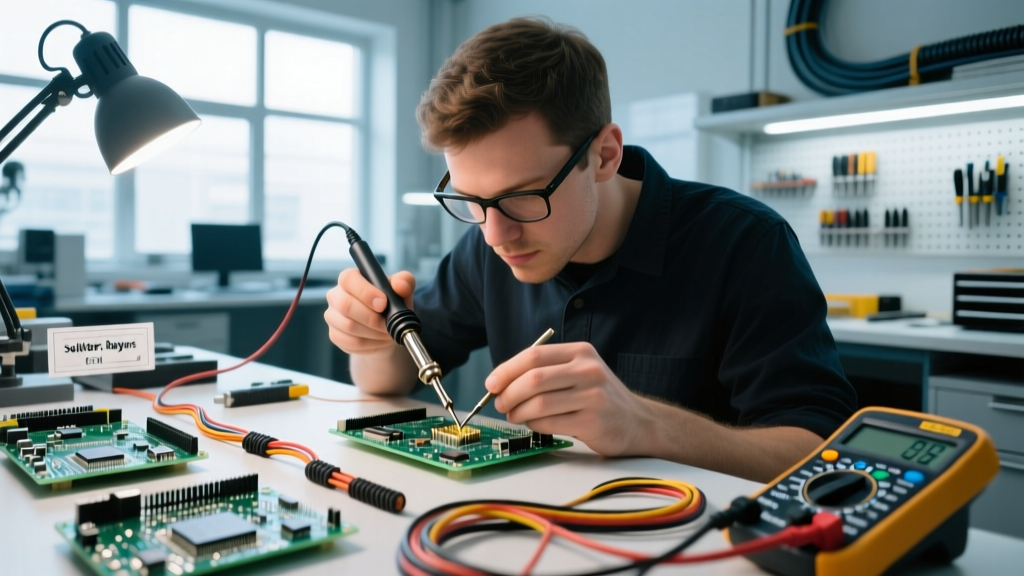

Beyond the PCB: The Thermal Physics of Jewelry Soldering
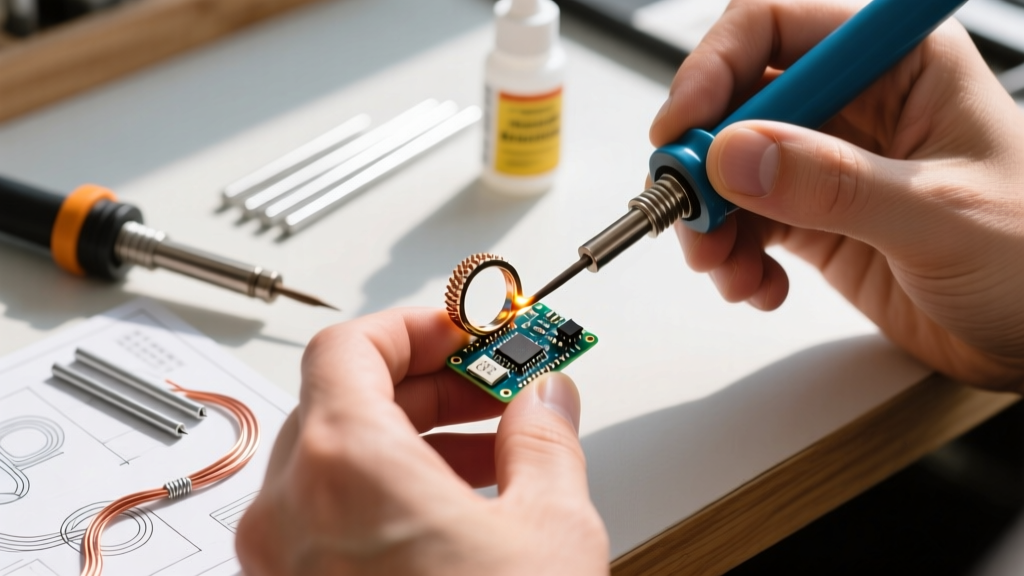
While Electricalflux is renowned for guiding makers through printed circuit board reflow and heavy-gauge wire joining, the foundational physics of soldering—capillary action, thermal mass management, and flux chemistry—transcend electronics. For advanced DIYers and makers expanding into metal fabrication, getting rings soldered together represents a masterclass in precision thermal control. Unlike joining a copper trace where a 60W iron suffices, sizing a precious metal ring or fusing a shank to a bezel requires managing extreme heat gradients without melting the base workpiece.
To bridge the gap between electronics bench work and the jeweler's bench, we convened an expert panel to evaluate the tools, alloys, and techniques required for flawless ring soldering in 2026. Whether you are repairing a family heirloom or fabricating custom silver bands, this roundup provides the exact specifications you need.
The Expert Panel
Our insights are synthesized from three distinct authorities in metallurgy and precision tooling:
- Elena Rostova, Master Bench Jeweler: 20 years of experience in high-karat gold and platinum fabrication, specializing in microscopic stone-setting joins.
- Dr. Aris Thorne, Metallurgical Engineer: Specialist in non-ferrous alloy phase diagrams and capillary flow dynamics.
- Marcus Vance, Precision Tool Evaluator: Independent reviewer of thermal equipment, focusing on the crossover between HVAC brazing, jewelry making, and electronics rework.
'The biggest mistake electronics makers make when transitioning to jewelry is treating the solder as the heat source. In ring soldering, the torch heats the metal, and the metal melts the solder. If your flame touches the solder chip directly, you will get a ball, not a joint.'
— Elena Rostova, Master Bench Jeweler
Torch Selection: Electronics vs. Jewelry Bench
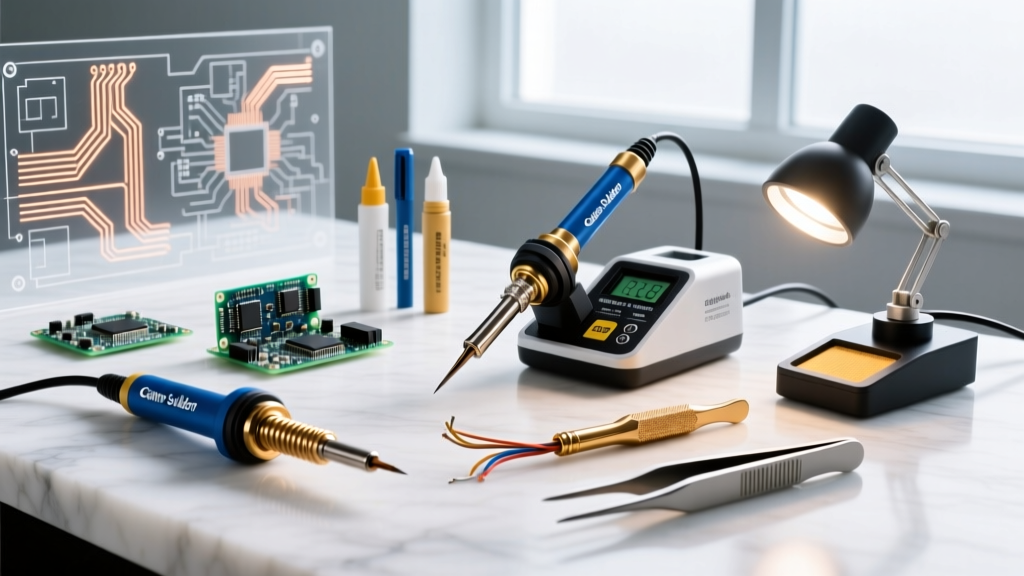
When getting rings soldered together, temperature precision and flame size are paramount. A standard butane micro-torch used for heat-shrink tubing will often fail to overcome the thermal mass of a thick sterling silver band. Below is our 2026 comparison matrix of the top torches for ring fabrication.
| Torch Model | Fuel Type | Max Temp | Price (2026 Est.) | Best Application |
|---|---|---|---|---|
| Smith Little Torch (23-1001D) | Acetylene/Air | 6,300°F | $385.00 | Intricate prongs, thin shanks, precise heat control |
| Blazer Big Shot (GT-801) | Iso-Butane | 2,500°F | $75.00 | Quick sizing, basic band soldering, heavy bezels |
| Dremel VersaFlame (2200) | Butane | 2,192°F | $45.00 | Hobbyist wire wrapping, light jump-ring repairs |
| Gentec Oxygen/Acetylene Rig | Oxy-Acetylene | 6,500°F | $450.00+ | Platinum welding, heavy casting repairs |
Expert Verdict: Marcus Vance notes that the Smith Little Torch remains the undisputed industry standard for professional bench jewelers. Its interchangeable tips (from the pinpoint #00 to the broader #5) allow for micro-adjustments in thermal delivery. However, for the advanced DIYer sizing a few silver rings at home, the Blazer Big Shot offers the best thermal mass-to-dollar ratio, easily melting silver solder without the overhead of gas cylinders.
The Metallurgy of Ring Soldering: Hard, Medium, and Easy
According to the Harris Products Group, what jewelers call 'solder' is technically a silver brazing alloy. Unlike electronics solder (which relies on tin/lead or SAC305 alloys melting below 450°F), jewelry solder must match the color and structural integrity of the base metal, requiring much higher temperatures.
When getting rings soldered together, you must utilize step-soldering. This involves using three different grades of solder sequentially so that previous joints do not melt when new ones are made.
Silver Solder Grades & Flow Points
- Hard Solder: Melts at 1,450°F (788°C). Used for the initial structural seam of the ring shank. Contains the highest silver content (typically 75-80%).
- Medium Solder: Melts at 1,365°F (741°C). Used for attaching secondary elements like bezels or decorative galleries to the ring shank.
- Easy Solder: Melts at 1,325°F (718°C). Used for final repairs, sizing joints, or attaching jump rings. Contains more zinc/cadmium/copper to lower the melting point.
Note: The Gemological Institute of America (GIA) emphasizes that when working with karat gold (e.g., 14k or 18k), you must use plumb solders that match the exact karat and color (yellow, white, or rose) of the ring to ensure the seam remains invisible after polishing.
Step-by-Step: The Flawless Ring Shank Solder
Soldering a ring closed requires meticulous preparation. A gap larger than 0.1mm will result in a starved joint or excessive solder clean-up.
- Filing the Seam: Use a barrette needle file to create perfectly flat, mating surfaces on both ends of the ring shank. The joint must close tightly when bound with iron binding wire.
- The Boric Acid Dip (Fire Scale Prevention): Sterling silver contains copper, which oxidizes into black fire scale when heated. Dip the entire ring in a saturated solution of boric acid and denatured alcohol, then dry it with a flame before applying flux.
- Flux Application: Apply StaySilv Black Flux (or a borax-based paste) directly to the seam. The flux dissolves oxides and reduces surface tension, allowing capillary action to pull the solder through the joint.
- Chip Placement: Cut a pallion (chip) of Hard solder roughly 1.5mm x 1.5mm. Place it on the fluxed seam.
- Thermal Delivery: Using a #3 or #4 torch tip, heat the entire ring in broad, circular motions to bring the thermal mass up evenly. Focus the flame on the metal adjacent to the seam, never directly on the solder chip.
- The Flash: Watch the flux. It will bubble (water release), turn white (borax glass formation), and finally become clear and glassy. At this exact moment, the metal is at flow temperature. The solder will 'flash' and instantly draw through the seam via capillary action.
- Quench and Pickle: Allow the ring to air cool until the red glow fades, then quench in water. Transfer immediately to a heated pickle pot.
The Pickle Pot: Chemical Oxide Removal
You cannot mechanically clean a freshly soldered ring without damaging the surface. Instead, jewelers use a 'pickle'—a warm, mild acid bath that strips oxidation and flux residue.
- The Solution: Sparex #2 (sodium bisulfate) mixed at a ratio of 1 part Sparex to 10 parts distilled water.
- The Equipment: A dedicated ceramic slow-cooker (never one used for food). Set to 'Low' to maintain a temperature between 140°F and 160°F.
- Safety Warning: Never drop steel tweezers into the pickle. The acid will react with the iron and copper-plate your silver ring, turning it a splotchy pink. Always use copper or plastic tweezers.
Troubleshooting Common Failure Modes
Solder Balling (Refusal to Flow)
The Symptom: The solder chip melts into a perfect sphere and sits on top of the seam rather than flowing into it.
The Cause: The base metal is not clean, the flux has been exhausted (burned off), or the metal is not hot enough. Solder will not flow on oxidized metal.
The Fix: Stop heating. Quench the ring, re-file the seam, re-apply fresh flux, and try again with a slightly more reducing flame.
Pitting and Porosity
The Symptom: The solder joint looks spongy or full of microscopic holes after pickling.
The Cause: Trapped flux or impurities in the seam, or overheating the solder which causes the zinc/cadmium alloys to vaporize.
The Fix: Ensure the seam is perfectly flush before soldering. Use a slightly smaller solder pallion and remove the heat the exact second the solder flashes.
Melting the Ring Shank
The Symptom: The edges of the ring shank round over and melt before the solder flows.
The Cause: Using too small of a torch tip, which concentrates intense heat on a single point rather than raising the ambient thermal mass of the whole ring, or using a solder grade with a flow point too close to the melting point of the base metal.
Final Verdict from the Bench
Getting rings soldered together is a highly rewarding extension of the DIY soldering skill set. While the tools differ from your standard Weller or Hakko electronics stations, the underlying discipline—cleanliness, thermal management, and flux chemistry—remains identical. For the maker ready to invest in metal fabrication, start with a Blazer Big Shot, a selection of StaySilv Hard and Medium solders, and a ceramic pickle pot. Master the thermal mass of silver, and you will achieve joints that are structurally sound and visually invisible.