
The Reality of Searching for 'Micro Soldering Training Near Me'
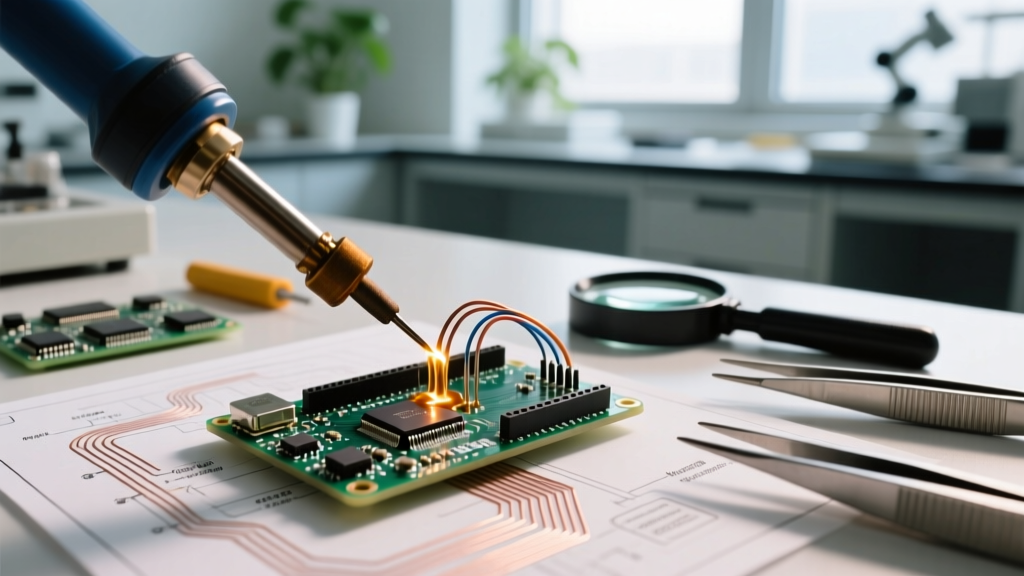
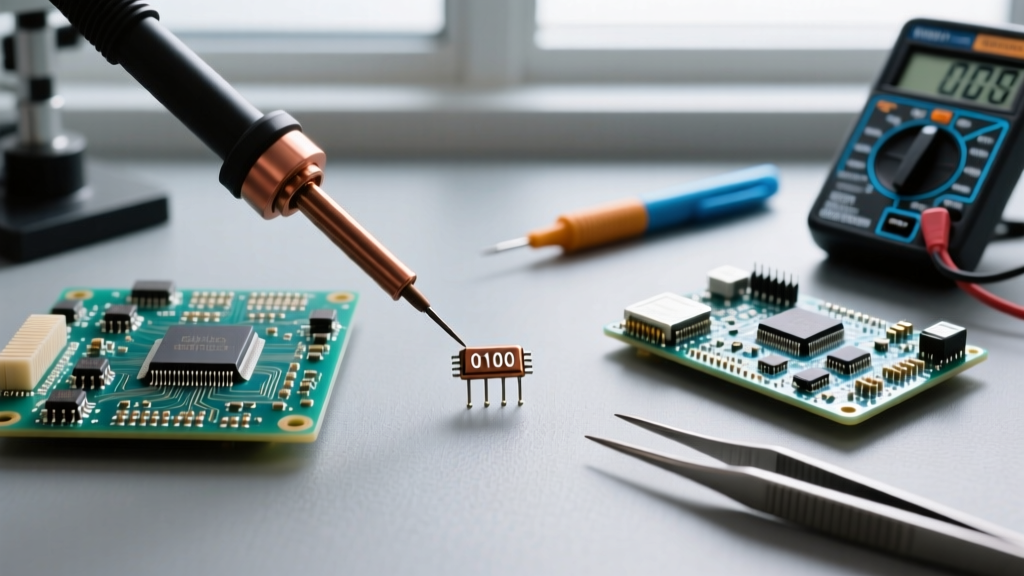
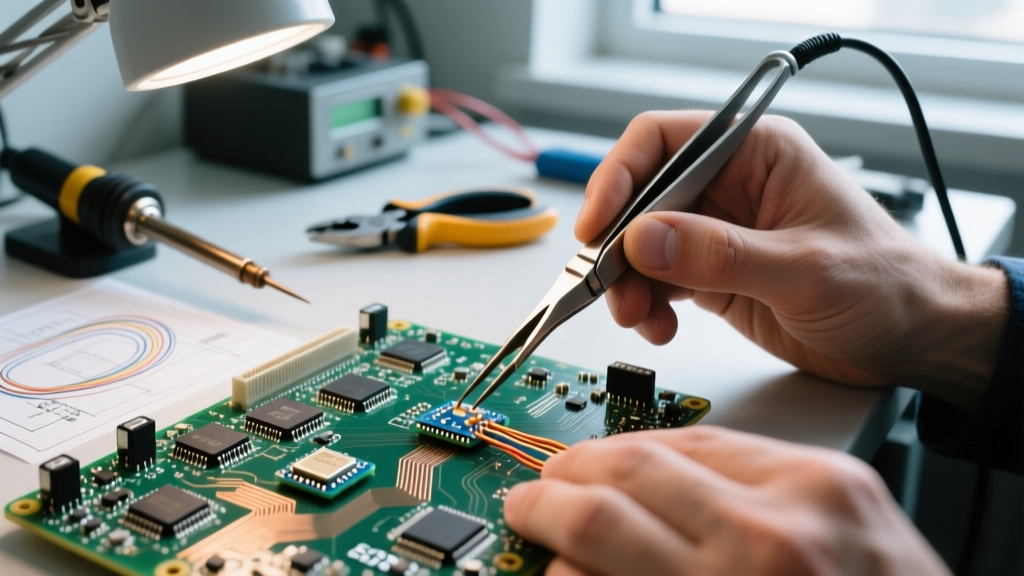
When you type 'micro soldering training near me' into a search engine, you are likely looking to break into the lucrative field of board-level electronics repair, mobile device refurbishment, or aerospace PCB rework. Unlike standard through-hole soldering, micro soldering involves manipulating components as small as the 01005 imperial package (0.4mm x 0.2mm) and repairing microscopic PCB traces using 0.02mm enameled copper wire. This requires intense tactile feedback, specialized ergonomics, and high-magnification optics.
Because this is a highly specialized niche, finding a physical classroom within a 20-mile radius can be challenging. However, by expanding your search parameters and knowing exactly what credentials to look for, you can locate high-quality local instruction or hybrid programs that ship practice boards to your door. This guide breaks down how to find, evaluate, and choose the right micro soldering training in your area for 2026.
How to Expand Your Local Search Effectively
Most local trade schools do not offer dedicated 'micro soldering' courses. Instead, the training is often bundled under broader electronics manufacturing or specialized repair certifications. To find legitimate training near you, use these specific search modifiers:
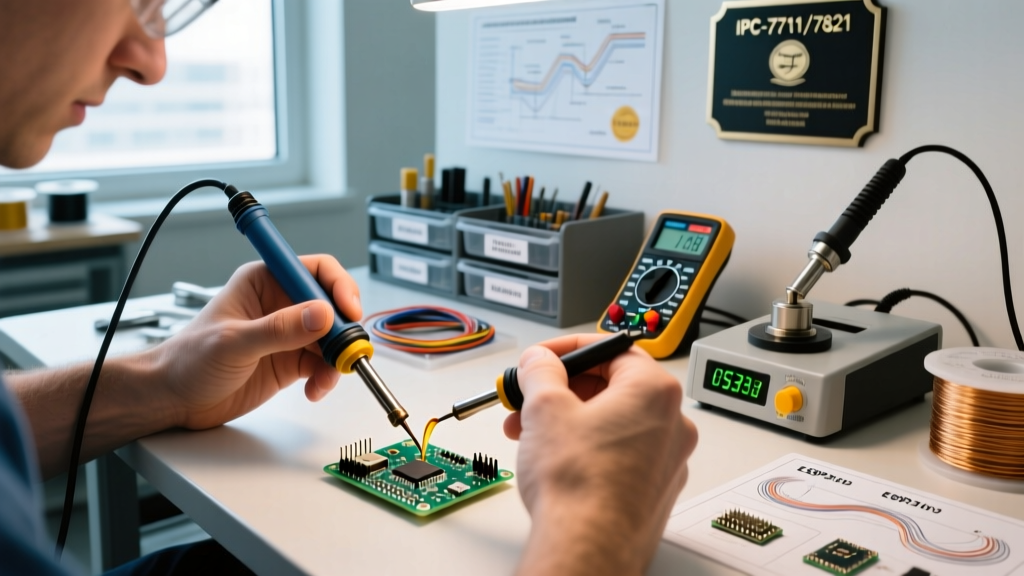
- IPC Certification Centers: Search for 'IPC-7711/7721 training near me'. This standard specifically covers the rework, modification, and repair of electronic assemblies, including micro SMD components.
- Board-Level Repair Academies: Search for 'board level repair course [Your State]' or 'mobile device logic board repair training [Your City]'.
- Manufacturing Hubs: If you live near major tech or aerospace manufacturing hubs (e.g., Austin, TX; San Jose, CA; Huntsville, AL), look for local Surface Mount Technology Association (SMTA) chapter events, which frequently host hands-on micro soldering workshops.
Evaluating the Curriculum: What a Quality Course Must Cover
Not all soldering classes are created equal. A standard electronics class might teach you how to solder a DIP chip or a 0805 resistor. A true micro soldering course must push you to the physical limits of modern PCB density. Before paying for a local course, verify that their syllabus includes the following advanced modules:
1. Microscope Ergonomics and Optic Calibration
You cannot learn micro soldering without a microscope. The course must teach you how to properly set up a trinocular stereo zoom microscope (such as the AmScope SM-4TZ) with a 0.5x Barlow lens to achieve a working distance of at least 180mm. This working distance is critical; without it, your soldering iron tip will physically collide with the microscope lens when working at high magnifications.
2. BGA (Ball Grid Array) Rework and Reballing
BGA chips, like the NAND flash or baseband processors in modern smartphones, have no visible pins. Training must cover the precise application of tacky flux (like Amtech NC-559-V2-TF), the use of direct-heat stencils (such as MATT or JCID stencils), and the controlled application of solder paste using a hot air rework station like the Quick 861DW. You must learn the exact thermal profiles required to reflow lead-free solder balls (typically peaking around 245°C) without delaminating the PCB layers.
3. Micro-Trace Jumper Installation
When a PCB trace is severed due to liquid damage or physical trauma, you must bypass the break. Look for courses that teach the 'scrape, tin, and bridge' method using 0.02mm or 0.1mm polyurethane enameled copper wire, followed by UV-curable solder mask application to lock the jumper in place and prevent short circuits.
Cost and Format Comparison Matrix
When evaluating the training options in your region, compare them against alternative formats to ensure you are getting a return on your investment.
| Training Format | Average Cost (2026) | Equipment Access | Hands-On Feedback | Best For |
|---|---|---|---|---|
| Local In-Person Academy | $1,500 - $3,500 | Full lab access (Microscopes, Hot Air, Fume Extraction) | Immediate, over-the-shoulder correction | Beginners needing tactile guidance |
| IPC-Certified Local Center | $2,000 - $4,500 | Industrial-grade aerospace/medical lab equipment | Standardized grading and certification | Corporate technicians, aerospace workers |
| Online Masterclass + Mailed Boards | $300 - $800 | Must provide your own hardware | Asynchronous video review | Hobbyists, remote repair shop owners |
| Local Repair Shop Apprenticeship | Free / Paid Labor | Shop equipment (varies wildly in quality) | Mentorship based on shop volume | Those wanting immediate business immersion |
Essential Equipment You Should Practice On
If you find a local training center, inspect their hardware. If they are teaching micro soldering using standard 60W pencil irons without digital temperature control, walk away. Modern micro soldering requires rapid thermal recovery to prevent cold joints on large ground planes. A reputable training facility will equip students with:
- Soldering Stations: JBC CD-2BQE or Hakko FX-951. JBC stations are the industry standard for micro work because their cartridge-style tips heat up in under 2 seconds, allowing for precise thermal management on microscopic pads.
- Hot Air Rework: Quick 861DW or JBC JTSE. These provide adjustable airflow (crucial so you don't blow away 0201 capacitors) and precise temperature control.
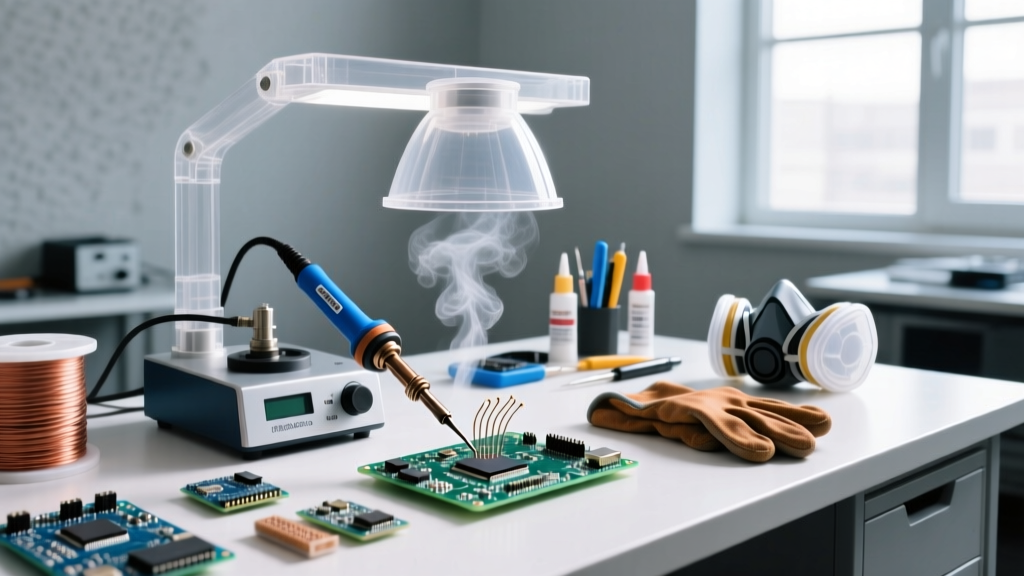
- Fume Extraction: Micro soldering generates intense, localized flux fumes. Facilities must provide localized extraction arms or high-end benchtop units like the BOFA Print Pro to comply with occupational safety standards outlined by organizations like The Repair Association and local OSHA guidelines.
Industry Certifications to Validate Your Training
If your goal is to work in medical device manufacturing, automotive electronics, or aerospace, completing a local course is not enough; you need the paperwork. Ensure the local training provider is authorized to test and certify you in the IPC-7711/7721 standard. This certification proves to employers that you understand the exact acceptance criteria for reworking surface mount components, including the acceptable limits for solder fillet wetting, pad lift prevention, and thermal damage to the PCB substrate.
Pro Tip: If a local course claims to teach 'micro soldering' but does not reference IPC J-STD-001 or IPC-7711/7721, it is likely a consumer-level hobby class. These are fine for learning how to fix your own Nintendo Switch, but they will not hold weight on a resume for a senior rework technician position.
What If There Is No Training Near Me?
If you live in a rural area or a region without specialized electronics manufacturing, do not settle for subpar local instruction. The micro soldering community has adapted to this by creating hybrid learning models. Look for renowned online academies (such as iPad Rehab or REWA Technology) that offer comprehensive video modules combined with physical 'practice boards' shipped to your home. You will need to invest in your own baseline equipment—expect to spend around $1,200 on a reliable microscope, a JBC clone or genuine Hakko station, and basic hand tools (titanium tweezers, brass braided desoldering wick, and high-quality flux)—but this is often cheaper than traveling across the country for a week-long in-person seminar.
Frequently Asked Questions
How long does it take to become proficient at micro soldering?
With dedicated daily practice, expect 3 to 6 months to become comfortable with 0402 and 0201 components and basic jumper wire installations. Mastering BGA reballing and complex multi-layer trace repair typically takes 1 to 2 years of consistent, real-world diagnostic work.
Do I need a camera on my microscope for training?
While not strictly necessary for the physical act of soldering, a trinocular microscope with an HDMI camera is highly recommended for training. It allows the instructor to see exactly what you are seeing on a monitor, making it infinitely easier to correct your angle, flux application, and tip placement.
Is lead-free solder used in micro soldering training?
Yes. While leaded solder (63/37) is easier to work with and has a lower melting point (183°C), commercial and consumer electronics are manufactured with lead-free solder (typically SAC305, melting around 217°C). A good training course will teach you how to manage the higher thermal requirements and narrower wetting window of lead-free alloys, as well as the process of 'tinning' lead-free pads with leaded solder to make subsequent rework easier.