
The Critical Role of Soldering Tape in Modern Electronics Manufacturing
In high-volume electronics manufacturing and precision aerospace rework, the margin for error is measured in microns and milliseconds. While soldering irons and reflow ovens get the spotlight, soldering tape remains an unsung hero of the assembly line. Used primarily for thermal shielding, component masking, and protecting delicate gold fingers during wave soldering, the wrong tape choice can lead to catastrophic failures, including solder wicking, adhesive outgassing, and destroyed ENIG (Electroless Nickel Immersion Gold) finishes.
As we navigate the manufacturing landscape of 2026, the shift toward lead-free, high-temperature solder alloys (like SAC305 and SAC405) means process temperatures routinely exceed 260°C (500°F). Standard masking tapes melt, leaving carbonized residue that compromises IPC-A-610 Class 3 compliance. This guide breaks down the exact material science, industry applications, and specific product models you need to select the right soldering tape for your facility.
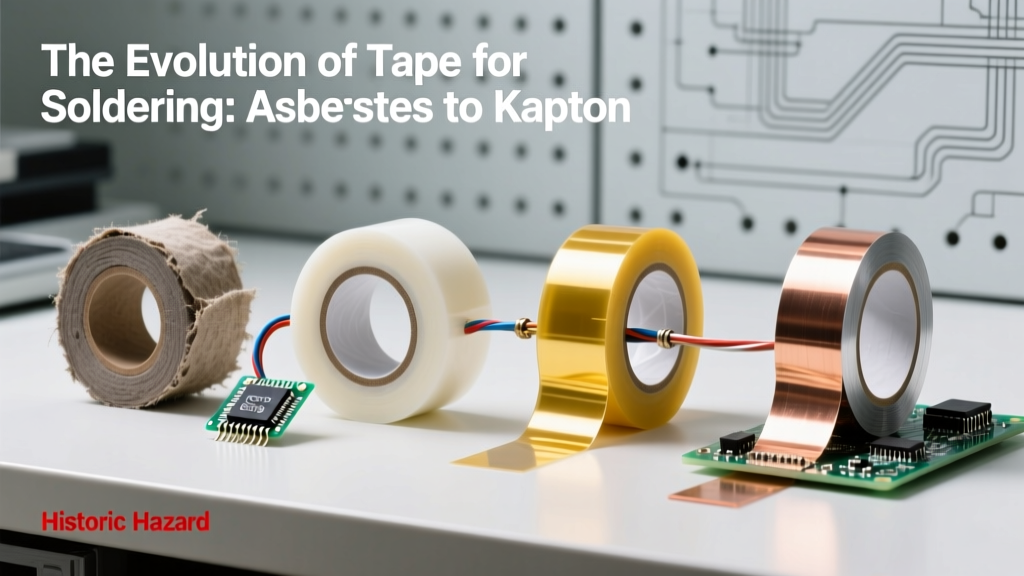
Material Matrix: Polyimide vs. Glass Cloth vs. Aluminum Foil
Not all high-temperature tapes are created equal. The substrate and adhesive combination dictate the tape's thermal threshold, mechanical strength, and residue profile. Below is a technical comparison of the three primary materials used in industrial soldering applications.
| Material Substrate | Continuous Temp Rating | Peak Temp (Short Term) | Standard Adhesive | Thickness Range | Primary Industry Use |
|---|---|---|---|---|---|
| Polyimide (Kapton) | 260°C (500°F) | 400°C (752°F) | Silicone | 1.0 - 3.0 mil | PCB Gold Finger Masking, BGA Rework |
| Glass Cloth | 200°C (392°F) | 250°C (482°F) | Rubber / Acrylic | 6.0 - 7.5 mil | Automotive Harness Wrapping, Coil Insulation |
| Aluminum Foil | 315°C (600°F) | 400°C (752°F) | Silicone | 2.0 - 4.5 mil | Heat Reflection, Wave Solder Pallet Sealing |
According to material data from DuPont's Kapton division, polyimide films maintain their dielectric and mechanical properties across extreme thermal gradients, making them the undisputed standard for SMT (Surface Mount Technology) masking where direct contact with molten solder occurs.
Core Industry Applications & Failure Modes
1. Wave Soldering Masking (Protecting Gold Fingers & PTHs)
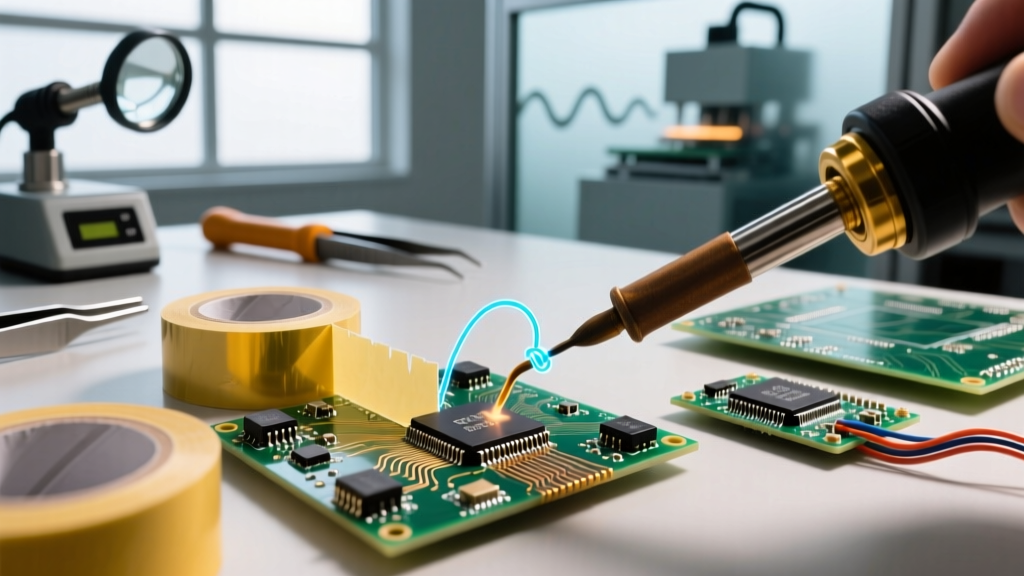
During wave soldering, edge connectors (like PCIe slots) must be protected from solder wicking. Polyimide soldering tape is applied over the gold fingers before the board passes over the 260°C solder wave.
- The Failure Mode: Using a tape with an acrylic adhesive instead of silicone. Acrylic adhesives cross-link and burn at wave soldering temperatures, turning into a hardened, glass-like residue.
- The Consequence: Operators must use aggressive solvents or mechanical scraping to remove the residue, which scratches the soft gold finish and violates IPC acceptance criteria for contact surfaces.
- The Fix: Always specify silicone-based adhesives for polyimide tapes used in wave soldering. Silicone degrades cleanly and can be wiped away with isopropyl alcohol (IPA) or a specialized saponifier.
2. BGA Rework and Localized SMT Shielding
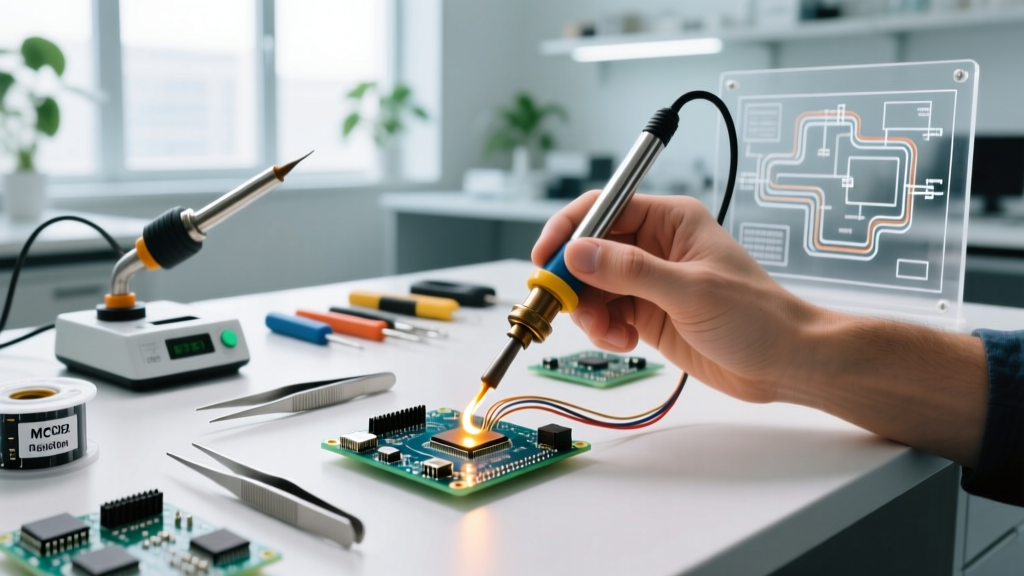
When reworking a single Ball Grid Array (BGA) component using a hot air rework station or focused IR heater, adjacent components (especially temperature-sensitive electrolytic capacitors and plastic connectors) must be shielded. Aluminum foil soldering tape is often layered over polyimide to create a composite heat shield. The aluminum reflects the IR radiation, while the polyimide provides electrical insulation against accidental shorting from the rework tweezers.
3. Aerospace Wiring and Coil Wrapping
In aerospace applications governed by NASA-STD-8739.3 and IPC/WHMA-A-620, soldering tape isn't just for masking; it's used for insulating solder sleeves and wrapping transformer coils. Here, glass cloth tape is preferred due to its high tensile strength and resistance to mechanical abrasion during harness routing.
Expert Insight: In Class 3 aerospace assemblies, outgassing is a critical metric. If a soldering tape releases volatile organic compounds (VOCs) during rework, those vapors can become trapped under conformal coatings later in the process, leading to delamination and dendritic growth. Always request the tape manufacturer's outgassing test data (per ASTM E595) for vacuum or high-altitude applications.
2026 Buyer's Matrix: Top Industrial Soldering Tape Models
Based on current industrial supply chain availability and performance metrics, here are the top-tier soldering tapes utilized by Tier 1 EMS (Electronics Manufacturing Services) providers.
3M™ Polyimide Tape 5413
- Specs: 2.5 mil total thickness, silicone adhesive, amber color.
- Best For: General PCB masking, gold finger protection, and 3D printing bed adhesion.
- 2026 Pricing: $45.00 - $55.00 per 1/2 inch x 36-yard roll.
- Pros: Exceptional conformability to tight radii; highly consistent adhesive coat weight prevents edge-ooze.
- Cons: Premium pricing compared to generic imported alternatives.
Nitto Denko P-221 (Polyimide)
- Specs: 3.0 mil thickness, low-outgassing silicone adhesive.
- Best For: Medical device PCBs and aerospace where VOC restrictions are strict.
- 2026 Pricing: $60.00 - $75.00 per roll.
- Pros: Leaves virtually zero residue even after multiple reflow cycles; excellent dielectric strength.
- Cons: Stiffer backing makes it harder to apply to complex 3D geometries without a dispenser.
Tesa 51036 (Glass Cloth)
- Specs: 6.7 mil thickness, natural rubber adhesive.
- Best For: Automotive wiring harnesses, coil wrapping, and heavy-duty mechanical protection during selective soldering.
- 2026 Pricing: $25.00 - $35.00 per roll.
- Pros: Extremely high tensile strength; tear-resistant.
- Cons: Rubber adhesive fails and leaves heavy residue if exposed directly to wave soldering temperatures (>220°C).
Application & Removal Best Practices
Even the best soldering tape will fail if applied or removed incorrectly. Follow this standard operating procedure (SOP) for clean masking:
- Surface Prep: Clean the PCB area with 99% IPA to remove flux residue and finger oils. Allow to dry completely. Adhesives will not bond to activated flux.
- Application Tension: Apply the tape with slight tension, but avoid stretching the polyimide backing. Stretched tape will shrink when exposed to heat, pulling away from the edges and exposing the gold fingers.
- Burnishing: Use a PTFE (Teflon) spudger or a hard plastic squeegee to firmly burnish the edges of the tape. This prevents flux creep and solder wicking under the tape boundary.
- Removal Timing: Remove the tape when the PCB has cooled to approximately 60°C - 80°C. Removing it while boiling hot risks tearing the backing; removing it stone-cold can cause the silicone adhesive to snap rather than peel, leaving micro-residue.
- Peel Angle: Pull the tape back on itself at a 180-degree angle, parallel to the board surface. Never pull upward at a 90-degree angle, which can lift delicate SMT pads or damage ENIG finishes.
Troubleshooting Common Tape Failures
Issue: Tape lifts during the preheat zone of the wave solder machine.
Diagnosis: The board was not properly cleaned before application, or the tape was applied over a silkscreen legend. Silkscreen ink is slightly porous and textured, preventing a complete adhesive seal. Always mask over bare solder mask or copper, not silkscreen.
Issue: Silicone residue remains after peel, failing conformal coating adhesion tests.
Diagnosis: Silicone adhesives are notorious for migrating. If residue is present, standard IPA will not remove it. Use a specialized silicone remover (e.g., Kyzen or Zep industrial solvents) followed by a plasma cleaning step before applying acrylic or urethane conformal coatings.
Issue: Aluminum foil tape causes short circuits during manual rework.
Diagnosis: Aluminum is highly conductive. If it shifts and bridges two live test points while the operator is probing the board, it will cause a dead short. Always use a composite tape (aluminum laminated to polyimide) or ensure a 2mm keep-out zone around all exposed test points.
Final Verdict for Manufacturing Engineers
Investing in high-quality, brand-name soldering tape is a matter of risk mitigation. While a generic, unbranded polyimide tape from an online marketplace might save $15 per roll, the cost of scrapping a single high-layer-count server motherboard due to solder wicking or ruined gold contacts easily exceeds $2,000. For 2026 production environments running high-temperature lead-free alloys, 3M 5413 and Nitto Denko P-221 remain the gold standards for reliable, residue-free PCB masking.