
The Thermal Paradox: Soldering Irons vs. Polylactic Acid
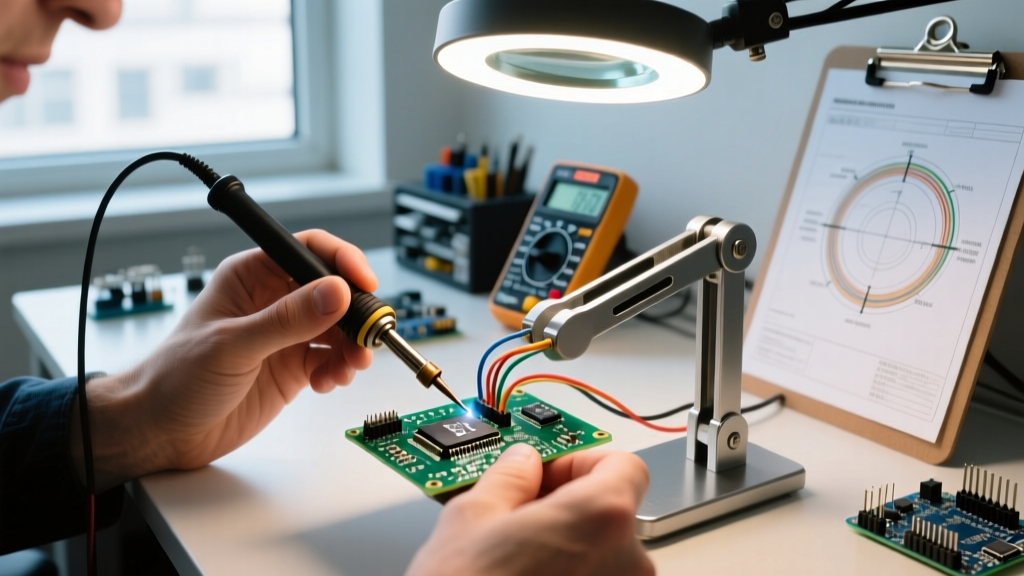
For the first decade of the desktop 3D printing revolution, the phrase 'soldering PLA' was considered an oxymoron in maker communities. Polylactic Acid (PLA), the undisputed king of hobbyist 3D printing filaments, possesses a glass transition temperature (Tg) of roughly 60°C and a melting point (Tm) between 150°C and 160°C. Traditional soldering, meanwhile, operates in a vastly different thermal universe. Standard eutectic Sn63/Pb37 solder melts at 183°C, while modern lead-free SAC305 alloys require temperatures exceeding 217°C. Bringing a 350°C soldering iron tip anywhere near a PLA enclosure historically resulted in warped chassis, delaminated layers, and ruined prints.
However, as the DIY electronics landscape matured through 2026, the intersection of additive manufacturing and traditional PCB assembly evolved from a clumsy trial-and-error process into a precise, metallurgically sound discipline. Today, integrating soldered electronics into PLA 3D prints involves specialized low-temperature alloys, precision thermal pressing, and conductive composite filaments. Understanding this history is critical for any engineer or hobbyist looking to buy the right gear for hybrid electro-mechanical prototyping.
Phase 1 (2012–2016): The Era of Thermal Destruction
In the early days of the RepRap movement and the first wave of commercial desktop printers, makers attempting to embed electronics into PLA enclosures relied on brute force. The standard workflow involved printing oversized cavities, hot-gluing PCBs into place, and attempting to solder wire harnesses directly inside the enclosure. The failure rate was astronomical. The ambient heat radiating from a standard 60-watt ceramic heating element would rapidly raise the localized ambient temperature past the PLA glass transition point, causing structural sagging. Furthermore, attempting to route copper wires through PLA channels and soldering them in-situ often resulted in the plastic melting away entirely, leaving bare, short-prone conductors. The community quickly realized that standard soldering techniques were fundamentally incompatible with raw PLA substrates.
Phase 2 (2017–2022): The Heat-Set Insert Renaissance
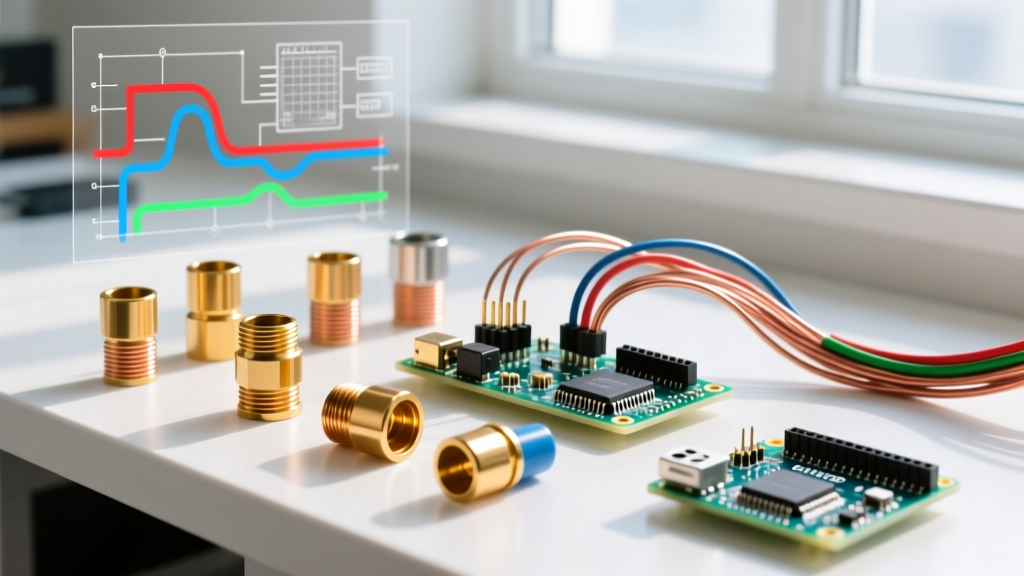
The first major breakthrough in the evolution of soldering PLA wasn't about melting solder at all; it was about repurposing the soldering iron as a precision thermal press. Makers discovered that by tuning a temperature-controlled soldering iron to exactly 180°C—just enough to locally melt the PLA without degrading the polymer chains—they could embed brass heat-set inserts into 3D printed holes. This provided metal-on-metal threading for screwing down PCB standoffs.
This era popularized the use of conical soldering tips, such as the Hakko T18-C4, which perfectly matched the knurled geometry of M2 and M3 brass inserts. According to extensive material testing documented by MatterHackers, PLA requires specific hole tolerances for heat-set inserts; an M3 insert requires a printed hole diameter of roughly 4.0mm to account for the displaced plastic. This period shifted the paradigm from 'soldering on plastic' to 'using soldering tools to mechanically anchor electronics into plastic.'
Phase 3 (2023–2026): Conductive PLA and Low-Temperature Metallurgy
The modern era of soldering PLA involves actually soldering onto the 3D printed material itself. The commercialization of highly conductive filaments, such as BlackMagic3D's Electrifi (a copper-doped PLA with a resistivity of ~0.006 Ω·cm), allowed makers to print functional traces, antennas, and low-power ground planes directly into enclosures. But how do you solder to a material that melts at 155°C?
The answer lies in Bismuth-based low-temperature solder alloys. Alloys like Sn42/Bi57.6/Ag0.4 melt at a remarkably low 138°C. Because this melting point sits comfortably below the PLA melting threshold, engineers can now reflow surface-mount components directly onto conductive PLA traces without compromising the structural integrity of the print. This metallurgical workaround has birthed an entirely new category of '3D printed electronics' where the enclosure and the circuit board are one and the same.
Thermal Threshold Matrix: Alloys vs. Polymers
| Material / Alloy | Transition / Melt Point | Application in PLA Soldering |
|---|---|---|
| PLA (Polylactic Acid) | Tg: 60°C / Tm: 155°C | Base substrate; deforms if exposed to standard soldering temps. |
| Sn63/Pb37 (Eutectic) | 183°C | Traditional solder; causes severe PLA warping and layer delamination. |
| SAC305 (Lead-Free) | 217°C - 220°C | Modern standard; completely destroys PLA structural integrity on contact. |
| Sn42/Bi57.6/Ag0.4 (Chip Quik) | 138°C | Low-temp alloy; melts below PLA Tm, enabling direct trace soldering. |
| M3 Brass Heat-Set Inserts | N/A (Installed at 180°C) | Mechanical fastening; requires localized PLA melting for interference fit. |
Modern 2026 Buyer’s Guide: The Hybrid Workbench
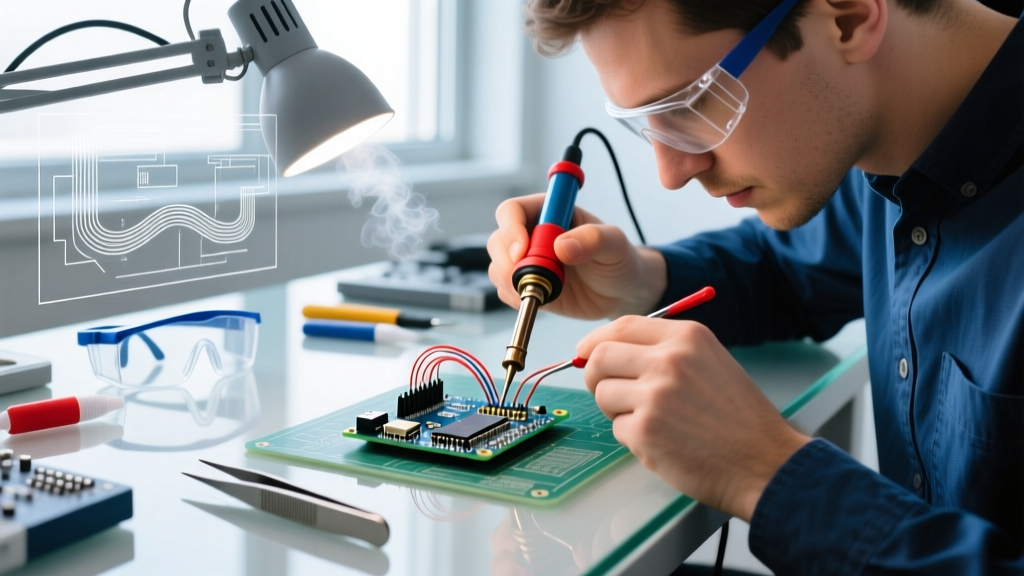
To successfully execute modern PLA soldering techniques, your workbench requires specialized tools capable of tight thermal regulation. Here is the essential gear for the hybrid workflow:
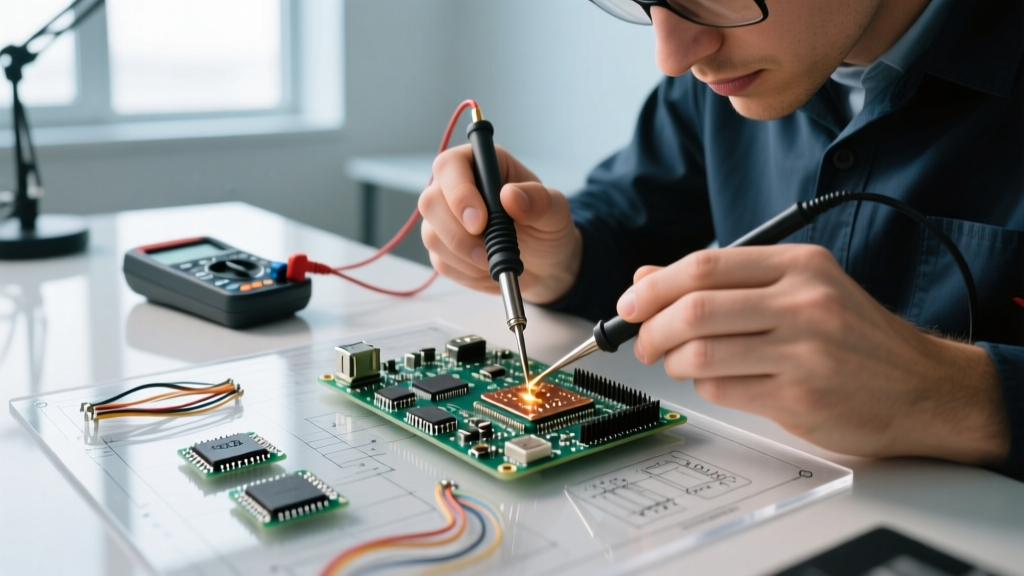
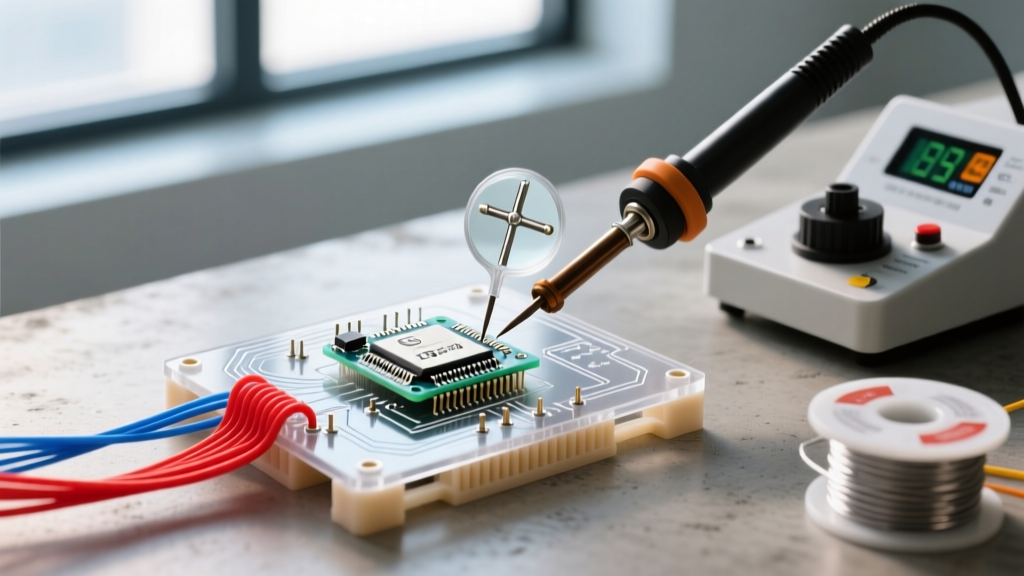
- Pinecil V2 Smart Soldering Iron (~$28): Powered by a RISC-V processor, the Pinecil V2 offers rapid thermal recovery and precise digital temperature control. Its ability to hold a steady 138°C without overshooting is critical when working with low-temp Bismuth solders on heat-sensitive PLA traces.
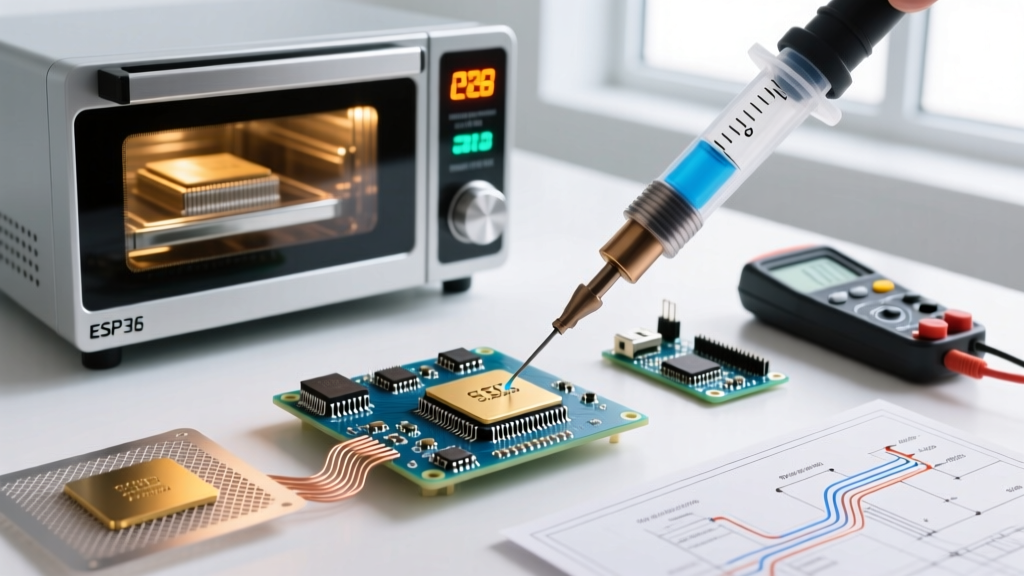
- Chip Quik SMD4300AX10 Paste (~$35): A Bismuth-based low-temperature solder paste. When paired with a hot air rework station dialed to 160°C, this paste allows for the reflowing of SMD components onto conductive PLA without melting the underlying layers. You can find specialized low-temp alloys via Chip Quik's catalog.
- Hakko FX-888D with T18-C4 Tip (~$115): While the Pinecil is great for wire soldering, the FX-888D provides the sustained thermal mass required for pressing brass heat-set inserts into thick PLA walls without the iron's temperature dropping and causing a cold plastic weld.
- Amtech NC-559-V2-TF Flux (~$18): Conductive PLA does not 'wet' like pure copper. The carbon or copper particles are suspended in a polymer matrix. An aggressive, high-tack no-clean flux is mandatory to break through the microscopic polymer barrier and allow the low-temp solder to bond to the conductive particles.
Failure Modes and Edge Cases in PLA Soldering
Even with the right materials, the intersection of heat and thermoplastics presents unique failure modes that traditional PCB assembly doesn't face. Watch out for these specific edge cases:
- Thermal Runaway in Enclosures: When soldering wire harnesses inside a partially closed PLA enclosure, the ambient heat has nowhere to go. The enclosed air can quickly exceed 60°C, causing the entire print to soften and warp under its own weight. Always use localized exhaust fans and keep the enclosure open during assembly.
- Cold Joints on Conductive Traces: Because conductive PLA has a much higher electrical resistance than copper (often resulting in localized voltage drops), it doesn't transfer heat efficiently to the solder. You must apply the iron directly to the solder paste and the trace simultaneously, using physical abrasion (like a fiberglass scratch pen) to expose fresh conductive particles before applying flux.
- Insert Pull-Out via Creep: PLA is susceptible to 'cold flow' or creep under constant mechanical stress. If you torque a screw into a heat-set insert too tightly, the PLA threads will slowly deform over weeks, leading to insert pull-out. Always use washers to distribute load and torque M3 screws to a maximum of 0.5 Nm in PLA enclosures.
'The evolution of soldering PLA isn't about forcing traditional electronics assembly onto a 3D printer; it's about adapting metallurgy and thermal management to respect the polymer's physical limits. The makers who master low-temp alloys and precision thermal inserts are the ones building the most robust custom hardware today.'
Final Thoughts
The journey from melted, ruined enclosures to sophisticated, multi-material 3D printed electronics highlights the incredible adaptability of the DIY engineering community. By understanding the thermal thresholds of Polylactic Acid and investing in low-temperature Bismuth solders and precision temperature-controlled irons, you can seamlessly bridge the gap between digital fabrication and traditional circuit assembly. Whether you are embedding IoT sensors into custom housings or printing functional RF antennas, mastering the art of soldering PLA is an indispensable skill for the modern hardware prototyper.