
The Respiratory Threat: Flux Off-Gassing and Sensitization
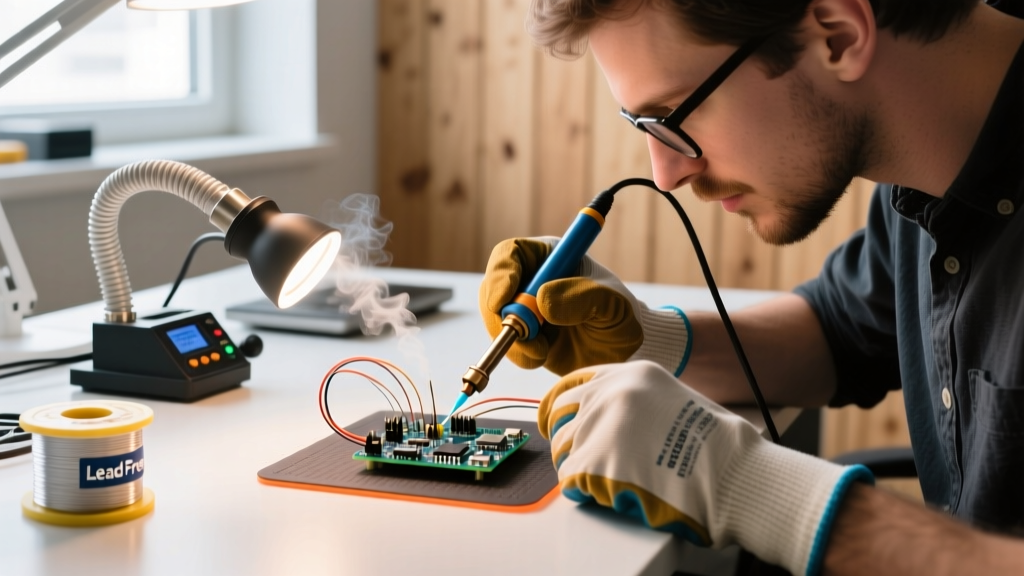
The most immediate and misunderstood hazard in art soldering is not the metal alloy, but the flux. When flux reaches its activation temperature, it undergoes a violent chemical reaction to strip oxidation, releasing volatile organic compounds (VOCs) and microscopic particulates into the breathing zone.
Rosin (Colophony) vs. Organic Acid Fluxes
For jewelry and delicate copper foil work, artisans often use mildly activated rosin fluxes (like Kester 186). According to the UK Health and Safety Executive (HSE), rosin fumes are a proven respiratory sensitizer. Repeated exposure can trigger occupational asthma, a condition that persists even after exposure ceases.
Conversely, stained glass artists working with lead came or heavy zinc borders frequently rely on aggressive organic acid fluxes (such as Novacan RubyFluid or zinc chloride-based pastes). When heated past 250°C, these fluxes can release trace amounts of hydrogen chloride gas and harsh aldehydes.
⚠️ CRITICAL CALLOUT: The Moisture Spatter Hazard
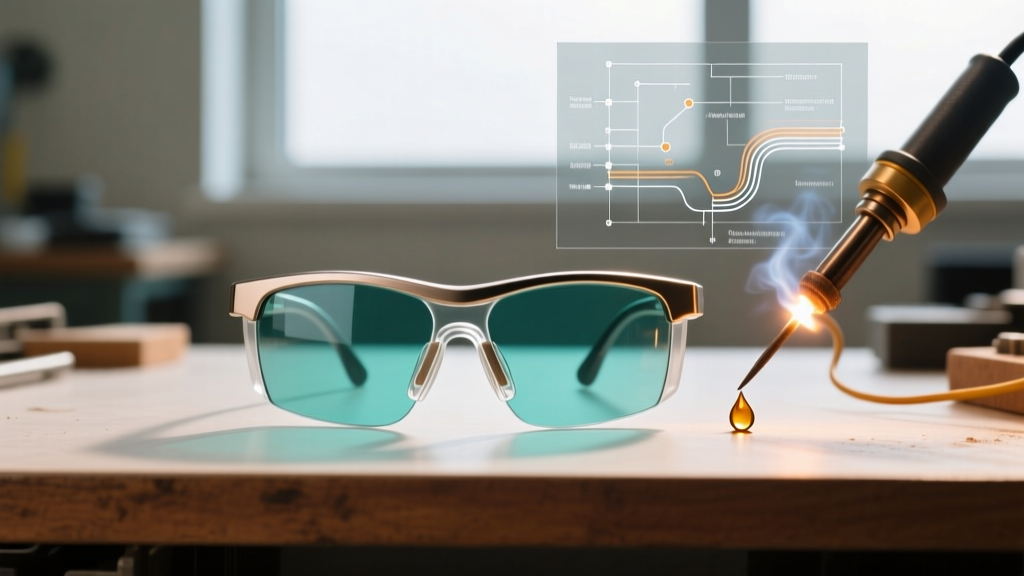
Never apply liquid flux directly to a hot solder bead or iron tip. The instantaneous vaporization of the water carrier causes microscopic droplets of molten solder and boiling acid to eject at high velocity. Always use ANSI Z87.1-rated polycarbonate safety glasses to prevent severe corneal burns and chemical eye injuries.
Fume Extraction: 2026 Buyer Comparison
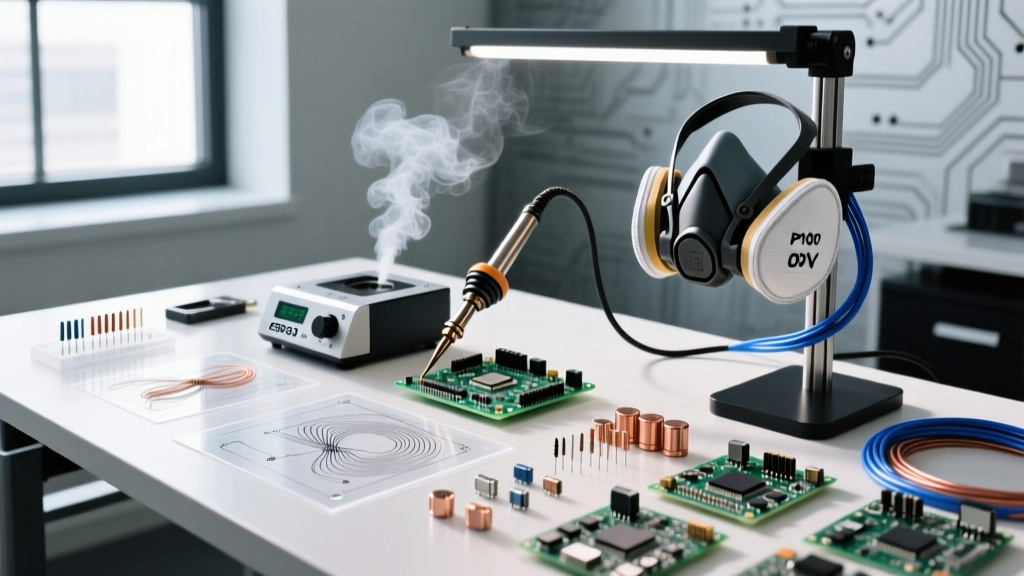
A standard desktop fan merely disperses toxic rosin and acid fumes across your studio. You need localized extraction with activated carbon to adsorb VOCs, combined with HEPA to trap sub-micron particulates.
| Extractor Model | Filtration Type | Max Airflow (CFM) | Approx. Cost (2026) | Best Application |
|---|---|---|---|---|
| Hakko FA-400 | Activated Carbon Pouch | 35 CFM | $55 - $65 | Light jewelry, occasional hobbyist copper foil |
| Weller WXFA | HEPA + Multi-Stage Carbon | 110 CFM | $240 - $270 | Heavy stained glass, production zinc came soldering |
| Hakko 493 | Replaceable Carbon Mat | 45 CFM | $85 - $95 | Continuous wire sculpting, medium-duty foil work |
Pro Tip: Carbon filters saturate quickly when exposed to heavy liquid paste fluxes. If you can smell the rosin or acid, the carbon bed is exhausted and must be replaced immediately.
Heavy Metal Protocols: The Truth About Lead in Art Soldering
Stained glass and traditional sculpture rely heavily on 60/40 (tin/lead) and 63/37 eutectic solders due to their superior flow characteristics, lower melting points (183°C), and brilliant, smooth bead profiles.
Debunking the Lead Vapor Myth
A pervasive myth in maker spaces is that the smoke from leaded solder contains lead vapor. This is chemically impossible at soldering temperatures. Lead has a boiling point of 1,749°C (3,180°F). Your Weller or Hakko iron maxes out around 480°C. The smoke you see is strictly vaporized flux.
However, OSHA's lead safety guidelines emphasize that the true danger is particulate transfer. Lead dust and residue coat your workbench, your iron handle, your flux brush, and your fingers. Ingestion occurs when you touch your face, eat, or smoke without proper decontamination.
The Studio Hygiene Protocol
To maintain blood lead levels (BLL) well below the CDC’s 5 µg/dL reference value, implement this strict workflow:
- Barrier Method: Wear disposable nitrile gloves while handling raw lead came, 60/40 solder wire, and applying wet flux. Remove them before touching your phone, face, or studio door handles.
- Dedicated Tools: Never use your soldering flux brushes or cutting pliers in the kitchen or for non-studio crafts.
- Wet Wiping: Do not dry-sweep your workbench. Dry sweeping aerosolizes lead dust. Use wet paper towels or a HEPA-filtered vacuum to clean the studio.
- Neutralization: After completing a stained glass piece, neutralize corrosive zinc chloride flux residues with a baking soda and water solution before applying patina or wax.
Thermal Safety: Iron Selection for High-Mass Art Projects
Art soldering demands irons with massive thermal recovery. When a 300°C iron tip touches a thick piece of brass or lead came, the metal acts as a heat sink, instantly dropping the tip temperature. If the iron cannot recover within two seconds, the artist pushes harder and dwells longer, increasing the risk of slipping and severe burns, or shattering thermal-shocked glass.
Hakko FX-601 vs. Weller 100PG: The Heavyweights
- Hakko FX-601 ($68 - $75): A 67W dial-controlled iron. It features a ceramic heating element with excellent response times. The included silicone cord sleeve is a vital safety feature, preventing the power cord from melting if it drags across a hot glass edge or freshly soldered seam. Ideal for copper foil and jewelry.
- Weller 100PG ($115 - $125): A 100W powerhouse designed specifically for heavy stained glass and lead came. It utilizes a massive CT6F7 tip that holds thermal energy like a cast-iron skillet. The heavy-duty stainless steel sheath protects the heating element from corrosive acid fluxes that would destroy standard electronics irons in weeks.
Ergonomics and Environmental Controls
Art soldering sessions frequently exceed four hours. Repetitive strain and eye fatigue compound the physical risks.
- Lighting: Use a high-CRI (90+) LED studio lamp positioned at a 45-degree angle to eliminate shadows on the solder bead. Poor lighting causes artists to lean in, placing their face directly inside the fume plume.
- Magnification: For jewelry and micro-foil work, use an OptiVISOR with a #4 or #5 lens plate rather than hunching over the workpiece.
- Iron Holsters: Never rest a hot art iron on a damp sponge or a piece of scrap wood. Use a heavy, tip-down brass wool holster (like the Hakko 602) to ensure the 400°C tip cannot roll onto your lap or studio flooring.
Expert FAQ: Art Soldering Hazards
Can I use plumbing acid flux for stained glass art?
No. Plumbing fluxes (like Oatey No. 95) contain heavy petroleum bases and high concentrations of ammonium chloride designed to etch copper pipes aggressively. They leave a highly conductive, corrosive residue that is nearly impossible to neutralize completely, leading to "flux rot" that will eat through your copper foil and stain your glass with permanent white oxidation over time. Stick to art-specific fluxes like Novacan or Gryphon.
Do I need a supplied-air respirator for lead-free art solder?
No. Lead-free alloys (like 96.5/3/0.5 SAC305) require higher soldering temperatures (220°C+), which causes more flux off-gassing, not lead vapor. A properly fitted N95 or P100 particulate mask combined with a localized carbon fume extractor is sufficient to protect against the increased rosin smoke generated by high-heat lead-free work.
How often should I replace the carbon filter in my Hakko FA-400?
Under heavy stained glass production (20+ hours a week using liquid paste flux), the thin carbon pouch in the FA-400 will saturate in 4 to 6 weeks. For weekend hobbyists, it may last 6 months. Trust your nose: the moment you detect the sweet, pine-like scent of rosin or the sharp tang of acid outside the extractor hood, the activated carbon is dead.