
The $25 vs $5 Dilemma: Decoding Arduino Uno R3 Specs
When sourcing microcontrollers for a new electronics project, makers and engineers inevitably face a choice: pay $27.60 for the official board or spend $4.50 on a third-party clone. While the silkscreen might look identical and the pinout remains unchanged, a deep dive into the true Arduino Uno R3 specs reveals significant hardware disparities beneath the surface. These differences dictate everything from thermal stability under heavy loads to USB enumeration reliability in industrial environments.
In this guide, we strip away the marketing and examine the exact component-level differences between the premium original and budget alternatives, helping you decide which platform actually belongs on your workbench in 2026.
Core Arduino Uno R3 Specs: The Baseline
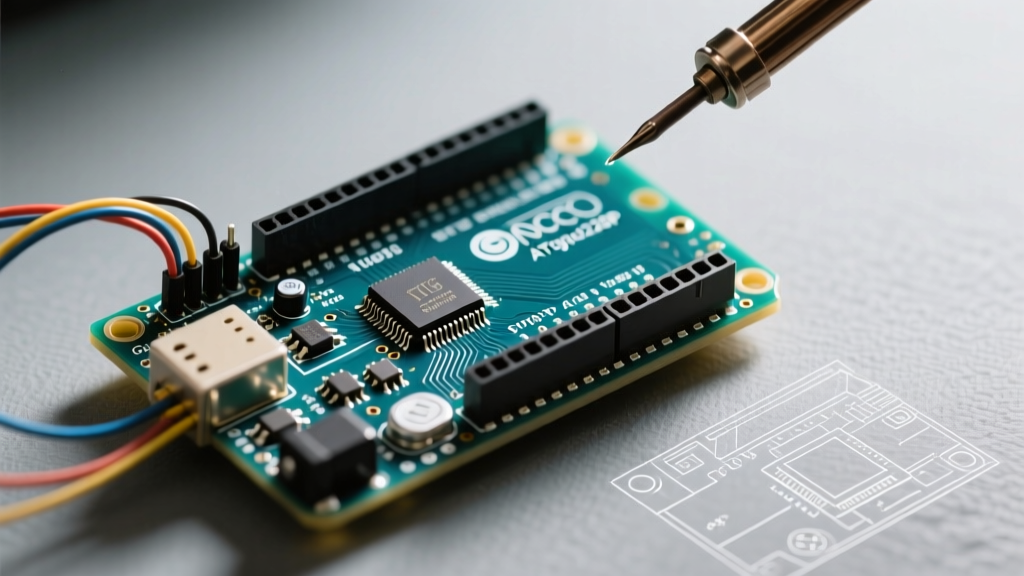
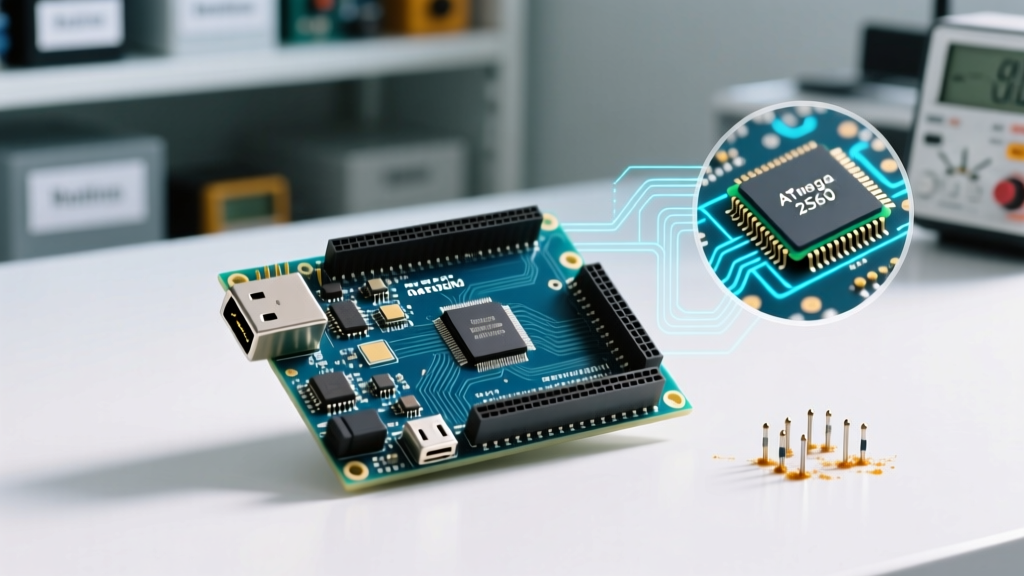
Regardless of whether you buy an official board from the Arduino Store or a generic clone from a bulk marketplace, the fundamental microcontroller architecture remains the same. Both rely on the venerable Microchip ATmega328P. Here is the baseline specification sheet that applies to both tiers:
| Specification | Value |
|---|---|
| Microcontroller | ATmega328P-PU (28-pin DIP) |
| Operating Voltage | 5V Logic |
| Recommended Input Voltage | 7V to 12V |
| Clock Speed | 16 MHz (External Crystal) |
| Flash Memory | 32 KB (0.5 KB used by bootloader) |
| SRAM | 2 KB |
| EEPROM | 1 KB |
| Digital I/O Pins | 14 (of which 6 provide PWM output) |
| Analog Input Pins | 6 (10-bit ADC resolution) |
| DC Current per I/O Pin | 20 mA (Absolute max 40 mA) |
The Premium Tier: Official Arduino Uno R3
The official Arduino Uno R3 justifies its premium price tag through rigorous quality control, premium supporting ICs, and robust power management. Let us break down the specific hardware choices that define the premium experience.
USB-to-Serial: The ATmega16U2 Advantage
The official board utilizes a dedicated Microchip ATmega16U2-MU microcontroller to handle USB-to-serial conversion. Unlike dedicated bridge chips, the 16U2 is programmable. This allows the official Uno to natively emulate USB HID devices like keyboards or mice without requiring third-party driver installations on modern operating systems. The 16U2 also provides highly stable baud rate generation, ensuring zero dropped packets during high-speed serial logging at 115200 baud or higher.
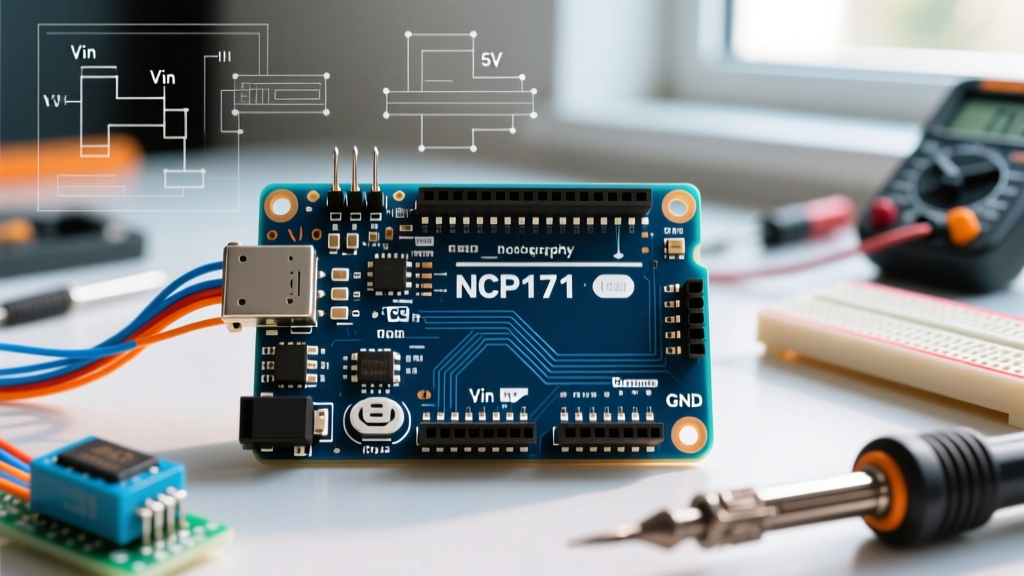
Power Regulation: NCP1117ST50T3G
Powering sensors, relays, and displays via the onboard 5V rail requires a robust voltage regulator. The official Uno uses the ON Semiconductor NCP1117ST50T3G. This specific 500mA LDO (Low Dropout) regulator features internal thermal shutdown and a safe operating area protection circuit. When you feed the board 12V via the barrel jack, the NCP1117 safely dissipates the excess heat across its SOT-223 package and the integrated PCB copper pour heatsink.
Expert Insight: The official board also includes a 500mA resettable PTC polyfuse on the USB VBUS line. If your project accidentally shorts the 5V pin to ground, the fuse trips, protecting your computer's USB port from catastrophic damage.
The Budget Tier: Inside the $5 Clone Boards
Budget clones achieve their $4.50 to $8.00 price point by substituting premium Western-manufactured ICs with cost-optimized Asian alternatives and cutting corners on passive components and PCB fabrication.
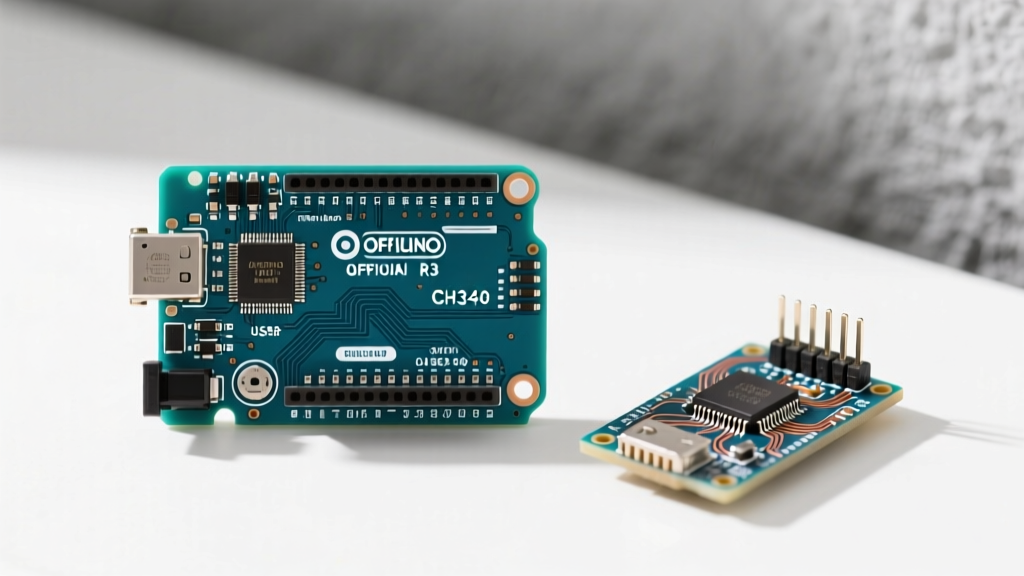
The CH340G and CH340C USB Bridges
Instead of the programmable ATmega16U2, clones almost universally use the WCH CH340 series. Older clones use the CH340G, which requires an external 12MHz crystal oscillator to function. Newer, slightly better clones use the CH340C, which integrates the crystal internally, saving board space. While the CH340 is a highly capable and reliable chip—widely documented in guides like this SparkFun CH340 installation tutorial—it lacks USB HID emulation capabilities and historically required manual driver installation on older versions of Windows, though Windows 11 now handles it natively.
Power Regulation: The AMS1117 Gamble
Clones typically replace the NCP1117 with the AMS1117-5.0. On paper, the AMS1117 is a capable 1A LDO. In practice, budget clone manufacturers often source counterfeit or out-of-spec AMS1117 chips that lack proper thermal shutdown mechanisms. Furthermore, the AMS1117 has a higher dropout voltage and lower thermal tolerance than the NCP1117. If you power a clone board with a 12V wall adapter and draw 200mA from the 5V pin, the counterfeit regulator will frequently overheat, melt its plastic casing, and permanently short the input voltage to the 5V rail, instantly destroying the ATmega328P and any connected sensors.
PCB Thickness and Passives
The official Uno uses a rigid 1.6mm thick FR4 fiberglass substrate with high-quality ENIG or HASL surface finishes. Clones frequently use 1.2mm or even 1.0mm PCBs to save on copper and resin costs. This thinner board flexes when you push tight jumper wires into the female headers, which can lead to micro-fractures in the surface-mount ceramic capacitors, causing intermittent power failures or reset loops.
Head-to-Head Hardware Comparison Matrix
| Component / Feature | Premium (Official Arduino) | Budget (Typical Clone) |
|---|---|---|
| Price (2026 Avg) | $27.60 | $4.50 - $8.00 |
| USB-to-Serial IC | ATmega16U2-MU (Programmable) | WCH CH340G / CH340C (Fixed) |
| 5V Voltage Regulator | ON Semi NCP1117ST50T3G | Generic / Counterfeit AMS1117-5.0 |
| USB Overcurrent Protection | 500mA Resettable PTC Polyfuse | Often omitted or lower-rated (250mA) |
| PCB Thickness | 1.6mm FR4 | 1.0mm - 1.2mm FR4 |
| Crystal Oscillator | High-precision metal can (16MHz) | Cheap ceramic resonator or metal can |
| USB HID Emulation | Native Support | Not Supported |
Real-World Failure Modes and Edge Cases
Understanding where budget boards fail is critical for project planning. Here are the most common edge cases encountered in the field:
- Thermal Runaway on 12V Input: When powering a clone via the barrel jack at 12V while driving a standard 16x2 LCD and a few LEDs (approx. 150mA total draw), the fake AMS1117 regulator will exceed its 125°C junction temperature within 4 minutes. Without thermal shutdown, it vents magic smoke and kills the main MCU.
- USB Enumeration Drops: The cheaper ceramic resonators used on clone boards for the 16MHz clock can drift in frequency when ambient temperatures drop below 10°C or rise above 45°C. This causes the ATmega328P to fail USB serial handshakes, resulting in "Port Busy" or timeout errors in the Arduino IDE during code uploads.
- ADC Noise Floor: Official boards use precision voltage dividers and high-quality decoupling capacitors for the AREF (Analog Reference) pin. Clones often use 5% tolerance carbon film resistors and low-grade electrolytic capacitors, introducing a 15-20mV noise floor on analog readings, which is unacceptable for precision sensor work like load cells or thermocouples.
Final Verdict: Which Board Should You Buy?
If you are building a temporary prototype, a student robotics kit, or a low-stakes hobby project powered strictly via USB (5V), the budget clone is an exceptional value. The ATmega328P core performs identically, and the CH340 chip is perfectly adequate for standard serial communication.
However, if your project will be deployed in the field, powered via a 9V/12V wall adapter, requires USB keyboard/mouse emulation, or demands high analog precision, the premium official Arduino Uno R3 is mandatory. The extra $20 buys you thermal safety, mechanical rigidity, and guaranteed component authenticity, saving you hours of debugging phantom hardware failures.
Frequently Asked Questions
Do clones use the exact same ATmega328P chip?
Most reputable clones use genuine Microchip ATmega328P-PU chips, often sourced from surplus or bulk OEM batches. However, some ultra-cheap clones use the ATmega328B or lower-binned chips that may fail to operate reliably at the full 16MHz clock speed under extreme temperatures.
Can I use the official Arduino IDE with clone boards?
Yes. The Arduino IDE does not check for hardware authenticity. You simply select "Arduino Uno" from the boards menu. The only difference is that you may need to install the CH340 driver if your operating system does not automatically fetch it via Windows Update.
Is the Arduino Uno R4 a better premium alternative?
The Uno R4 Minima and WiFi offer vastly superior specs (Renesas RA4M1 ARM Cortex-M4, 48MHz, 256KB Flash). However, if your project relies on legacy 5V logic shields or specific ATmega328P hardware timers and interrupts, the R3 remains the required choice for backward compatibility.