
The Anatomy of a Potentiometer Circuit Board Assembly
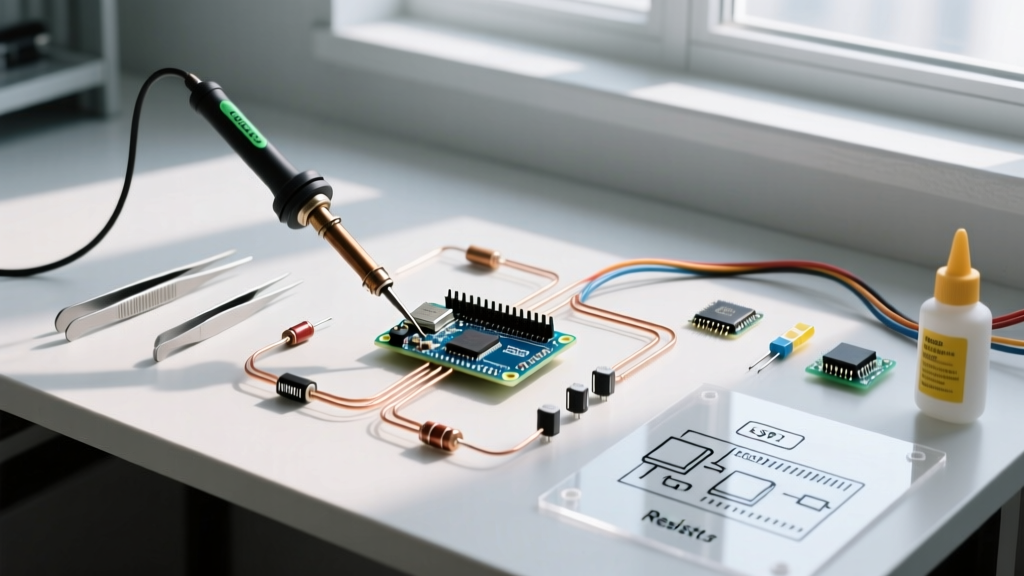
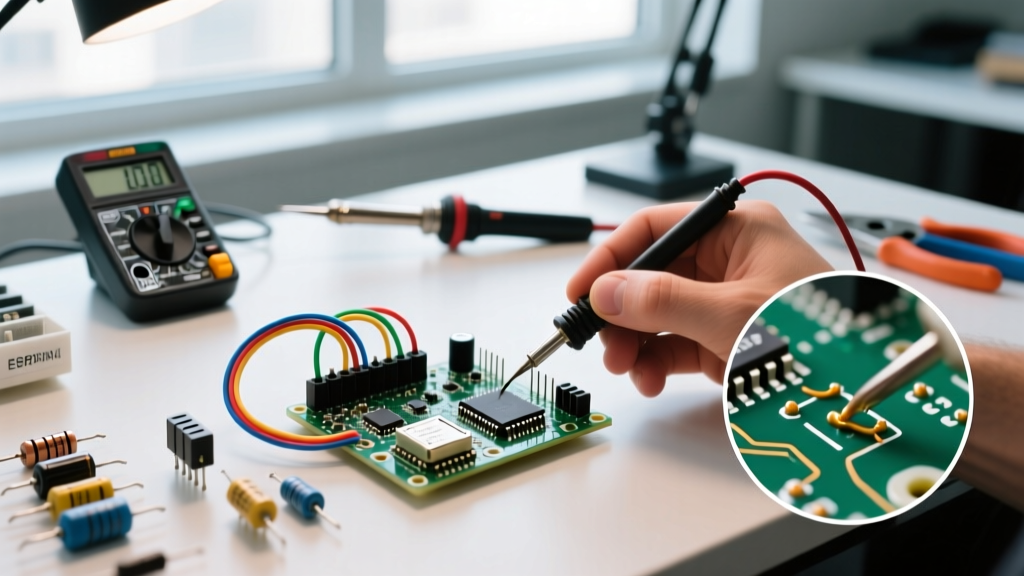
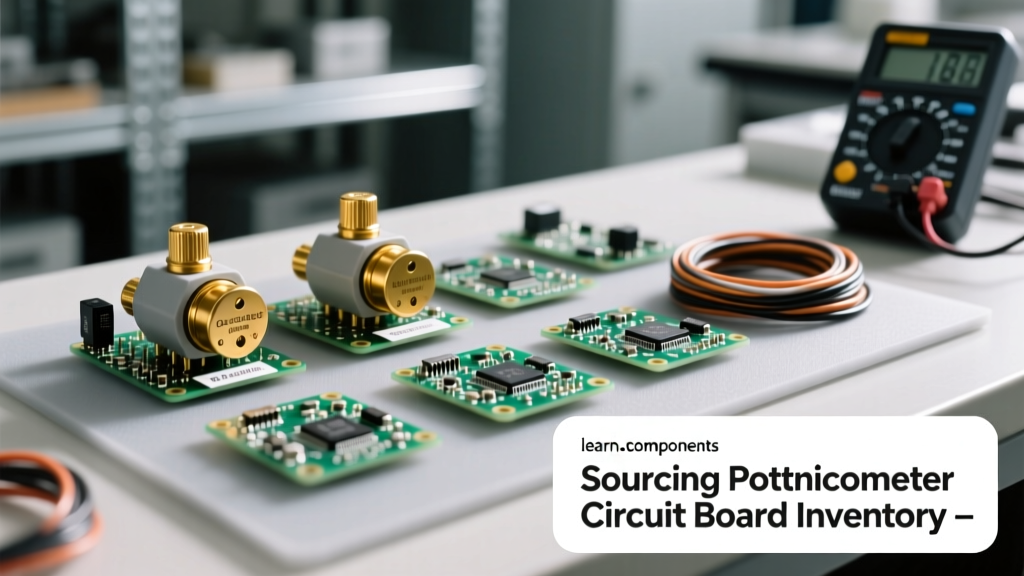
Managing an electronics lab or a contract manufacturing inventory requires a meticulous approach to electromechanical components. Among the most deceptively complex parts to source, stock, and deploy is the potentiometer circuit board assembly. When engineers and procurement specialists refer to a 'potentiometer circuit board', they are typically addressing two distinct sourcing categories: raw PCB-mount potentiometers (trimmers, slide pots, and rotary dials) designed to be soldered directly onto a custom PCB, and pre-assembled breakout boards featuring a potentiometer mounted on a standardized module for rapid prototyping.
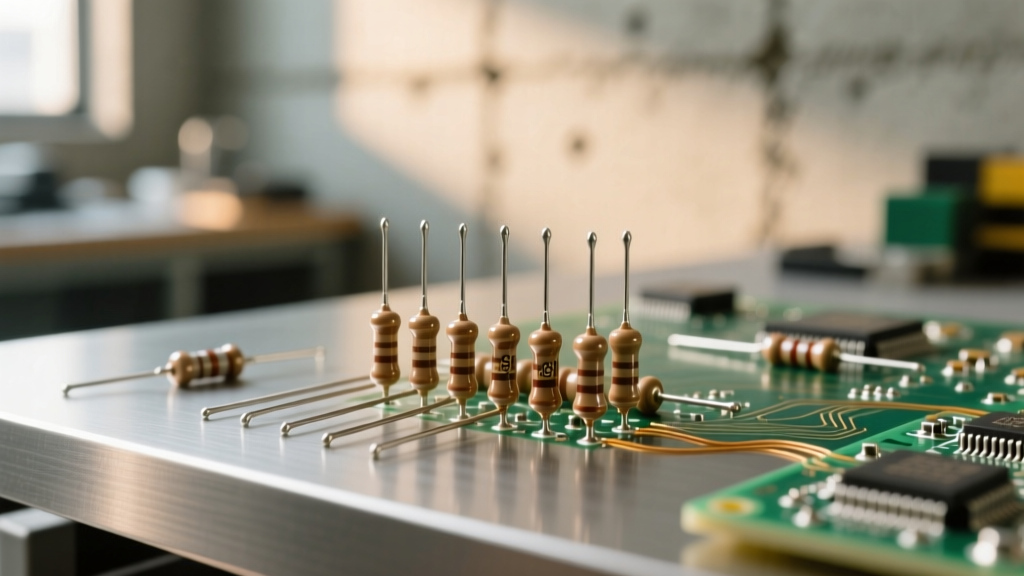
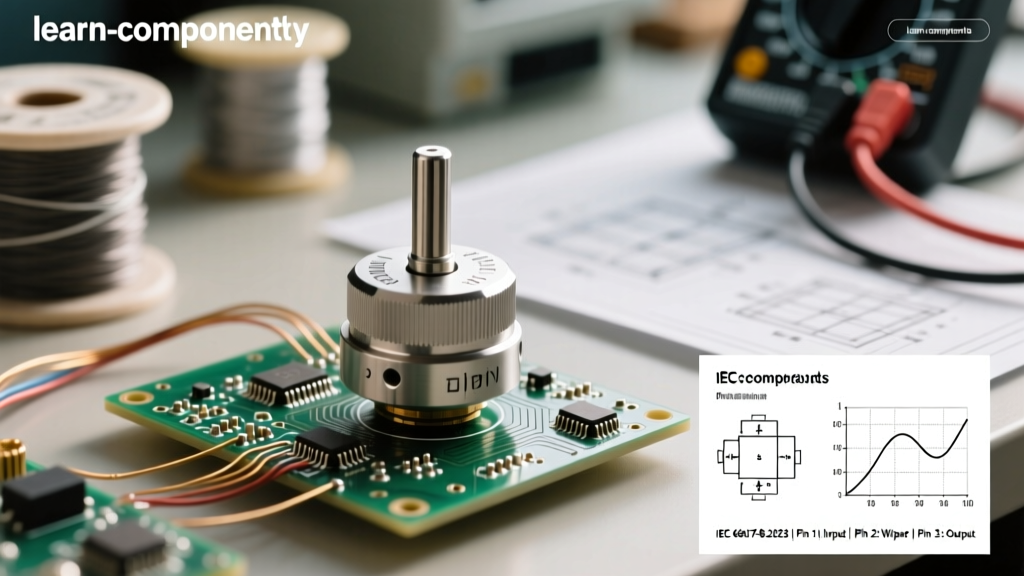
Understanding the physical anatomy of these components is the first step in building a robust inventory. A standard PCB-mount potentiometer consists of a resistive track (carbon composition, cermet, or conductive plastic), a mechanical wiper, and termination pins designed for either Through-Hole Technology (THT) or Surface-Mount Device (SMD) pads. The integration of the mechanical shaft with the PCB footprint is a critical failure point; improper sourcing can lead to shaft shearing during automated wave soldering or solder joint cracking during PCB depanelization.
Sourcing Strategy: Through-Hole vs. SMD Trimmers
When stocking your inventory, the decision between THT and SMD potentiometers dictates your assembly line capabilities and long-term reliability. THT potentiometers, such as the industry-standard Bourns 3296W multi-turn trimmer, offer superior mechanical stability. The long leads absorb mechanical stress when a technician adjusts the wiper with a tuning tool, preventing the solder joints from fracturing. However, THT components require drilled vias, increasing bare PCB fabrication costs and slowing down automated pick-and-place assembly.
Conversely, SMD potentiometers like the Bourns 3314J series are ideal for high-density, high-volume production. They can be fed through standard reflow ovens alongside ICs and passives. The primary risk with SMD pots is thermal mass mismatch. The ceramic or cermet substrate of the potentiometer body heats at a different rate than the surrounding FR4 fiberglass and copper pours. If the reflow profile is not optimized, the solder joints can develop micro-fractures, leading to intermittent open circuits that only manifest after the device experiences thermal cycling in the field.
Real-World Part Numbers and Bulk Pricing Tiers
To build a comprehensive component library, procurement teams must balance the premium cost of precision cermet tracks against the affordability of carbon composition. Below is a comparison of three staple potentiometer circuit board components frequently stocked in R&D and production environments.
| Feature | Bourns 3296W (THT Multi-Turn) | Bourns 3314J (SMD Single-Turn) | ALPS RS60 (Slide Potentiometer) |
|---|---|---|---|
| Track Material | Cermet | Cermet | Carbon Composition |
| Tolerance | ±10% | ±20% | ±20% |
| Cycle Life | 1,000 cycles | 100 cycles | 10,000 cycles |
| Unit Price (1k qty) | $0.85 | $0.42 | $1.15 |
| Primary Application | Calibration / Precision Tuning | Automated SMD Assembly | Audio Mixing / Faders |
According to DigiKey's trimmer potentiometer catalog, purchasing cermet multi-turn trimmers in cut-tape or tube quantities of 1,000+ can reduce unit costs by up to 40% compared to single-unit prototyping prices. For high-volume manufacturing, sourcing full reels of SMD variants directly from authorized distributors ensures traceability and consistent date codes.
Inventory Management: Preventing Track Oxidation and Wiper Failure
Potentiometers are uniquely vulnerable to environmental degradation while sitting in inventory. Unlike solid-state resistors or ceramic capacitors, a potentiometer relies on physical friction between a wiper and a resistive track. If stored improperly, the track can oxidize, or microscopic dust can infiltrate the housing, leading to a phenomenon known as 'wiper hopping' or high Contact Resistance Variation (CRV).
Carbon composition tracks are particularly susceptible to humidity. When moisture penetrates the housing, it mixes with residual flux or environmental contaminants to form a mildly conductive, corrosive sludge on the track. This alters the total end-to-end resistance and creates dead spots. Cermet and conductive plastic tracks are far more resilient to humidity but can still suffer from galvanic corrosion at the wiper interface if exposed to sulfur-rich environments.
Storage Protocol: Always store potentiometer circuit boards and raw components in their original, factory-sealed moisture barrier bags (MBBs) with active silica gel desiccant. Once the bag is opened, the shelf life before oxidation risks increase drops to approximately 12 months in a standard 40% RH climate-controlled lab. For slide potentiometers, ensure the actuator lever is centered during storage to prevent the internal greases from pooling on one side of the track.
Quality Control: Testing Incoming Potentiometer Boards
When a bulk shipment of potentiometers arrives, relying solely on the manufacturer's datasheet is insufficient for mission-critical applications. Batch variations in the carbon screening process can lead to significant deviations in Equivalent Noise Resistance (ENR). ENR measures the dynamic electrical noise generated by the wiper sliding across the track. A high ENR will introduce severe popping in audio circuits or erratic jitter in microcontroller ADC (Analog-to-Digital Converter) readings.
Essential Multimeter and Oscilloscope Checks
Implement the following incoming inspection protocol for your potentiometer inventory:
- End-to-End Resistance Verification: Use a 4-wire Kelvin multimeter to measure the resistance between Pin 1 and Pin 3. Verify it falls within the stated tolerance (e.g., a 10kΩ pot with ±10% tolerance must read between 9.0kΩ and 11.0kΩ).
- CRV (Contact Resistance Variation) Sweep: Connect a constant DC current source through the outer pins. Connect an oscilloscope (AC-coupled) to the wiper (Pin 2). Slowly rotate the shaft through its full mechanical travel. The peak-to-peak voltage spikes on the oscilloscope represent the CRV. For precision audio or sensor applications, reject batches where CRV exceeds 2% of the total resistance.
- Mechanical Torque Check: Use a calibrated torque gauge to measure the rotational friction. If the torque is too low, the wiper may drift due to ambient vibration in the final product; if too high, it may strip the internal plastic gears or frustrate the end-user.
For a deeper understanding of mechanical and electrical testing parameters, engineers should consult the Bourns 3296 Datasheet, which outlines the exact cycle life and environmental testing standards these components endure before leaving the factory.
Building a Scalable Component Library for Prototyping
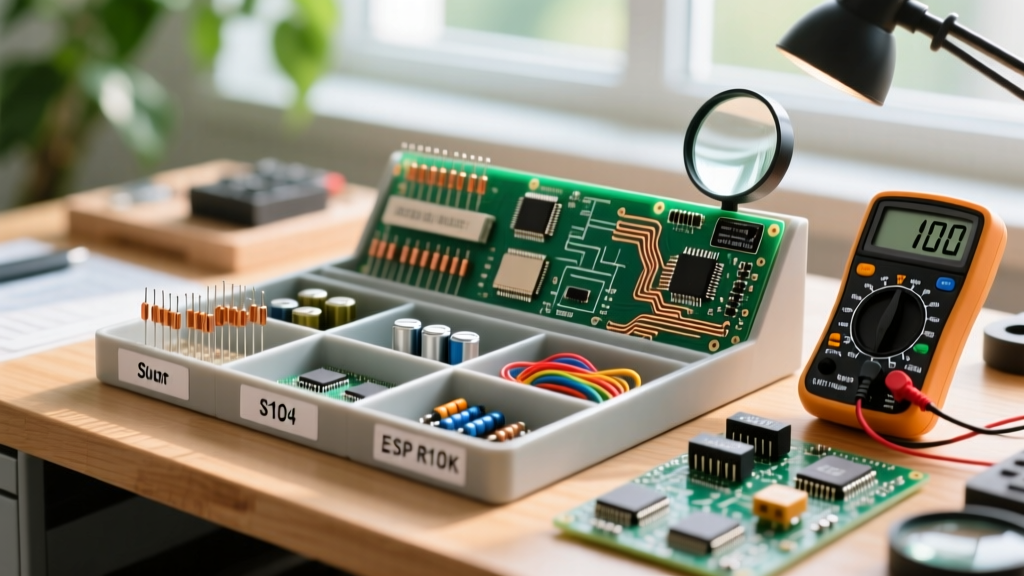
A well-organized prototyping lab requires a different sourcing strategy than a production floor. While production relies on reels and automated feeders, the R&D lab needs immediate access to a wide spectrum of resistance values and form factors. Sourcing pre-mounted potentiometer circuit boards (breakout modules) from vendors like SparkFun or Adafruit is highly recommended for the lab inventory. These modules break out the standard 3-pin potentiometer footprint into standard 0.1-inch header pitches, allowing engineers to test voltage divider logic, PWM dimming circuits, or user-interface concepts on a breadboard without soldering.
However, for custom PCB design, maintain a physical library of sample kits. Mouser's Bourns Trimpot selection includes comprehensive design kits that feature 10-ohm through 2-meg-ohm variants in a single, indexed binder. This allows hardware designers to swap out trimmer values during the bring-up phase of a new PCB to find the optimal feedback loop resistance for an op-amp circuit or the perfect bias voltage for a transistor stage.
Finally, map your physical inventory to your CAD library. Ensure that your PCB footprint designs include adequate courtyard keep-out zones. A common inventory-to-production failure occurs when a procurement team sources a top-adjust trimmer (like the 3296Y) to replace a side-adjust trimmer (like the 3296W) due to stock shortages, only to discover that the 3D clearance in the final enclosure was not designed to accommodate the vertical profile of the substituted part. By strictly managing your potentiometer circuit board inventory with an eye toward mechanical, electrical, and environmental realities, you eliminate costly production delays and ensure long-term device reliability.