
Understanding the Italian Electrical Standard: CEI 23-50
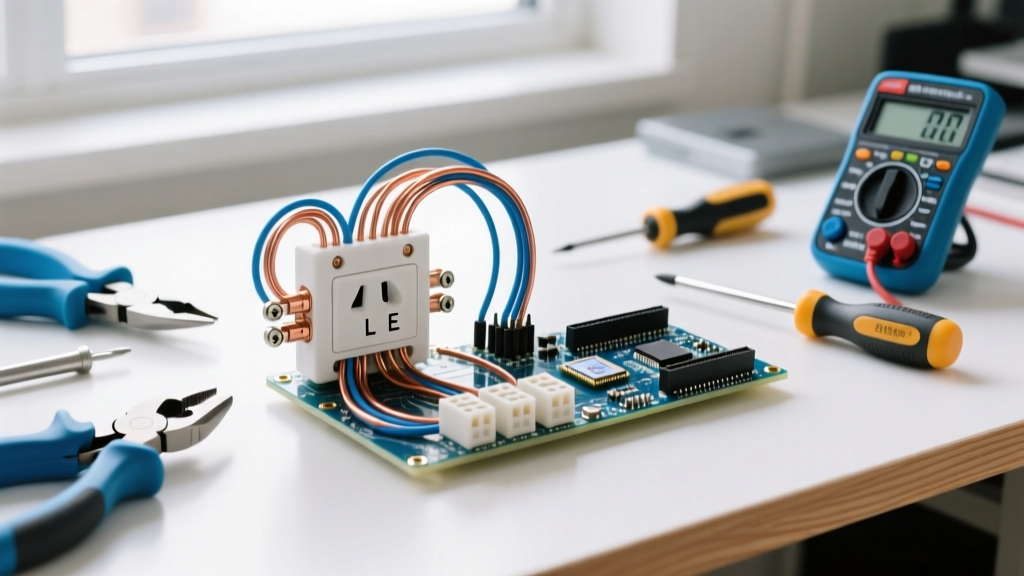
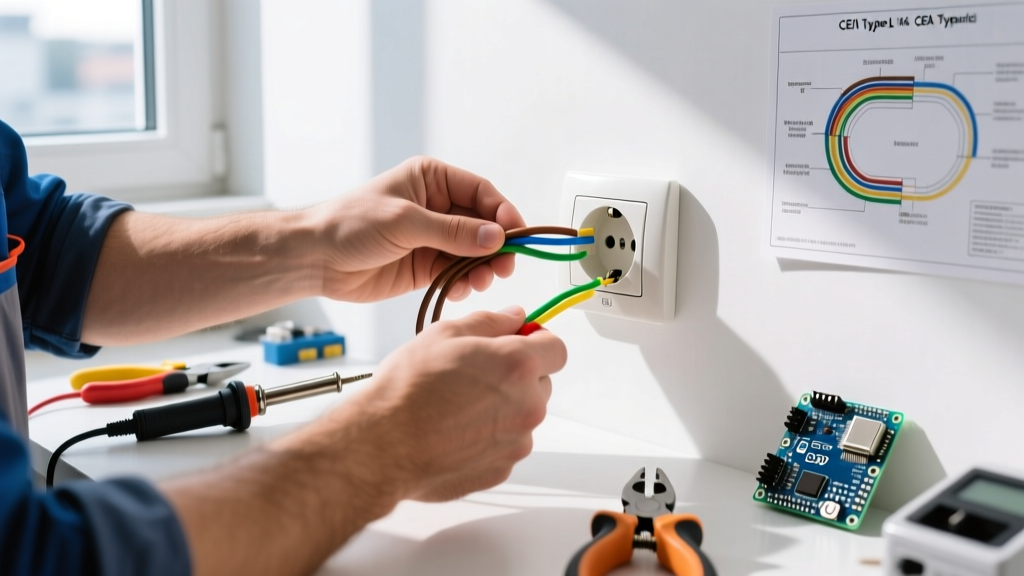
Upgrading an electric outlet in Italy requires navigating a unique national standard that differs significantly from North American, British, and even broader European Schuko systems. Italy operates on a 230V / 50Hz electrical grid and utilizes the Type L plug and socket standard, officially governed by the Comitato Elettrotecnico Italiano (CEI) under the CEI 23-50 specification. According to the IEC World Plugs database, Type L is characterized by three round pins in a straight line, with the central pin serving as the earth ground.
For DIY enthusiasts and expats tackling home renovations in cities like Rome, Milan, or Florence, understanding the physical and electrical nuances of these receptacles is critical. A mismatched upgrade can lead to tripped breakers, melted faceplates, or severe shock hazards. This comprehensive replacement guide will walk you through the modular Italian wall box system, wiring color codes, and the best premium brands for a modern 2026 upgrade.
The Italian 3-Module Wall Box System (503 Standard)
The most jarring difference for foreigners replacing an electric outlet in Italy is the wall box architecture. Unlike the US single-gang or UK square wall boxes, Italy predominantly uses the rectangular 503 wall box, designed to hold exactly three standard modules side-by-side.
Expert Insight: In Italy, you rarely buy a 'complete' outlet. Instead, you purchase three separate components: the supporto (the internal metal/plastic frame that screws into the wall box), the modulo (the actual electrical receptacle mechanism), and the placca (the decorative outer faceplate). This modularity allows you to mix a light switch, a USB charger, and a Type L outlet in a single 3-module frame.
Before purchasing replacement parts, you must verify whether your existing wall box is a standard 3-module (503), a 4-module (504), or a 7-module (507) configuration. Measure the internal frame width: a standard 3-module frame is approximately 83mm wide.
10A vs 16A vs Bipasso: Choosing the Right Receptacle
Historically, Italy split its receptacles into two distinct sizes based on amperage. When upgrading, you must decide whether to maintain the legacy sizing or modernize with a universal receptacle.
| Receptacle Type | Pin Diameter | Pin Spacing | Max Load (at 230V) | Best Application |
|---|---|---|---|---|
| 10A (Small) | 4.0 mm | 19 mm | 2300W | Lighting, TVs, small appliances |
| 16A (Large) | 5.0 mm | 26 mm | 3680W | HVAC, ovens, washing machines |
| Bipasso | Accepts 4.0 & 5.0 | Dual spacing | Up to 16A | General purpose room upgrades |
| Multistandard (Schuko/L) | Accepts L & Type F | Universal | Up to 16A | Modern kitchens, international homes |
2026 Upgrade Recommendation: Always replace old 10A-only or 16A-only sockets with Bipasso or Multistandard (Schuko-compatible) modules. This eliminates the need for dangerous plug adapters when using modern European appliances that feature the thicker 5.0mm Schuko pins.
Essential Tools for the Job
Working with 230V systems requires strict adherence to safety protocols. Gather the following tools before beginning:
- Cercafase (Phase Tester): A specialized Italian screwdriver with an internal neon lamp to verify the presence of live voltage.
- Digital Multimeter: For verifying zero potential between Phase and Neutral, and checking continuity to ground.
- VDE-Certified Insulated Screwdrivers: Flathead (3mm and 4mm) and Phillips (PH1) rated for 1000V.
- Wire Strippers: Capable of cleanly stripping 1.5mm² and 2.5mm² solid copper wire without nicking the conductor.
- Wall Box Extractor Tool: Optional but highly recommended for popping out the old modular frame without damaging the surrounding plaster.
Step-by-Step Replacement Procedure
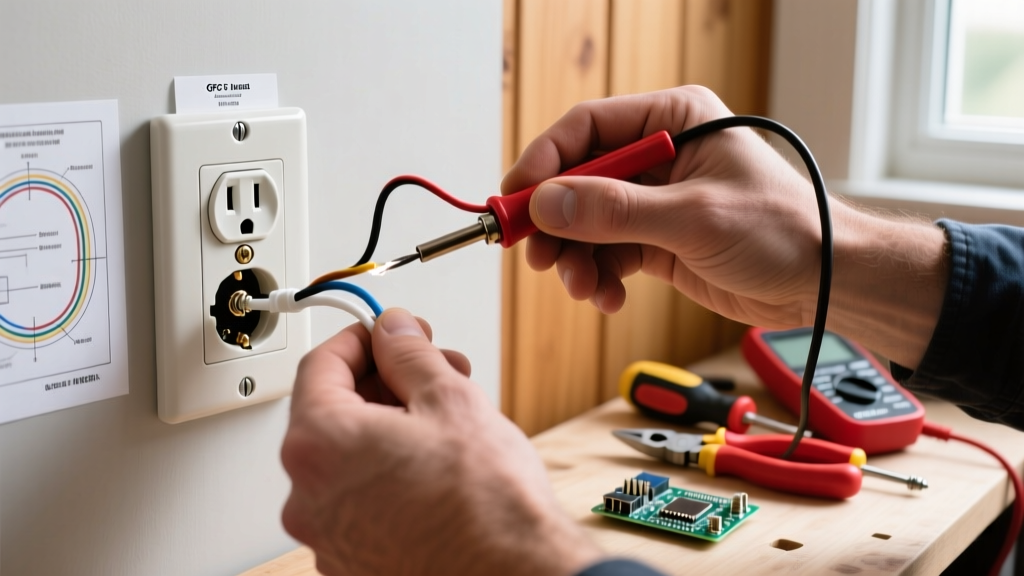
- Isolate the Circuit: Turn off the main breaker (interruttore generale) at the consumer unit. Do not rely solely on individual room breakers, as older Italian panels are often mislabeled.
- Verify Zero Voltage: Insert your cercafase into all three holes of the existing outlet. The neon lamp must remain completely dark. Follow up with a multimeter set to AC Voltage (V~) testing between the outer pins to confirm 0V.
- Remove the Faceplate and Frame: Use a flathead screwdriver to gently pry off the outer decorative placca. Unscrew the two long machine screws securing the internal supporto to the 503 wall box.
- Extract the Module: Push the retaining clips on the top and bottom of the old outlet module to release it from the frame rails.
- Disconnect and Inspect Wires: Loosen the terminal screws. Note the wiring configuration. Pull the wires out and inspect the insulation for crumbling or heat damage.
- Wire the New Bipasso Module: Insert the wires into the new receptacle terminals. The central terminal is Earth (Terra). The outer terminals are Phase and Neutral. (See wiring color section below).
- Secure and Test: Snap the new module into the frame, screw the frame back into the wall box, attach the faceplate, restore power, and test with a multimeter or appliance.
Wiring Color Codes: Modern vs. Vintage Italian Homes
One of the most dangerous aspects of replacing an electric outlet in Italy is encountering outdated wiring colors. Italy adopted the IEC 60446 color standard in the late 1970s, but older homes frequently feature legacy colors.
Modern Standard (Post-1980s)
- Phase (Linea): Brown (or Black/Grey)
- Neutral (Neutro): Blue
- Earth (Terra): Yellow/Green striped
Legacy Standard (Pre-1980s)
- Phase: Red, White, or sometimes Black
- Neutral: Grey, Blue, or Green
- Earth: Bare copper, Black, or completely missing
Critical Safety Rule: Never assume wire colors are correct in an older Italian property. Always use a multimeter to identify the live phase wire at the breaker panel before touching the conductors. If you encounter a two-wire system with no earth ground, consult a licensed elettricista to evaluate the feasibility of pulling a new ground wire through the corrugated conduits.
Top Italian Brands for 2026 Upgrades
When sourcing replacement modules and faceplates, stick to premium domestic manufacturers. They offer superior brass contacts, robust polycarbonate housing, and exact fitments for standard 503 boxes. According to BTicino's official catalog and industry pricing, here are the top tiers:
1. BTicino LivingLight Air
The undisputed market leader in Italy. The LivingLight series offers a sleek, ultra-flat profile. The internal modules feature excellent screw-terminal grip and integrated shutter guards (alveoli schermati) to prevent child insertion. Expect to pay around €8 to €12 for a Bipasso module, and €15 to €30 for a premium tech-polymer faceplate.
2. Vimar Arké
Vimar's Arké line is favored for modern, minimalist renovations. It features rounded edges and a slightly softer mechanical click when inserting plugs. Vimar also offers excellent smart-home integrations, such as their 'Arké Smart' modules that allow Wi-Fi control of connected loads. Pricing is highly competitive, with modules averaging €7 to €10.
3. Gewiss Chorus
Known for industrial-grade durability, Gewiss Chorus modules are ideal for high-load areas like kitchens and laundry rooms. Their 16A terminals are oversized to dissipate heat more effectively during continuous loads (like running a dishwasher). Modules range from €9 to €14.
Troubleshooting Edge Cases in Older Buildings
Missing Earth Ground (Terra)
It is incredibly common to open a wall box in a pre-1970s Italian apartment and find only two wires (Phase and Neutral). Do not bridge the Neutral and Earth terminals. This creates a lethal shock hazard if the neutral wire ever disconnects upstream. If a ground wire cannot be pulled, install a Bipasso module but leave the earth terminal empty. You must then ensure the circuit is protected by a highly sensitive 30mA RCD/GFCI breaker (interruttore differenziale) at the main panel, which is legally required in Italy for all ungrounded socket circuits.
Brittle Insulation and Crumbling Plaster
When pulling wires from the wall box, the insulation on vintage PVC or rubber wiring may flake off. If bare copper is exposed within 5mm of the terminal, wrap it with high-quality heat-shrink tubing or liquid electrical tape before inserting it into the new module. If the plaster around the 503 box is crumbling, use a two-part epoxy filler to rebuild the mounting ears before attempting to screw the new frame into the wall.
Frequently Asked Questions
Can I install a standard Schuko (Type F) outlet in an Italian wall box?
Not directly. A standard German/French Schuko receptacle is round and designed for a 60mm circular wall box. To install a Schuko-compatible outlet in a standard Italian rectangular 503 box, you must buy a specific Multistandard (Bivalente) module designed by BTicino or Vimar. These modules feature a cleverly engineered faceplate that accepts both the straight Type L pins and the circular Schuko plug.
Why does my new outlet spark when I plug in a laptop charger?
Switch-mode power supplies (like laptop chargers) have large internal capacitors that draw a massive inrush current the millisecond they make contact with the live terminal. While a tiny blue spark is normal, heavy sparking indicates either loose terminal screws inside the module or degraded wiring upstream. Ensure your terminal screws are torqued tightly to prevent arcing and subsequent heat buildup.
Do I need a permit to replace outlets in Italy?
Under Italian law (DM 37/08), any modification to the electrical system that alters the design or adds new circuits requires a certified project and a Declaration of Conformity (Dichiarazione di Conformità) signed by a registered professional. However, simple like-for-like maintenance replacements of existing receptacle modules generally fall under ordinary maintenance and do not require formal certification, provided you do not alter the circuit topology.