
The Evolution of the Portugal Electrical Outlet
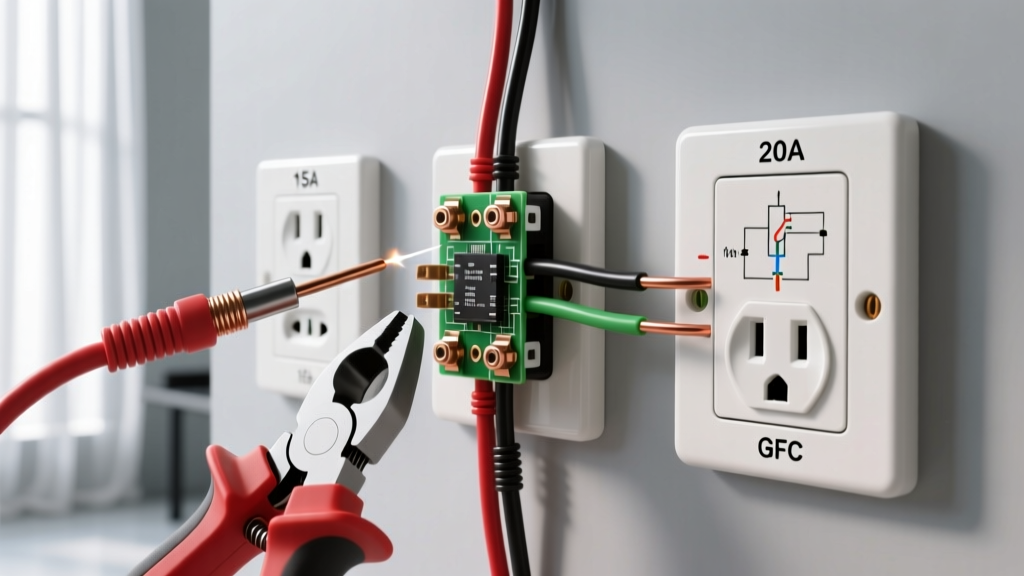
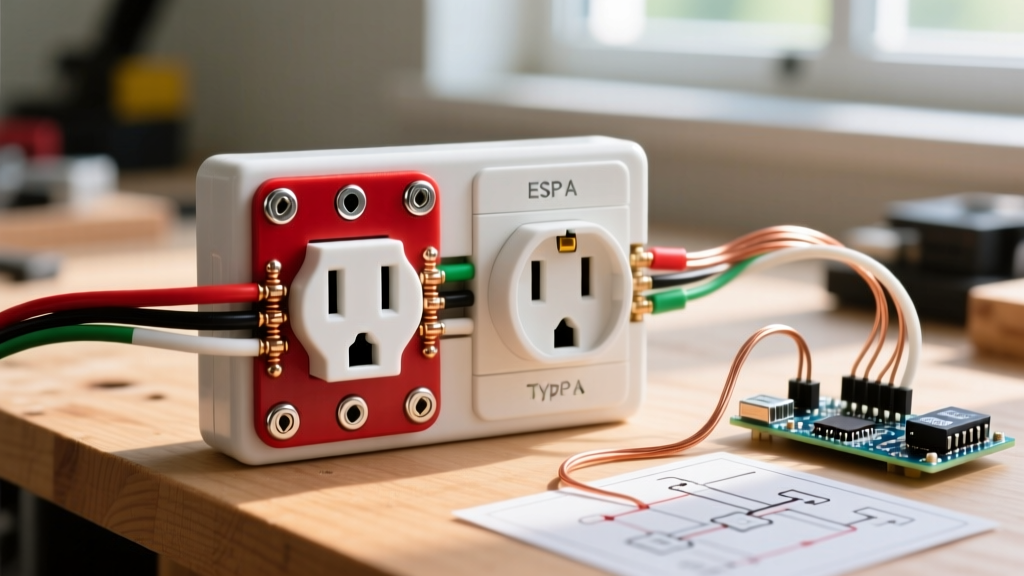
If you own or maintain a property in Portugal built before the late 1990s, you are likely dealing with an aging electrical infrastructure. Historically, many Portuguese homes were fitted with 10A ungrounded receptacles or early, non-standardized socket designs that lack the safety mechanisms required for modern electrical loads. Today, the standard Portugal electrical outlet is the 16A Schuko (CEE 7/3) receptacle, designed to handle higher currents, provide a dedicated earth connection, and integrate child safety shutters.
Upgrading your wall receptacles is not merely an aesthetic choice; it is a critical safety intervention. Modern appliances, from high-wattage air fryers to space heaters, routinely draw between 10A and 16A. Pushing these loads through degraded 10A contacts causes excessive resistance, thermal buildup, and ultimately, melted faceplates or electrical fires. This guide provides a comprehensive, code-compliant approach to replacing outdated Portuguese sockets with modern, high-performance Schuko outlets.
Old Standard vs. Modern Schuko: A Technical Comparison
Before tearing into your walls, it is essential to understand the physical and electrical differences between legacy Portuguese sockets and the current CENELEC-compliant standard.
| Feature | Legacy 10A Portuguese Socket | Modern 16A Schuko (CEE 7/3) |
|---|---|---|
| Current Rating | 10 Amps (Max ~2300W) | 16 Amps (Max ~3680W) |
| Pin Diameter | 4.0 mm (Type C compatible) | 4.8 mm (Type F standard) |
| Earthing | None (Ungrounded) | Dual side earth clips |
| Safety Shutters | Rare / Easily bypassed | Integrated bi-pole shutters |
| Terminal Type | Screw-clamp (prone to loosening) | Screw or modern push-in / lever |
Sourcing the Right Hardware in Portugal
When selecting a replacement Portugal electrical outlet, prioritize brands that manufacture to strict European CENELEC standards and offer robust internal brass contacts. Based on current 2026 market availability and electrician preferences in Portugal, here are the top-tier options:
- EFAPEL Logus 90 (Schuko 16A): A staple in Portuguese electrical installations. EFAPEL is a domestic manufacturer known for excellent UV resistance and durable polycarbonate housings. Expect to pay between €8.50 and €12.00 per unit. You can verify their technical specifications directly via EFAPEL's official catalog.
- Legrand Valena Next (16A with Earth): Offers a sleek, modern aesthetic with advanced push-in terminals that drastically reduce installation time. Priced around €11.00 to €15.00.
- Simon 27 Play: Highly customizable faceplates with a solid 16A internal mechanism. Ideal for modern renovations where design is a priority. Priced at €9.00 to €14.00.
Safety Warning: Never purchase unbranded, ultra-cheap receptacles from unauthorized online marketplaces. Counterfeit outlets often use aluminum or thin steel contacts instead of brass, leading to rapid oxidation, arcing, and severe fire hazards under continuous 16A loads.
Portuguese Wiring Color Codes & Circuit Standards
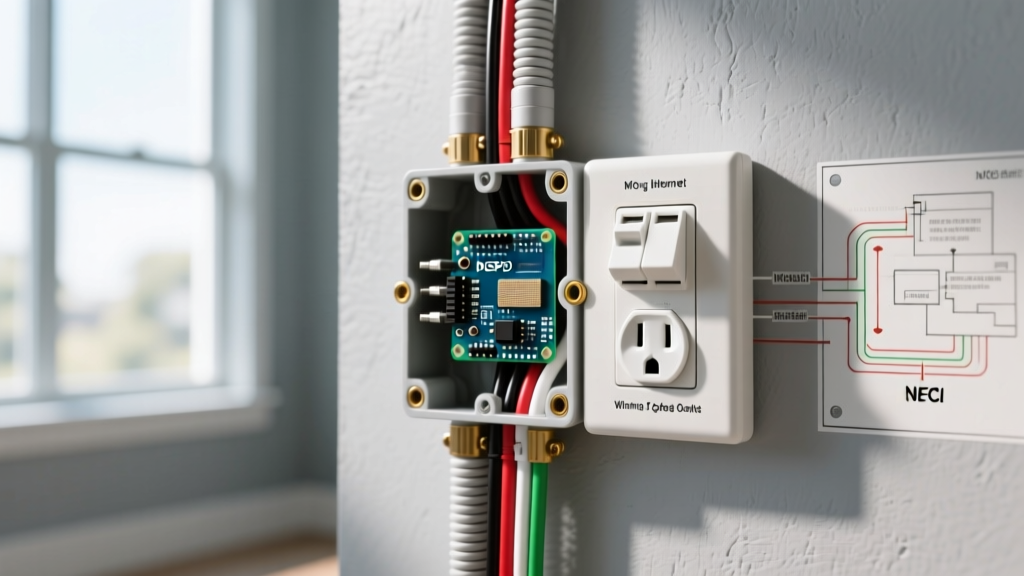
Portugal follows the harmonized CENELEC / IEC color codes for fixed wiring. According to the guidelines enforced by Certiel (the Portuguese certification body for electrical installations), your 2.5mm² solid copper conductors must be identified as follows:
- Brown (Castanho): Phase / Line (L) - Carries the 230V alternating current.
- Blue (Azul): Neutral (N) - The return path for the current.
- Green/Yellow (Verde/Amarelo): Protective Earth (PE) - Critical for fault current diversion.
Note: In pre-1980s Portuguese homes, you may encounter legacy colors like black (phase), grey (neutral), or bare copper (earth). Always map these carefully using a multimeter before disconnecting.
Tools Required for the Upgrade
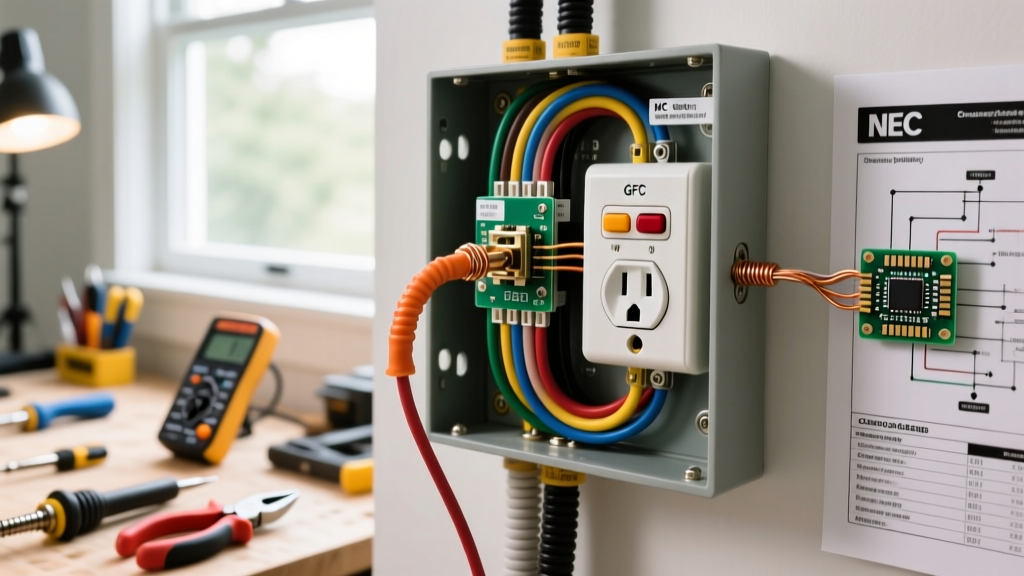
To execute a professional-grade replacement, gather the following specific tools:
- Voltage Tester: Fluke T5-600 or a reliable CAT III non-contact voltage pen.
- Insulated Screwdrivers: VDE-certified flathead and Pozidriv PZ1/PZ2 drivers.
- Wire Strippers: Calibrated for 2.5mm² rigid copper (stripping exactly 12mm of insulation).
- WAGO 221 Lever Nuts: Essential if the existing wires in the backbox are too short or brittle to reach the new terminals safely.
- Torque Screwdriver: Set to 0.5 Nm to prevent over-tightening and crushing the copper conductors.
Step-by-Step Replacement Procedure
Step 1: Isolate and Verify the Circuit
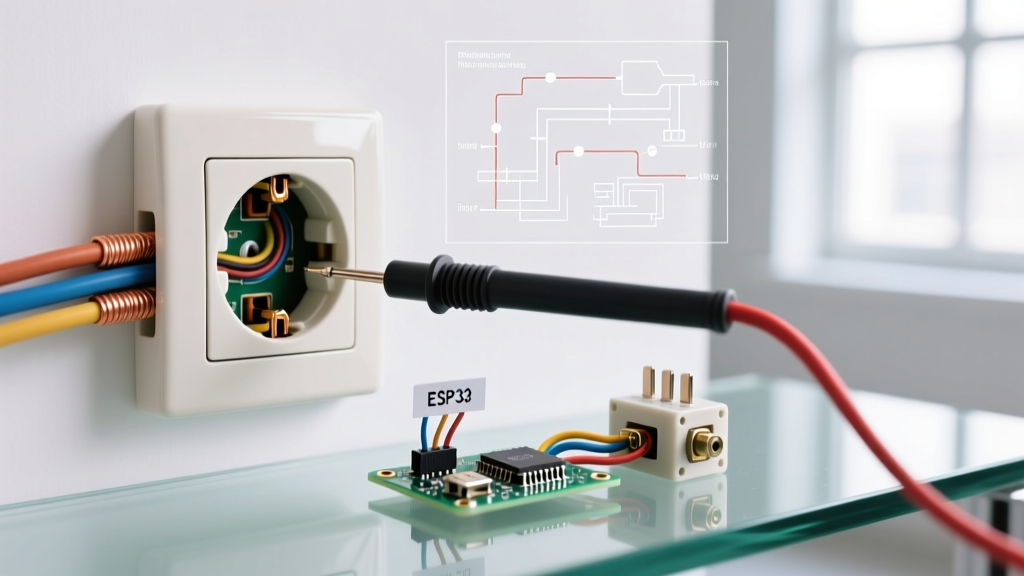
Navigate to your quadro elétrico (consumer unit) and switch off the specific MCB (Miniature Circuit Breaker) controlling the room's sockets. In Portugal, socket circuits are typically protected by a 16A or 20A C-curve breaker. After flipping the breaker, insert your voltage tester into the existing outlet to confirm 0V. Always test a known live circuit first to verify your tester is functioning.
Step 2: Extract the Legacy Receptacle
Remove the center cover plate and unscrew the two mounting screws securing the receptacle to the wall box (caixa de derivação). Gently pull the socket outward. If the wires are rigid and old, support them with your fingers to prevent the copper from snapping at the insulation boundary.
Step 3: Evaluate and Prepare the Conductors
Inspect the exposed copper. If it shows signs of green oxidation (verdigris) or the insulation is crumbling, snip the wire back to clean copper. Strip exactly 12mm of insulation. If the wires are now too short to comfortably reach the new Schuko terminals, use WAGO 221 3-port lever connectors to pigtail a short extension of new 2.5mm² wire.
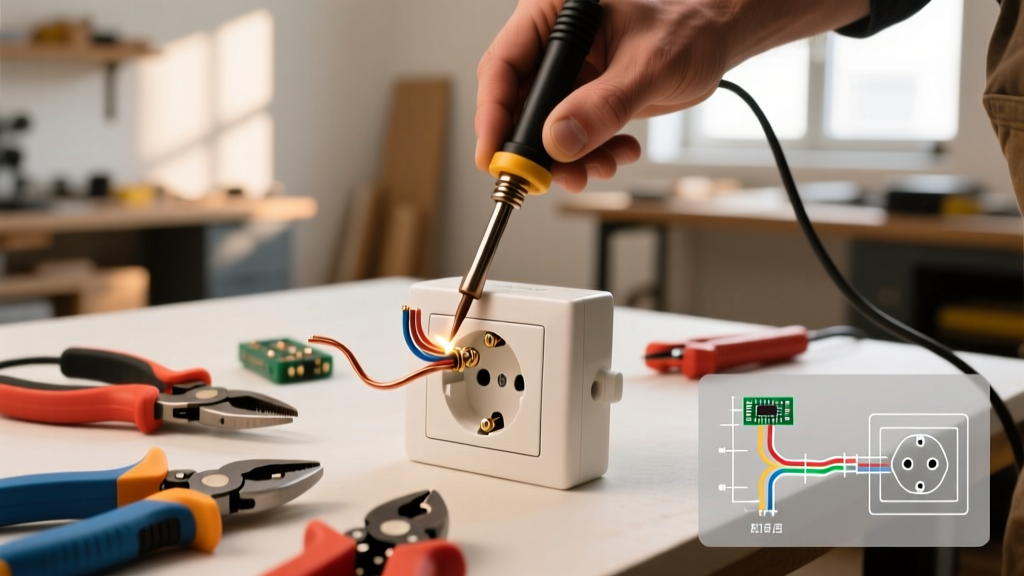
Step 4: Terminate the New Schuko Outlet
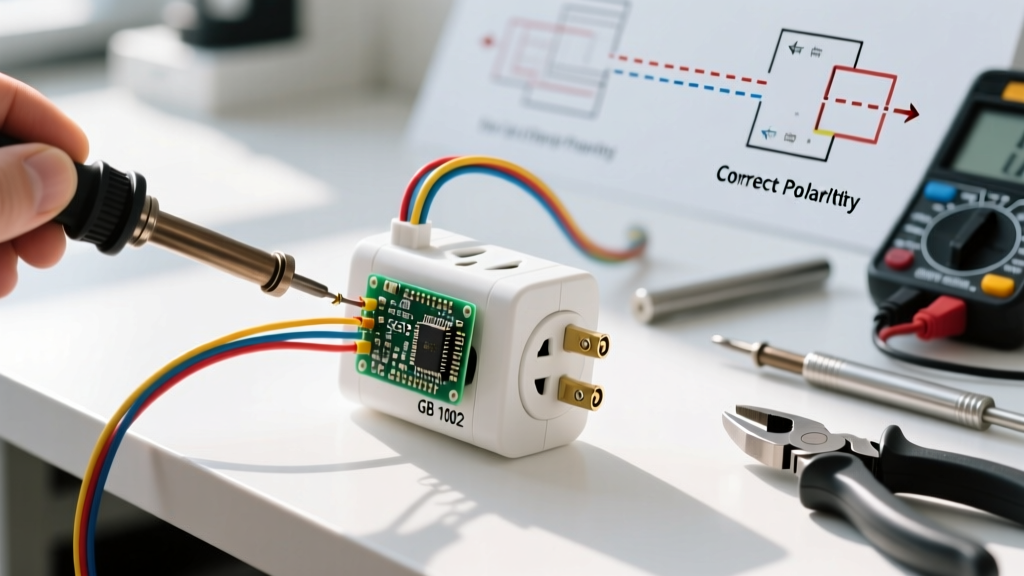
Connect the wires to the new Portugal electrical outlet according to the standard pinout:
- Brown (Phase) to the Right terminal (when facing the socket).
- Blue (Neutral) to the Left terminal.
- Green/Yellow (Earth) to the central Earth terminal block.
Tighten the terminal screws to 0.5 Nm. Give each wire a firm, sharp tug to ensure it is mechanically locked in place.
Step 5: Mount and Test
Carefully fold the wires into the backbox using a gentle S-curve to avoid pinching the insulation against the metal mounting claws. Secure the receptacle to the wall box, attach the faceplate, restore power at the consumer unit, and test with a receptacle tester to verify correct phase, neutral, and earth continuity.
Troubleshooting Edge Cases in Older Portuguese Homes
The Missing Earth Wire Dilemma
One of the most common issues when upgrading a Portugal electrical outlet in a home built before 1985 is the complete absence of a Green/Yellow earth wire in the wall box. Do not attempt to 'bootleg' the ground by bridging the neutral and earth terminals. This creates a lethal shock hazard if the neutral wire ever becomes disconnected upstream.
The Code-Compliant Solution: If you cannot pull a new earth wire through the conduits, you must install a Schuko socket without an earth connection but ensure the circuit is protected by a highly sensitive 30mA RCD (Interruptor Diferencial) at the main board. While this does not provide equipment grounding for surge protectors, the 30mA RCD will trip in milliseconds if a human touches a live chassis, satisfying the life-safety requirements outlined by the International Electrotechnical Commission (IEC) standards for legacy installations.
Cracked or Crumbling Backboxes
Older Portuguese homes often utilized shallow, brittle plastic or rusted metal backboxes. If the mounting claws of your new EFAPEL or Legrand socket refuse to grip, do not force them, as this will crack the surrounding plaster. Instead, use specialized drywall repair rings (anéis de reparação) that adhesive-bond to the existing box, providing fresh, robust M4 threaded holes for the new receptacle.
Final Thoughts on System Longevity
Upgrading to a modern 16A Schuko receptacle brings your property in line with current European safety standards, eliminates thermal bottlenecks, and ensures your high-draw appliances operate safely. By respecting the CENELEC color codes, utilizing proper termination techniques, and addressing missing earth wires with RCD protection rather than dangerous shortcuts, you guarantee a resilient and safe electrical environment for decades to come.