
The Short Answer: Is a Standard Wall Outlet AC or DC?
To answer the fundamental question immediately: a standard North American wall outlet provides Alternating Current (AC). Specifically, it delivers 120 volts of AC at a frequency of 60 Hertz (Hz). In larger appliances like electric dryers or HVAC systems, the outlet supplies 240V AC. The electrical grid is designed around AC because it is vastly more efficient for transmitting power over long distances from power plants to your home.
However, the reason many homeowners ask "is an electrical outlet ac or dc" is due to the devices we plug into them. Almost all modern consumer electronics—smartphones, laptops, LED TVs, and smart home hubs—operate internally on Direct Current (DC). Because the wall provides AC, we historically relied on bulky external power adapters (colloquially known as "wall warts" or "power bricks") to rectify and step down the 120V AC into the 5V to 20V DC required by the device.
Why the Confusion? The AC-to-DC Conversion Reality
The confusion stems from the evolution of power delivery. While the National Fire Protection Association (NFPA) and the National Electrical Code (NEC) strictly regulate the AC infrastructure in your walls, the endpoint devices demand DC.
When you measure a standard 120V AC outlet with a multimeter, you are reading the RMS (Root Mean Square) voltage. The actual peak voltage of a standard US outlet reaches approximately 170 volts during each sine wave cycle. External power adapters must safely step down this 170V peak AC to a steady, flat DC voltage. Historically, this was done with heavy, inefficient transformer-based linear regulators. Today, switched-mode power supplies (SMPS) do the heavy lifting, but they still take up physical space and clutter your baseboards.
The 2026 Upgrade Standard: AC/DC Combo Receptacles
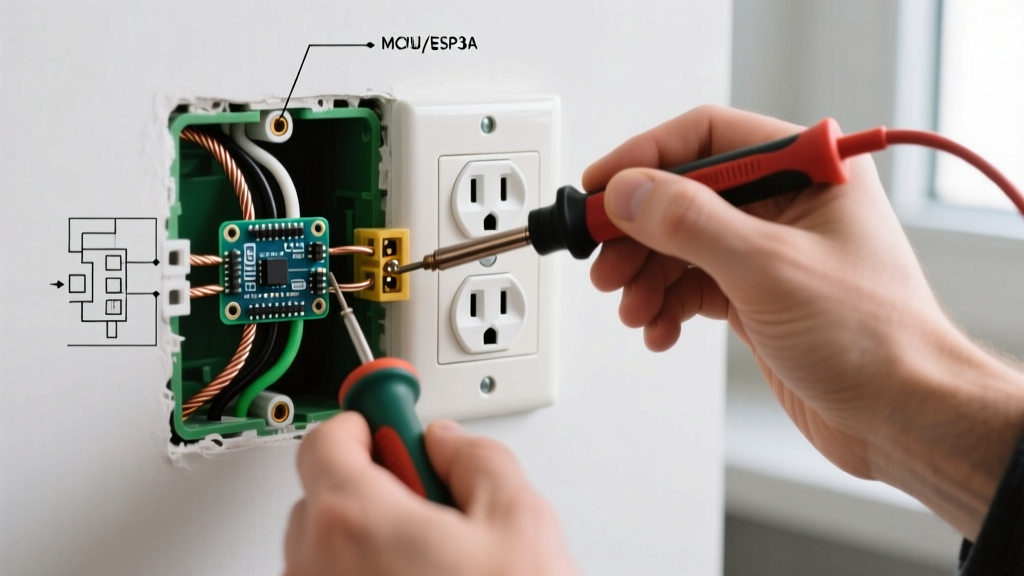
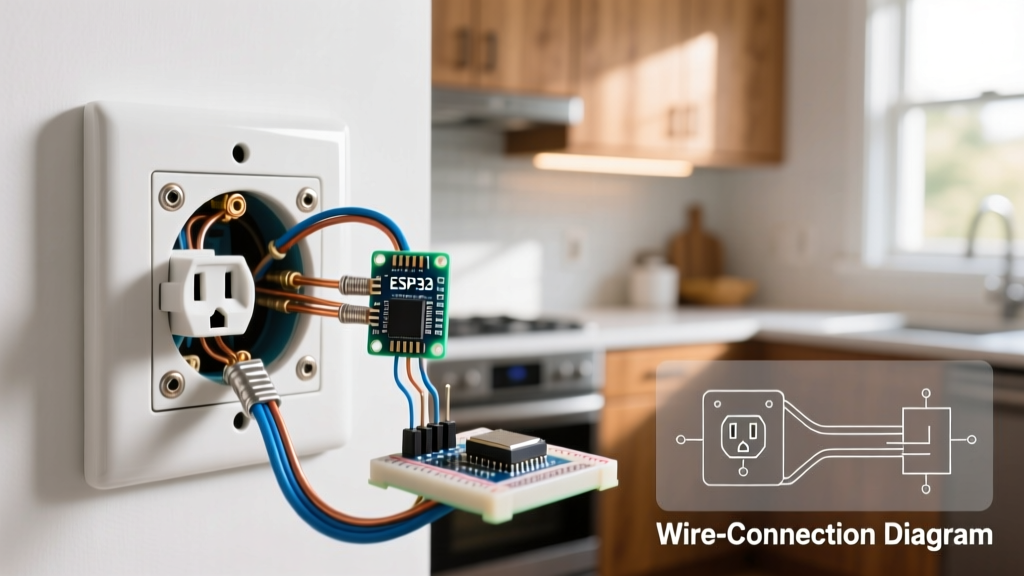
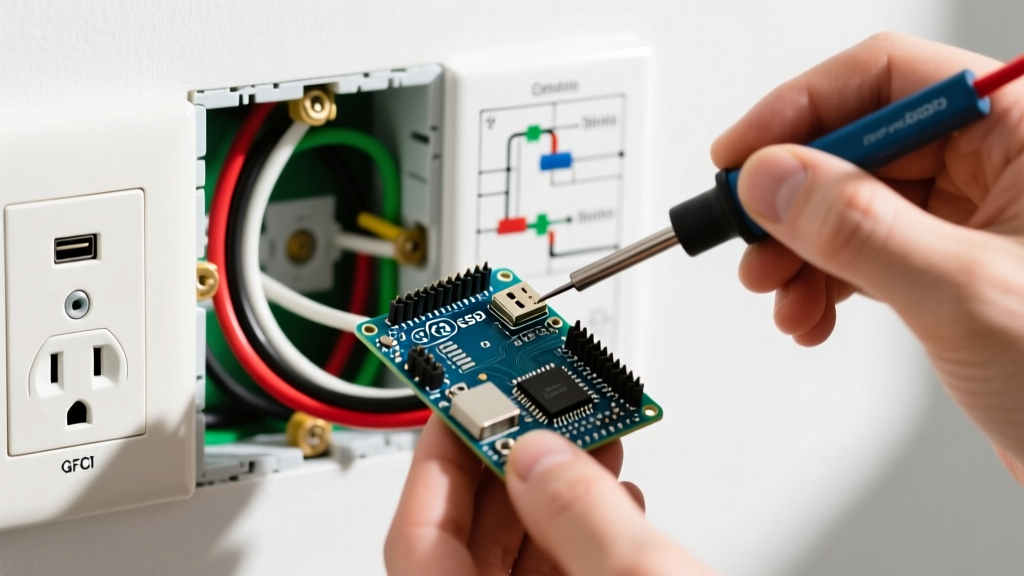
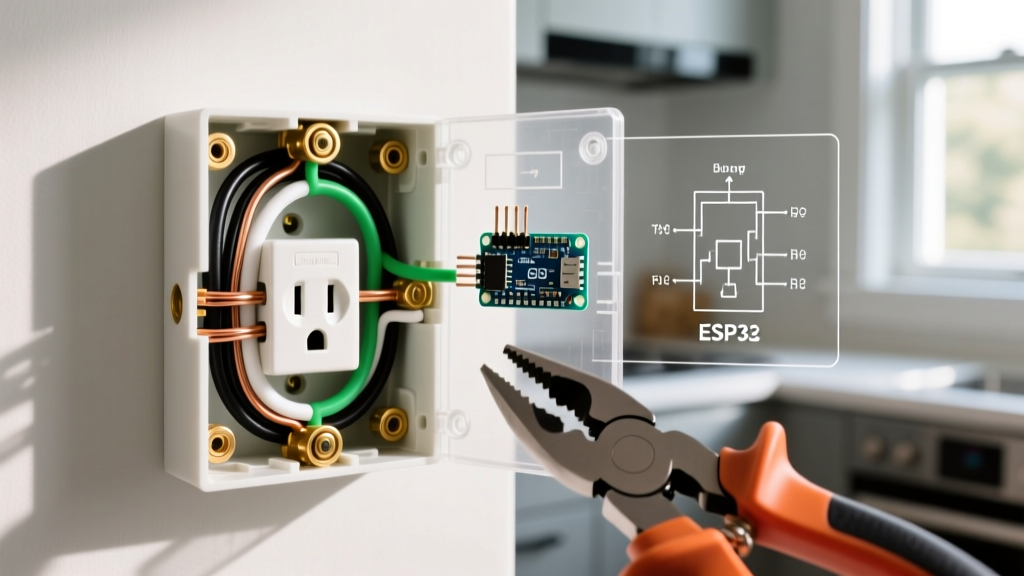
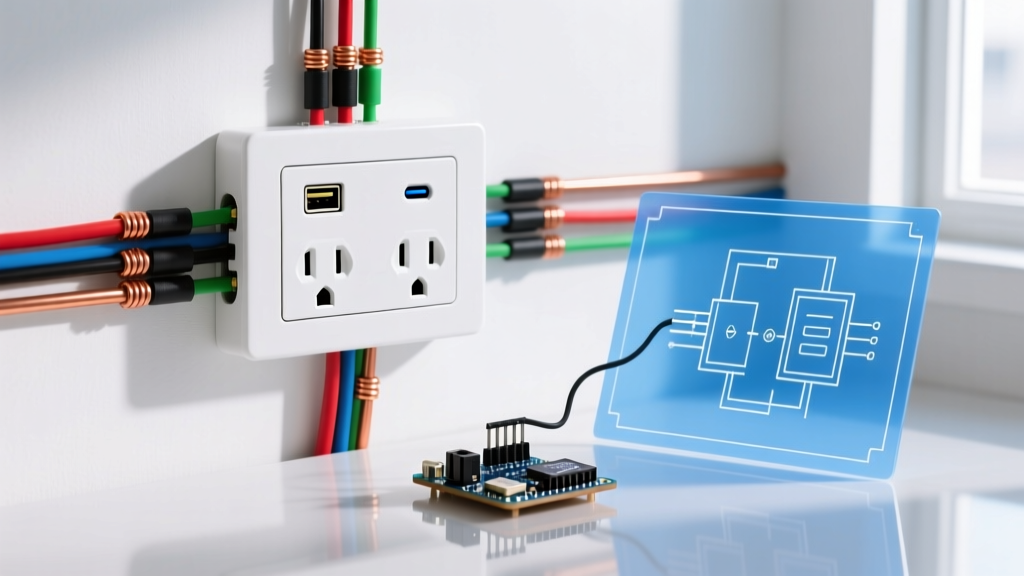
As a homeowner looking to modernize, the most practical way to bridge the AC-to-DC gap is by upgrading standard AC-only duplex receptacles to integrated AC/DC combo outlets. These devices feature standard 120V AC NEMA 5-15R slots on the top and bottom, while integrating a DC power supply and USB ports (specifically USB-C Power Delivery) directly into the center of the yoke.
Expert Insight: Avoid older USB-A combo outlets manufactured before 2020. They typically max out at 12W to 15W shared across ports, which is woefully inadequate for modern devices. For a 2026 upgrade, exclusively specify USB-C receptacles featuring GaN (Gallium Nitride) internal switching chips, which support USB-C PD 3.1 standards and deliver up to 30W of DC power while running significantly cooler.
Component Comparison: Standard AC vs. AC/DC Combo vs. Pure DC
| Receptacle Type | Example Model | Output | Avg. Cost | Primary Use Case |
|---|---|---|---|---|
| Standard AC Duplex | Leviton 5320-WMP | 120V AC (15A) | $3.00 - $5.00 | General lighting, lamps, AC appliances |
| AC/DC USB-C Combo | Leviton T5636 (GaN) | 120V AC + 30W DC (USB-C PD) | $28.00 - $35.00 | Bedrooms, kitchens, home offices |
| Pure DC Receptacle | Blue Sea Systems 12V DC | 12V / 24V DC | $15.00 - $25.00 | RVs, marine, off-grid solar setups |
Step-by-Step Upgrade Guide: Installing a USB-C AC/DC Receptacle
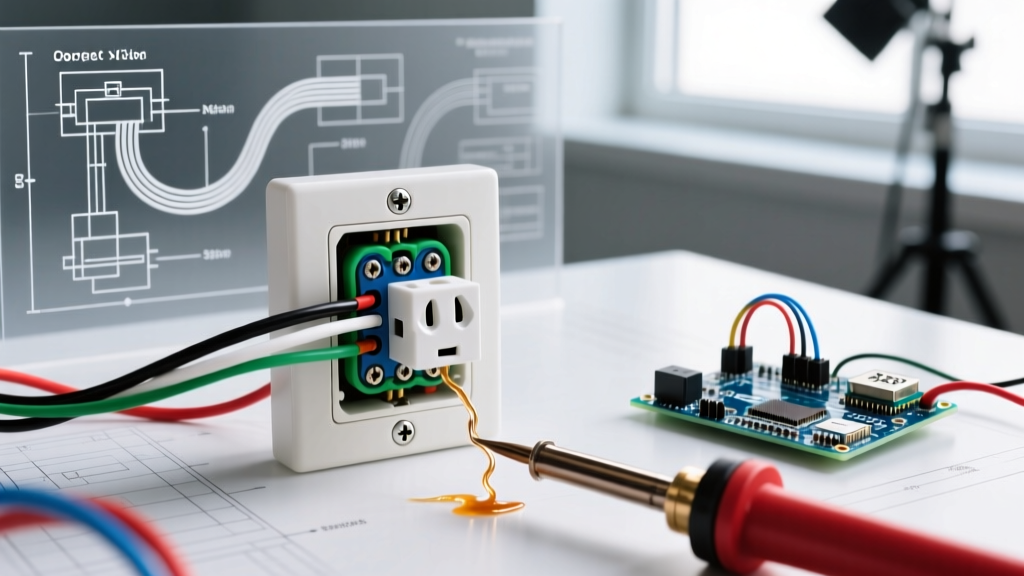
Replacing a standard AC outlet with an AC/DC combo receptacle requires no special wiring, as the DC conversion happens internally within the outlet's housing. However, the physical depth of the outlet body is larger due to the internal SMPS components.
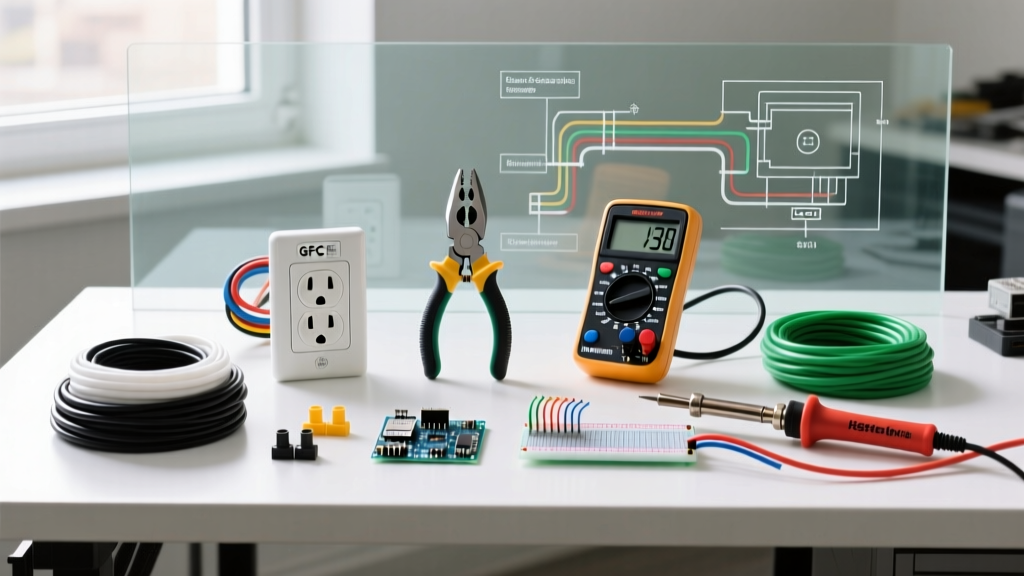
- Kill the Power and Verify: Turn off the circuit breaker. Use a non-contact voltage tester (e.g., Klein Tools NCVT-3) and a multimeter to confirm 0V across the hot, neutral, and ground wires.
- Extract and Inspect: Remove the existing receptacle. Check the wiring gauge. Most bedroom and living room circuits use 14 AWG copper on a 15-amp breaker. If you find 12 AWG copper on a 20-amp circuit, you must purchase a 20-amp rated AC/DC combo receptacle (e.g., Cooper Wiring Devices TR7745).
- Address Box Depth: Internal USB-C transformers require deeper electrical boxes. If you have a shallow 1.5-inch pancake box, you will need to use an extender ring or replace the box with a standard 2.5-inch deep remodel box to prevent crushing the wires and overheating the DC components.
- Terminate to Torque Specs: The EPA ENERGY STAR guidelines and NEC 110.14(D) require proper termination. Do not just tighten the screws by feel. Use a calibrated torque screwdriver set to 14 in-lbs for 14 AWG wire on a 15A receptacle to prevent arcing and ensure optimal current flow to the internal DC converter.
- Secure and Test: Push the wires neatly into the box, ensuring the internal USB-C transformer does not pinch the bare ground wire. Mount the receptacle, install the included oversized faceplate, and restore power. Test the AC slots with a lamp and the DC USB-C port with a multimeter or a PD-compatible smartphone.
Edge Cases: When You Actually Need a Pure DC Outlet
While 99% of residential wall outlets are AC, there are specific scenarios where a pure DC outlet is installed. If you are upgrading an off-grid cabin, an RV, or a localized solar microgrid, you may encounter 12V or 24V DC receptacles.
These are entirely different from standard NEMA 5-15R AC outlets. They often utilize Anderson Powerpole connectors, specialized marine 12V sockets, or telecom-grade DC barrel jacks. Wiring a pure DC outlet requires strict adherence to polarity (positive to positive, negative to negative), as reversing DC polarity can instantly destroy connected electronics. Furthermore, DC voltage drop over distance is much more severe than AC; therefore, DC outlet circuits usually require heavily upsized wire (e.g., 10 AWG or 8 AWG) even for relatively low-amperage draws.
Troubleshooting AC/DC Combo Outlets
When upgrading to integrated AC/DC outlets, homeowners occasionally encounter specific failure modes that do not exist on standard AC receptacles:
- Thermal Throttling on DC Ports: If your USB-C port stops charging a laptop after 10 minutes, but the AC slots still work, the internal GaN chip is likely thermal throttling. This happens when the outlet is installed in a wall cavity lacking insulation clearance, or when the electrical box is overstuffed, trapping heat. Solution: Upgrade to a deeper electrical box and ensure the wall cavity has airflow.
- Phantom Load Drain: Unlike a standard mechanical AC receptacle, an AC/DC combo outlet contains active circuitry. Even when no device is plugged into the USB port, the internal SMPS draws a tiny amount of standby power (usually under 0.1 watts) to keep the DC controller awake. While Leviton and other top-tier manufacturers design these to meet strict DOE Level VI efficiency standards, they should not be installed on circuits controlled by smart switches that are frequently powered down, as the constant reboot cycle can degrade the internal capacitors over time.
- Ground Fault Nuisance Tripping: The high-frequency switching of the internal DC power supply can sometimes cause harmonic interference that trips overly sensitive AFCI/GFCI breakers. If this occurs upon plugging in a high-draw DC device, ensure you are using a modern, combination-type AFCI breaker rather than an older, legacy branch/feeder type.
Frequently Asked Questions
Can I plug a DC device directly into a standard AC outlet without an adapter?
No. Plugging a pure DC device directly into a 120V AC outlet without a rectifier or power adapter will result in catastrophic failure, likely causing a short circuit, destroyed components, and a potential fire hazard. The AC/DC combo outlets solve this by building the adapter directly into the wall receptacle.
Are USB-C wall outlets safe for long-term use?
Yes, provided they are UL-listed and installed in adequately deep electrical boxes. The primary enemy of internal DC converters is heat. As long as the outlet is not buried under heavy fiberglass insulation and the wires are properly torqued, a high-quality GaN USB-C outlet will easily last 10 to 15 years.
Do AC/DC combo outlets work on 240V circuits?
Standard residential USB combo outlets are strictly designed for 120V AC circuits. If you are working in a region with 220V-240V AC mains (such as Europe or parts of Asia), you must purchase region-specific receptacles rated for that higher AC voltage, as the internal step-down components are calibrated for specific input voltage ranges.