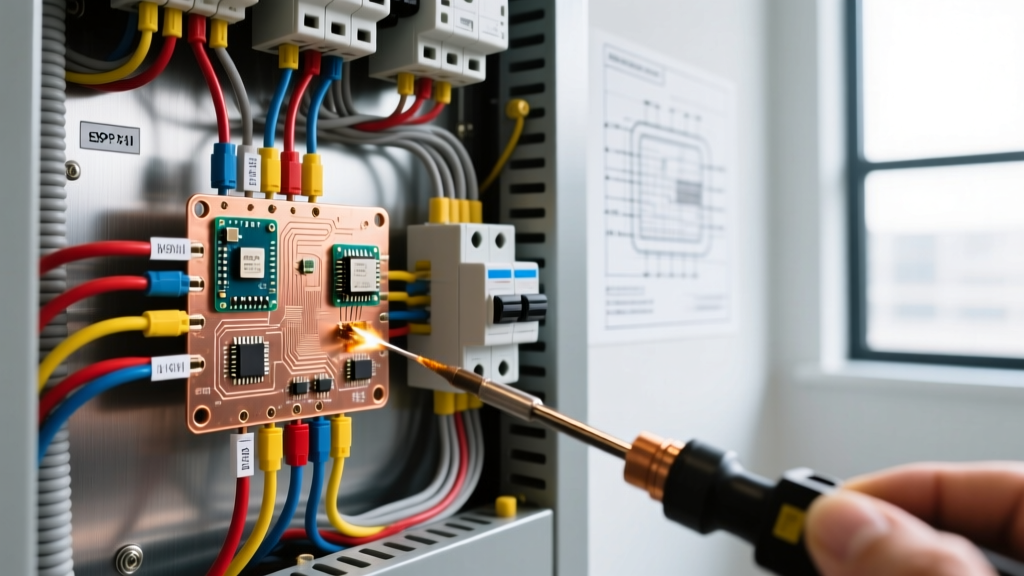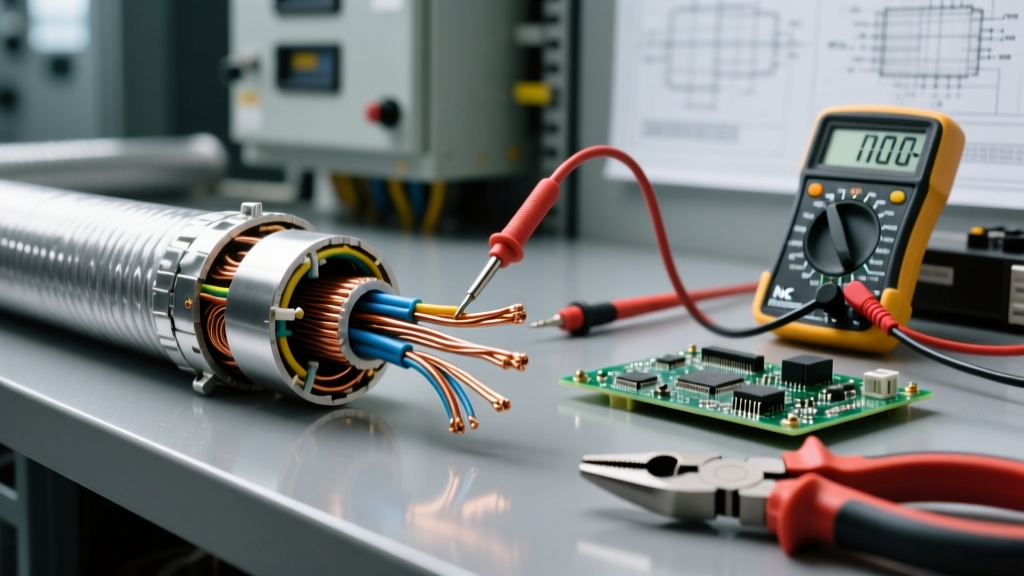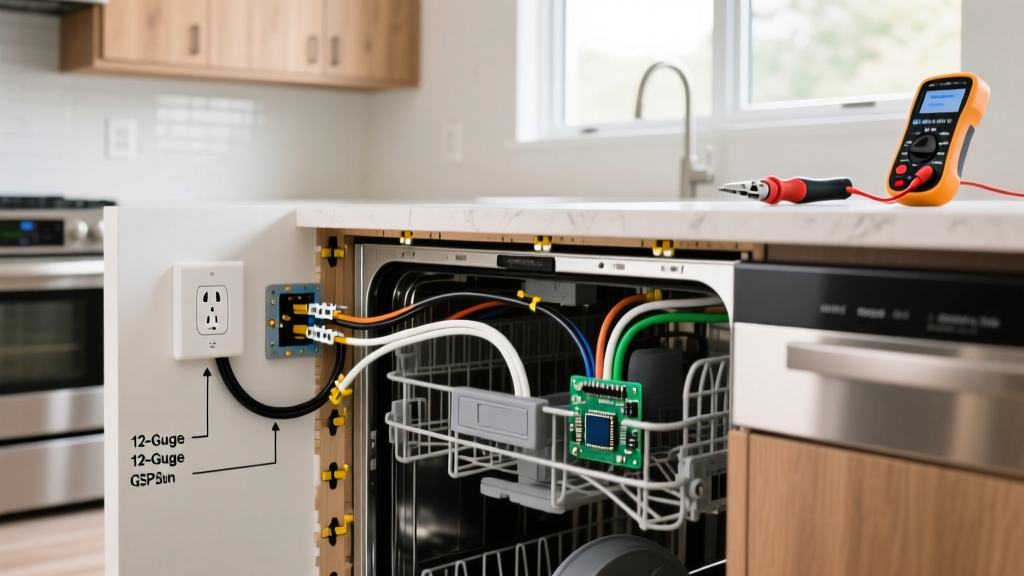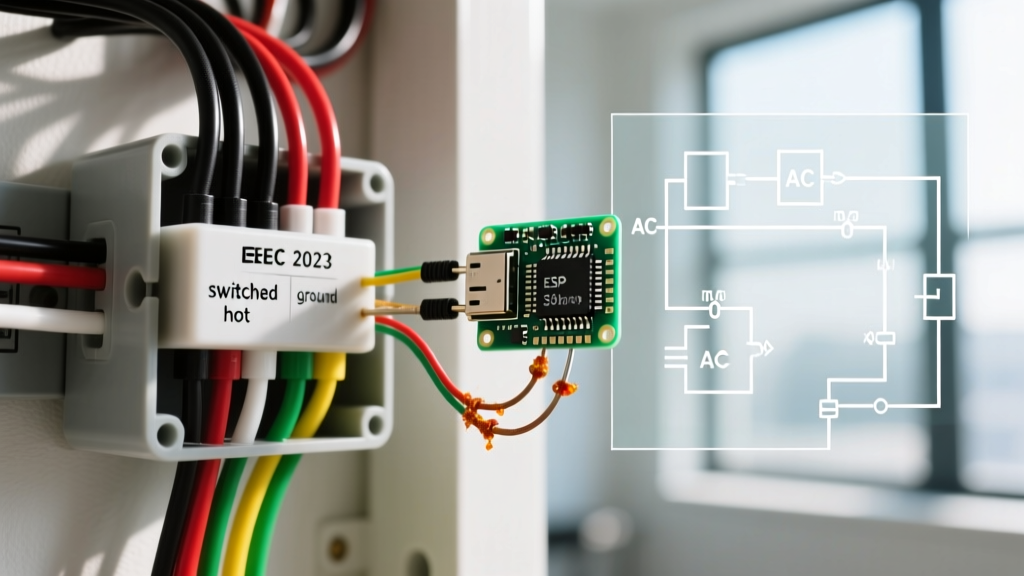

Introduction to NEC Color Standards
Understanding the electric wiring color code is not just a matter of organizational preference; it is a critical safety requirement enforced by the National Electrical Code (NEC). In the United States, standardizing wire insulation colors mitigates arc flash risks, prevents catastrophic equipment failure, and ensures that electricians and maintenance personnel can safely troubleshoot circuits. According to the Occupational Safety and Health Administration (OSHA), failure to properly identify conductors is a leading cause of electrical shock and electrocution incidents in commercial and industrial settings.
As of the latest NEC cycles, the National Fire Protection Association (NFPA) mandates strict color-coding for grounded (neutral), ungrounded (hot), and equipment grounding conductors. This guide breaks down the exact US electric wiring color code standards for residential, commercial, and specialized DC applications, providing the deep technical context required for code-compliant installations.
Standard US AC Single-Phase Wiring (120V/240V)
In residential and light commercial applications, you will primarily encounter single-phase 120V/240V systems. These are typically wired using Non-Metallic Sheathed Cable (NM-B, commonly known by the brand name Romex) or individual THHN/XHHW-2 conductors pulled through conduit. The NEC strictly defines the color roles for these conductors.
| Conductor Function | NEC Article | Standard Insulation Color | Common Wire Types |
|---|---|---|---|
| Ungrounded (Hot) 1 | NEC 210.4(D) | Black | THHN, XHHW-2, NM-B |
| Ungrounded (Hot) 2 | NEC 210.4(D) | Red | THHN, XHHW-2, NM-B |
| Grounded (Neutral) | NEC 200.6 | White or Gray | THHN, XHHW-2, NM-B |
| Equipment Ground | NEC 250.119 | Bare, Green, or Green/Yellow | Bare Copper, THHN |
Expert Note: While white is the universal standard for neutral in NM-B cable, NEC 200.6 permits gray for larger feeders or specific commercial applications. However, you must never mix white and gray neutrals within the same multiwire branch circuit or panelboard, as this creates confusion during future maintenance.
Commercial 3-Phase Wiring Color Codes
When transitioning to commercial and industrial facilities, 3-phase power becomes the standard. The NEC requires that ungrounded conductors be identified by phase and system voltage. This is crucial because mixing up a 208V circuit with a 480V circuit will instantly destroy downstream equipment and create severe arc flash hazards.
120/208V Wye Systems
Common in commercial office spaces and retail environments for lighting and standard receptacles.
- Phase A: Black
- Phase B: Red
- Phase C: Blue
- Neutral: White
- Ground: Green or Bare
277/480V Wye Systems
Used for heavy HVAC systems, industrial machinery, and large-scale commercial lighting.
- Phase A: Brown
- Phase B: Orange
- Phase C: Yellow
- Neutral: Gray (Mandatory per NEC 200.6 for 480V systems to distinguish from 208V white neutrals)
- Ground: Green or Bare
The High-Leg Delta Exception (NEC 110.15)
In older industrial facilities or specific utility setups, you may encounter a 240V High-Leg Delta system. This system provides 120V from two phases to neutral, but the third phase (the "wild leg" or "high leg") yields approximately 208V to neutral. NEC 110.15 strictly mandates that this high-leg conductor must be identified with an Orange outer finish. Typically, Phase B is the high leg. Connecting a standard 120V load to the orange high leg will result in immediate equipment failure and potential fire.
DC Power, Solar, and Low-Voltage Standards
The electric wiring color code for Direct Current (DC) systems differs significantly from AC. With the rise of residential solar arrays (PV systems) and battery backup systems, understanding DC color coding is essential for modern electricians.
Solar PV and Battery Systems
- Ungrounded Positive (+): Red (or any color except white, gray, or green, provided it is permanently marked with a "+" or "POS").
- Ungrounded Negative (-): Black (or any color except white, gray, or green, marked with a "-" or "NEG").
- Grounded DC Conductor: If the DC system is grounded, NEC 690.42 requires the grounded conductor to be White or Gray.
- Equipment Grounding: Bare, Green, or Green with Yellow Stripe.
Practical Tip: When pulling DC strings from a roof to an inverter, use standard PV wire (like Southwire SIMpull PV). Because UV degradation is a major failure mode for DC roof wiring, always use black PV wire for the negative and black wire with red phase tape (or dual-rated red/black PV wire) for the positive, as black insulation offers the highest UV resistance.
Phase Tape and Conductor Re-Identification
You will not always have access to perfectly colored THHN wire in the field, especially when pulling long feeders where only black, white, and green spools (typically 500ft spools costing around $110-$140 each for 2 AWG) are stocked in the work van. NEC 210.4(D) and 215.12(C) allow for the re-identification of ungrounded conductors using phase tape.
Rules for Phase Taping
- Location: Tape must be applied at every termination point, splice, and accessible junction box. It is not sufficient to tape only the panelboard end.
- Material: Use high-quality vinyl electrical tape (e.g., 3M Super 33+ or Super 88, which retail for $4.50 to $7.00 per roll). Cheap, imported tape will unspool over time due to heat cycling in the panel, leaving bare black wire exposed and creating a code violation.
- Neutral Re-identification: You cannot use phase tape to turn a black wire into a white neutral. The grounded (neutral) conductor must be inherently white or gray throughout its length, or permanently painted white at the time of installation for large feeders.
International vs. US Color Codes (IEC 60446)
As global supply chains integrate, US electricians frequently install European-manufactured machinery (e.g., German CNC machines, Italian packaging equipment). These machines are pre-wired using the International Electrotechnical Commission (IEC 60446) standard. Connecting US 3-phase power to an IEC-wired machine without verifying the internal color code can result in reversed motor rotation or short circuits.
| Function | US NEC (120/208V) | US NEC (277/480V) | International (IEC) |
|---|---|---|---|
| Phase A / L1 | Black | Brown | Brown |
| Phase B / L2 | Red | Orange | Black |
| Phase C / L3 | Blue | Yellow | Gray |
| Neutral | White | Gray | Blue |
| Ground | Green / Bare | Green / Bare | Green/Yellow Stripe |
Common Code Violations and Failure Modes
During electrical inspections and forensic troubleshooting, several recurring color code violations stand out. Avoiding these will save you from failed inspections and costly callbacks.
- The "Switched Hot" White Wire: In older residential wiring, a white wire in a 2-wire cable is sometimes used to carry the switched hot down to a light fixture. NEC 200.7(C)(2) permits this, but only if the white wire is permanently re-identified with black tape or paint at both the switch and the fixture. Leaving it white is a severe shock hazard for anyone replacing the light.
- Mixed Neutrals in MWBCs: Using a gray neutral on a 208V multiwire branch circuit that utilizes black and red hots. The gray neutral is strictly reserved for 277/480V systems or specific feeder applications. Mixing gray and white neutrals in the same panelboard violates NEC 200.6(D).
- Green Used as a Hot: Using a green THHN wire as an ungrounded (hot) conductor to save a trip to the supply house. NEC 250.119 absolutely prohibits using green or green/yellow for anything other than equipment grounding. This is an immediate red-tag failure from any AHJ (Authority Having Jurisdiction).
Frequently Asked Questions
Can I use blue wire for a 120V residential circuit?
Yes, the NEC does not restrict blue wire to 3-phase systems. However, using blue for a standard 120V residential branch circuit is highly discouraged because it breaks the established industry convention (Black=Hot, White=Neutral, Bare=Ground). Deviating from the standard electric wiring color code in residential settings creates confusion for future homeowners and electricians.
What color is the ground wire in older homes?
In homes built before the 1960s (pre-1962 NEC adoption of the equipment grounding conductor requirement), you will often find NM cable with only a black hot and a white neutral, with no ground wire at all. If a ground is present in slightly newer mid-century homes, it might be a bare, un-insulated copper wire wrapped in paper, rather than the modern bare copper or green THHN we use today.
Does the color code apply to wires inside manufactured appliances?
No. The NEC applies to premises wiring (the building's electrical infrastructure). Internal wiring of listed appliances and electronics falls under UL (Underwriters Laboratories) product standards, which may utilize different color schemes, such as blue for neutral in certain European-designed internal control boards.