
The Stakes: Why Pool Pump Wiring Demands Zero Compromise
Water and electricity are a notoriously unforgiving combination. When installing or upgrading electrical wiring for pool pump systems, the margin for error is effectively zero. Modern variable speed pumps (VSPs), such as the Pentair IntelliFlo3 VSF or the Hayward TriStar VS, contain sensitive internal variable frequency drives (VFDs) that require clean, stable power. More importantly, the wet environment of a pool equipment pad elevates the risk of fatal electrocution if ground fault protection and equipotential bonding are improperly executed.
As of the 2023 and upcoming 2026 National Electrical Code (NEC) cycles, the requirements for swimming pool electrical installations have become increasingly stringent. This guide provides a comprehensive, expert-level breakdown of safety best practices, wire sizing, and bonding protocols required to ensure your pool pump operates safely and passes municipal inspection on the first attempt.
NEC Article 680: The Governing Standard for Pool Wiring
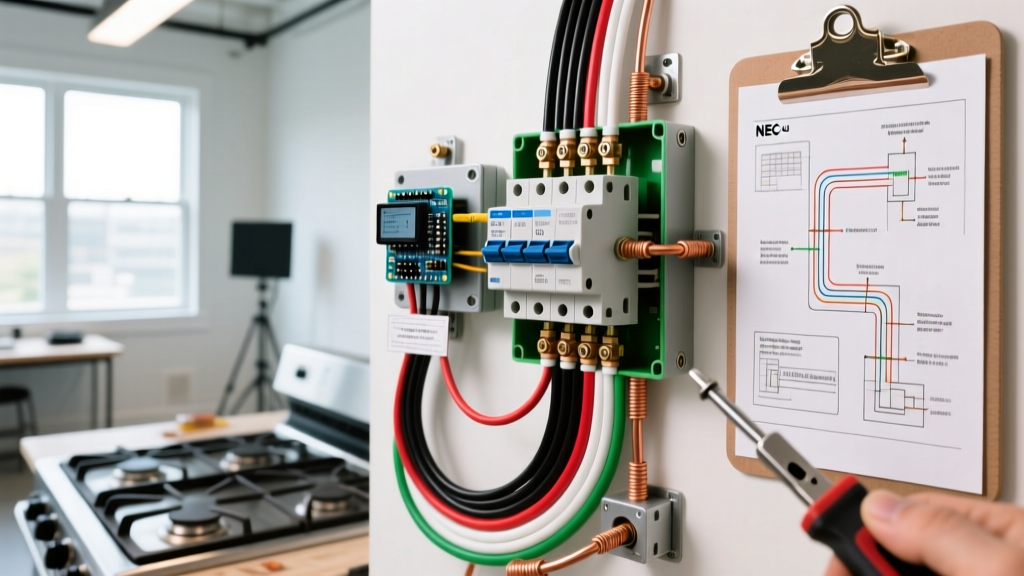
All electrical wiring for pool pump installations in the United States is governed by NFPA 70 (NEC) Article 680. This section specifically addresses swimming pools, fountains, and similar installations. The most critical safety mandate in recent code cycles is the universal requirement for Ground Fault Circuit Interrupter (GFCI) protection.
Code Alert: Under NEC 680.21(C), GFCI protection is mandatory for all pool pump motors, regardless of whether they are hardwired at 240V or plugged into a 120V receptacle. Older installations often bypassed GFCI for hardwired 240V pumps; this is no longer code-compliant and presents a severe shock hazard.
Wire Type Selection: THHN vs. THWN-2
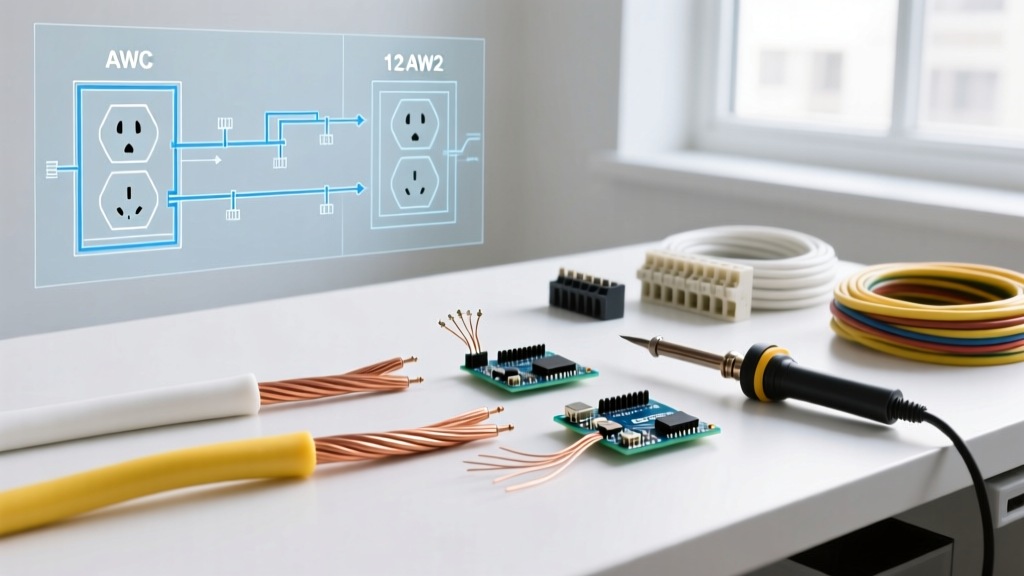
A frequent and dangerous DIY mistake is pulling standard THHN wire through conduit to the pool pad. While THHN is rated for dry and damp locations, the interior of underground conduit is classified as a wet location. You must use THWN-2 rated copper wire. THWN-2 is dual-rated for both dry and wet environments and can withstand the condensation that inevitably builds up inside buried PVC conduit. In 2026, 10 AWG THWN-2 copper wire averages $1.15 per foot, while 12 AWG runs about $0.75 per foot.
Wire Gauge and Breaker Sizing Matrix
Proper wire sizing prevents voltage drop, which is especially critical for VSPs. A voltage drop exceeding 3% can cause the pump's internal logic board to fault, trip the breaker, or prematurely degrade the motor windings. Always size your wire based on the motor's Full Load Amps (FLA) and the distance from the main panel.
| Pump Horsepower | Voltage | Typical FLA | Min Wire Gauge (Up to 50ft) | Min Wire Gauge (50-100ft) | Breaker Size |
|---|---|---|---|---|---|
| 1.5 HP | 230V | 9.3A | 12 AWG THWN-2 | 10 AWG THWN-2 | 20A |
| 2.0 HP | 230V | 12.0A | 12 AWG THWN-2 | 10 AWG THWN-2 | 20A |
| 3.0 HP | 230V | 15.5A | 10 AWG THWN-2 | 8 AWG THWN-2 | 25A or 30A |
| 1.5 HP (120V) | 115V | 18.6A | 10 AWG THWN-2 | 8 AWG THWN-2 | 20A (GFCI) |
Note: Always consult the specific manufacturer's wiring diagram on the pump motor housing, as high-efficiency VSPs may have different peak startup amperage requirements than traditional single-speed induction motors.
Equipotential Bonding vs. Equipment Grounding
Understanding the difference between grounding and bonding is the hallmark of a professional pool electrician. The Occupational Safety and Health Administration (OSHA) and the NEC treat these as distinct, equally vital safety systems.
- Equipment Grounding: The green or bare copper wire inside your conduit that connects the pump motor housing back to the main panel's ground bus. Its job is to provide a low-impedance path to trip the breaker in the event of a short circuit.
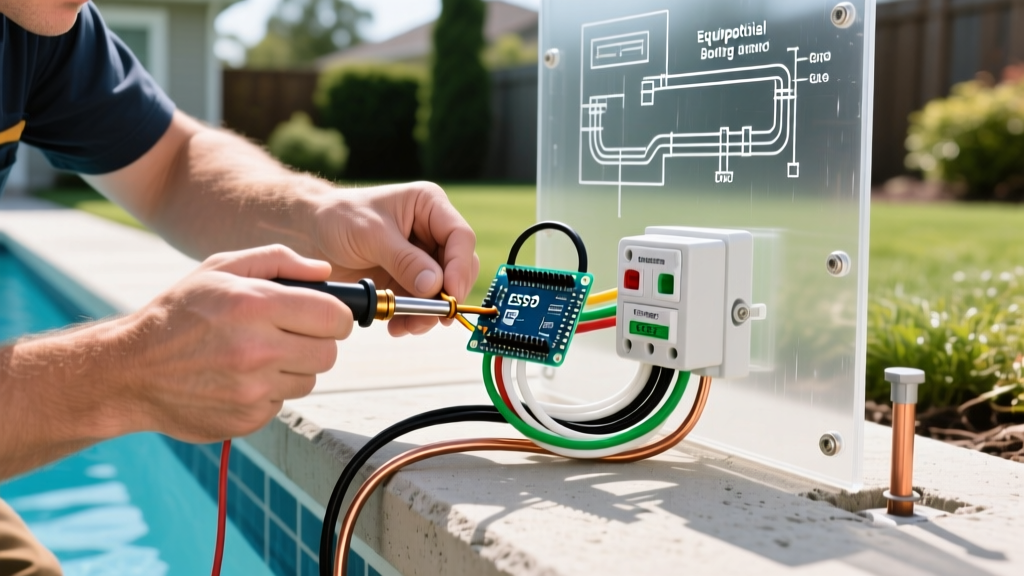
- Equipotential Bonding: A continuous #8 AWG solid bare copper wire that connects all metallic components (pump housing, metal pipes, pool rebar, diving stands, and ladders) together. Its job is not to carry fault current, but to eliminate voltage gradients (differences in electrical potential) between objects a swimmer might touch simultaneously.
Step-by-Step Bonding Procedure
- Identify the Bonding Lug: Locate the external bonding lug on the outside of the pool pump motor housing. Do not use the internal grounding screw.
- Use the Correct Connectors: Use a listed, direct-burial rated, solid-copper bonding lug (such as the King Innovation 610SS or Burndy BDB series). Standard aluminum lugs will corrode rapidly in a pool environment.
- Run the 8 AWG Solid Wire: Pull an unspliced, continuous run of #8 AWG solid bare copper wire from the pool shell rebar grid, to the pump motor, to any metal water pipes within 5 feet of the pool edge, and to the equipment pad grounding bus.
- Concrete Deck Grid: If pouring a new concrete deck, NEC 680.26 requires a structural bonding grid of bare 8 AWG copper wire arranged in a 12-inch by 12-inch mesh pattern, embedded in the concrete.
Common Bonding Failure Modes
Inspectors frequently fail pool equipment pads due to the following bonding errors:
- Using stranded #8 wire instead of solid #8 wire for the bonding grid.
- Failing to bond the metal water fill line if it is located within 5 feet of the pool's inside wall.
- Leaving the bonding lug loose; it must be torqued to manufacturer specifications to prevent micro-arcing and corrosion.
Conduit and Trenching: Protecting the Run
According to the U.S. Consumer Product Safety Commission (CPSC), physical damage to underground wiring is a leading cause of pool-related electrical faults. Proper conduit selection and burial depth are non-negotiable.
Conduit Material Selection
For underground runs, Schedule 40 PVC is acceptable and cost-effective. However, where the conduit emerges from the ground and is subject to physical damage (within 8 feet of the pool edge, or exposed on the equipment pad), you must transition to Schedule 80 PVC or Rigid Metal Conduit (RMC). Schedule 80 PVC has a thicker wall and can withstand impacts from pool maintenance equipment, stray rocks, or landscaping tools.
Burial Depth Requirements
- Rigid Metal Conduit (RMC) or Intermediate Metal Conduit (IMC): Minimum 6 inches burial depth.
- PVC (Schedule 40 or 80): Minimum 18 inches burial depth.
- Direct Burial Cable (Not Recommended for Pools): Minimum 24 inches, though Article 680 heavily restricts direct burial cables in pool zones. Stick to conduit.
When trenching, lay a continuous strip of bright red or yellow warning tape 12 inches above the conduit. This provides a visual warning for anyone digging in the yard years down the line.
Component Selection: 2026 Market Snapshot
Selecting the right breaker and disconnect switch ensures both safety and longevity. For a standard 240V, 2 HP pool pump, you will need a 2-pole GFCI breaker. Here is how the top brands compare in the current market:
| Brand & Model | Type | Avg. Price (2026) | Best For |
|---|---|---|---|
| Siemens QPF220 | 2-Pole 20A GFCI | $58.00 | Siemens/Murray Load Centers |
| Eaton CHFGF220 | 2-Pole 20A GFCI | $65.00 | Eaton Type CH Panels (High-end) |
| Square D HOMGFI220 | 2-Pole 20A GFCI | $54.00 | Square D Homeline Panels |
Pro Tip: If your main panel is located more than 50 feet from the pool equipment pad, installing a weatherproof outdoor disconnect switch (like the Square D U221RBO) at the pad is highly recommended. While not strictly required by the NEC for a single-family residential pump unless specified by local amendments, it allows maintenance crews to kill power locally without walking back to the main house panel.
Final Pre-Inspection Safety Checklist
Before energizing the circuit or calling your local AHJ (Authority Having Jurisdiction) for inspection, verify the following:
- GFCI Test: Press the 'Test' button on the breaker. The pump must immediately lose power. Reset and verify operation.
- Bonding Continuity: Use a digital multimeter to check continuity between the pump housing bonding lug and the pool's structural rebar grid. Resistance should be near zero ohms.
- Conduit Sealing: Ensure all conduit hubs entering the pump's wiring compartment are sealed with a silicone-based duct seal to prevent moisture and insects from migrating into the motor terminal box.
- Clearance Zones: Verify that no overhead power lines cross within 10 feet of the pool's water edge, and that the equipment pad maintains at least 36 inches of clear working space in front of the disconnect panel.
Executing safe electrical wiring for pool pump systems requires meticulous attention to code, high-quality wet-rated materials, and a deep respect for the physics of water and electricity. By adhering strictly to NEC Article 680 and utilizing proper equipotential bonding techniques, you guarantee a system that is as safe as it is efficient.