
The True Hot Tub Electrical Wiring Cost in 2026
Installing a hot tub is a major home upgrade, but the physical placement of the spa is only half the battle. The most critical and heavily regulated component of the installation is the electrical supply. Understanding the true hot tub electrical wiring cost is essential for homeowners looking to budget accurately and avoid dangerous, code-violating shortcuts. In 2026, the national average for professionally wiring a standard 240-volt, 50-amp to 60-amp hot tub ranges from $1,400 to $3,800, depending on distance, trenching requirements, and your main electrical panel's capacity.
This comprehensive cost estimation guide breaks down every material, labor variable, and hidden expense associated with spa wiring. We will also examine the strict National Electrical Code (NEC) Article 680 requirements that dictate how this work must be performed to ensure your safety and pass local inspections.
Itemized Cost Breakdown: Where Your Money Goes
To understand the total hot tub electrical wiring cost, you must look at the project in distinct phases. Below is a structured estimate based on a standard 50-foot run from the main panel to an outdoor spa location.
| Cost Category | Average Price Range (2026) | Notes & Variables |
|---|---|---|
| Electrical Materials (Wire, Conduit, Disconnect) | $350 - $650 | Depends on copper prices and brand (Square D vs. Eaton) |
| Labor (Electrician Hourly Rates) | $600 - $1,500 | Based on $85-$150/hr for 8-12 hours of work |
| Trenching & Hardscape Repair | $250 - $1,200+ | $10/ft for dirt; $50+/ft for concrete cutting and patching |
| Permits & Inspections | $100 - $350 | Varies heavily by local municipality |
| Main Panel Upgrade (If Required) | $1,500 - $3,500 | Needed if upgrading from 100A to 200A service |
| Total Estimated Cost (No Panel Upgrade) | $1,300 - $3,700 | Assumes standard 50-foot run through dirt |
Material Specifications and Pricing Deep Dive
The materials required for a spa installation are highly specific. You cannot use standard indoor Romex (NM-B) cable for outdoor or underground runs. According to the National Fire Protection Association (NFPA), outdoor wet locations require specialized insulation and physical protection.
1. Wiring: THHN/THWN-2 vs. UF-B
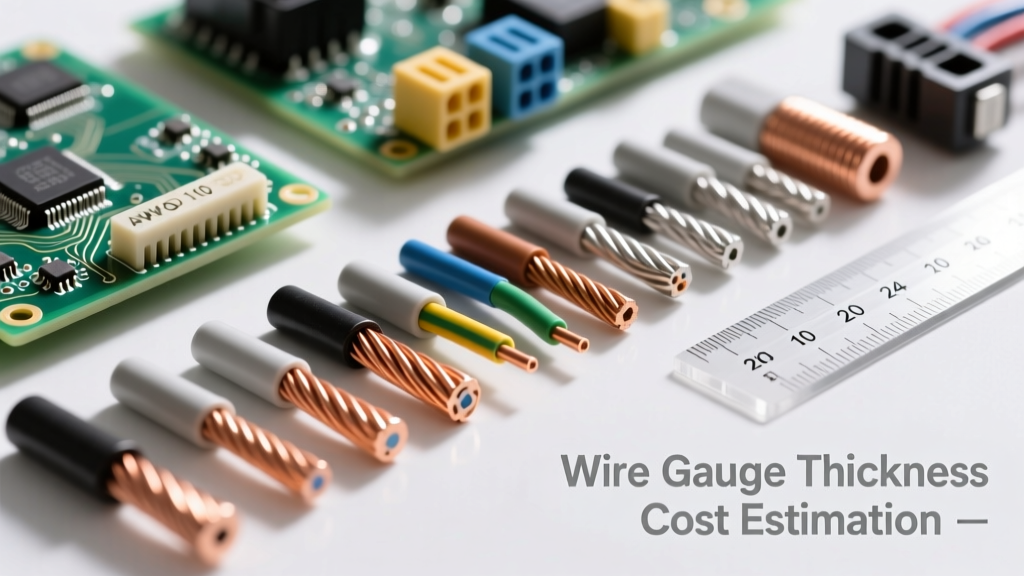
Most electricians prefer pulling individual 6 AWG or 4 AWG THHN/THWN-2 copper conductors through a PVC conduit. A 50-amp hot tub typically requires 6 AWG wire (two hots, one neutral, one ground), while a 60-amp or larger dual-pump spa may require 4 AWG to prevent voltage drop over long distances. Expect to pay roughly $3.00 to $4.50 per foot for a complete set of 6 AWG THHN wires. Alternatively, Underground Feeder (UF-B) cable can be direct-buried, but it is harder to pull, more expensive per foot, and requires a deeper trench (24 inches vs. 18 inches for conduit).
2. The GFCI Spa Disconnect Panel
The NEC mandates a readily accessible disconnect switch located between 5 and 10 feet from the hot tub. This panel must house a GFCI (Ground Fault Circuit Interrupter) breaker. According to the Electrical Safety Foundation International (ESFI), GFCI protection is non-negotiable for outdoor water features to prevent fatal electrocution. Premium models like the Square D QO250GFICP (approx. $210) or the Eaton CH250GFICP (approx. $190) are industry standards. Do not cheap out on off-brand disconnect boxes; the GFCI mechanism must be highly resistant to outdoor moisture and UV degradation.
3. Conduit and Fittings
For underground runs, Schedule 80 PVC conduit (minimum 1-inch diameter) is required where the conduit emerges from the ground and enters the disconnect box, as it provides superior physical protection against weed whackers and lawn equipment. Schedule 40 is acceptable for the buried portion, but many contractors use Schedule 80 for the entire run for uniformity. Budget roughly $3.50 per foot for conduit, glue, and sweep elbows.
Labor Variables and Trenching Realities
Labor typically accounts for 40% to 60% of your total hot tub electrical wiring cost. Electricians in 2026 charge between $85 and $150 per hour, depending on your regional cost of living and the contractor's licensing level.
- Standard Dirt Trenching: If the path from your main panel to the spa is through soft soil or grass, trenching to the NEC-mandated 18-inch depth is relatively cheap. Many electricians will charge a flat rate of $10 to $15 per linear foot for manual or mini-excavator trenching.
- Hardscape Penetration: If the wire must cross a concrete driveway, stamped patio, or retaining wall, costs skyrocket. Concrete saw-cutting, trenching, and subsequent patching can add $40 to $75 per linear foot. In some cases, directional boring is used to tunnel under driveways, which costs roughly $25 to $35 per foot but leaves the concrete intact.
- Attic or Crawlspace Routing: If the main panel is on the opposite side of the house, the electrician may need to drill through top plates, navigate tight crawlspaces, or fish wires through finished walls, adding 3 to 5 hours of labor to the project.
The Hidden Cost: Equipotential Bonding (NEC 680.26)
Expert Warning: The most frequently failed inspection item for DIY hot tub wiring is the equipotential bonding grid. This is not the same as grounding. Bonding connects all conductive metal parts together to eliminate voltage gradients in the earth.
NEC Article 680.26 requires a continuous #8 AWG solid bare copper bonding wire to connect the hot tub's metal shell, the pump motor housing, the heater, the disconnect box, and any metallic structures (like fences, rebar, or metal railings) located within 5 feet of the spa. This wire must also be bonded to the pool water itself using a specialized water bonding union (e.g., the Perma-Cast PBW). If your electrician does not include bonding in their initial quote, expect an add-on cost of $300 to $600 for the materials and labor to install this life-saving grid properly.
Main Panel Capacity: Do You Need an Upgrade?
Before calculating the hot tub electrical wiring cost, you must perform a load calculation on your existing main electrical panel. A standard hot tub draws between 40 and 60 amps continuously. If your home has an older 100-amp main panel, adding a 50-amp spa breaker will likely overload the system, especially when the HVAC, electric oven, and EV charger are running simultaneously.
Decision Matrix: Panel Upgrade Requirements
- 200-Amp Panel with Available Spaces: No upgrade needed. Cost impact: $0.
- 200-Amp Panel but Full (No Spaces): Requires a sub-panel installation or tandem breakers (if code-compliant in your area). Cost impact: $400 - $800.
- 100-Amp or 150-Amp Main Service: Requires a full service upgrade to 200A or 300A. Cost impact: $1,800 - $3,500. This involves the utility company, a new meter base, and new service entrance conductors.
According to HomeGuide's Hot Tub Installation Cost Report, nearly 25% of older homes require some form of panel remediation before a hot tub can be safely energized.
2026 NEC Code Requirements You Cannot Ignore
Electrical codes are updated every three years, and local jurisdictions adopt them at different paces. However, the core tenets of NEC Article 680 remain strict. Ensure your contractor adheres to the following:
- GFCI Protection: All 15A and 20A receptacles within 20 feet of the hot tub must be GFCI protected. The main spa feeder must also be GFCI protected at the disconnect.
- Disconnect Proximity: The emergency disconnect must be readily accessible, within sight of the spa, and located at least 5 feet horizontally from the water's edge (but no more than 10 feet away).
- Overhead Clearance: If wiring is run overhead (rare but possible on covered patios), open conductors must maintain a minimum vertical clearance of 22.5 feet above the spa water level.
- Interior Wiring Restrictions: No standard indoor junction boxes or non-wet-rated fittings can be used within the spa zone.
Step-by-Step Cost Estimation Framework
To get a highly accurate estimate for your specific property, follow this framework before calling contractors:
- Measure the Run: Use a measuring wheel or mapping software to find the exact linear footage from your main electrical panel to the proposed hot tub pad. Add 10% for slack and vertical drops.
- Identify the Path: Note how many feet of the run are dirt, concrete, or interior walls. This dictates your trenching costs.
- Check Your Panel: Open your main panel door. Look at the main breaker size (e.g., 200A) and count the available physical slots. If you have no slots and a 100A main, prepare for a $2,500+ upgrade.
- Verify the Spa Specs: Check the hot tub's data plate. Does it require 40A, 50A, or 60A? Does it need a neutral wire (required for 120V accessories like ozone generators or LED lights), or is it a straight 240V 3-wire setup? This changes the wire cost by roughly 15%.
- Request Itemized Bids: Ask three licensed electricians for bids that explicitly separate materials, trenching, bonding, and permit fees. Ensure they specify the brand of the GFCI disconnect.
Final Thoughts on Spa Electrical Safety
When evaluating the hot tub electrical wiring cost, never let the lowest bid override safety and code compliance. Water and electricity are an unforgiving combination. A properly installed 240V spa circuit with a high-quality GFCI disconnect, deep trenching, and a meticulous equipotential bonding grid will provide decades of safe, uninterrupted relaxation. Always verify that your electrician pulls the required local permits and schedules the final inspection before filling the tub with water.