
The Real Cost of Wiring for Electric Stove Setups in 2026
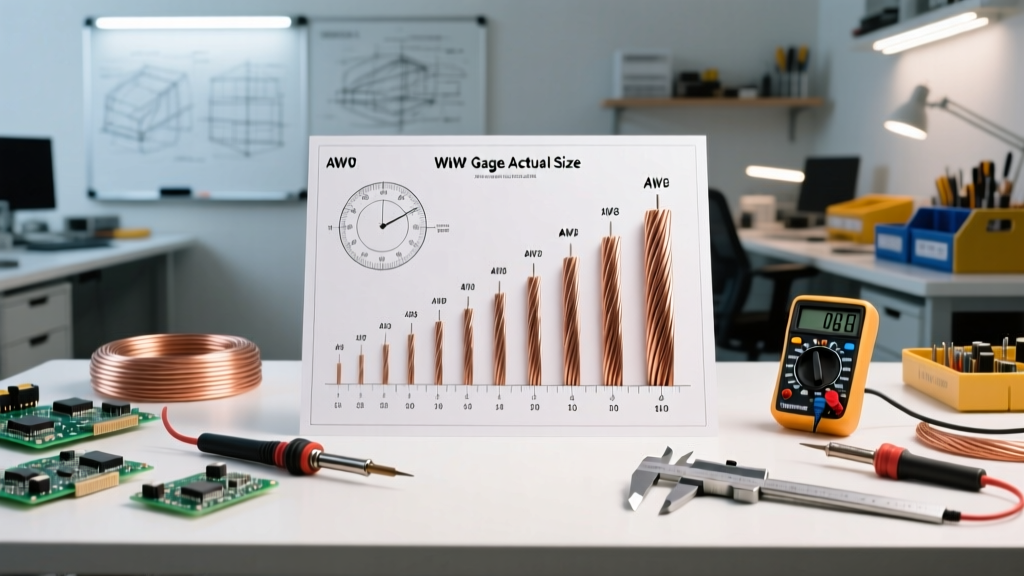
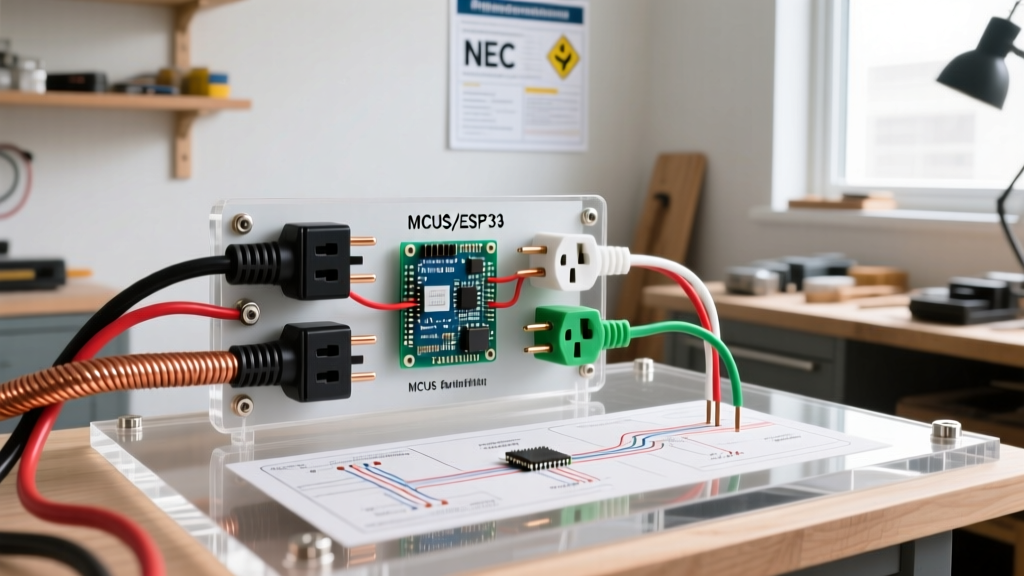
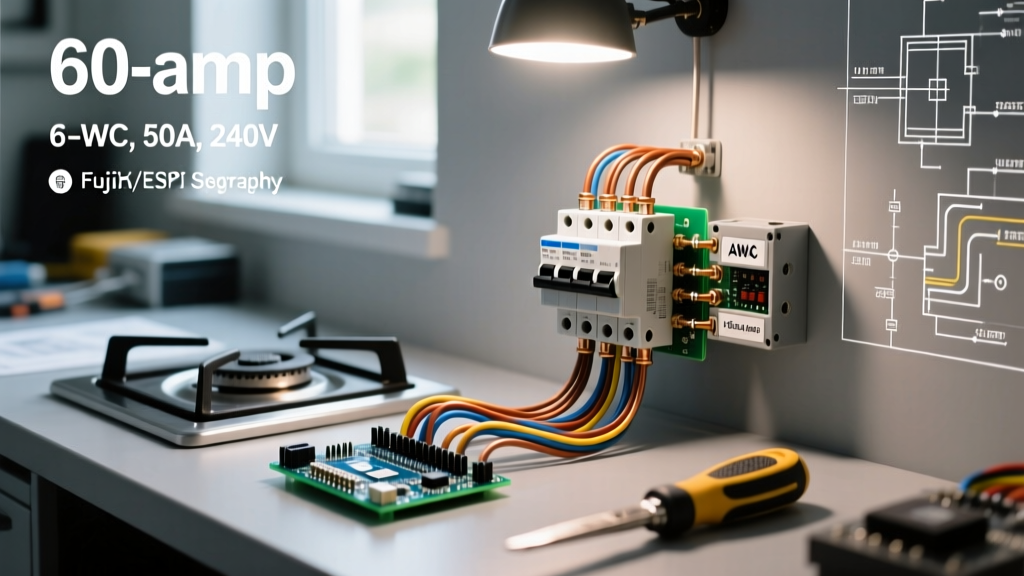
Upgrading or installing the correct wiring for electric stove appliances is one of the most critical electrical projects in a modern kitchen. With the massive shift toward high-wattage induction ranges and dual-fuel setups, the standard 40-amp circuits of the 1990s are no longer sufficient. In 2026, the baseline requirement for a freestanding electric range is a dedicated 50-amp, 240-volt circuit utilizing 6 AWG copper wire and a 4-prong NEMA 14-50 receptacle.
However, the cost to execute this project varies wildly depending on your home's existing electrical infrastructure, the distance from the main panel, and local permit fees. This comprehensive cost estimation guide breaks down the exact material pricing, labor rates, and hidden edge cases you need to budget for in 2026.
Material Cost Breakdown: Wire, Breakers, and Receptacles
The raw materials for a standard 50-amp range circuit are highly standardized, but copper fluctuations and brand premiums impact the final bill. Below is the current 2026 pricing matrix for premium, code-compliant components.
| Component | Specification / Model Example | Avg. Cost (2026) |
|---|---|---|
| Branch Circuit Wire | 6/3 NM-B (Romex) Copper with Ground | $4.80 - $6.20 / linear ft |
| Circuit Breaker | 50A Double-Pole (e.g., Square D HOM250CP) | $14.00 - $45.00 |
| Receptacle | NEMA 14-50R, 50A 125/250V (e.g., Leviton 278-S00) | $16.00 - $28.00 |
| Wall Plate | 2-Gang Nylon, Single Receptacle Opening | $3.00 - $8.00 |
| Junction Box (if hardwired) | 4-inch Square, 2-1/8 inch Deep Steel | $4.50 - $9.00 |
| Strain Relief Connector | 1-inch NM Cable Connector | $2.00 - $5.00 |
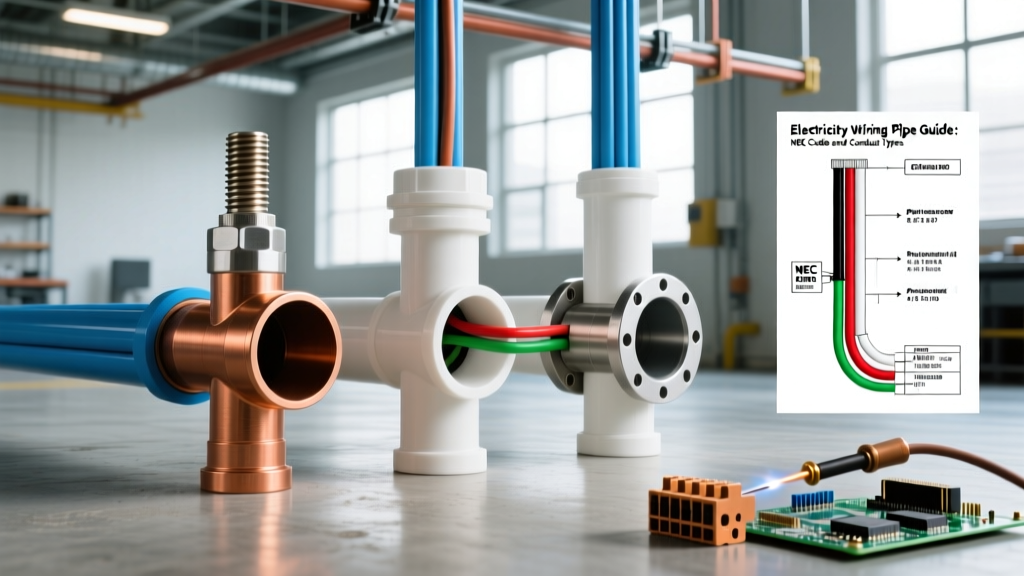
Note: If your local code requires conduit (EMT) instead of NM-B Romex—common in municipalities like Chicago or New York—add roughly $3.50 per foot for 3/4-inch EMT conduit, fittings, and individual THHN/THWN stranded wires (two 6 AWG hots, one 6 AWG neutral, one 10 AWG ground).
Labor and Permit Costs: What Electricians Actually Charge
Labor accounts for 60% to 80% of the total project cost. In 2026, licensed electricians charge between $85 and $165 per hour, depending on your regional cost of living. Most professionals will quote a flat rate for a standard range circuit installation based on the complexity of the run.
Scenario A: The Simple Receptacle Swap ($150 - $250)
If you already have a verified 50-amp circuit with 6 AWG wire but need to upgrade an obsolete, ungrounded 3-prong NEMA 10-50 outlet to a modern 4-prong NEMA 14-50, the labor is minimal. An electrician will swap the receptacle, verify the grounding path, and test the voltage. Caution: This only applies if a dedicated ground wire already exists in the box. You cannot legally bootleg a ground from a water pipe under current NEC guidelines.
Scenario B: New Circuit Run - Standard Distance ($450 - $850)
Running a new 50-amp circuit from the main panel to a kitchen located on the same floor or directly above/below the panel. This includes fishing wire through drywall, mounting the breaker, terminating the NEMA 14-50R, and patching minor drywall holes. Expect this to take 4 to 6 hours of labor.
Scenario C: The Panel Upgrade Edge Case ($1,800 - $3,500+)
Many older homes (built pre-1980) have 100-amp main panels that are already at maximum capacity. Adding a 50-amp continuous load for a new induction range will exceed the panel's safe load calculation (NEC Article 220). Upgrading to a 200-amp panel is mandatory in this scenario, drastically altering your budget.
⚠️ Critical Code Warning: Permit Requirements
According to the National Fire Protection Association (NFPA), any new branch circuit installation requires a local electrical permit and a subsequent inspection. Permit fees typically range from $50 to $150. Skipping this step can void your homeowner's insurance in the event of an electrical fire and cause major issues during a future home sale.
Copper vs. Aluminum: The Hidden Cost Variable
When estimating the cost of wiring for electric stove connections, the choice between copper and aluminum wire is a major financial pivot point.
- 6 AWG Copper (NM-B): The industry standard. Highly conductive, resistant to oxidation, and compatible with standard terminal lugs. Costs roughly $5.50/ft.
- 4 AWG Aluminum (SER or USE-2): Aluminum is significantly cheaper (approx. $1.80/ft), but because it has lower conductivity, you must upsize to 4 AWG to safely carry 50 amps. Furthermore, aluminum requires specific termination procedures, including the use of anti-oxidant paste (Noalox) and CO/ALR rated receptacles or pigtailing to copper using Alumiconn connectors. Many high-end receptacles do not accept aluminum wire directly.
Expert Recommendation: For runs under 75 feet, stick to 6 AWG copper. The $150 savings on aluminum wire is entirely negated by the extra labor time required to safely terminate aluminum connections and the cost of specialized lugs.
Crucial NEC Code Requirements & The GFCI Edge Case
The National Electrical Code (NEC) has evolved significantly regarding kitchen appliance safety. When planning your installation, you must account for the following 2026-enforced standards:
- 4-Prong Mandate (NEC 250.140): New installations strictly require a 4-wire setup (two hots, one neutral, one dedicated equipment ground). The legacy 3-prong NEMA 10-50, which relied on the neutral wire for grounding the appliance chassis, is banned for new construction due to the severe shock hazard it presents if the neutral wire fails.
- Receptacle Placement: The receptacle must be accessible. It cannot be permanently sealed behind the stove. It should be installed in an adjacent cabinet or lower on the wall so the range can be pulled out for servicing without unplugging it blindly.
The Induction Range GFCI Nuisance Tripping Issue
Recent NEC cycles expanded Ground Fault Circuit Interrupter (GFCI) requirements to include 250-volt receptacles in kitchens. However, master electricians across the country are reporting massive nuisance tripping issues when modern induction ranges are plugged into GFCI-protected 50-amp receptacles. The high-frequency electromagnetic interference (EMI) filters inside induction cooktops naturally leak a small amount of current to the ground wire, which sensitive GFCI breakers interpret as a ground fault.
Pro-Tip: If your local AHJ (Authority Having Jurisdiction) strictly enforces GFCI protection for 250V kitchen receptacles, consult with your inspector about hardwiring the range directly into a junction box. Hardwired appliances often fall under different exception clauses in the NEC, saving you from the $120+ cost of a 50A GFCI breaker and the headache of a stove that shuts off mid-cook.
For more on preventing electrical hazards in high-load kitchen environments, refer to the safety guidelines published by the Electrical Safety Foundation International (ESFI).
Expert Troubleshooting & Common Failure Modes
Even with professional installation, specific failure modes can occur if the wiring for electric stove setups is not terminated with precision. Watch out for these edge cases:
- Melted Neutral Terminals: If the neutral wire is not torqued to the manufacturer's exact specification on the receptacle, the high resistance will generate intense heat. Over time, this melts the plastic housing of the NEMA 14-50R. Always use an inch-pound torque screwdriver.
- Voltage Drop on Long Runs: If the distance from your main panel to the kitchen exceeds 90 feet, standard 6 AWG copper will experience a voltage drop greater than the recommended 3%. You must upsize to 4 AWG copper to maintain 240V at the appliance, ensuring the oven elements heat efficiently and control boards don't fail prematurely.
- Loose Pigtails in Junction Boxes: When hardwiring a range, the flexible metal whip provided by the manufacturer must be secured with a proper strain relief fitting. Failing to do so allows the heavy wire to pull on the wire nuts, eventually exposing live 240V conductors inside the metal junction box.
Frequently Asked Questions
Can I use a 40-amp breaker for my new electric stove?
Only if the manufacturer's specification sheet explicitly states a 40-amp minimum circuit ampacity (MCA). Most modern freestanding electric and induction ranges require a 50-amp circuit. Installing a 40-amp breaker on a 50-amp rated range will result in the breaker tripping whenever you use the oven and multiple burners simultaneously. Always size the breaker to the appliance manual, not the old wiring.
Does an electric stove need AFCI protection?
Generally, no. While Arc Fault Circuit Interrupter (AFCI) protection is required for most 120-volt kitchen branch circuits (like countertop receptacles and lighting), 240-volt dedicated appliance circuits for ranges and ovens are typically exempt from AFCI requirements under standard NEC Article 210.12, unless specifically mandated by a localized state amendment.
How do I safely test the new wiring before plugging in the stove?
Before connecting the $2,500 induction range, use a digital multimeter to test the NEMA 14-50 receptacle. You should read exactly 240V (±5%) between the two hot slots (L1 to L2), 120V between L1 and Neutral, 120V between L2 and Neutral, and 0V (continuity) between Neutral and Ground. If you read 240V between Neutral and Ground, you have a dangerous miswiring condition that must be corrected immediately.
For comprehensive data on electrical fire prevention and safe appliance installation, review the resources provided by the U.S. Fire Administration (USFA).