
The True Cost of Electric Clothes Dryer Wiring in 2026
Installing or upgrading a 240-volt circuit for an electric clothes dryer is one of the most common residential electrical projects, yet it remains one of the most frequently botched by amateur DIYers. Because dryers require a dedicated 30-amp, double-pole circuit, the margin for error is zero. A miscalculated wire gauge, an improperly grounded receptacle, or an overloaded panel can lead to catastrophic electrical fires or voided appliance warranties.
Whether you are wiring a new construction laundry room, remodeling an older home, or upgrading a legacy 3-prong outlet to a modern 4-prong configuration, understanding the financial landscape is critical. This comprehensive 2026 cost estimation guide breaks down the exact material prices, labor rates, permit fees, and hidden edge cases associated with professional and DIY electric clothes dryer wiring.
2026 Cost Breakdown Matrix: Materials, Labor & Permits
The table below outlines the average national costs for a standard 50-foot circuit run from the main electrical panel to the laundry room. Prices reflect early 2026 market rates for copper wire and standard electrical components.
| Cost Category | Specific Item / Service | Estimated 2026 Price Range |
|---|---|---|
| Wire & Cable | 10/3 NM-B (Romex) Copper Wire (per foot) | $1.65 - $2.40 / ft |
| Breaker | 30A 240V Double-Pole Breaker (e.g., Square D HOM230) | $16.00 - $28.00 |
| Receptacle | NEMA 14-30R 4-Prong Receptacle & Heavy-Duty Cover | $18.00 - $32.00 |
| Consumables | Wire staples, cable clamps, junction boxes, wire nuts | $15.00 - $45.00 |
| Labor | Licensed Electrician (2 to 4 hours) | $220.00 - $660.00 |
| Permits | Municipal Electrical Permit & Inspection Fee | $50.00 - $175.00 |
| Total Average Project Cost (Professional Installation) | $400.00 - $1,050.00 | |
Material Specifications & Pricing Deep Dive
To accurately estimate your project, you must select the correct materials dictated by the National Electrical Code (NEC). The Copper Development Association provides extensive guidelines on wire sizing, but for residential dryers, the parameters are highly specific.
Wire Selection: 10/3 NM-B vs. THHN in Conduit
For standard residential runs inside dry, finished walls, 10 AWG, 3-conductor with ground (10/3 NM-B) is the industry standard. This cable contains two hot wires (black and red), one neutral (white), and one bare copper ground. In 2026, a 250-foot roll of Southwire or Cerro 10/3 NM-B costs between $380 and $450, translating to roughly $1.65 per foot. If your run exceeds 100 feet, you must calculate voltage drop; runs over 120 feet may require an upgrade to 8 AWG wire to maintain optimal dryer performance.
If your wiring must pass through unfinished basements, crawlspaces where physical damage is possible, or exterior walls, local codes may mandate THHN/THWN individual conductors pulled through EMT (Electrical Metallic Tubing) conduit. While the wire itself is slightly cheaper per foot, the cost of 3/4-inch EMT conduit, fittings, and the additional labor to pull four individual wires (two hots, one neutral, one green ground) increases material costs by roughly 35%.
Breakers and Receptacles
Electric dryers require a 30-amp, 240-volt double-pole breaker. It is crucial to match the breaker brand to your panel's manufacturer to ensure proper bus bar connection and prevent arcing. A Square D Homeline 30A breaker (HOM230) retails for about $18, while premium lines like Square D QO or Eaton CH series may cost up to $28.
At the termination point, you must install a NEMA 14-30R receptacle. This 4-prong outlet is rated for 125/250 volts. High-grade commercial spec receptacles from brands like Leviton or Hubbell, which feature heavier internal brass contacts for better heat dissipation, cost between $22 and $32. Do not cheap out on the receptacle; dryers cycle high amperage for hours, and low-grade residential outlets are prone to melting at the terminals.
Labor Variables: New Construction vs. Retrofit
Labor constitutes the largest variable in electric clothes dryer wiring costs. Electricians in 2026 charge an average hourly rate of $110 to $165, depending on regional cost-of-living indices and union requirements.
- Open-Wall / New Construction ($220 - $350 Labor): If the walls are open (e.g., during a gut remodel or new build), an electrician can staple and run 50 feet of 10/3 NM-B, install the nail-on receptacle box, and terminate the panel in under two hours.
- Closed-Wall Retrofit ($450 - $800+ Labor): Fishing wire through finished drywall is highly labor-intensive. It requires cutting access holes, using fish tapes, navigating fire blocks, and potentially crawling through insulated attics or tight crawlspaces. Patching and painting the drywall access holes will add an additional $150-$300 if you hire a handyman afterward.
The 3-Prong to 4-Prong Code Mandate
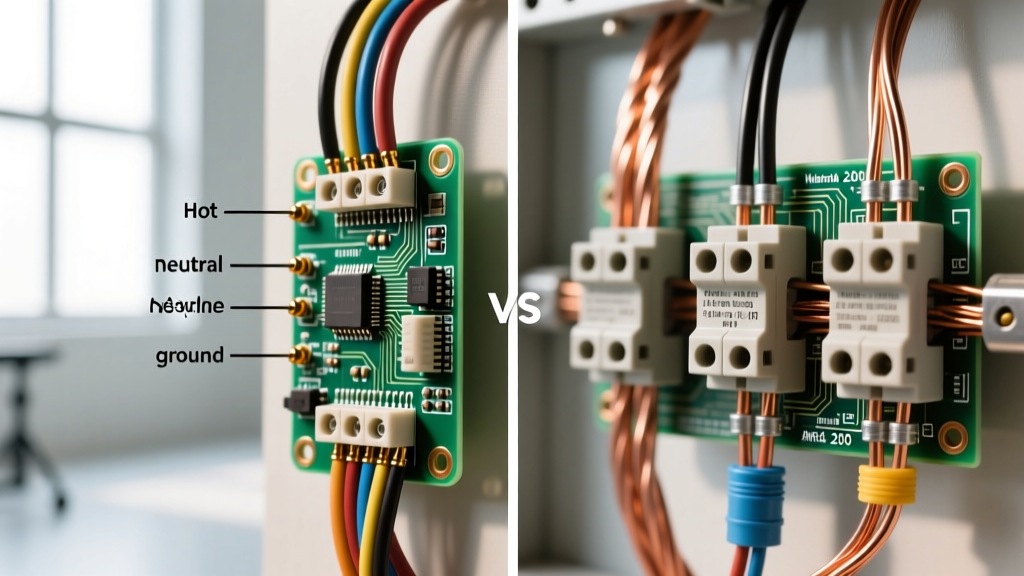
One of the most common reasons homeowners seek out electric clothes dryer wiring services is to upgrade an obsolete 3-prong outlet to a modern 4-prong outlet. Prior to the 1996 NEC update, dryers utilized a 3-prong NEMA 10-30R configuration, which combined the neutral and ground paths on the same conductor. This created a severe shock hazard if the neutral wire ever failed, as the chassis of the dryer would become energized with 120 volts.
NEC Article 250.140 Exception Removal: The National Fire Protection Association (NFPA) strictly mandates that all new installations must utilize a 4-wire setup, separating the equipment grounding conductor from the grounded (neutral) conductor. For a detailed look at grounding and bonding requirements, refer to the official NFPA NEC guidelines.
The Upgrade Cost: If you are buying a new home with an old 3-prong outlet, you cannot simply use an adapter. You must pull a new 10/3 (with ground) cable from the panel to the laundry room and install a NEMA 14-30R receptacle. Furthermore, you must remove the bonding strap or bonding wire inside the dryer's terminal block that connects the neutral to the chassis ground. Expect to pay a premium of $150-$250 in labor specifically for the demolition and drywall repair associated with replacing the old, ungrounded cable.
Hidden Cost Triggers & Edge Cases
When budgeting for your dryer circuit, be aware of these common edge cases that can rapidly inflate your final invoice:
- Full Electrical Panel: A 30A double-pole breaker requires two adjacent slots in your main panel. If your panel is at maximum capacity, the electrician cannot simply install the breaker. You may need to install tandem breakers (if the panel allows) to free up space ($150), add a subpanel ($800 - $1,500), or upgrade your main service panel ($2,500 - $4,000).
- Asbestos or Lead Abatement: In homes built before 1980, drilling through floor plates or wall cavities may disturb asbestos-containing materials (ACM). If an electrician suspects asbestos, work will halt until an environmental test is conducted ($300-$500).
- Long Runs & Voltage Drop: If your laundry room is located on the third floor and the panel is in the basement corner, your wire run might exceed 120 feet. To comply with NEC recommendations for a maximum 3% voltage drop on branch circuits, the electrician must upsize the wire from 10 AWG to 8 AWG. 8/3 NM-B costs roughly $3.10 per foot, increasing material costs by nearly 60%.
- Permitting Fines: According to the U.S. Department of Energy, proper installation is vital for appliance efficiency and safety. Skipping a municipal permit to save $100 can result in fines up to $500, and more importantly, will give your home insurance provider grounds to deny a claim in the event of an electrical fire.
Step-by-Step Estimation Framework for Homeowners
Before calling a licensed electrician for a quote, use this framework to estimate your specific project scope:
- Step 1: Measure the Run. Use a laser measure or measuring tape to calculate the distance from the center of your electrical panel to the desired dryer location. Add 15% to this number to account for drops, rises, and service loops.
- Step 2: Check Panel Capacity. Open your panel door (do not touch the bus bars). Count the available empty slots. Ensure you have at least two adjacent slots or can free them up.
- Step 3: Identify Wall Construction. Are the walls finished with drywall/plaster, or is this an unfinished basement/garage run? Unfinished spaces allow for surface-mounted EMT conduit, drastically reducing labor time.
- Step 4: Calculate Base Materials. Multiply your adjusted footage by $2.00 (for 10/3 NM-B). Add $50 for the breaker, receptacle, and boxes. Add $125 for a standard municipal permit.
- Step 5: Apply Labor Multiplier. For open walls, multiply your estimated hours by $135/hr. For finished walls requiring fishing and patching, assume 4-6 hours of labor.
Frequently Asked Questions
Can I use a 40-amp breaker for my electric dryer?
No. NEC Article 210.19 and 210.20 require the overcurrent protection device to match the wire ampacity and the manufacturer's specifications. Almost all residential electric dryers specify a 30-amp circuit. Using a 40-amp breaker on 10 AWG wire creates a severe fire hazard, as the wire will melt before the breaker trips.
Do I need GFCI or AFCI protection for a dryer circuit?
Under the 2023 and 2026 NEC cycles, 240-volt receptacles in laundry areas generally do not require AFCI protection unless local amendments dictate otherwise, and GFCI protection is typically not required for 240V dryer receptacles (unlike 120V laundry sinks or washing machine outlets). Always verify with your local Authority Having Jurisdiction (AHJ).
Can I wire a gas dryer with the same circuit?
Gas dryers only require a standard 120-volt, 15-amp or 20-amp single-pole circuit to power the drum motor and control board. They do not require the heavy 240V, 30-amp wiring detailed in this guide.