
The Great Debate: Running Conduit for Electrical Wiring
When planning a major electrical upgrade, garage build-out, or exterior lighting project, the decision to use conduit for electrical wiring rather than standard non-metallic (NM) sheathed cable (Romex) is a critical juncture. Conduit offers superior physical protection, fire resistance, and the invaluable ability to pull new wires in the future without tearing open walls. But is installing it a viable weekend DIY project, or does it strictly require a licensed professional?
In this comprehensive 2026 analysis, we break down the material costs, National Electrical Code (NEC) mandates, tooling requirements, and practical realities of running conduit. We will contrast the DIY approach—typically focused on exposed interior EMT (Electrical Metallic Tubing)—with the professional domain of underground PVC and rigid service masts.
The Material Landscape: What Are You Actually Buying?
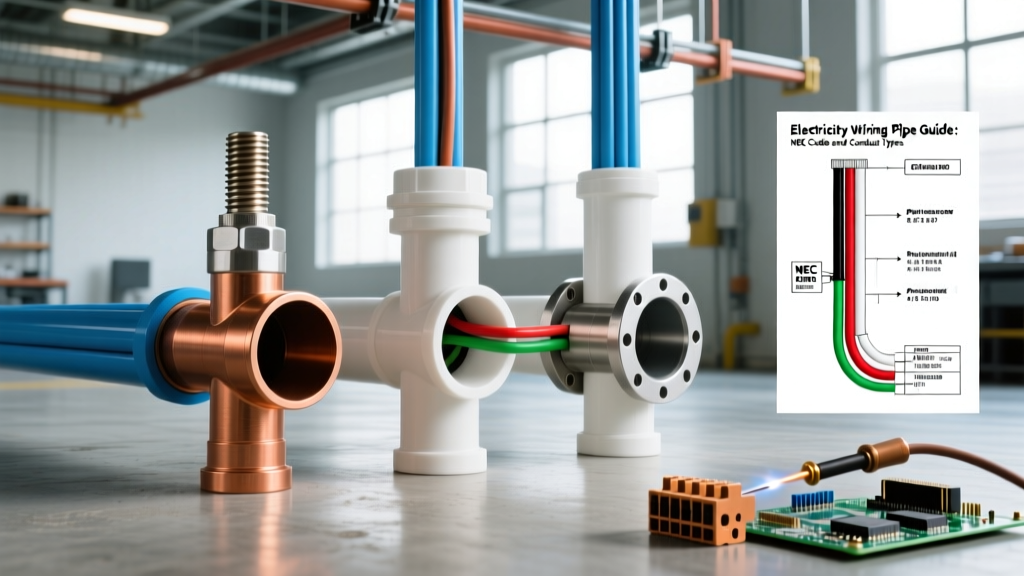
Before swinging a hammer or bending pipe, you must select the correct raceway. The two most common materials for residential and light commercial projects are EMT and PVC.
EMT (Electrical Metallic Tubing)
Often called 'thin-wall', EMT is the standard for exposed indoor wiring. In 2026, a standard 10-foot stick of 1/2-inch galvanized EMT costs between $5.50 and $7.00 at major big-box retailers, while 3/4-inch runs $7.50 to $9.00. It is lightweight, acts as an equipment grounding conductor (when fittings are properly tightened), and requires specific bending tools.
PVC Schedule 40 and Schedule 80
PVC is the undisputed king of underground runs and wet locations. Schedule 40 is standard for direct burial, while Schedule 80 (which features a thicker wall and costs roughly 40% more) is mandated by the NEC where the conduit is subject to physical damage, such as the transition from underground up the side of a house. A 10-foot stick of 1/2-inch Schedule 40 PVC currently retails for about $3.20.
NEC Code Note: According to NFPA 70 (National Electrical Code), PVC conduit cannot be used to support luminaires or other equipment, nor can it be used in environments where the ambient temperature exceeds 122°F (50°C), making it unsuitable for certain hot attic spaces.
The 40% Rule: Understanding Conduit Fill
The most common mistake DIYers make is overstuffing conduit. The NEC strictly limits the interior cross-sectional area that can be occupied by wires to prevent heat buildup and allow for future wire pulling.
- 1 Wire: Maximum 53% fill.
- 2 Wires: Maximum 31% fill.
- 3 or more Wires: Maximum 40% fill.
Real-World Example: If you are running three 12 AWG THHN wires (hot, neutral, ground) for a standard 20-amp circuit, 1/2-inch EMT is perfectly adequate (roughly 14% fill). However, if you want to run two separate 20-amp circuits (six wires total) in the same pipe, 1/2-inch conduit is a code violation. You must step up to 3/4-inch conduit. Professionals use Electrical Contractor Magazine's conduit fill calculators or the charts in NEC Chapter 9, Table 1 and Table 4 to verify compliance before a single pipe is cut.
DIY vs Professional Analysis Matrix
To help you decide who should handle your project, review this head-to-head comparison matrix.
| Factor | DIY Approach (Exposed EMT) | Professional Approach (Underground/Service) |
|---|---|---|
| Primary Material | 1/2' or 3/4' Galvanized EMT | PVC Sch 40/80, RMC, IMC |
| Tool Investment | $80 - $150 (Bender, fish tape, hacksaw) | $500+ (Heat guns, trenchers, threading tools) |
| Skill Curve | Moderate (Requires bending geometry math) | High (Requires trenching, gluing, load calcs) |
| Code Risk | Moderate (Improper support/bends) | Severe (Improper burial depth/water ingress) |
| Cost per 100ft | ~$120 (Materials only) | ~$400 - $800 (Labor + Materials) |
The DIY Route: Mastering Exposed EMT Bends
Running exposed conduit for electrical wiring in a garage, workshop, or basement is a highly rewarding DIY project. It yields a clean, industrial aesthetic and makes future circuit additions trivial. The primary hurdle is learning to bend EMT without kinking it.
The Deduct Method for 90-Degree Bends
When bending a 90-degree stub-up (a straight vertical rise from the floor), you must account for the radius of the bend. This is called the 'deduct'.
- Measure your desired rise: Let's say you need the top of the conduit to be exactly 40 inches from the floor.
- Apply the deduct: For a standard Klein Tools 56207 3/4-inch EMT bender, the deduct is 6 inches. (For 1/2-inch, it is 5 inches; for 1-inch, it is 8 inches).
- Mark the pipe: Subtract the deduct from your rise (40 - 6 = 34 inches). Make a mark on the EMT at 34 inches.
- Execute the bend: Align the arrow on the bender shoe with your mark. Apply firm foot pressure to the bender heel and pull the handle smoothly until the pipe aligns with the 90-degree tick mark on the shoe.
Pro-Tip for DIYers: Never use a cheater bar on the bender handle. If you don't have the leverage, you are likely using a bender sized incorrectly for the pipe, or you are attempting to bend aluminum-clad steel EMT which requires more force. Use a CPSC-recommended safe work stance to avoid back injuries and slipped benders.
Support and Spacing Requirements
DIYers frequently fail inspections by improperly supporting EMT. The NEC mandates that EMT be secured within 3 feet of every outlet box, junction box, or fitting, and at intervals not exceeding 10 feet. Use two-hole metal straps with #10 screws driven into studs; plastic zip-ties or wire hangers are immediate code violations.
The Professional Route: Underground PVC and Service Masts
While exposed indoor EMT is DIY-friendly, running conduit for electrical wiring underground or installing a main service mast is firmly in the professional domain. The stakes, physical labor, and code complexities escalate dramatically.
Trenching and Burial Depths
Professionals must adhere to NEC Table 300.5 for minimum cover requirements. For a standard 120V/240V residential branch circuit in PVC Schedule 40, the minimum burial depth is 18 inches. However, if the circuit is GFCI protected and limited to 120V/20A, the depth can be reduced to 12 inches. Rigid Metal Conduit (RMC) only requires 6 inches of cover. Miscalculating these depths can result in a severed line when a homeowner later plants a tree or installs a fence post.
Sweeping Bends and Heat Management
Unlike EMT, PVC cannot be cold-bent. Professionals use specialized heating blankets or hot boxes (like the Greenlee 1811 PVC heater) to uniformly heat the pipe to roughly 300°F before forming it over a bending spring. If a DIYer attempts this with a standard heat gun, they will inevitably scorch the exterior while leaving the interior rigid, resulting in a flattened, kinked pipe that violates the code requirement that conduit shall not be 'distorted'. Furthermore, sweeping 90-degree bends must be purchased pre-formed (Long Radius Elbows) to ensure the wire pulling tension does not exceed the NEC limit of 360 pounds of force.
Water Ingress and Expansion Joints
Underground conduit will eventually take on water due to condensation and groundwater seepage. Professionals mitigate this by using duct seal at the termination points and ensuring all underground joints are primed and glued with Schedule 40 PVC cement. Above ground, where PVC is exposed to sunlight and temperature swings, professionals install PVC expansion fittings every 100 to 140 feet to prevent the pipe from buckling or tearing apart at the joints as it expands and contracts.
Common Failure Modes and Edge Cases
Whether you are a weekend warrior or a seasoned sparky, be aware of these common pitfalls:
- The Fish Tape Snag: Pushing fish tape through a conduit with multiple 90-degree bends is nearly impossible. The NEC limits conduit runs to no more than 360 degrees of total bends between pull points. If you hit this limit, you must install a pull box.
- Wire Insulation Shredding: Pulling THHN wire through EMT with rough, reamed cut ends will strip the insulation right off the copper. Always use a conduit reamer after cutting EMT with a hacksaw or bandsaw.
- Grounding Continuity: In EMT systems, the metal pipe itself serves as the ground path. If you use set-screw fittings and fail to tighten them down with a torque screwdriver, or if you paint over the fittings, you lose your ground path, creating a severe shock hazard.
Final Verdict: Where is the Line Drawn?
Installing conduit for electrical wiring is not a monolith. If your project involves surface-mounting EMT in a garage, basement, or workshop to add receptacles or lighting, a diligent DIYer with a $100 tool investment and a solid grasp of NEC fill tables can achieve professional-grade, code-compliant results. The learning curve for bending is steep but entirely manageable.
Conversely, if your project involves trenching, underground PVC, main service upgrades, or running conduit through finished walls where pulling wire is required, hire a licensed electrical contractor. The cost of renting trenchers, buying PVC heating equipment, and the severe safety risks associated with improper burial depths and main panel terminations make professional installation the only logical choice.