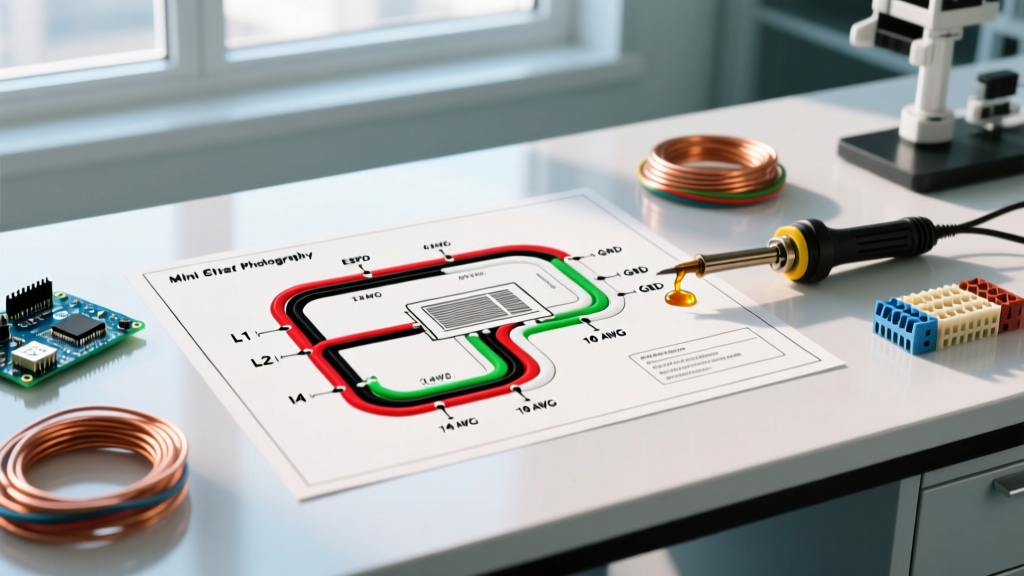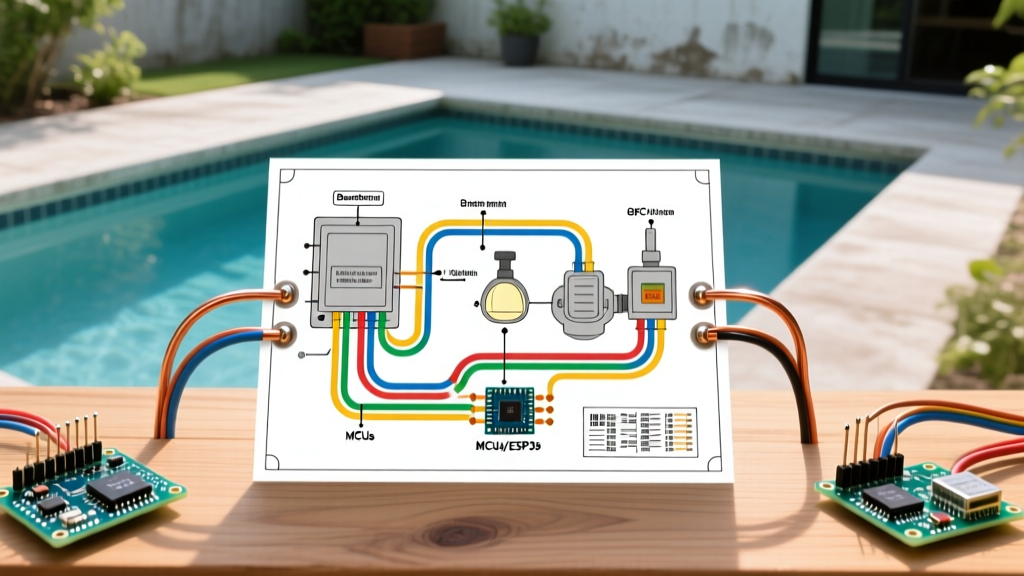

Decoding the Above Ground Pool Electrical Wiring Diagram
Wiring an above ground pool is not like wiring a standard outdoor receptacle or a shed. The combination of large volumes of water, metal pool walls, and high-amperage pump motors creates a uniquely hazardous environment. To ensure safety and pass local inspections, every installer must follow a precise above ground pool electrical wiring diagram that complies with the National Electrical Code (NEC). In 2026, with the widespread adoption of variable-speed pumps (VSPs) and stricter local amendments to the 2023/2026 NEC cycles, understanding your breaker panel configuration, wire gauge, and bonding grid is more critical than ever.
This guide breaks down the panel and breaker requirements for above ground pools, moving beyond basic DIY tutorials to provide the exact specifications, product models, and failure-mode insights that professional electricians use.
NEC Article 680: The Foundation of Pool Panel Safety
All pool wiring in the United States is governed by NEC Article 680, which covers swimming pools, fountains, and similar installations. The core mandate of Article 680 is the prevention of electrical shock through strict Ground-Fault Circuit Interrupter (GFCI) protection and equipotential bonding. According to the U.S. Consumer Product Safety Commission (CPSC), faulty pool wiring remains a leading cause of residential electrocution, making adherence to these codes non-negotiable.
For above ground pools, the wiring diagram must account for three distinct circuits in most modern setups:
- Pump Motor Circuit: Typically 240V for modern VSPs, requiring a dedicated 2-pole GFCI breaker.
- Pool Light Circuit: 120V or 12V (with a transformer), requiring a 1-pole GFCI breaker.
- General Use Receptacle: A 120V, 20A GFCI-protected receptacle located between 10 and 20 feet from the pool edge for maintenance equipment.
Main Panel vs. Dedicated Subpanel: Which Breaker Setup Do You Need?
A common point of confusion when reviewing an above ground pool electrical wiring diagram is whether to run circuits directly from the home's main service panel or to install a dedicated outdoor subpanel. The decision depends on your main panel's available breaker spaces, the distance to the pool, and local code amendments regarding outdoor disconnects.
| Feature | Main Panel Direct Feed | Dedicated Outdoor Subpanel |
|---|---|---|
| Best For | Pools within 30 feet of the main house panel. | Pools over 50 feet away, or setups with heaters, lights, and multiple pumps. |
| Breaker Type | Standard indoor GFCI breakers (e.g., Eaton BR220GF). | Outdoor load center with standard breakers + GFCI protection at the source or subpanel. |
| Conduit Needs | Schedule 80 PVC from panel to trench. | Feeder cable to subpanel, then Schedule 80 PVC to pool equipment. |
| Cost Estimate (2026) | $450 - $800 (materials and basic labor) | $1,200 - $2,500 (requires subpanel, feeder wire, and grounding rod) |
| Code Advantage | Simpler inspection if panel is accessible. | Provides a localized maintenance disconnect, highly favored by inspectors. |
Wire Gauge and Voltage Drop Calculations
When sizing wire for your pool's breaker setup, you must account for both the ampacity of the pump and voltage drop over distance. Most 240V variable speed pool pumps (like the Pentair IntelliFlo3 or Hayward TriStar VS) draw between 10 and 14 amps at maximum load. While 14 AWG wire is technically rated for 15 amps, NEC Article 680 and standard best practices mandate a minimum of 12 AWG THWN-2 copper wire for pool pump circuits, with 10 AWG heavily preferred to mitigate voltage drop and accommodate future upgrades.
| Distance from Panel | Recommended Wire Gauge (240V) | Conduit Size (Min) | Voltage Drop Risk |
|---|---|---|---|
| Up to 50 feet | 12 AWG THWN-2 Copper | 1/2 inch Schedule 40/80 PVC | Low (<2%) |
| 51 to 100 feet | 10 AWG THWN-2 Copper | 3/4 inch Schedule 40/80 PVC | Moderate (Use 10 AWG to keep <3%) |
| 101 to 150 feet | 8 AWG THWN-2 Copper | 1 inch Schedule 40/80 PVC | High (8 AWG required for VSP longevity) |
Note: THWN-2 wire must be pulled through conduit. Direct burial cables (like UF-B) are generally prohibited by local inspectors for pool pump circuits due to the inability to replace the wire if it degrades, and the lack of physical protection.
Step-by-Step GFCI Breaker Configuration
The heart of your above ground pool electrical wiring diagram is the GFCI breaker. Unlike standard breakers that only trip on overcurrent or short circuits, GFCI breakers monitor the current differential between the hot and neutral wires, tripping in milliseconds if a leak as small as 5 milliamps is detected.
- Select the Correct Breaker Model: For a 240V pump, use a 2-pole 20A GFCI breaker. Highly reliable 2026 models include the Siemens Q220GFI (for Siemens/Murray panels) or the Eaton BR220GF (for Eaton/Bryant panels). Ensure the breaker matches your panel's bus bar design to avoid dangerous back-feeding.
- Wire the Pigtail Correctly: GFCI breakers feature a coiled white pigtail wire. This must be connected directly to the panel's neutral bar. If this pigtail is left unconnected or connected to the ground bar, the GFCI will not function and will fail inspection.
- Connect the Load Wires: The two hot wires (typically black and red, or black and white re-identified with black tape) from the pool pump conduit connect to the two brass load terminals on the GFCI breaker.
- Connect the Neutral (If Required): Many 240V pool pumps do not require a neutral wire. If your pump is strictly 240V, the white neutral wire from the conduit is capped off in the panel. If your pump requires 120V/240V (common in pool heaters or salt-chlorine generators), the white neutral connects to the silver neutral terminal on the breaker.
- Land the Ground: The bare or green equipment grounding conductor lands on the panel's dedicated equipment grounding bar, never on the neutral bar (except in the main service disconnect, per NEC 250.24).
The Most Misunderstood Concept: Bonding vs. Grounding
When reviewing pool wiring diagrams, DIYers frequently conflate grounding with bonding. They are entirely different safety mechanisms, and confusing them is a primary cause of fatal pool shocks.
Grounding provides a low-resistance path back to the panel to trip the breaker in the event of a short circuit. Bonding connects all metal components together to eliminate the voltage gradient (potential difference) between them, ensuring that a person touching the pool wall and the pump motor simultaneously will not become the path of least resistance.
Per NEC 680.26, an above ground pool with metal walls requires an equipotential bonding grid. You must use a continuous 8 AWG bare solid copper wire to bond the following components together:
- The pump motor housing (using the external bonding lug).
- The metal pool wall (using a specialized skimmer bonding plate or a stainless steel bonding clamp attached to the wall).
- All metal parts of the pool equipment (heaters, filter tanks, ladders).
- Any metal wiring methods or conduit within 5 feet of the pool.
Failure Mode Edge Case: Using stranded 8 AWG wire instead of solid 8 AWG wire for the bonding grid is a frequent code violation. Inspectors will fail the job because stranded wire corrodes faster when exposed to pool chemicals and soil moisture. Always use solid bare copper.
Common Wiring Mistakes and Failure Modes in 2026
Even with a perfect diagram, execution errors can lead to catastrophic failures. Be aware of these common pitfalls:
- Using Standard PVC Instead of Schedule 80: NEC 680.10 requires Schedule 80 PVC conduit wherever the wiring is subject to physical damage (such as the exposed run from the trench up to the pump motor or the wall penetration into the house). Schedule 40 will shatter if kicked or struck by a lawnmower.
- Improper Conduit Sealing: Where the conduit enters the pump motor junction box, you must use a liquidtight flexible conduit (LFMC) fitting or a specific conduit hub. Failing to seal this junction allows moisture to wick into the conduit, eventually corroding the breaker terminals inside your main panel.
- Shared Neutrals: Never share a neutral wire between the pool light circuit and the pool receptacle circuit. GFCI breakers will instantly trip if they detect current returning on a shared neutral from another circuit.
- Ignoring the Ufer Ground: If you are pouring a concrete pad for the pool equipment, NEC 680.26 requires you to bond the rebar in the concrete pad to the equipotential bonding grid. Skipping this creates a voltage gradient between the wet concrete and the pool water.
2026 Cost Breakdown for Pool Electrical Upgrades
Budgeting for pool electrical work requires an understanding of both material costs and the specialized labor rates for licensed electricians who carry the necessary insurance for wet-location work. Below is a realistic cost matrix for a standard above ground pool setup in 2026.
| Component / Service | Estimated Cost Range (2026) | Notes |
|---|---|---|
| 2-Pole 20A GFCI Breaker (Siemens/Eaton) | $95 - $145 | Prices have stabilized post-supply chain issues. |
| Outdoor 50A Subpanel (if required) | $120 - $180 | Includes enclosure and main lug. |
| 10 AWG THWN-2 Wire (per foot) | $1.80 - $2.50 | Copper prices remain elevated in 2026. |
| 8 AWG Solid Copper Bonding Wire | $1.50 - $2.00 / ft | Must be bare, solid copper. |
| Trenching (18 inches deep, 50 ft) | $400 - $750 | Varies heavily by soil type and root systems. |
| Licensed Electrician Labor (Pool Certified) | $125 - $185 / hour | Expect 6 to 10 hours for a complete, code-compliant job. |
| Permit and Inspection Fees | $100 - $250 | Mandatory for insurance and liability purposes. |
For a comprehensive look at energy-efficient pool equipment that impacts your electrical load, the U.S. Department of Energy provides excellent guidelines on how modern variable-speed pumps can drastically reduce the amperage requirements of your pool setup, potentially allowing you to utilize smaller wire gauges for longer runs.
Final Inspection Checklist
Before calling your local inspector to sign off on your above ground pool electrical wiring diagram, verify the following:
- All GFCI breakers trip successfully when the 'Test' button is pressed.
- The 8 AWG solid copper bonding wire is continuous and securely clamped to the pool wall, pump motor, and any metal ladders.
- The outdoor receptacle is at least 10 feet from the pool edge, features a weatherproof 'in-use' cover, and is GFCI protected.
- All conduit connections are glued (if PVC) and sealed, with no exposed wiring.
- The panel directory is updated to clearly label the pool pump, light, and receptacle circuits.
By treating the breaker panel and the bonding grid with the same level of meticulous attention, you ensure your above ground pool remains a safe, enjoyable environment for years to come.