
The Pyrography vs. Electronics Conflict
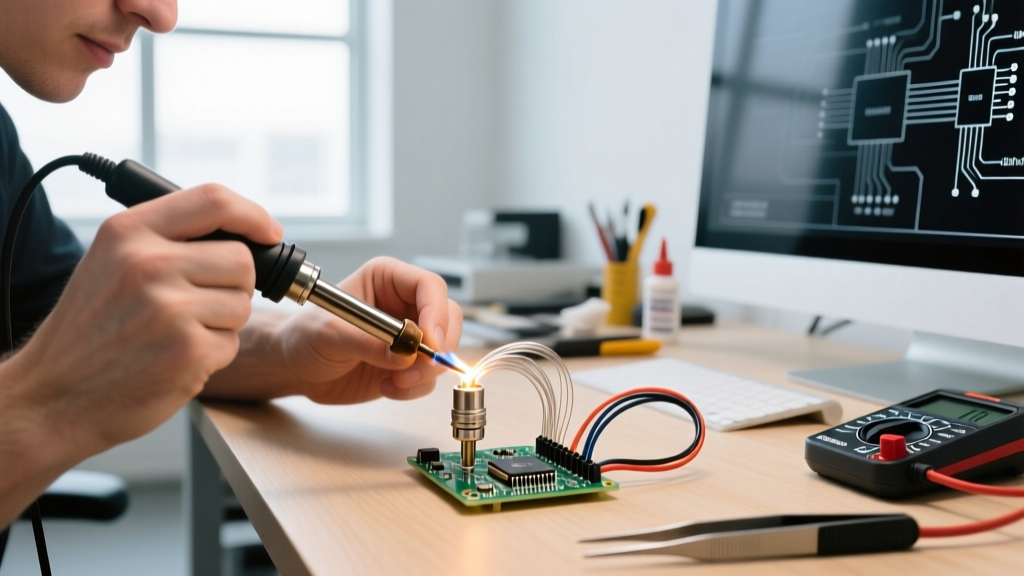
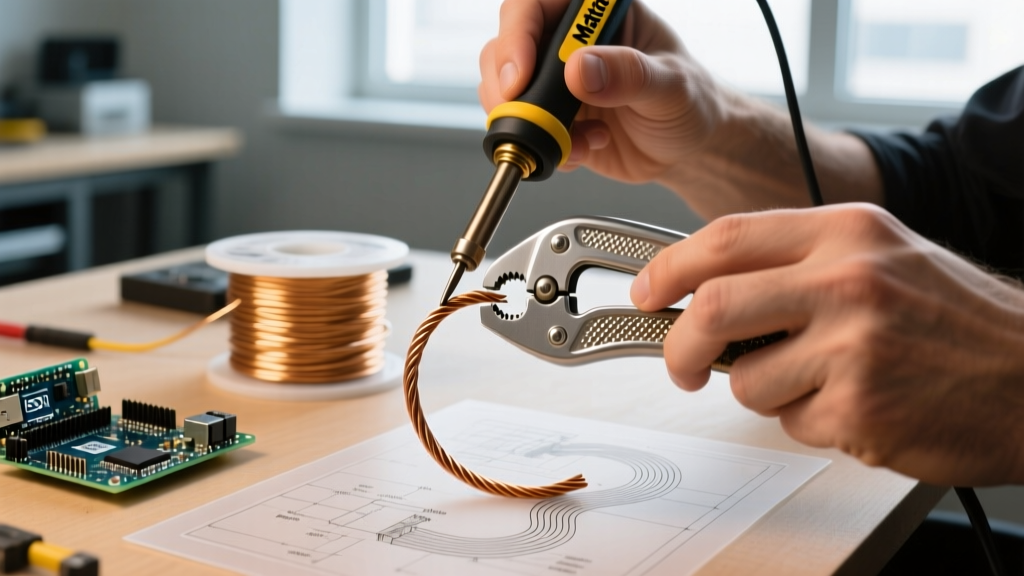
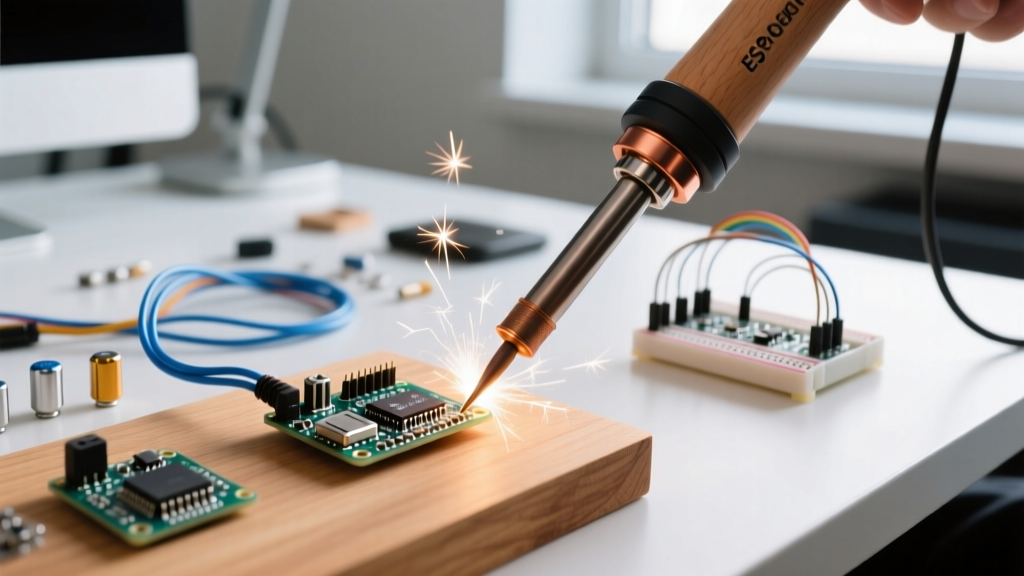
As smart soldering irons like the Pinecil V2 and Sequre S60 dominate the market in 2026, electronics hobbyists frequently ask a compelling question: can I use my precision soldering station as a soldering wood burning tool? The short answer is yes, but the long answer involves a complex intersection of metallurgy, thermal dynamics, and wood science. Pyrography (wood burning) and electronics soldering share a fundamental mechanism—transferring heat through a metal point—but their operational requirements are diametrically opposed.
This decision framework is designed for makers, DIYers, and engineering students trying to determine whether to adapt their existing electronics gear for wood art, or invest in dedicated pyrography equipment. We will break down the exact failure modes, cost-benefit ratios, and safety protocols required to make an informed choice.
The Core Decision Matrix
Before committing to a tool, evaluate your primary use case against this decision matrix. Using a soldering iron for wood is not inherently wrong, but it is highly situational.
| Scenario | Recommended Tool | Technical Rationale | Estimated Cost |
|---|---|---|---|
| Casual Hobbyist (1-2 projects/year) | Standard 40W-60W Soldering Iron | Low barrier to entry; acceptable for simple line art on softwoods. | $25 - $75 (Existing gear) |
| Intermediate Crafter (Gifts, Signage) | Dedicated Solid-Point Burner | Better ergonomics; interchangeable brass tips prevent soldering tip ruin. | $40 - $90 |
| Fine Art & Shading (Portraits, Hardwoods) | Wire-Nib Pyrography Pen | Instant thermal recovery; specialized shader nibs; precise low-temp control. | $180 - $250 |
| PCB Repair & Micro-Soldering | Smart Soldering Station (e.g., Hakko FX-951) | Preserves iron-plated tips; prevents cross-contamination of wood resins. | $150 - $300 |
Tip Metallurgy and the Janka Hardness Scale
The most critical factor in deciding whether to use a soldering iron on wood is understanding tip metallurgy. According to Hakko USA's official tip care guidelines, modern soldering tips are not solid iron. They consist of a highly conductive copper core, plated with a thin layer of iron to resist solder corrosion, and finished with a chrome outer layer.
When you drag a soldering tip across wood at 400°C, two destructive processes occur:
- Abrasive Stripping: Wood fibers act as a mild abrasive. Over time, this physically wears away the microscopic iron plating. Once the copper core is exposed, the tip will oxidize rapidly and become useless for electronics soldering (solder will no longer wet the surface).
- Resin Carbonization: Wood sap and resins bake onto the tip, creating a hard carbon shell. While you can clean this off with brass wool, aggressive scraping accelerates the degradation of the iron plating.
Furthermore, wood density dictates thermal demand. The Janka Hardness Scale measures the resistance of wood to denting and wear. Basswood (410 lbf) requires lower temperatures (280°C–320°C) and slow movement. Conversely, Red Oak (1290 lbf) or Hard Maple (1450 lbf) demand high thermal mass and temperatures exceeding 400°C to achieve a dark burn without excessive physical pressure. A standard conical soldering tip (like the Hakko T18-B) lacks the surface area to transfer heat efficiently into dense hardwoods, resulting in uneven, scorched lines rather than smooth gradients.
Ergonomics and Thermal Recovery Limitations
Soldering irons are engineered for point-to-point precision. You anchor your hand, touch a PCB pad for 1.5 seconds, and lift. Pyrography requires continuous, fluid wrist movements akin to drawing with a fountain pen.
The Cord Drag Factor
Most high-quality soldering irons feature thick, heat-resistant silicone cords designed to withstand accidental contact with a 350°C barrel. In a pyrography context, this heavy cord creates immense drag, ruining the artist's line quality and causing hand fatigue within minutes. Dedicated wood burning pens use ultra-flexible, lightweight braided cords specifically to eliminate this resistance.
Thermal Lag in Solid Tips
When a soldering iron moves across a cold piece of oak, the wood rapidly absorbs the heat. Smart irons like the Pinecil V2 boast rapid PID heating, but the thermal bottleneck is the physical mass of the tip itself. Dedicated wire-nib burners (such as those from Razertip or Colwood) use thin nichrome wire loops. Because the wire has almost zero thermal mass, it recovers its temperature in milliseconds, allowing for seamless shading techniques that a solid copper-cored soldering tip simply cannot replicate.
Fume Extraction and Respiratory Safety
A frequently overlooked aspect of the soldering wood burning tool debate is respiratory safety. Soldering fume extractors (like the Hakko FA-400) are equipped with activated carbon filters designed to adsorb colophony and rosin flux vapors. They are not rated for wood smoke.
Burning wood generates fine particulate matter (PM2.5), volatile organic compounds (VOCs), and, depending on the wood species, toxic alkaloids. For example, burning exotic woods like Cocobolo or Rosewood can trigger severe allergic reactions and respiratory distress. According to techniques outlined by Popular Woodworking, proper pyrography requires either a dedicated dual-stage HEPA and carbon filtration system or a localized exhaust vent routed outdoors. Using a standard desktop soldering fan for wood burning will result in hazardous particulate buildup in your workspace.
Step-by-Step Adaptation Guide (If You Must Use a Soldering Iron)
If your budget or current situation dictates that you must use your electronics soldering iron for a wood project, follow this strict protocol to minimize damage to your gear and maximize artistic output:
CRITICAL RULE: Never use your primary micro-soldering tip for wood. The cross-contamination of wood resins and the degradation of the iron plating will ruin the tip for precision electronics work.
- Procure a 'Sacrificial' Tip: Purchase a cheap, generic clone tip (e.g., a standard 600M series conical or chisel tip) for under $5. Dedicate this tip exclusively to wood burning.
- Prepare the Wood Surface: Sand your wood progressively up to 320-grit. A smooth surface reduces the physical drag on the tip, preserving the plating and preventing the tip from catching on wood grain.
- Set the PID Temperature:
- Softwoods (Pine, Basswood): 300°C - 330°C
- Medium Hardwoods (Walnut, Cherry): 350°C - 380°C
- Hardwoods (Oak, Maple): 390°C - 420°C
- Employ the 'Lift and Move' Technique: Do not press down. Let the thermal mass of the iron do the work. Pressing hard accelerates tip wear and creates deep, uncorrectable gouges in the wood.
- Clean Frequently: Wipe the tip on a damp cellulose sponge or brass wool every 5 minutes to prevent resin carbonization. Never use sandpaper or a steel file to clean a soldering tip.
The Final Verdict: Protect Your Precision Gear
While a 60W smart soldering iron can technically scorch wood, treating it as a dedicated soldering wood burning tool is a false economy. The cost of replacing degraded, iron-plated soldering tips ($8 to $15 each) quickly eclipses the price of an entry-level solid-point wood burner ($35 to $50). More importantly, the risk of cross-contaminating your primary soldering gear with carbonized wood resin compromises the integrity of your future electronics projects.
For casual, one-off DIY signage, a sacrificial soldering tip will suffice. However, for anyone serious about pyrography, shading, or working with dense hardwoods, investing in a purpose-built wire-nib pyrography system is the only technically sound decision. Respect the metallurgy of your tools, and they will serve you flawlessly in both the electronics lab and the art studio.