
The True Economics of Soldering Silver in 2026
When engineers, HVAC technicians, and jewelers evaluate joining methods, the phrase 'soldering silver' encompasses a vast spectrum of metallurgy and economics. Unlike standard tin-lead or basic lead-free alloys, silver-bearing solders and brazing alloys are directly tethered to the precious metals market. With silver spot prices stabilizing in the $28 to $32 per troy ounce range in early 2026, the cost premium for silver alloys demands rigorous justification.
Is the premium for silver soldering strictly a metallurgical necessity, or are fabricators overspending on misplaced material margins? This cost analysis breaks down the exact pricing structures, hidden operational expenses, and rework penalties associated with silver soldering across three major industries: microelectronics, HVAC/refrigeration, and precious metal fabrication.
Defining the Tiers: Electronics vs. Brazing vs. Jewelry
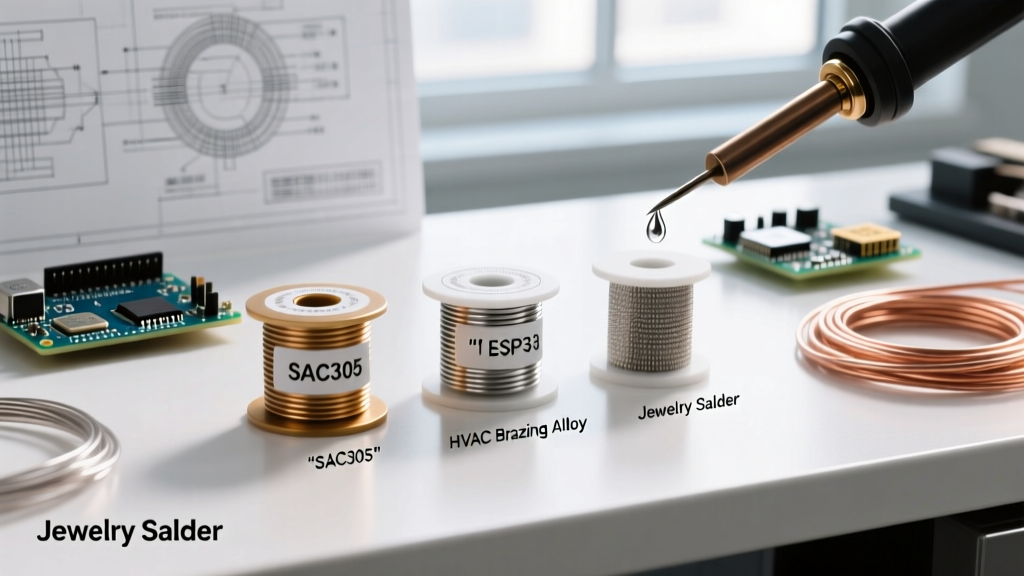
To accurately analyze costs, we must first decouple the terminology. 'Soldering silver' generally refers to three distinct processes, each with wildly different cost-per-ounce metrics and failure tolerances.
1. Microelectronics (SAC305 and Low-Silver Alloys)
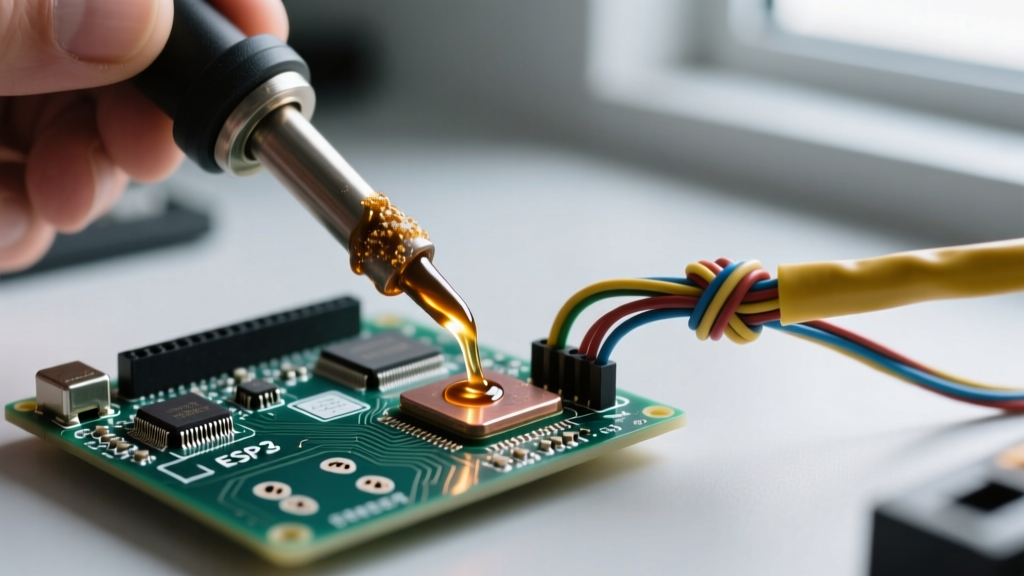
In PCB assembly, silver is used as a minor alloying element. The industry standard SAC305 (96.5% Tin, 3.0% Silver, 0.5% Copper) utilizes silver primarily to prevent tin leaching from component pads and to improve thermal fatigue resistance. Because the silver content is relatively low (3%), the cost is driven more by tin market fluctuations and manufacturing overhead than by precious metal spot prices.
2. HVAC, Aerospace, and Heavy Electrical (Silver Brazing)
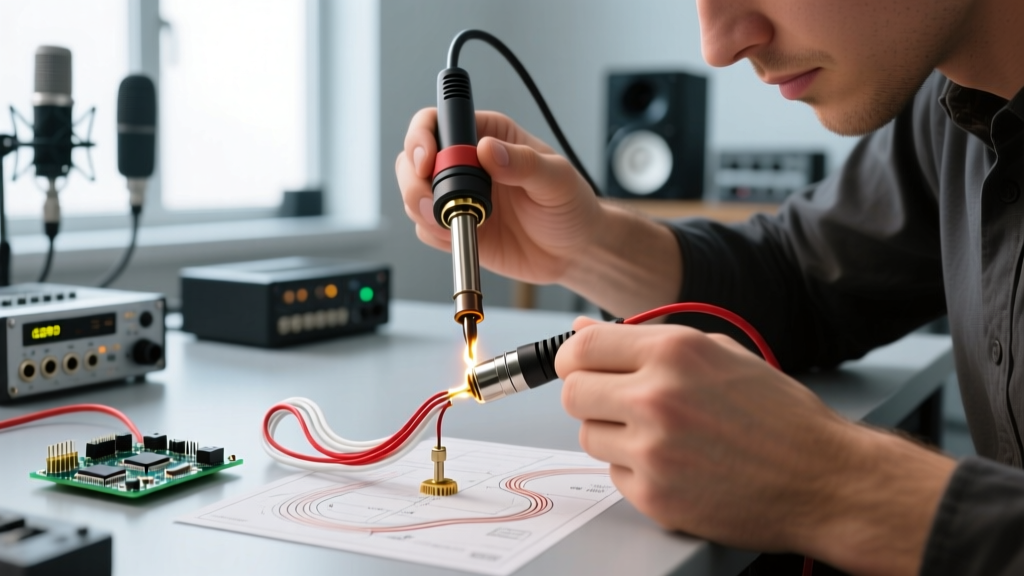
Often colloquially called 'silver soldering,' this is technically brazing. Alloys like Safety-Silv 45 or Silvaloy 35 contain between 15% and 50% pure silver. These alloys melt between 1145°F and 1475°F, creating capillary joints with tensile strengths exceeding 60,000 PSI. Here, the cost is brutally sensitive to the daily silver spot market.
3. Jewelry and Silversmithing (Sterling Silver Solders)
Jewelers use specialized silver solders graded by flow temperature (Hard, Medium, Easy) to solder sterling silver components without melting the base workpiece. These are sold by the pennyweight (dwt) and carry the highest retail markup per gram of any silver solder category.
2026 Material Cost Matrix: Silver Alloys by the Ounce
The table below illustrates the approximate retail and bulk pricing for common silver-bearing alloys as of Q1 2026. Note that HVAC and jewelry alloys suffer the highest volatility due to their high precious metal density.
| Alloy Category | Standard Designation | Ag Content | Approx. 2026 Retail Price | Primary Application |
|---|---|---|---|---|
| Electronics Wire | SAC305 (Sn96.5/Ag3/Cu0.5) | 3.0% | $40 - $55 / lb | PCB through-hole and SMT |
| Electronics Paste | SAC305 Type 4 Paste | 3.0% | $120 - $160 / 500g jar | Stencil printing for SMT |
| HVAC / Brazing | Safety-Silv 45 (Harris) | 45.0% | $28 - $36 / oz | Copper-to-steel, refrigeration lines |
| HVAC / Brazing | Silvaloy 15 (Lucas-Milhaupt) | 15.0% | $12 - $16 / oz | Copper-to-copper, basic plumbing |
| Jewelry Solder | Sterling Hard (1450°F flow) | ~75% | $4.50 - $6.00 / dwt | Ring shanks, structural bezels |
The Hidden Cost Multipliers: Where Budgets Actually Fail
Amateur cost analyses stop at the price of the solder wire or rod. Professional fabricators know that the true cost of soldering silver is dictated by joint geometry, flux consumption, and shielding requirements.
The Joint Clearance Penalty
The most critical economic factor in silver brazing is joint clearance. According to Lucas-Milhaupt's brazing fundamentals, the optimal radial clearance for silver-based brazing alloys is between 0.0015 and 0.005 inches (0.04mm - 0.13mm) at room temperature.
The 0.010" Mistake: If a machinist or pipefitter leaves a clearance of 0.015 inches instead of the optimal 0.003 inches, capillary action fails. The joint will not draw the alloy inward. To achieve structural integrity, the technician must rely on external fillets, effectively increasing silver alloy consumption by 300% to 500%. On a production run using $32/oz Safety-Silv 45, this single tolerance error can wipe out the project's profit margin.
Flux and Chemical Overhead
Unlike phos-copper alloys used on pure copper, silver-bearing alloys used on brass, steel, or nickel require aggressive fluxing to prevent oxide formation at 1300°F+.
- White Flux (Borax/Boric Acid base): Costs roughly $18 to $25 per pint. Effective up to 1600°F.
- Black Flux (Potassium Fluoride base): Costs $30 to $45 per pint. Required for high-temperature alloys and carbide-to-steel brazing.
Rework and Scrap Economics
Silver soldering is unforgiving. In microelectronics, reworking a SAC305 joint requires desoldering braid (like Goot Wick) and high-activity rosin flux. Because SAC305 has a higher melting point (217°C) than legacy Sn63/Pb37 (183°C), the thermal dwell time on the PCB pad increases. This elevates the risk of pad lift and delamination. A single scrapped multi-layer PCB can cost upwards of $150, instantly negating the savings of using a cheaper, low-silver alternative like SN100C.
In HVAC, if a silver-brazed joint leaks during pressure testing (e.g., a 600 PSI nitrogen test for R-410A or R-32 systems), the technician cannot simply 'melt more solder' over the leak. The joint must be cut out, purged with nitrogen, re-fluxed, and brazed again. The cost of the silver rod is negligible compared to the $85+ per hour labor rate and the cost of recovered refrigerant.
Strategic Cost Optimization Framework
To maximize ROI when soldering silver, engineering and fabrication teams should implement the following cost-control protocols:
- Design for Capillary Action, Not Fillets: Always specify lap joints over butt joints. A properly designed lap joint with a 0.003" clearance will yield a joint strength greater than the base metal itself, using a fraction of an ounce of silver alloy.
- Downgrade Silver Content Where Possible: If you are brazing copper-to-copper in a non-vibrating environment, switch from a 45% silver alloy to a 15% silver alloy (like Silvaloy 15) or a phosphorus-copper alloy (which requires zero flux). Reserve 35-45% silver alloys strictly for dissimilar metals (copper-to-steel) or high-vibration environments.
- Pre-Place the Alloy: Instead of hand-feeding silver brazing wire, use pre-formed rings or washers placed on the joint before heating. This eliminates the 'guesswork' of hand-feeding and reduces silver waste by up to 20%.
- Monitor Spot Markets for Bulk Purchasing: For high-volume HVAC manufacturers, track daily silver spot market trends. Purchasing 45% silver rods during localized market dips can save thousands of dollars annually compared to just-in-time localized distributor purchasing.
Frequently Asked Questions (FAQ)
Is SAC305 still the standard for electronics in 2026?
Yes, despite the push for lower-cost alternatives like SAC0307 (0.3% Silver) or SN100C (Tin-Copper-Nickel), SAC305 remains the benchmark for high-reliability electronics (automotive, aerospace, medical). The 3% silver content provides superior drop-shock and thermal cycling performance, as outlined in various IPC reliability standards. The slight premium in solder paste cost is easily justified by the reduction in field failures.
Why is my silver jewelry solder leaving a visible dark line?
This is a metallurgical mismatch, not necessarily a cost issue. Sterling silver solder contains less silver (and more copper/zinc) than the 92.5% sterling base metal to lower its melting point. When pickled, the lower silver content oxidizes differently, leaving a shadow. To fix this, jewelers must use 'plumb' silver solders or employ depletion gilding techniques, which adds labor time to the final cost.
Can I use silver solder on aluminum?
Generally, no. Standard silver brazing alloys (Ag-Cu-Zn-Sn) will not wet aluminum due to the tenacious aluminum oxide layer, which requires specialized fluxes and temperatures that often melt the aluminum base metal before the silver alloy flows. For aluminum, you must use specialized aluminum brazing rods (like AlumiBraze) or TIG welding, abandoning silver alloys entirely to save costs and prevent catastrophic joint failure.