
The Reality of the Soldering Profession in 2026
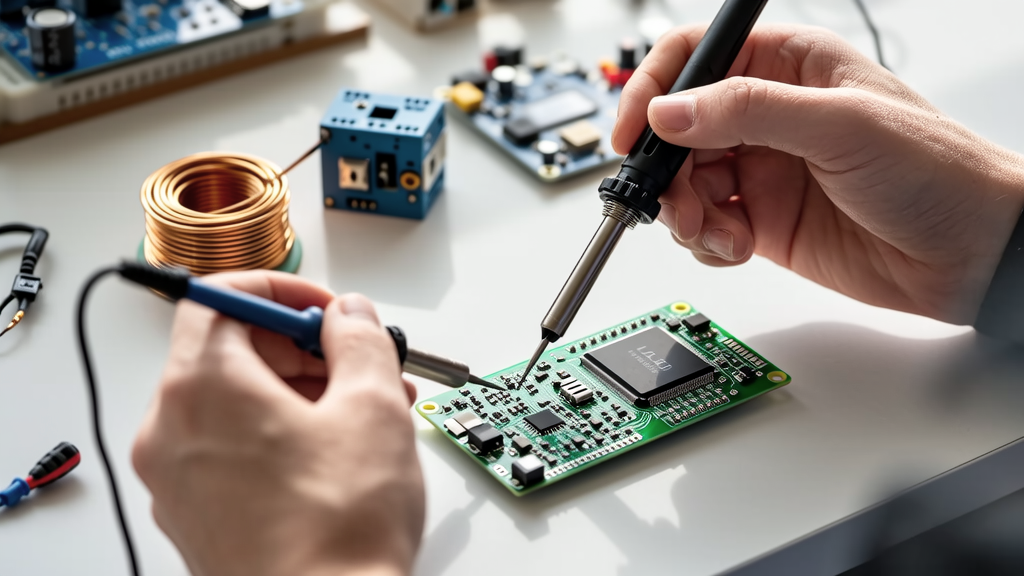
The modern soldering profession has evolved far beyond basic through-hole assembly. Today's electronics manufacturing and rework specialists operate at the intersection of metallurgy, precision optics, and advanced thermal dynamics. With the mass adoption of 0201 and 01005 imperial surface-mount components, alongside complex Ball Grid Array (BGA) and flexible printed circuits, the barrier to entry for professional solderers has risen significantly.
According to the Bureau of Labor Statistics (OES 51-2021), the demand for highly skilled electrical and electronic assemblers remains robust, particularly in high-reliability sectors like aerospace, medical devices, and automotive EV systems. Transitioning from a hobbyist to a recognized professional in this field requires a strategic investment in certifications, specialized tooling, and a deep understanding of industry standards like IPC J-STD-001.
Career Trajectories and Salary Expectations
Compensation in the soldering profession varies drastically based on your sector, certification level, and mastery of micro-soldering techniques. Below is a breakdown of primary career paths and their 2026 salary expectations.
| Role / Specialization | Required Certifications | 2026 Average Salary Range | Primary Focus & Components |
|---|---|---|---|
| Consumer Electronics Rework Tech | IPC-A-610 (Class 2) | $48,000 - $62,000 | Through-hole, large SMD, basic cable harnesses |
| Medical Device Assembly Specialist | IPC J-STD-001 (Class 3) | $68,000 - $88,000 | High-density interconnects (HDI), flex circuits, strict traceability |
| Aerospace & Defense Solderer | IPC J-STD-001 + NASA STD 8739.3 | $75,000 - $105,000 | Extreme environment survivability, conformal coating, Class 3 wire termination |
| BGA Rework & Micro-soldering Expert | IPC-7711/7721 (Rework/Repair) | $85,000 - $125,000+ | 01005 SMD, BGA reballing, pad restoration, micro-JTAG |
Essential Certifications: IPC and NASA Standards
You cannot build a lucrative career in high-reliability soldering without industry-recognized credentials. The IPC Certification Programs serve as the global benchmark for electronic assembly.
The Big Three Certifications
- IPC J-STD-001 (Requirements for Soldered Electrical and Electronic Assemblies): This is the holy grail for soldering professionals. It dictates the materials, methods, and criteria for producing high-quality soldered interconnections. Initial training and certification typically cost between $1,500 and $2,200 and must be renewed every two years.
- IPC-A-610 (Acceptability of Electronic Assemblies): While J-STD-001 tells you how to build it, A-610 provides the visual acceptance criteria. It is essential for quality assurance inspectors and rework technicians.
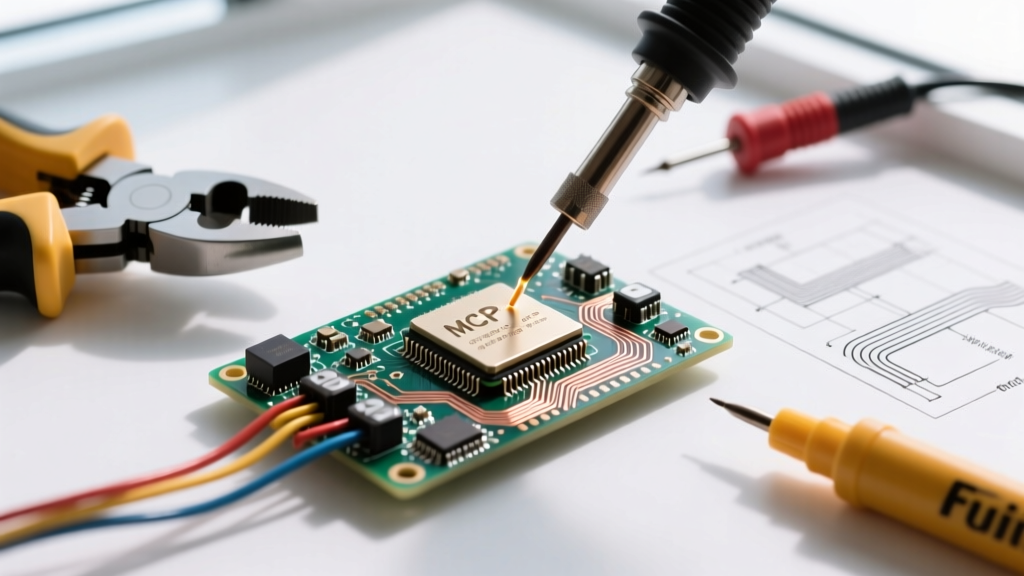
- IPC-7711/7721 (Rework, Modification, and Repair): Mandatory for technicians who fix damaged boards. It covers pad lifting repair, trace jumper installation, and BGA removal.
Pro Tip for Aerospace Applicants: If you are targeting defense contractors like Lockheed Martin or Raytheon, IPC Class 3 is merely the baseline. You will also need to familiarize yourself with the NASA Workmanship Standards, specifically NASA-STD-8739.3 for soldered electrical connections, which enforces even stricter wire wrap and terminal requirements than standard IPC Class 3.
Building Your Professional Soldering Arsenal
A professional solderer's bench is a highly calibrated environment. The days of using a $40 unregulated iron for professional rework are over. Thermal recovery, tip longevity, and ESD safety are non-negotiable.
Soldering Stations: JBC vs. Weller vs. Hakko
When outfitting a professional lab, three brands dominate the high-end market. Here is how they compare for daily professional use:
- JBC CD-2BQF (approx. $650 - $750): The undisputed king of micro-soldering and rapid thermal recovery. JBC's proprietary cartridge system integrates the heating element directly into the tip. This allows the station to detect a temperature drop and deliver 130W of power to the joint in milliseconds. Essential for dragging QFP chips and working with heavy ground planes.
- Weller WX2021 (approx. $1,150 - $1,300): A dual-channel powerhouse. With 200W of total power, it can simultaneously run a micro-pencil for 0201 components and a high-mass chisel for heavy through-hole connectors. Weller's RT (Rapid Heating Technology) tips are highly durable and offer excellent ESD grounding.
- Hakko FX-951 (approx. $350 - $400): The reliable workhorse. While it lacks the instantaneous thermal feedback of JBC, its T18 tips are incredibly cheap, and the station is virtually indestructible. Ideal for high-volume, standard SMD assembly lines.
Optics and Magnification
Working on 0.4mm pitch BGAs or 01005 resistors requires professional optics. Standard magnifying lamps are insufficient.
- Entry-Level Pro: AmScope SM-4TP-BN Trinocular Stereo Microscope ($450). Offers 7x-45x zoom and a trinocular port for adding a digital camera for rework documentation and client reporting.
- High-End Ergonomic: Vision Engineering Lynx EVO ($4,500+). Uses a patented optical head that eliminates the need to press your eyes against eyepieces, allowing for glasses wearers and reducing severe neck fatigue during 8-hour shifts.
Fume Extraction and Safety Compliance
Rosin and synthetic flux fumes contain colophony, a known respiratory sensitizer that can cause occupational asthma. Ambient room fans are illegal in most commercial settings. You must use source-capture extraction.
- Benchtop: Hakko FA-430 ($280). Great for light, intermittent lead-free soldering. Uses a replaceable HEPA and carbon filter.
- Industrial Source Capture: BOFA AD Oracle 350 ($1,800+). Features a deep-pleat HEPA filter and massive activated carbon stage. It includes an acoustic/visual alarm that triggers when the filter is saturated, ensuring strict OSHA and workplace safety compliance.
Common Failure Modes in High-Reliability Rework
Understanding why a solder joint fails separates the technicians from the masters. Here are three critical failure modes you will encounter and how to prevent them:
- Tombstoning (Drawbridging): Common in passive SMD components. This occurs when one pad heats faster than the other, causing the flux on the hotter side to activate first and pull the component upright via surface tension. Fix: Ensure your iron tip contacts both pads simultaneously, or adjust your reflow oven profile to extend the pre-heat soak time, allowing the entire board to reach thermal equilibrium before the solder liquidus phase.
- BGA Voiding: X-ray inspection often reveals gas pockets trapped under BGA spheres, caused by outgassing from no-clean flux residues. If voiding exceeds 25% of the sphere area (per IPC-A-610 Class 3), the joint is rejected. Fix: Switch to a low-residue, low-spatter flux chemistry, or implement a stepped reflow profile that allows volatiles to escape before the solder collapses.
- Copper Pad Lifting (Measles): Applying a 380°C iron to a delicate FR4 pad for more than 3-4 seconds will degrade the epoxy bond, lifting the trace off the substrate. Fix: Use lower temperatures (320°C-340°C) with high-thermal-mass tips, and always use high-quality tack flux to accelerate wetting and reduce required dwell time.
Frequently Asked Questions
Is lead-free soldering harder than leaded?
Yes. Lead-free alloys like SAC305 (Tin/Silver/Copper) have a higher melting point (217°C vs 183°C for Sn63/Pb37) and exhibit poor wetting characteristics. It requires higher iron temperatures (typically 340°C-360°C), aggressive flux activation, and results in dull, grainy-looking joints that beginners often mistake for cold joints.
How much does it cost to start a professional micro-soldering repair business?
A fully equipped, professional-grade micro-soldering bench—including a JBC station, AmScope trinocular microscope, BOFA fume extractor, hot air rework station (like the Quick 861DW), and precision hand tools—will cost between $4,500 and $7,000. This excludes the cost of IPC certification and initial inventory of solder pastes, fluxes, and stencils.
Do I need to know how to read schematics?
Absolutely. While basic assembly techs may only need a bill of materials (BOM) and assembly drawings, rework and repair professionals must read complex schematics and PCB layout files (using tools like Altium or BoardView) to trace continuity, identify ground planes, and locate test points for multimeter diagnostics.