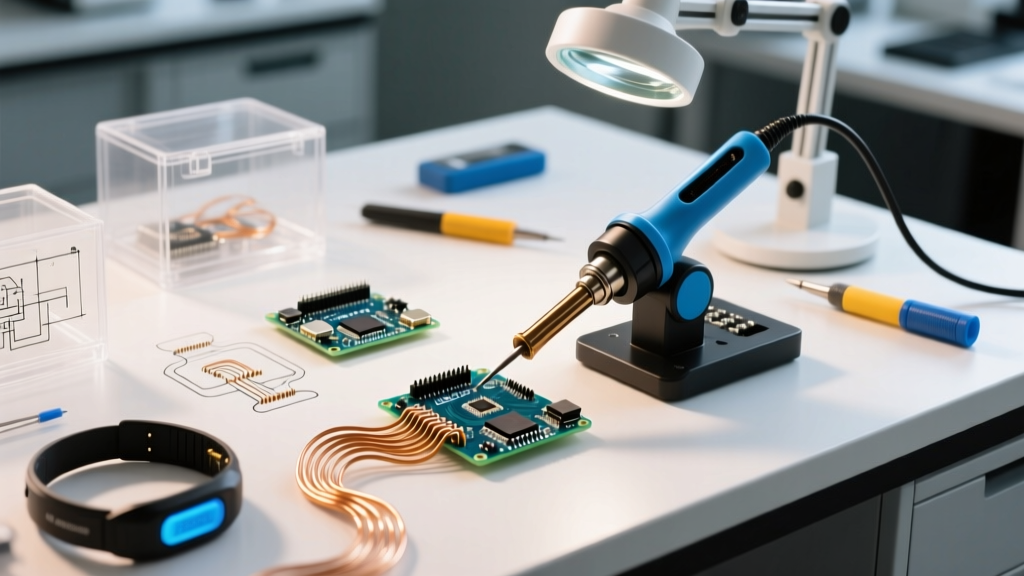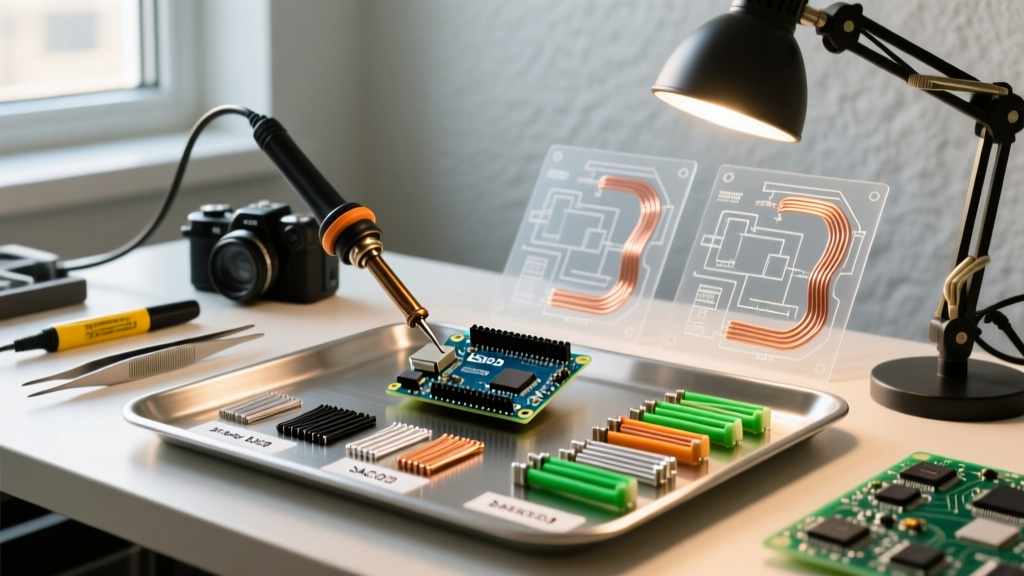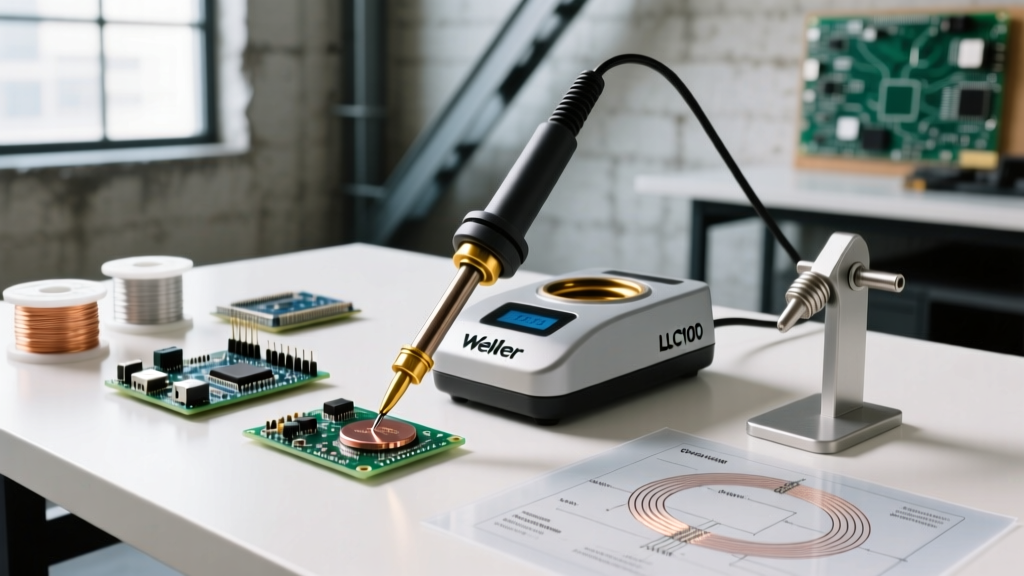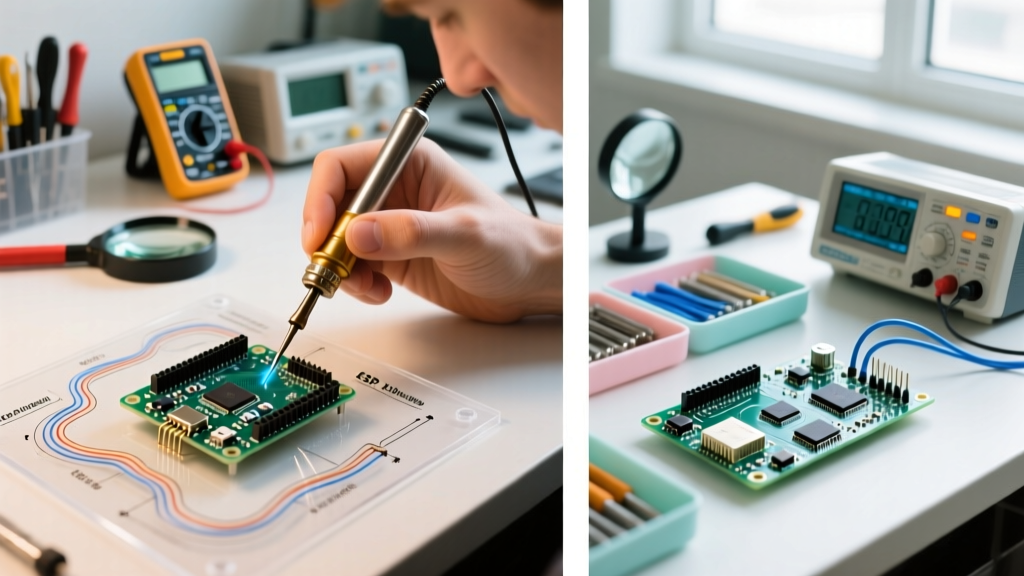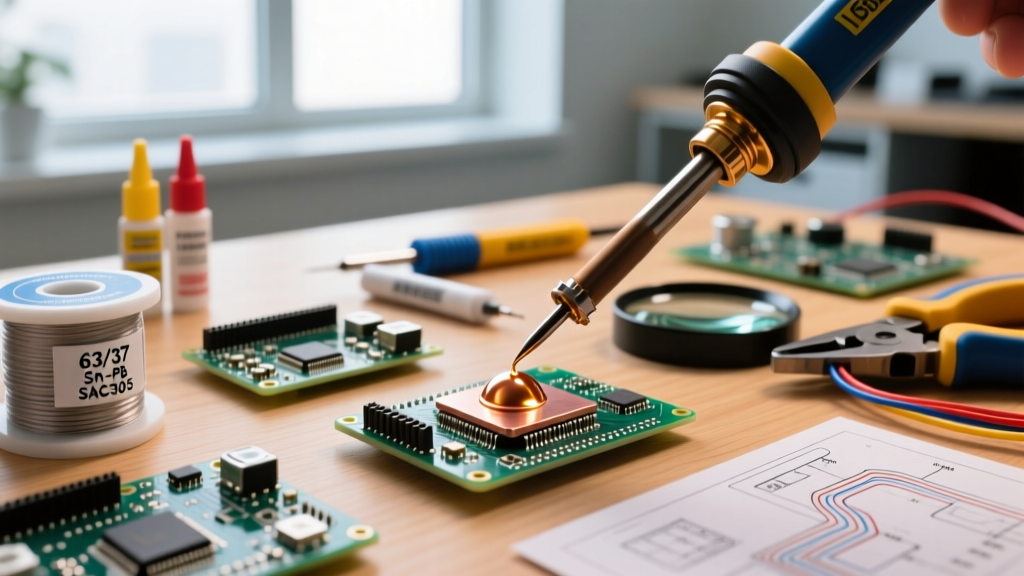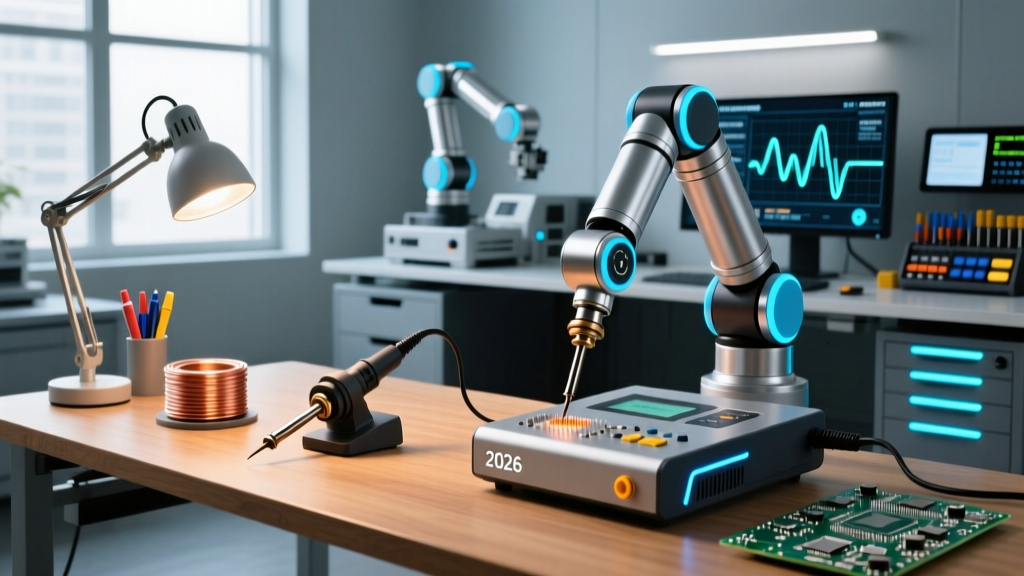

The Evolution of PCB Assembly: What is a Soldering Computer?
When electronics engineers and production managers search for a soldering computer, they are rarely looking for a literal desktop PC with a soldering iron attached. Instead, in the context of modern 2026 PCB assembly, this term refers to two distinct, highly advanced paradigms: microprocessor-driven smart soldering stations (often called computer-controlled stations) and desktop CNC/selective soldering robots. As surface-mount components shrink to 0201 and 01005 metric sizes, and as lead-free alloys like SAC305 demand rigorous thermal profiling, the gap between traditional analog soldering and computer-controlled methods has become a critical factor in manufacturing yield and reliability.
This guide provides a deep-dive method comparison between traditional analog/digital soldering stations, advanced computer-controlled smart stations (like the JBC and Weller ecosystems), and automated desktop soldering robots. We will analyze thermal dynamics, IPC traceability requirements, failure modes, and the real-world ROI for both prototyping labs and small-batch production floors.
Traditional Soldering Stations vs. Smart Computer-Controlled Systems
Traditional soldering stations, such as the classic Hakko FX-888D or older Weller WES51 models, rely on basic PID (Proportional-Integral-Derivative) controllers or simple analog thermostats. When the tip touches a cold PCB pad, the temperature drops, and the controller reacts by pumping full power into the heating element. This reactive approach inevitably leads to thermal overshoot, localized stress on the FR-4 substrate, and accelerated tip oxidation.
Active Tip Sensing and Thermal Recovery
A true soldering computer setup—such as the Weller WXsmart or the JBC CD-2BQF advanced station—flips this paradigm. Instead of a reactive heater, these systems use active, microprocessor-driven cartridge tips where the heating element and thermocouple are integrated directly at the very front of the tip geometry.
- Traditional Station Recovery: When touching a heavy 4oz copper ground plane, a standard 65W station takes 8 to 12 seconds to recover from a 40°C temperature drop, often resulting in a cold, dull solder joint.
- Smart Station Recovery: A computer-controlled JBC station detects the thermal mass the millisecond the tip makes contact, dumping up to 130W of instantaneous power into the cartridge. Recovery to the 350°C setpoint occurs in under 1.5 seconds, ensuring the solder paste or wire reaches its liquidus phase (217°C for SAC305) before flux activation burns out.
Data Logging and IPC Traceability
In 2026, manufacturing aerospace, medical, or automotive electronics requires strict adherence to IPC J-STD-001 and IPC-A-610 Class 3 standards. A major advantage of a computer-controlled soldering system is automated data logging. Smart stations can be networked via Ethernet or USB to log the exact temperature curve, time-on-pad, and operator ID for every single joint. If a field failure occurs, engineers can pull the exact thermal history of the specific PCB serial number. Traditional analog stations offer zero traceability, making them unsuitable for certified high-reliability workflows.
Desktop CNC Soldering Robots: The Ultimate Automated Method
For small-to-medium batch production (50 to 5,000 boards per run), the term soldering computer often extends to desktop selective soldering robots or modified CNC soldering rigs. Systems like the Janome JR3000 series or specialized desktop selective soldering machines integrate a computer-driven gantry with an automated solder wire feeder and a high-precision thermal iron.
When to Automate: Batch Sizes and ROI
While a $700 smart station is perfect for complex, low-volume rework, a desktop soldering robot (ranging from $4,500 to $15,000) excels in repetitive, high-volume through-hole or large SMD pad soldering. The computer maps the X-Y-Z coordinates of the PCB, applies a precise amount of flux (if integrated), lowers the iron, feeds exactly 2.4mm of 0.8mm diameter solder wire, and retracts—all in under 1.8 seconds per joint. This eliminates human variance, ensuring every via and pad receives the exact same thermal profile and solder volume.
Expert Insight: The primary failure mode in manual batch soldering is 'operator fatigue drift.' After 400 joints, an operator's dwell time unconsciously decreases, leading to marginal wetting and micro-cracking in the fillet. A computer-controlled robotic system guarantees the 400th joint is thermally identical to the first.
Method Comparison Matrix: 2026 Market Landscape
The following table breaks down the technical and financial differences between the three primary soldering methodologies available to labs and production floors today.
| Feature | Traditional Analog/Digital Station | Smart Computer-Controlled Station | Desktop CNC Soldering Robot |
|---|---|---|---|
| Typical Models | Hakko FX-888D, Weller WES51 | JBC CD-2BQF, Weller WXsmart | Janome JR3000, Fisnar, PACE |
| Price Range (2026) | $120 - $250 | $600 - $1,400 | $4,500 - $18,000+ |
| Thermal Recovery | Slow (8-12s on heavy copper) | Instantaneous (1-2s via active sensing) | Programmed pre-heat & dwell optimization |
| Traceability / Logging | None | Full (Networked server/USB logs) | Full (G-code execution logs + vision systems) |
| Best Use Case | Hobbyist, basic repairs, non-critical DIY | R&D, complex rework, IPC Class 3 assembly | Repetitive batch production, high pin-count connectors |
| Tip Degradation Rate | High (Dry burning at idle temps) | Low (Auto-sleep drops to 180°C) | Very Low (Controlled dwell, no dry burning) |
Real-World Failure Modes: Where Manual Methods Fail
To truly understand the value of a soldering computer setup, we must look at the specific metallurgical failure modes that plague manual and traditional soldering methods in modern PCB design.
1. Thermal Mass Mismatch on Multi-Layer Boards
Modern 2026 motherboard designs frequently utilize 6 to 12 layers with internal copper pours acting as massive heat sinks. When a technician uses a traditional station to solder a power connector pin tied to an internal ground plane, the heat is rapidly wicked away. The operator compensates by holding the iron longer, which boils the flux and oxidizes the pad. Smart stations detect this heat sink effect instantly and modulate power to maintain the tip at exactly 360°C, preventing pad delamination and ensuring proper intermetallic compound (IMC) formation.
2. Tombstoning and Solder Balling in SMD Rework
When manually reworking 0402 or 0201 components, uneven heating from a traditional chisel tip causes one pad to reach reflow temperature before the other. The surface tension of the molten solder pulls the component upright—a defect known as tombstoning. Computer-controlled stations with specialized micro-tips (like the JBC C245 series) offer localized, symmetrical heat transfer, while automated CNC systems utilize synchronized dual-nozzle hot-air and iron routines to reflow both pads simultaneously.
3. Electrostatic Discharge (ESD) and Grounding Leaks
Highly sensitive RF and microwave components can be destroyed by micro-voltage spikes from poorly regulated analog heating elements. Advanced computer-controlled stations feature isolated, grounded tip designs with leakage voltages strictly maintained below 2mV, a specification rigorously verified by NASA's Electronic Parts and Packaging (NEPP) program and modern ESD safety standards.
Cost Analysis and ROI for 2026 Workflows
Upgrading from a traditional setup to a smart soldering computer ecosystem requires capital, but the ROI is often realized within months through reduced scrap rates and consumable savings.
- Consumable Savings: Traditional tips left idling at 380°C oxidize rapidly, requiring replacement every few weeks in a busy lab. Smart stations utilize RFID-equipped cartridges that automatically drop to a 180°C sleep mode when placed in the cradle, extending tip life by up to 300%. At $45 per cartridge, this saves hundreds of dollars annually per workstation.
- Rework Cost Reduction: In high-density interconnect (HDI) boards, a single lifted pad due to thermal overshoot can scrap a $500+ PCB. The precision thermal control of a Weller WXsmart or JBC system virtually eliminates operator-induced thermal damage.
- Automation Yield: For production runs, a $10,000 desktop soldering robot that replaces one manual soldering operator will typically achieve ROI in 8 to 11 months, while simultaneously increasing throughput by 40% and dropping defect rates to near-zero.
Expert Verdict: Which Method Should You Choose?
The decision between a traditional station, a smart computer-controlled station, and a desktop CNC soldering robot depends entirely on your production volume, component density, and compliance requirements.
Choose a Traditional Station if: You are a hobbyist, a student, or a repair technician working exclusively on non-critical, single-layer, or low-thermal-mass consumer electronics where IPC traceability is not required.
Choose a Smart Computer-Controlled Station if: You operate an R&D lab, a contract manufacturing (CM) prototyping line, or an aerospace/medical repair facility. The microprocessor-driven thermal recovery and data logging capabilities are non-negotiable for modern lead-free alloys and Class 3 compliance.
Choose a Desktop CNC Soldering Robot if: You are manufacturing batches of 50+ identical boards featuring high pin-count through-hole connectors, heavy power lugs, or repetitive SMD ground pads. The upfront investment of the soldering computer automation pays for itself by eliminating human variance and drastically increasing hourly yield.
As PCB architectures continue to push the boundaries of thermal density and miniaturization in 2026, relying on reactive, analog heating methods is no longer a viable strategy for professional electronics manufacturing. Investing in a true soldering computer ecosystem is an investment in yield, reliability, and verifiable quality.