
Bridging Electronics and Jewelry: The Soft-Solder Crossover
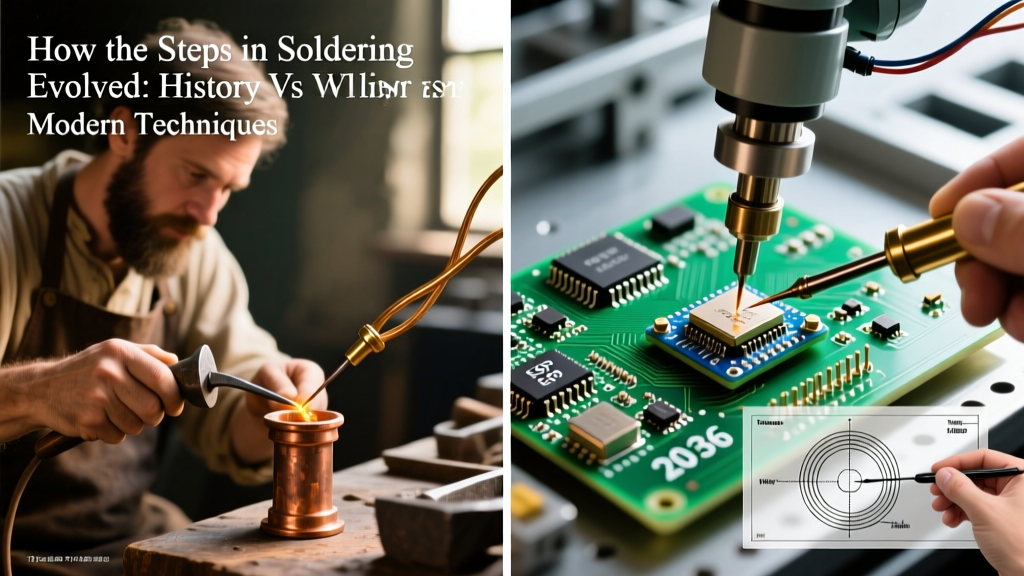
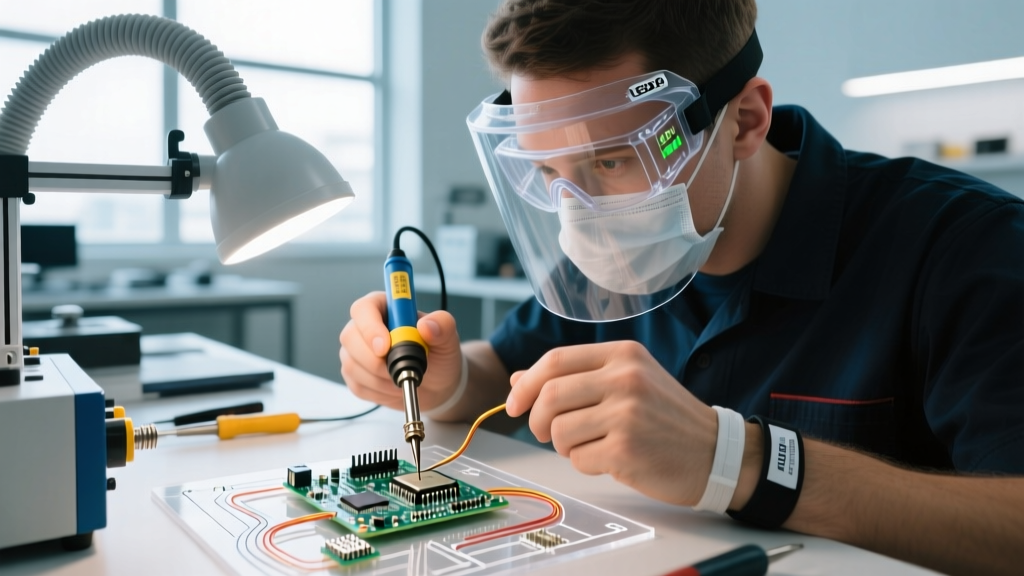
While traditional jewelers rely on hard-soldering (silver and gold alloys requiring torch temperatures above 600°C), the modern maker movement has popularized soft-soldered jewelry ideas using standard electronics soldering gear. By leveraging tin-based alloys, electronics hobbyists can create intricate costume jewelry, upcycled tech-wear, and wire-wrapped pendants without investing in expensive oxy-acetylene setups. However, adapting a 70W electronics soldering iron for jewelry introduces unique thermal mass challenges, flux chemistry hurdles, and skin-safety considerations that standard PCB work does not.
This guide explores high-success soldered jewelry ideas, compares the best tools for the job, and provides a deep-dive troubleshooting FAQ to fix the most common failure modes: cold joints, non-wetting, and pitting.
3 High-Success Soft-Soldered Jewelry Ideas
When using electronics soldering irons (soft soldering), you are limited to metals that bond well with tin-lead or lead-free SAC alloys at temperatures below 250°C. Here are three proven concepts:
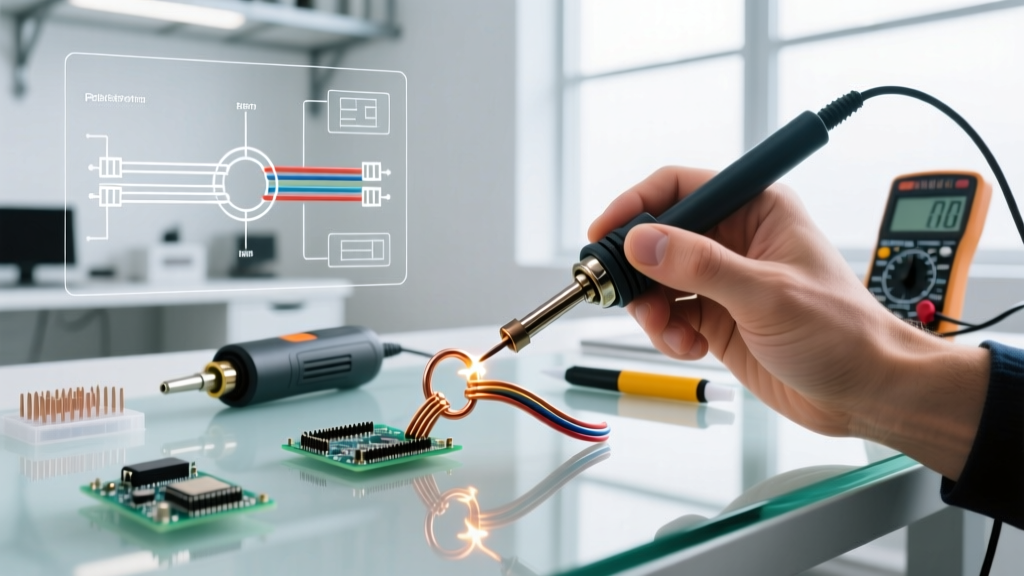
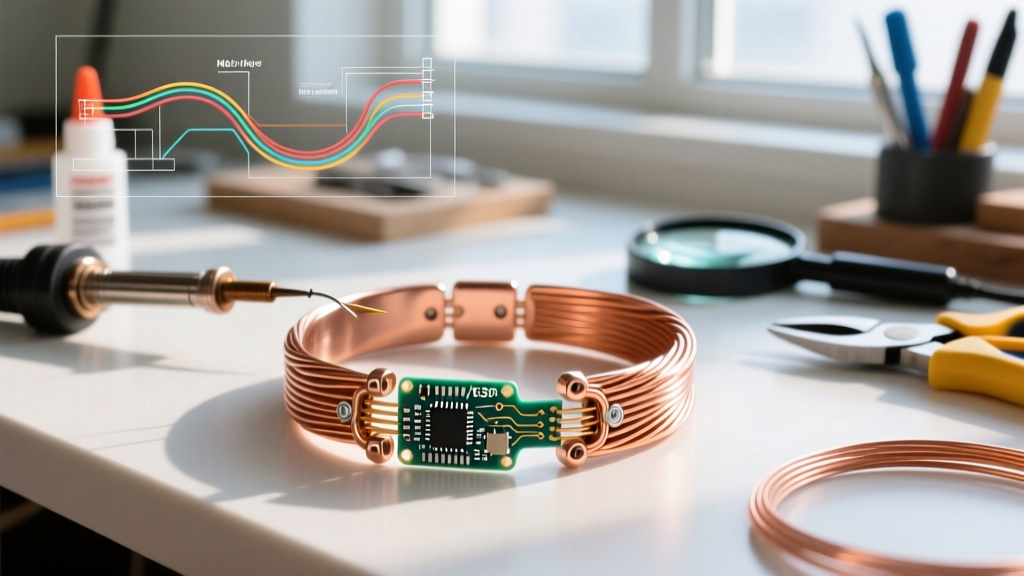
- Upcycled PCB Pendants: Cut geometric shapes from废弃 FR4 prototyping boards using a jeweler's saw. Frame the edges with 20AWG bare copper wire. The copper wire acts as a solderable bezel, allowing you to use 63/37 eutectic solder to create a bright, silver-like border that contrasts with the green or black solder mask.
- Copper Foil Glass Micro-Pendants: Borrowing from stained glass techniques, wrap small sea glass or dichroic glass shards in 7/32-inch copper foil tape. Burnish the tape flat, apply liquid flux, and drag a bead of 60/40 solder along the edges to create a seamless metallic casing.
- Component Cufflinks & Tie-Tacs: Solder brass tie-tac posts to the flat backs of large, aesthetically pleasing electronic components (like vintage ceramic capacitors or DIP chips). Note: This requires high-temperature lead-free solder to prevent the joint from failing against body heat and friction.
Tooling Matrix: Irons vs. Torches for Jewelry
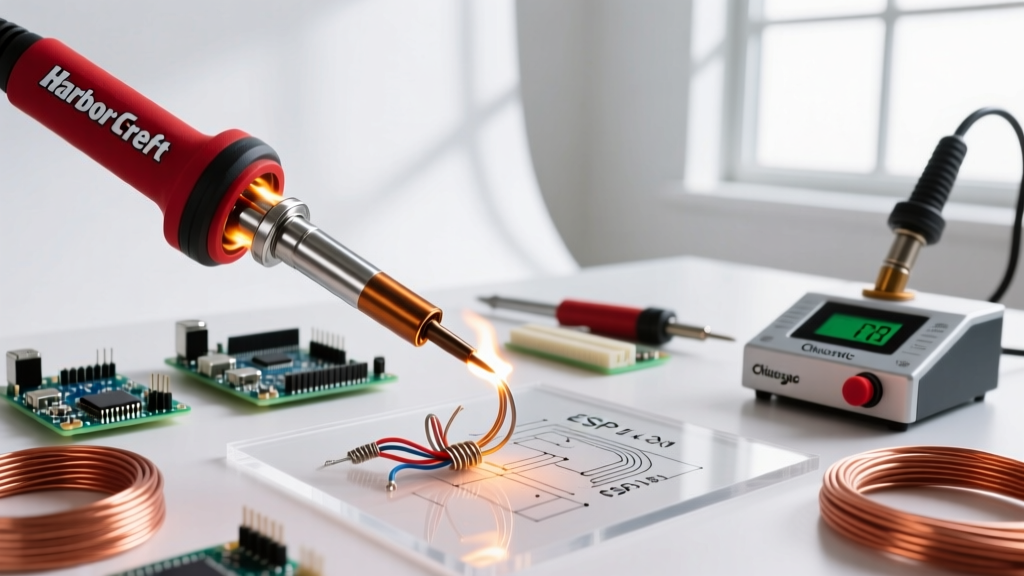
The biggest mistake electronics makers make when attempting jewelry is underestimating thermal mass. A thick copper bezel will suck the heat out of a standard chisel tip, resulting in a cold joint. Below is a buyer's comparison of top tools for soldered jewelry ideas.
| Tool Model | Type | Max Temp / Wattage | Best Jewelry Application | Approx. Price |
|---|---|---|---|---|
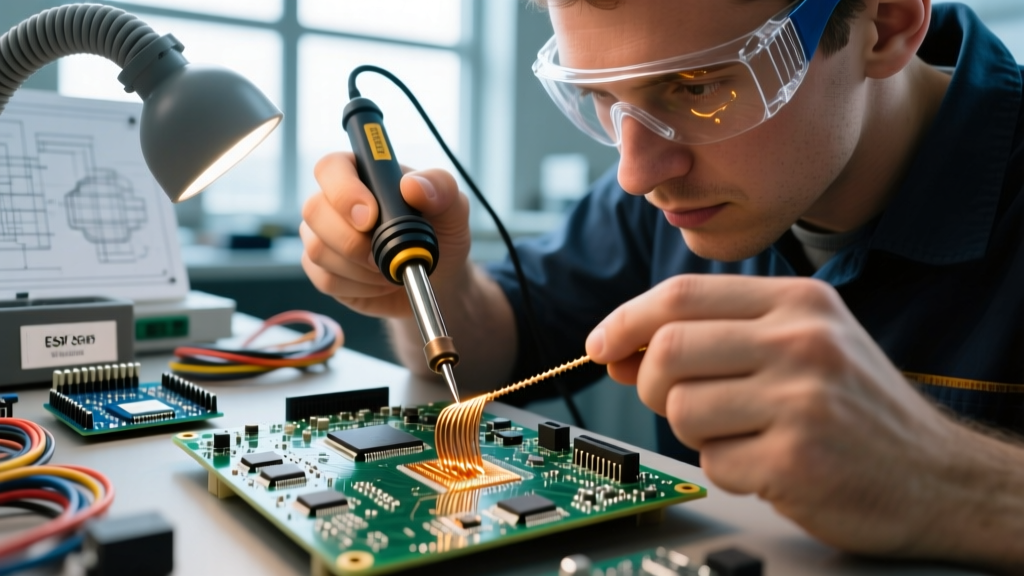
| Weller WE1010NA | Digital Iron | 70W / 450°C | 20-24AWG wire wrapping, PCB pendants | $105 |
| Hakko FX-888D | Digital Iron | 65W / 480°C | Copper foil glass, medium bezels (with T18-C4 tip) | $110 |
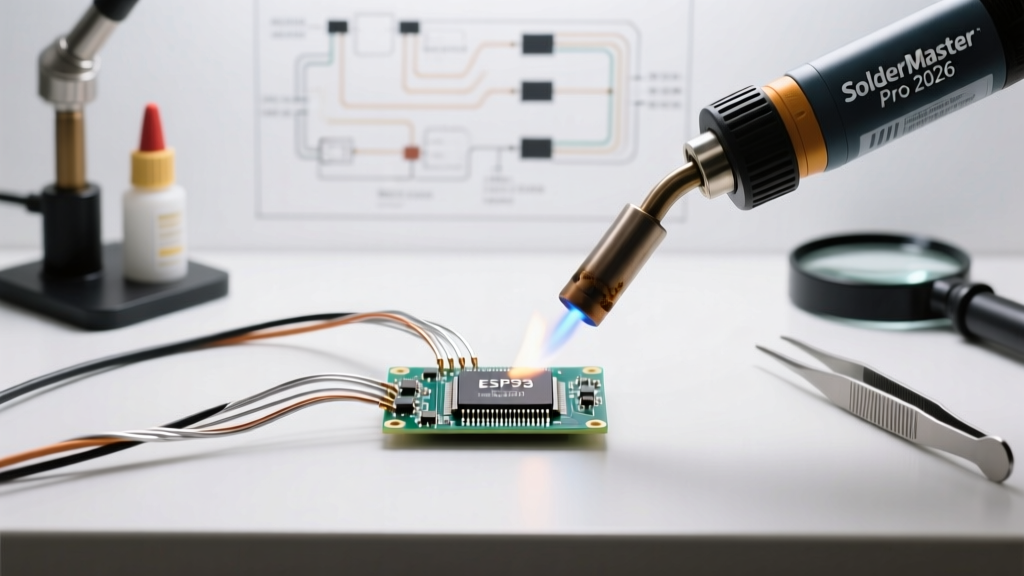
| Blazer Big Shot GT8000 | Butane Micro-Torch | 1,300°C (Flame) | Heavy 16AWG bezels, jump rings, hard-solder prep | $70 |
For pure soft-soldering, the Weller WE1010NA offers superior thermal recovery. However, if your soldered jewelry ideas involve closing thick jump rings or working with 16AWG brass, you must upgrade to a butane micro-torch like the Blazer Big Shot, as irons simply cannot transfer heat fast enough to overcome the mass of heavy jewelry findings.
Troubleshooting Masterclass: Flow & Wetting Issues
The Thermal Mass Bottleneck & Cold Joints
Symptom: The solder joint looks dull, grainy, and crystalline. It may have a "plastic" or lumpy texture and lacks structural integrity.
The Science: A cold joint occurs when the solder is disturbed during its phase transition from liquid to solid. With 60/40 (non-eutectic) solder, there is a "plastic range" between the solidus (183°C) and liquidus (190°C) points. If you move your tweezers while the alloy is in this 7-degree window, the crystalline structure fractures, causing the grainy appearance.
The Fix: Switch to 63/37 eutectic solder. It has a single melting point of exactly 183°C, meaning it transitions instantly from liquid to solid with no plastic phase. Furthermore, use cross-locking tweezers (like Lindstrom RX) to hold the jewelry component so your hands remain entirely still while the joint cools.
Flux Chemistry: Rosin vs. Acid
Jewelry metals like copper, brass, and nickel silver oxidize rapidly when heated. If you are using standard electronics rosin-core solder, the flux may burn off before the thick metal reaches 183°C.
- Kester 186 RMA (Rosin Mildly Activated): The gold standard for copper jewelry. It contains abietic acid which cleans mild oxidation. Apply it generously with an acid brush 2mm beyond the joint perimeter.
- Zinc Chloride / Acid Flux: Often sold for plumbing or stained glass. Never use this for wearable jewelry. Acid fluxes are highly corrosive and impossible to fully neutralize in porous jewelry textures. They will cause the copper to turn green and degrade the wearer's skin.
The Fix for Non-Wetting: If solder balls up and refuses to stick to a copper bezel, the surface is oxidized. Mechanical abrasion is required. Scrub the metal with a Scotch-Brite pad or 400-grit sandpaper until it reflects a uniform pink. Immediately flood the area with Kester 186 flux to prevent re-oxidation, then apply the iron.
Expert Safety Warning on Lead: Standard 60/40 and 63/37 electronics solders contain lead. According to the EPA Lead Safety Guidelines, lead can be absorbed through the skin, especially when mixed with the acidic pH of human sweat. For any jewelry intended for prolonged skin contact, you must use lead-free alloys or seal the soldered joints with a two-part clear jewelry epoxy.
Transitioning to Lead-Free: SAC305 for Wearables
To make skin-safe soldered jewelry ideas, professionals use SAC305 (96.5% Tin, 3% Silver, 0.5% Copper). This alloy is lead-free, highly durable, and resists fatigue cracking. However, it introduces new troubleshooting hurdles:
- Higher Melting Point: SAC305 melts at 217°C–220°C. Your iron must be set to at least 330°C–350°C to maintain a proper thermal delta.
- Tip Degradation: Lead-free solder eats through standard iron tips rapidly. Upgrade to heavy-plated tips like the Hakko T18-D24 or Weller RTW2030 to extend tip life.
- Poor Wetting: SAC alloys have higher surface tension. You must use a dedicated lead-free, water-soluble flux (like MG Chemicals 8341) and ensure the tip is freshly tinned immediately before touching the jewelry piece.
FAQ: Soldered Jewelry Edge Cases
Q: How do I solder a jump ring closed without melting the entire ring?
A: Jump rings have very low thermal mass, but the gap requires high localized heat. Do not use an iron; use a micro-torch. Apply a tiny chip of hard silver solder (or high-temp lead-free paste) to the seam. Use a heat-sink tool, like a copper alligator clip or cross-locking tweezers, on the opposite side of the ring to draw heat away from the rest of the metal. Sweep the torch flame quickly across the seam until the solder flashes and flows. For more on heat management, refer to the Ganoksin Soldering Basics guide.
Q: Why does my solder pit and leave tiny holes after cooling?
A: Pitting is caused by trapped moisture or volatile flux compounds boiling at 200°C+ and escaping through the semi-liquid solder. This is incredibly common when using copper foil tape on glass, as the adhesive on the foil can trap microscopic humidity. The Fix: Pre-heat the entire jewelry piece with a heat gun at 100°C for 60 seconds before applying your soldering iron. This drives off ambient moisture and pre-activates the flux, resulting in a smooth, mirror-finish bead.
Q: Can I use a heat gun instead of an iron for large pendants?
A: No. Standard crafting heat guns max out around 300°C and rely on convective air, which lacks the localized thermal transfer required to melt solder (which acts as a heat sink). You need conductive heat (an iron) or radiant/convection flame (a torch). A SMD rework station with a focused nozzle can work for flat, PCB-based jewelry, but it will fail on 3D wire structures.
Q: How do I clean the ugly brown flux residue off my finished copper jewelry?
A: If you used Kester 186 RMA flux, the residue is hardened rosin. Do not scrape it, as you will scratch the bright solder. Submerge the jewelry in a small ultrasonic cleaner filled with 99% Isopropyl Alcohol (IPA) for 3 to 5 minutes. The high-frequency cavitation will lift the rosin from the microscopic pores of the copper wire, leaving a pristine, shiny finish ready for polishing or patina application.