
The Core Question: Dialing in the Perfect Heat
If you have ever wondered what the oxyacetylene flame for silver soldering should be, the definitive answer from metallurgical experts and master technicians is a strictly neutral flame. Silver soldering—more accurately classified as silver brazing since the process occurs above 840°F (450°C)—demands precise thermal control. Unlike soft soldering with lead or tin, silver alloys require high heat to achieve proper capillary action and metallurgical bonding.
Using the wrong flame chemistry can instantly ruin a joint, introduce porosity, or burn the expensive silver out of your filler metal. In this 2026 expert roundup, we consulted HVAC-R master pipefitters, precision jewelry casters, and American Welding Society (AWS) certified inspectors to break down exactly how to set your regulators, choose your torch tips, and identify the visual cues of a perfect neutral flame.
"When apprentices ask what the oxyacetylene flame for silver soldering should be, I tell them to chase the neutral cone. A carburizing flame introduces carbon and makes the joint brittle, while an oxidizing flame will literally boil the zinc and copper out of your base metals before the silver even flows." — Master HVAC-R Technician & AWS Certified Welding Inspector
The Anatomy of the Oxyacetylene Flame
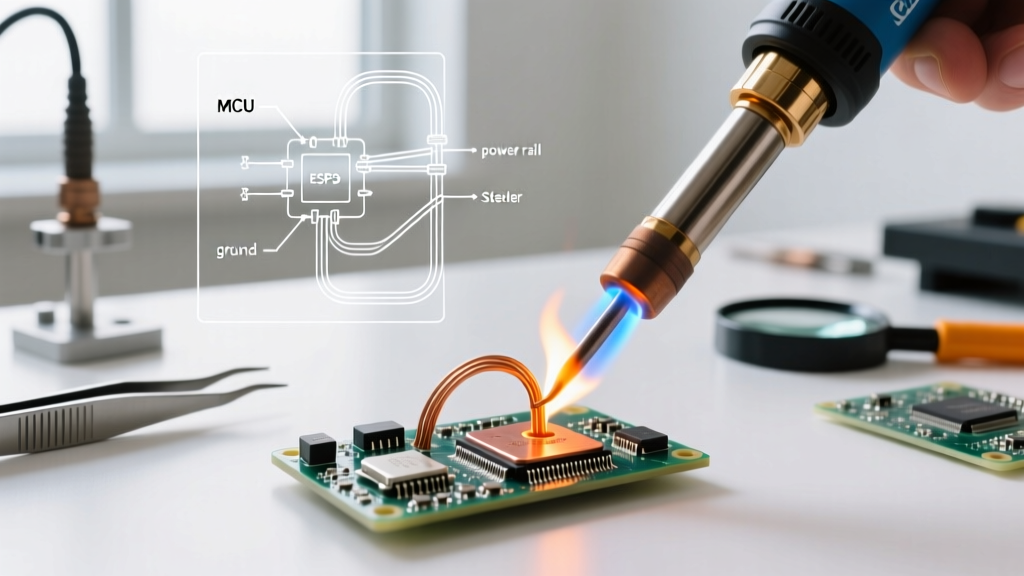
To understand why the neutral flame is the undisputed standard for silver brazing, we must look at the chemical ratios. An oxyacetylene torch mixes pure oxygen (O2) and acetylene (C2H2). The ratio of these gases dictates the flame's temperature, physical shape, and chemical effect on the molten metal pool.
| Flame Type | O2:C2H2 Ratio | Visual & Audio Cues | Effect on Silver Brazing |
|---|---|---|---|
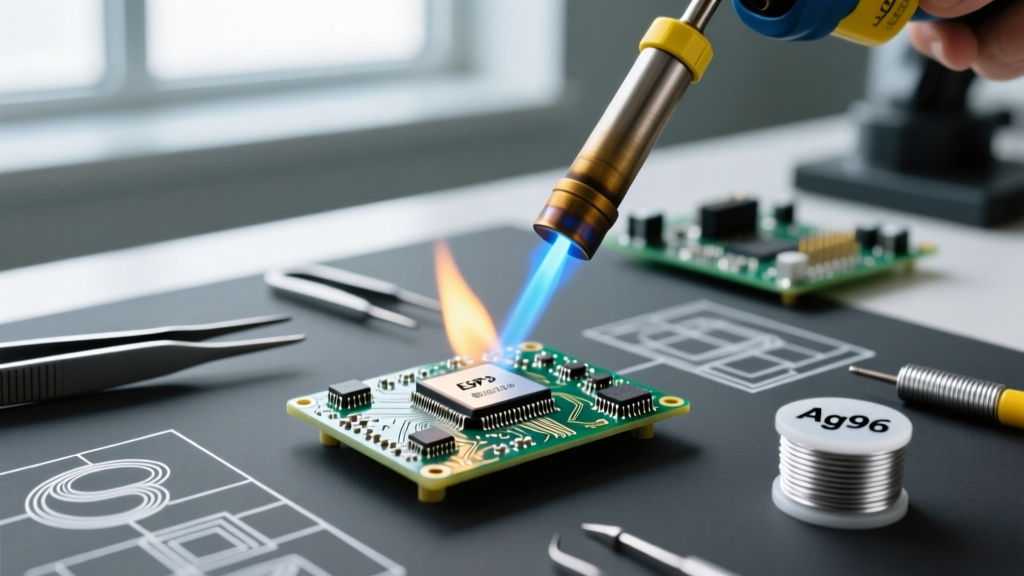
| Neutral | 1:1 (Balanced) | Distinct, rounded inner cone; light blue envelope; smooth hiss. | Optimal. Maximum heat transfer, no chemical alteration, smooth alloy flow. |
| Carburizing | <1:1 (Excess Acetylene) | Feathery green intermediate cone; sooty; sputtering sound. | Destructive. Carbon inclusion, porous joint, poor wetting, soot buildup. |
| Oxidizing | >1:1 (Excess Oxygen) | Short, sharp, pointed inner cone; harsh hissing/roaring sound. | Destructive. Burns off alloying elements, oxidizes silver, creates brittle slag. |
Expert Roundup: Regulator Pressures and Tip Selection
Setting a neutral flame is not just about turning valves until it 'looks right.' It requires setting your regulators to specific pressures based on your torch tip size and the thermal mass of your workpiece. We gathered data from two distinct industries that rely heavily on silver brazing.
1. Heavy-Duty HVAC & Plumbing (Copper-to-Copper / Brass)
In commercial refrigeration and high-pressure plumbing, technicians typically use BCuP-5 alloys (such as Lucas-Milhaupt Sil-Fos 5, which contains 15% silver). These alloys flow around 1,300°F (704°C) and are self-fluxing on pure copper.
- Recommended Torch Setup: Smith AW-1A or Harris 15-3 handle with a #3 or #4 welding tip.
- Acetylene Pressure: 6 to 7 PSI.
- Oxygen Pressure: 18 to 22 PSI.
- Expert Insight: "For 1-inch copper refrigeration lines, you need a soft, bushy neutral flame. If your oxygen pressure is too high, you'll blow the molten Sil-Fos right out of the joint capillary," notes a senior commercial pipefitter. According to technical manuals from the Harris Products Group, maintaining a slight distance between the inner cone and the workpiece (about 1/8 inch) prevents localized overheating.
2. Precision Jewelry & Electronics (Sterling Silver / Gold)
Jewelers and micro-electronics fabricators use higher-silver, cadmium-free alloys like BAg-24 (50% Silver) to comply with strict 2026 REACH and RoHS environmental standards. These alloys require higher temperatures, roughly 1,425°F (774°C), and demand absolute flame precision to avoid melting delicate findings.
- Recommended Torch Setup: Smith Little Torch or Gentec with a #5 or #6 micro-tip.
- Acetylene Pressure: 2 to 3 PSI.
- Oxygen Pressure: 8 to 10 PSI.
- Expert Insight: "With modern cadmium-free silver solders, the flow point is slightly higher and less forgiving. An oxidizing flame will instantly pit the surface of sterling silver. I adjust my oxygen valve by fractions of a turn until the inner cone is perfectly rounded and quiet," explains a master bench jeweler. For deep technical alloy data, resources from Lucas-Milhaupt emphasize that cadmium-free alloys require meticulous flux application (like Handy Flux) to compensate for the lack of cadmium's natural flow-enhancing properties.
Step-by-Step: Lighting and Adjusting to a Perfect Neutral Flame
Follow this exact sequence to achieve the ideal flame for silver soldering every time you fire up your torch:
- Crack the Valves: Open the acetylene tank valve a quarter-turn (never more than 1.5 turns for emergency shutoff). Open the oxygen tank valve fully to seat the regulator diaphragm.
- Set Base Pressures: With the torch valves closed, adjust your acetylene regulator to 5 PSI and your oxygen regulator to 15 PSI (adjust up slightly for larger tip sizes).
- Purge the Lines: Open the torch oxygen valve for 3 seconds, then close it. Open the torch acetylene valve for 3 seconds, then close it. This clears ambient air from the hoses.
- Ignite Acetylene: Open the torch acetylene valve about a quarter-turn and ignite with a spark striker. Never use a standard lighter.
- Adjust to Soot-Free: Increase the acetylene flow until the yellow, sooty flame stops producing black smoke. You should see a distinct, ragged orange-yellow flame.
- Introduce Oxygen: Slowly open the torch oxygen valve. The flame will shrink, turn blue, and develop a bright inner cone.
- Find the Neutral Point: Continue adding oxygen until the feathery green edge of the inner cone just disappears, leaving a sharp, rounded, bright blue inner cone. If it gets too short and hisses harshly, back off the oxygen slightly. You are now at a perfect 1:1 neutral ratio.
Common Failure Modes & Troubleshooting
Even with the correct flame, silver soldering can fail if edge cases are ignored. Here is how to troubleshoot based on flame interaction:
- The Filler Metal 'Balls Up' and Refuses to Flow: This is almost always caused by an oxidizing flame or insufficient flux. The excess oxygen is creating a refractory oxide layer on the base metal that the silver cannot penetrate. Back off the oxygen and apply fresh flux.
- Sooty Black Deposits on the Joint: You are using a carburizing flame, or you are holding the inner cone too close to the metal, causing incomplete combustion. Pull the torch back 1/4 inch and add a touch more oxygen.
- The Flux Boils Off Before the Silver Melts: Your flame is too small for the thermal mass of the workpiece. The heat is dissipating faster than you are applying it. Switch to a larger tip (e.g., from a #2 to a #4) rather than turning up the gas pressure, which will just create a harsh, turbulent flame.
- Pitting and Porosity in the Cooled Joint: Often a result of overheating the silver alloy with a high-velocity neutral flame. Silver alloys can vaporize or separate if held at flow temperature for too long. Heat the base metal, not the filler rod directly, and let capillary action draw the molten silver into the joint.
Frequently Asked Questions
Can I use an oxy-propane torch for silver soldering instead of oxyacetylene?
Yes, but the flame chemistry changes. Propane burns slower and requires a different air-to-fuel ratio. While oxy-propane is excellent for heating large thermal masses (like thick brass valves), it lacks the concentrated, pinpoint heat of oxyacetylene. For precision silver soldering on thin copper or jewelry, oxyacetylene remains the superior choice due to its higher flame temperature (approx. 5,600°F vs 4,600°F for propane) and tighter inner cone.
Why does my silver solder joint look dull and gray instead of shiny?
A dull, gray joint usually indicates that the flux was exhausted before the silver reached its flow point, allowing atmospheric oxygen to react with the copper or zinc in the alloy. It can also happen if you quench the joint in water too quickly, causing thermal shock and micro-fractures. Always let the joint cool to a dull black heat before quenching in water or pickling solution.
Is it safe to use acetylene at high pressures for larger silver brazing jobs?
No. Acetylene becomes highly unstable and can spontaneously decompose or explode if drawn from the cylinder at pressures exceeding 15 PSI. For heavy-duty silver brazing requiring massive heat, professionals use larger multi-flame rosebud tips or switch to alternative fuel gases like propylene or natural gas paired with oxygen, rather than over-pressurizing acetylene.