
The Core Misconception: Fumes vs. Heavy Metal Toxicity
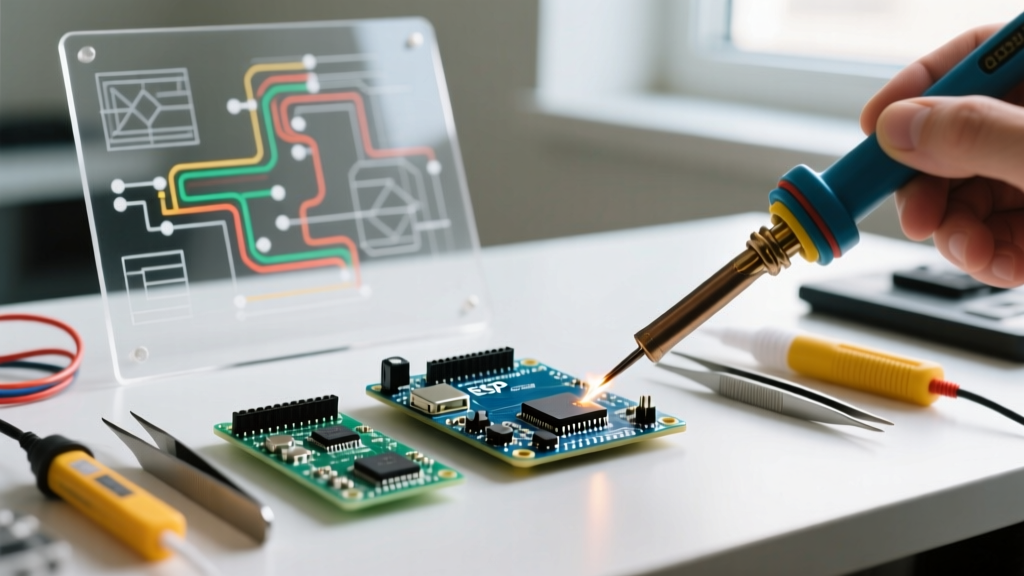
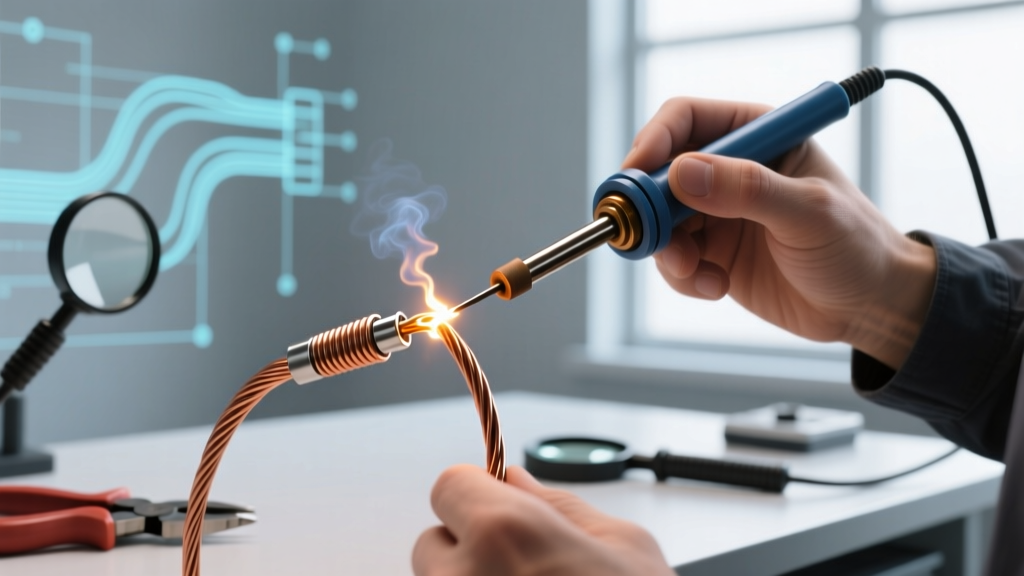
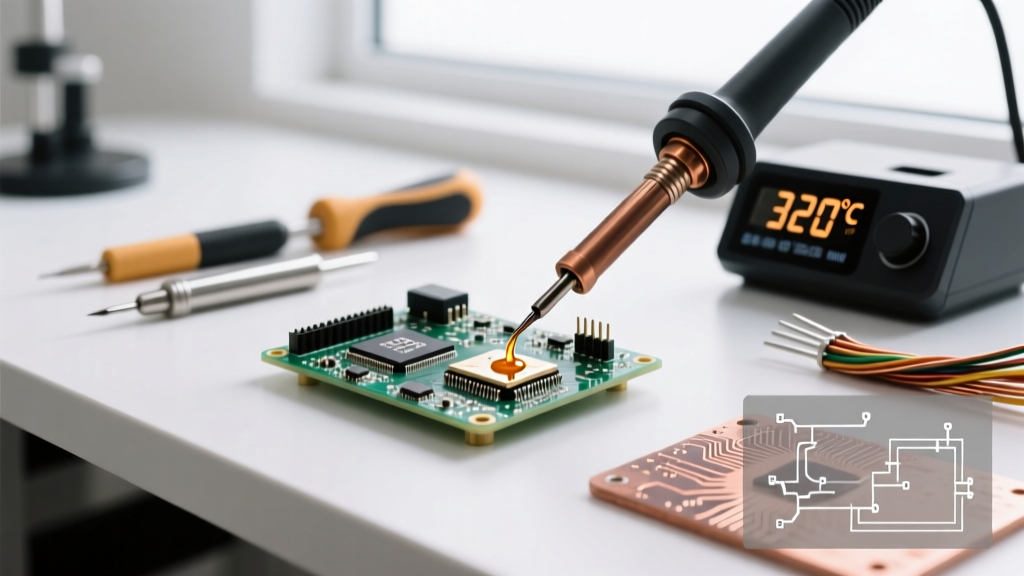
When makers, technicians, and engineers research lead poisoning soldering, they frequently conflate heavy metal toxicity with respiratory irritation. To establish a baseline for 2026 workbench safety, we must separate the behavior of the metal alloy from the behavior of the chemical flux core. Standard eutectic solder (Sn63Pb37) melts at 183°C (361°F). At this temperature, the lead and tin metals do not vaporize. Lead boils at 1,749°C (3,180°F)—nearly ten times hotter than your soldering iron's tip. Therefore, the visible smoke rising from your PCB joint is not lead vapor; it is vaporized flux.
However, this does not mean the risk of systemic lead exposure is zero. The danger of lead poisoning soldering scenarios arises primarily from ingestion via cross-contamination and the inhalation of microscopic lead dust particles generated during post-soldering mechanical cleaning or wire stripping. Furthermore, the flux fumes themselves present a severe, yet entirely different, occupational hazard.
Exposure Pathways: How Soldering Materials Enter the Body
Understanding the exact vector of exposure is the first step in troubleshooting your safety setup. The table below breaks down the actual risk levels associated with standard bench soldering.
| Exposure Pathway | Source Material | Risk Level | Primary Mitigation Strategy |
|---|---|---|---|
| Dermal Absorption | Sn63Pb37 Solder Wire | Negligible | Intact skin blocks inorganic lead. |
| Ingestion (Hand-to-Mouth) | Lead dust on fingers | High | D-Lead soap, strict no-food zones. |
| Inhalation (Fumes) | Rosin (Colophony) Flux | High | Source-capture HEPA/Carbon extraction. |
| Inhalation (Dust) | Sanding/Scraping old joints | Moderate | Wet-wiping, avoiding dry abrasion. |
Frequently Asked Questions About Lead Exposure
Can lead be absorbed through the skin while holding solder wire?
No. Inorganic lead particles found in standard electronics solder wire are too large and lack the chemical carriers required to penetrate the stratum corneum (the outermost layer of human skin). According to the National Institute for Occupational Safety and Health (NIOSH), inorganic lead does not absorb through intact skin. The actual danger occurs when microscopic lead residue transfers from your fingers to your mouth via eating, drinking, smoking, or biting your nails. If you handle Sn60Pb40 or Sn63Pb37 wire and then eat a sandwich without washing your hands, you are actively ingesting heavy metals.
Is lead-free solder (SAC305) actually safer for my lungs?
Paradoxically, no. While lead-free alloys like SAC305 (Sn96.5/Ag3.0/Cu0.5) eliminate heavy metal toxicity, they introduce new respiratory challenges. SAC305 melts at a higher 217°C (423°F). To achieve proper wetting at these elevated temperatures, manufacturers must use more aggressive, highly active flux cores. When vaporized, these no-clean or water-soluble fluxes release a higher volume of volatile organic compounds (VOCs) and particulate matter. If your primary concern is respiratory health, switching to lead-free solder without upgrading your fume extraction is a net negative for your lungs.
What is the actual danger of rosin (colophony) flux fumes?
Rosin-based flux is a known respiratory sensitizer. Repeated inhalation of colophony fumes can lead to occupational asthma, chronic bronchitis, and severe allergic reactions. The Occupational Safety and Health Administration (OSHA) and international equivalents strictly regulate the permissible exposure limits (PEL) for rosin core solder fume. If you experience a tight chest, wheezing, or a persistent dry cough after a long soldering session, you are likely suffering from flux sensitization, not lead poisoning.
How often should I test my Blood Lead Level (BLL)?
For hobbyists soldering a few hours a week in a ventilated space, routine blood testing is rarely necessary. However, if you are a professional technician working daily with high-volume through-hole components, or if you frequently desolder vintage electronics (which may contain high-lead alloys like Sn10Pb90), you should request an annual Blood Lead Level (BLL) test from your physician. As of recent medical consensus, the reference level for elevated lead in adults is 5 µg/dL. Any reading above this warrants an immediate audit of your workspace hygiene.
Troubleshooting Workspace Hazards: A 2026 Compliance Checklist
To eliminate both heavy metal ingestion and flux inhalation, your workbench must be configured with specific, targeted countermeasures. Vague advice like 'wash your hands' or 'open a window' is insufficient for modern electronics manufacturing.
1. Upgrade Your Source-Capture Extraction
Ambient air purifiers do not work for soldering; the fumes must be captured before they enter your breathing zone (a 12-inch radius around your face).
- Hobbyist Tier (Under $100): The Hakko FA-400 (~$65) utilizes a HEPA and activated carbon composite filter. It pulls roughly 130 CFM. It is adequate for occasional 0805 SMD work but struggles with heavy continuous through-hole soldering.
- Professional Tier ($200 - $500): The Hakko FA-430 (~$220) features a dedicated blower motor and replaceable carbon/HEPA cartridges, offering superior static pressure to pull dense rosin clouds away from the iron tip.
- Industrial Tier ($1,500+): Systems like the BOFA ADQ-200 provide multi-stage filtration with deep-pleat HEPA and massive carbon beds, designed for 24/7 production line compliance.
2. Implement Heavy Metal Hygiene Protocols
Standard hand soaps and isopropyl alcohol (IPA) are ineffective at removing lead dust. IPA merely smears the microscopic particles across your skin. You must use a surfactant-based, heavy-metal-specific cleanser.
Expert Tip: Keep a bottle of Esca-Tech D-Lead soap (~$12 per bottle) directly at your bench sink. D-Lead is EPA-recognized and uses specialized chelating agents and surfactants to physically lift and encapsulate heavy metal dust from the ridges of your fingerprints, allowing it to be rinsed away safely.
3. Environmental Decontamination
Lead dust settles on your workbench mat, keyboard, and tools. Dry dusting or using compressed air will aerosolize the particles, turning an ingestion hazard into an inhalation hazard. Troubleshoot your cleaning routine by switching to wet-wiping. Use disposable wipes dampened with a mild surfactant solution to wipe down your ESD mat at the end of every shift. Never use a shop-vac without a certified HEPA exhaust filter, as standard vacuums will simply blow microscopic lead dust back into the room.
Summary: Respecting the Chemistry
The fear of lead poisoning soldering should not deter you from working with reliable, high-wettability Sn63Pb37 alloys, provided you respect the chemistry. By treating the flux fumes as a respiratory hazard and the solder wire as an ingestion hazard, you can build a highly effective, low-cost safety protocol. Invest in proper source-capture extraction, mandate the use of D-Lead soap, and maintain a strict separation between your electronics workspace and your food preparation areas. For further reading on occupational safety standards and electronics assembly best practices, refer to the guidelines published by IPC International and your local occupational health authorities.