
The True Cost of Local Electronic Soldering Services in 2026
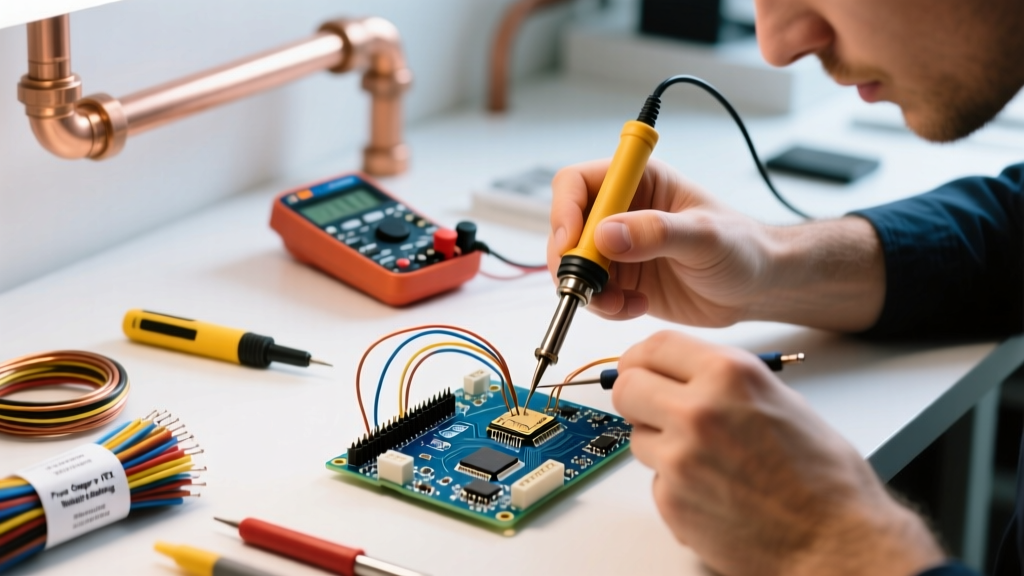
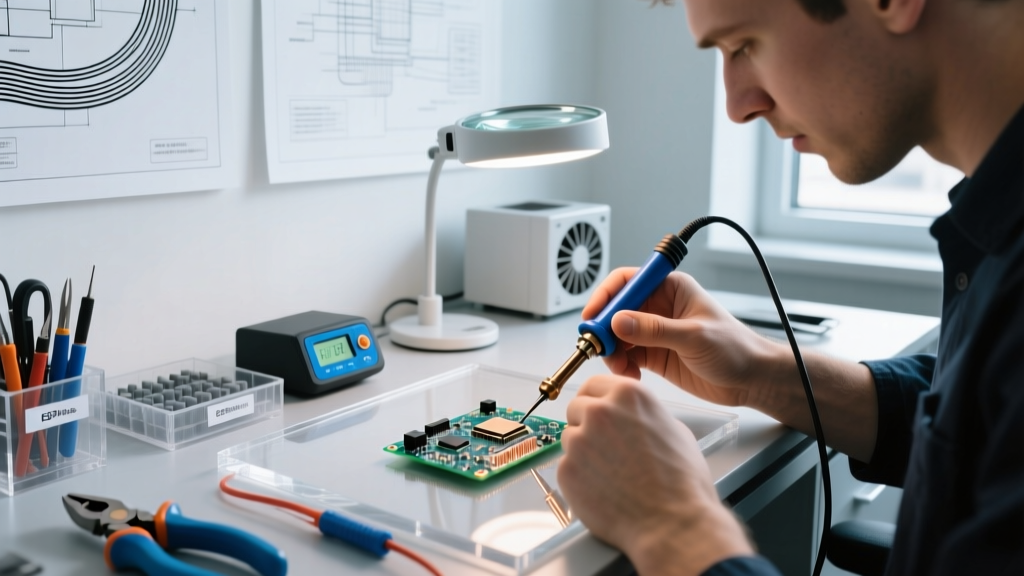
Typing 'electronic soldering near me' into a search engine usually means one thing: a critical piece of hardware has failed, and you need component-level PCB repair. Whether it is a dead GPU, a ripped FPC connector on a laptop, or a shorted capacitor on a vintage audio amplifier, local micro-soldering shops are the traditional go-to. But in 2026, with the rise of affordable precision tools and the Right to Repair movement, the financial calculus between paying a local technician and building your own DIY rework station has shifted dramatically.
Before you drop off your board and agree to a bench fee, it is crucial to understand the actual cost structure of professional electronic soldering. This cost analysis breaks down local shop rates, hidden diagnostic fees, and the exact ROI of investing in your own micro-soldering lab.
2026 Local Repair Shop Rate Sheet: What You Will Actually Pay
Most local electronics repair shops have moved away from purely hourly billing for micro-soldering, opting instead for flat-rate component replacements or tiered diagnostic structures. Here is the realistic pricing landscape for professional board-level repair in 2026:
- Diagnostic Bench Fee: $45 to $95. This covers the technician's time to use a thermal camera and multimeter to locate the short. Often waived if you proceed with the repair, but non-refundable if the board is deemed 'dead' or unrepairable.
- Basic SMD Component Replacement: $75 to $140. This includes replacing blown ceramic capacitors, MOSFETs, or simple ICs using hot air rework stations.
- Port & Connector Micro-Soldering: $110 to $220. Replacing HDMI ports on consoles, USB-C PD ICs on laptops, or FPC connectors on smartphones requires high-magnification microscopy and precision trace alignment.
- BGA Rework & Reballing: $200 to $450. Removing, reballing, and reflowing large Ball Grid Array chips (like GPUs or Apple M-series silicon) requires specialized BGA rework stations and precise thermal profiling.
Pro Tip: Always ask if the shop follows IPC-7711/21 standards for rework and trace repair. Shops that adhere to these guidelines use proper epoxies and high-temperature polyimide tape, ensuring your repair survives long-term thermal cycling.
Financial Showdown: Local Shop vs. DIY Soldering Investment
Is it cheaper to pay a professional or buy the tools yourself? The break-even point depends entirely on your repair frequency and the complexity of the boards you handle. Below is a cost comparison matrix for common 2026 repair scenarios.
| Repair Scenario | Local Shop Cost (Avg) | DIY Tool Investment | DIY Consumables | Break-Even Point |
|---|---|---|---|---|
| PS5 / Console HDMI Port | $140 | $250 (Hot Air + Iron) | $15 (Port + Flux) | 2 Repairs |
| Laptop 19V Short (MOSFET/Cap) | $120 | $180 (Iron + Multimeter) | $10 (Wick + Solder) | 2 Repairs |
| MacBook GPU Reballing (BGA) | $350 | $1,200+ (BGA Station) | $60 (Stencils + Spheres) | 4+ Repairs |
| Vintage Amp Through-Hole Recap | $250 | $110 (Quality Iron) | $40 (Caps + Solder) | 1 Repair |
Building Your Own Micro-Soldering Lab: 2026 Buyer's Cost Breakdown
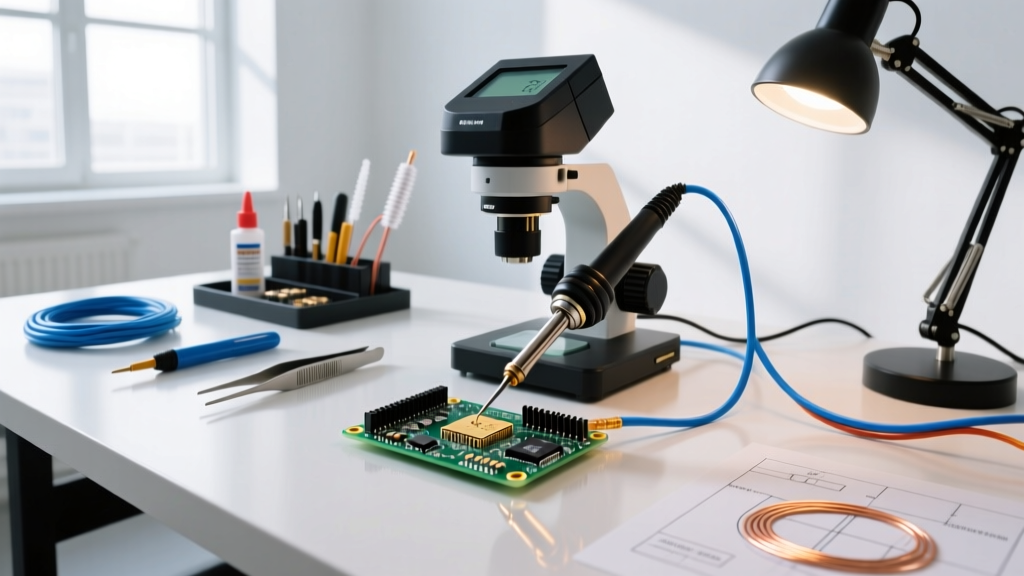
If you decide to bypass the local shop search and tackle repairs yourself, you need to budget for a proper workstation. Buying cheap, unregulated irons will destroy modern multi-layer PCBs. Here is what a reliable, modern DIY setup actually costs in 2026.
Tier 1: The SMD & Through-Hole Starter Lab ($180 - $250)
Ideal for hobbyists fixing vintage audio, drones, and basic consumer electronics.
- Soldering Iron: Pinecil V2 Smart Iron ($26) or Hakko FX-888D ($110). The Pinecil offers rapid heat-up and USB-C PD power delivery, making it a 2026 favorite for budget-conscious technicians.
- Microscope: AmScope SE400-Z Stereo Microscope ($140). Essential for inspecting 0402 SMD components and verifying solder joint wetting.
- Consumables: Kester 245 63/37 Leaded Solder ($18) and Chemtronics 80-4-5 Desoldering Wick ($12).
Tier 2: The Professional Micro-Soldering & Rework Station ($450 - $650)
Required for laptop logic boards, smartphones, and complex multi-layer PCBs with heavy ground planes.
- Hot Air Rework Station: Quick 861DW ($250). The undisputed king of mid-tier hot air. Its programmable thermal profiles prevent pad lifting on dense motherboards.
- Thermal Camera: InfiRay P2 Pro ($249). Plugs directly into your smartphone or PC. Injecting voltage into a shorted rail and watching the thermal camera instantly reveals the failing ceramic capacitor, saving hours of multimeter probing.
- Premium Flux: Amtech NC-559-V2-TF ($28 per syringe). Do not use cheap Amazon flux; it leaves conductive residues that cause parasitic shorts and long-term board corrosion.
The Economics of Consumables: Why Flux and Wick Matter
Beginners often allocate 90% of their budget to the soldering iron and 10% to consumables. In 2026, experienced technicians know this ratio should be closer to 60/40. The chemical quality of your flux and the copper purity of your desoldering wick directly dictate your success rate and long-term costs.
Cheap, unbranded fluxes often contain high levels of chloride activators. While they make solder flow beautifully on the first attempt, they leave behind highly corrosive residues. Over a period of 3 to 6 months, these residues will eat through copper traces, causing intermittent open circuits that are nearly impossible to diagnose. Investing $28 in a syringe of Amtech NC-559-V2-TF ensures a no-clean, non-corrosive finish that protects your repair.
Similarly, when removing a multi-pin SMD IC, using low-grade wick will result in incomplete solder removal, forcing you to apply excessive prying force with tweezers. This leads to the most catastrophic failure mode in PCB repair: pad ripping. Once a BGA or QFP pad is ripped from the inner layer of a multi-layer board, the repair difficulty spikes from a $15 fix to a $150 micro-jumper trace reconstruction. Always buy oxygen-free copper wick, such as Chemtronics or Goot, which features precise capillary action and rapid heat transfer.
Hidden Costs and Edge Cases in Local Repair
When outsourcing to a local shop, the quoted price is rarely the final price. Be prepared for these common edge cases that inflate your invoice:
- Trace Damage & Jumper Wires: If a previous amateur repair attempt lifted a PCB pad, the technician must scrape the solder mask and run 0.1mm enameled copper jumper wires. According to The Repair Association, complex trace routing can add $75 to $150 in labor per hour.
- Ultrasonic Cleaning: Boards suffering from liquid damage require ultrasonic cleaning and isopropyl alcohol baths before any soldering can occur. Expect a $50 to $85 surcharge for chemical cleaning.
- Data Recovery Add-ons: If the board is unrepairable but you need the NAND flash memory transplanted to a donor board, shops will charge premium micro-soldering rates ($200+) for the chip swap alone.
Decision Framework: When to Pay a Pro vs. When to DIY
Use this quick framework to decide whether to search for a local shop or power up your own hot air station:
- Pay a Local Pro If: The repair involves BGA reballing on a proprietary chip, you lack a thermal camera to diagnose shorts on a 12-layer motherboard, or the device holds irreplaceable data and you cannot risk thermal damage to the NAND chips.
- DIY the Repair If: You are replacing standard SMD ports (HDMI, USB), fixing through-hole vintage gear, or dealing with simple power rail shorts where a thermal camera and hot air can isolate a blown capacitor in under 10 minutes.
Frequently Asked Questions
How do I find a reputable micro-soldering shop near me?
Look for shops that explicitly advertise 'component-level logic board repair' and 'micro-soldering.' General phone repair kiosks that only swap screens and batteries rarely possess the AmScope microscopes and Quick 861DW hot air stations required for actual PCB soldering. Ask to see their ESD-safe workbench before handing over your device.
Is lead-free solder required for local repair shops?
While commercial manufacturing strictly adheres to RoHS lead-free standards (SAC305), many independent repair technicians use 63/37 leaded solder for rework because it melts at a lower temperature (183°C vs 217°C), reducing the risk of thermal shock and pad delamination on older or heat-damaged boards.