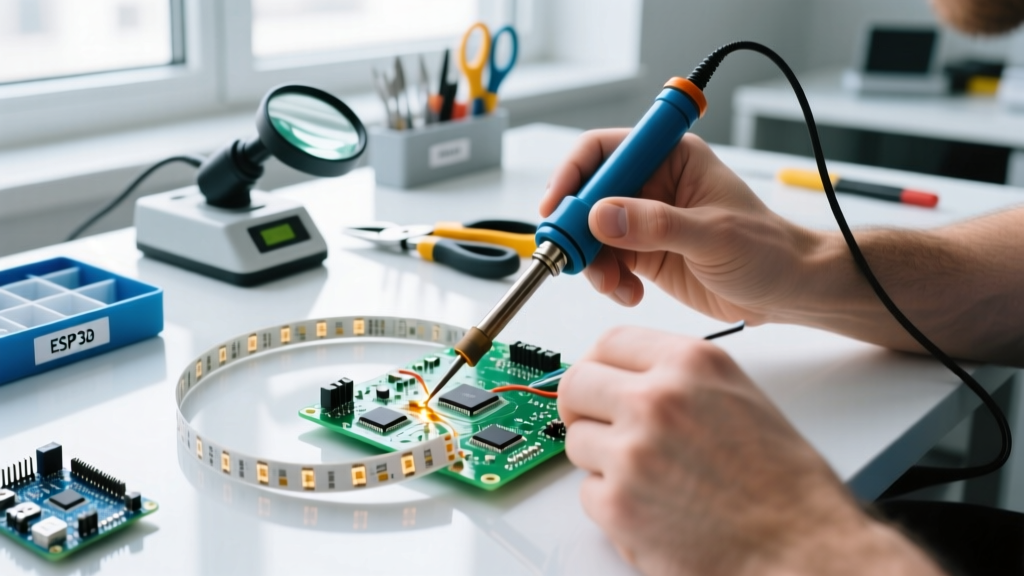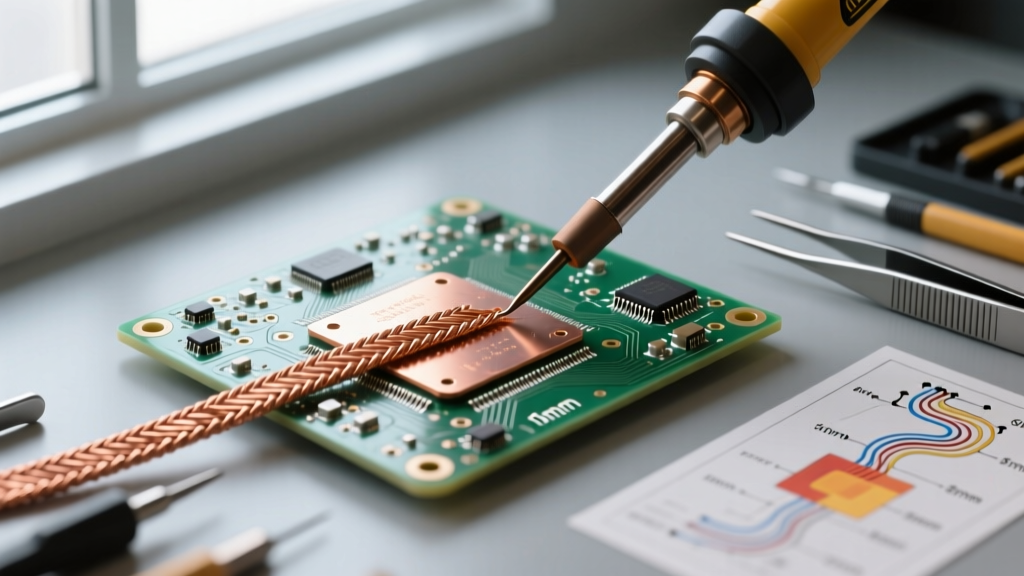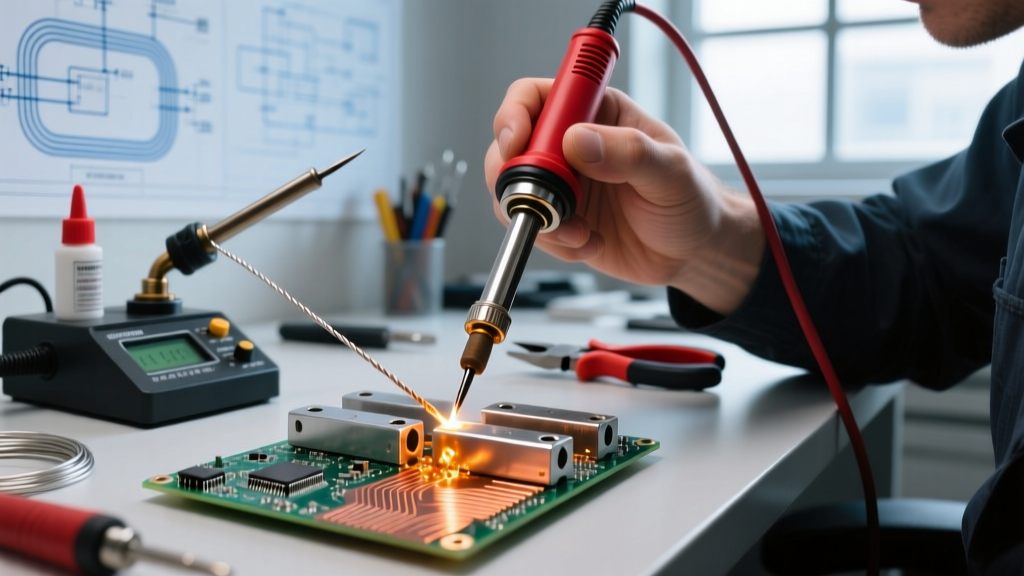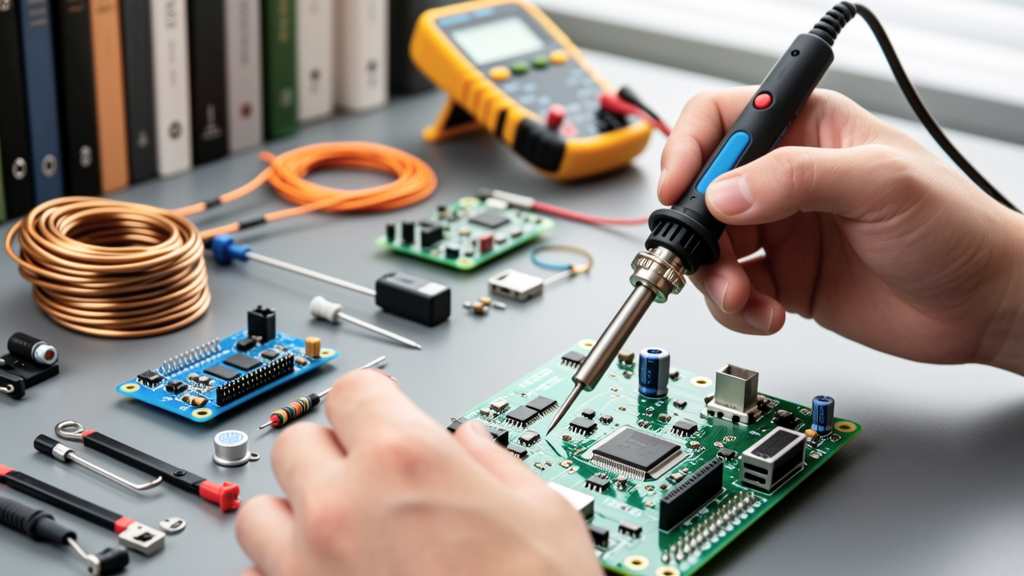
Data is simply evidence you can record and compare. For a beginner, it can be a temperature reading, a defect count, a supplier lead time, or the diameter of solder wire. This article explains what data means, why beginners often misread it, and how to collect useful data with low-cost tools. It also uses soldering examples from buying and testing solder, including Kester, Hakko, Weller, and JBC, to show how small numbers can become practical decisions. You do not need a lab. You need a log, a repeatable method, and a few known limits and a clear question to answer.
What Data Means for a Solder Beginner
When people hear data, they often picture spreadsheets, sensors, and statistics. That is true in factories, but the beginner version is simpler. A beginner can collect data by writing down what happened during a soldering job, a purchase, or a test. The goal is not to sound technical. The goal is to create a record that helps you compare one choice with another. In solder work, that record might show that a 63/37 tin-lead alloy flows cleanly at 350°C on a Hakko FX-888D, while a SAC305 lead-free alloy needs more heat control and may look duller on a hobby board.
Data also helps you avoid buying based on habit. A solder buyer sees many products: 0.5 mm, 0.8 mm, 1.0 mm, 1.2 mm, and 2.5 mm wire, plus solder paste in jars from 200 ml to 500 ml. Without data, those choices feel arbitrary. With data, a beginner can ask: what wire diameter gives me enough volume for through-hole pads? What paste volume covers a 0402 component without bridging? What temperature range produces fewer tombstoned parts? These are small questions, but they turn vague preference into measurable feedback.
Three simple data types
- Measurement data: numbers from instruments, such as 370°C tip temperature, 15 seconds of dwell time, or 2.2 grams of solder consumed per board.
- Observation data: notes about appearance or behavior, such as shiny joints, dull joints, smoke, flux spatter, or cold solder flags.
- Purchase data: cost, lead time, packaging size, shelf life, and supplier reliability, such as 12-day delivery from a distributor or 6-month refrigerated shelf life for certain pastes.
Most beginners start with observation data because it is easy. They see a good joint or a bad joint and remember it. That is useful, but it is not enough. The next step is to attach numbers to the observation. Instead of writing bad joints, write 3 bad joints on 40 pads, or a 7.5 percent defect rate. Instead of writing expensive, write $14.90 for a 100-gram rosin-core spool versus $22.50 for a 250-gram Kester 44 spool. The difference between opinions and data is the presence of a unit, a count, or a comparison.
Why Beginners Often Misread Data
Beginners usually do not lack intelligence. They lack reference points. A number can look meaningful when it is isolated. If someone says a board had 5 defects, that may sound bad. If the board had 500 joints, the defect rate is 1 percent, which can be acceptable for a prototype. If the board had 20 joints, the defect rate is 25 percent, which is a process problem. The same number carries different meaning depending on the denominator. That is why beginners should always ask: 5 out of what?
Another common mistake is confusing correlation with cause. A beginner might lower the temperature from 380°C to 350°C, switch from rosin flux to no-clean flux, and clean the tip all at once. Then the joints improve. It feels obvious, but the data does not prove which change mattered. Good data habits mean changing one variable at a time when possible. In soldering, that could mean keeping the same alloy, same wire diameter, same tip, and same dwell time while adjusting only temperature.
Numbers need context
Context includes environment, tool condition, and material state. A solder joint made on a cold bench may behave differently than one made in a warm room. A tip oxidized after 30 minutes of idle heat transfers less energy than a freshly tinned tip. A paste left at room temperature for 8 hours may lose rheology benefits compared with paste stored at 5°C. When a beginner logs data, they should record the conditions around the number. A short note like 350°C, new tip, 60-second dwell, SAC305 paste is often more valuable than the temperature alone.
| Material | Typical Use | Common Form | Processing Note | Beginner Risk |
|---|---|---|---|---|
| Kester 44 | Through-hole repair, hobby electronics | 0.8 mm rosin-core wire, 100 g spool | 63/37 Sn/Pb melts near 183°C, often worked at 350°C to 370°C | Lead handling, local disposal rules |
| SAC305 | Lead-free electronics, commercial boards | 0.6 mm wire, 250 g spool, or paste | Melts near 217°C to 220°C, often needs 360°C to 390°C | Cold joints if heat is too low |
| Alpha OM338 | Lead-free solder paste, SMT assembly | 200 ml jar, 150 g or 500 g package | Print, place, reflow; dwell above liquidus often 45 to 90 seconds | Shelf life and refrigeration |
| Weller WT 1 | General flux activity | 50 ml bottle or paste form | Helps wetting when combined with clean tip | Too much flux can cause spatter |
| JBC C245 tips | Rapid tip recovery and heat control | Chisel, conical, hoof shapes | Good for pad-specific dwell control | Cost if beginner buys wrong tip shape |
The table shows how a beginner can compare choices using real material names and measurements. Instead of choosing by color or price alone, you can match alloy, form, processing note, and risk to your project. A beginner repairing a 1990s radio may prefer Kester 44 for easy wetting, while a maker building a modern power board may need SAC305 paste and controlled reflow. The right answer depends on the task, not the brand name alone.
How to Start Collecting Data with a Solder Station
The easiest way to start is to use what you already own. A Hakko FX-888D, Weller WE 1010, JBC CDB 900, or even a simple adjustable iron can give temperature readings. A digital caliper can measure wire diameter, pad width, and component height. A small scale can measure grams of solder used. A phone timer can record dwell time. You do not need industrial metrology to get useful beginner data. You need consistency.
Five data points worth logging
- Tip temperature: record the setpoint and the actual tip reading if your station shows it, such as 350°C setpoint and 348°C measured.
- Dwell time: count seconds from first contact to removal, such as 2.0 seconds for a small SMT pad and 4.5 seconds for a large through-hole ground pad.
- Material: note alloy, flux type, and package size, such as Kester 24-6374 RMA 0.8 mm or Alpha SAC305 paste 200 ml.
- Defect count: tally visible problems, such as 2 bridges, 1 tombstone, and 3 dull joints per 50 inspected joints.
- Supplier variables: track price, delivery date, lot number, and packaging condition, such as $19.95 per 100 g spool, delivered in 6 days, lot 41822.
Once these five fields exist, a beginner can see patterns. For example, if tombstoning appears only with 0402 resistors and 0.5 mm paste deposits, the data points toward stencil volume, pad design, or reflow profile. If dull joints appear mostly when tip temperature drops after 30 minutes of continuous use, the issue may be tip wear or thermal mass mismatch. The log does not replace troubleshooting, but it gives troubleshooting a starting address.
Reading Supplier and Inventory Data
Solder buyers often have the most data because purchasing creates numbers automatically: order dates, lot codes, unit prices, minimum order quantities, and delivery confirmations. Beginners can borrow this mindset even for a personal bench. If you buy a 100-gram spool of 0.8 mm wire and it lasts 40 soldering sessions, you can estimate $0.35 per session when the spool costs $14.00. If you buy a 500-gram jar of paste for $68.00 and each board uses 12 grams, you get about 41 boards before opening issues. These simple calculations are not glamorous, but they are data.
Example: comparing solder alloys
A common beginner decision is leaded versus lead-free. The data can be framed in four ways: melting range, working temperature, appearance, and handling. Leaded 63/37 melts sharply near 183°C, which makes it forgiving on a 350°C iron. Lead-free SAC305 melts near 217°C to 220°C, so a beginner may need 360°C to 390°C and better tip control. Leaded joints often look shiny and wetted, while lead-free joints can look grainier or duller even when acceptable. Handling data matters too: leaded solder may require hand washing, separate disposal, and workplace rules, while lead-free may reduce regulatory burden but increase joint formation difficulty.
Supplier data also includes lead time risk. A distributor might list a 2-day delivery for stocked Kester wire, but a backordered Alpha paste could take 14 days. A beginner who logs these dates learns to buy before a project stalls. Inventory data can include expiration or shelf-life notes. Many solder pastes recommend storage between 5°C and 10°C and have a shelf life of 6 months. If a jar is opened on day 180 and used for three weeks, the data may show increased viscosity changes or slumping. That is not a myth; it is a measurable process shift.
Turning Data into Better Solder Joints
The point of data is action. If a log shows that 8 out of 200 joints have insufficient wetting, you can test one variable. Maybe the pad was oxidized. Maybe the tip was 10°C too low. Maybe the flux was too old. Run a small batch of 50 joints with the new setting. If insufficient wetting drops from 4 percent to 1 percent, the change likely helped. If it stays at 4 percent, the variable may not be the main cause. This is basic experimentation, and it is available to beginners.
Small experiments that produce clear data
Try a 2x2 test grid for a single joint type. For example, test 350°C versus 370°C combined with 2 seconds versus 4 seconds of dwell on 0805 resistors. Count bridges, tombstones, and cold joints. A simple result might be that 350°C and 2 seconds produces 3 defects per 50 joints, while 370°C and 4 seconds produces 1 defect per 50 joints. That gives you a defensible process window. It also prevents endless adjustment because you have evidence rather than feelings.
Data also helps with tool selection. A Hakko T12 tip may warm quickly but have a smaller thermal mass than a Weller ET tip or a JBC C245 tip. If you are soldering large ground pads, the smaller tip may cool too much during contact. If your log shows that dwell time doubles on large pads, the tool may be the issue, not the solder. This kind of measurement turns a purchase from guesswork into fit-for-use decision. A 2.5 mm wire may be right for big through-hole lugs but wrong for fine SMT repair. A 0.3 mm wire may be right for micro solder but frustrating for beginners because it tangles and consumes fast.
Common Beginner Data Mistakes
One mistake is logging too much too soon. A beginner may create a 30-column spreadsheet, then abandon it after two sessions. Start with five columns. Another mistake is collecting only successful projects. Defects are the most useful data because they reveal process limits. If you only record good joints, your dataset becomes biased. A third mistake is ignoring units. A temperature without a scale is meaningless. A weight without grams is meaningless. A price without currency is meaningless. Always write units next to numbers.
- Do not record only averages; record the range, such as 348°C to 352°C over 10 readings.
- Do not skip the date; lot changes, humidity, and tip wear move over time.
- Do not mix different board types in one defect count; a power board and a sensor board are not the same process.
- Do not treat one sample as proof; 5 joints on 5 boards is weak compared with 50 joints per condition.
- Do not ignore safety data; lead, flux smoke, and hot tips require notes about ventilation, gloves, and disposal.
Another hidden mistake is letting the log become a diary instead of a decision tool. If you never look at the numbers, the effort has little value. Review the log weekly. Ask which variable changed, which defect appeared, and what you would test next. For example, if two consecutive projects used an old tip and produced dull joints, replace or retin the tip, then compare the next batch. Data earns its place when it changes your next move.
A Simple 30-Day Data Plan
Beginners benefit from a short plan with clear deliverables. This 30-day plan is intentionally modest. It can be used on a bench, in a classroom, or in a small repair shop. The goal is not perfection. The goal is to build a habit of recording, comparing, and adjusting.
- Days 1 to 3: choose one project type, such as through-hole LED boards, and define five fields: temperature, dwell, alloy, defect count, and total joints.
- Days 4 to 10: make 50 joints at your current settings. Do not change the process. This becomes your baseline.
- Days 11 to 15: change one variable only. If defects are cold joints, raise temperature by 15°C, such as from 350°C to 365°C.
- Days 16 to 20: make another 50 joints and compare defect counts to the baseline.
- Days 21 to 25: test a second variable, such as 0.8 mm wire versus 1.0 mm wire, while keeping temperature and dwell fixed.
- Days 26 to 30: write a one-page summary with the best settings, remaining defects, supplier observations, and next experiment.
By day 30, a beginner may have learned that 365°C with 3 seconds of dwell produces fewer cold joints than 350°C with 2 seconds. They may also learn that 0.8 mm wire wastes less material on small pads, while 1.0 mm wire makes larger through-hole joints more repeatable. These are small insights, but they are real data. They also create a purchasing record: which spool size to reorder, which tip to buy next, and which supplier delivers reliably.
Key Takeaways for Beginners
Data is not a special skill reserved for engineers. It is a way of paying attention. In soldering, it becomes a set of numbers around temperature, time, material, defects, cost, and delivery. A beginner who logs 350°C, 2.5 seconds, 0.8 mm wire, and 3 defects per 40 joints has more control than a beginner who only says the joint looked okay. The first record may feel slow, but after a few weeks it becomes natural. The best starting move is simple: pick one project, choose five fields, and collect data from the next 50 joints.