
The Hidden Chemical Hazard: Rosin and Flux Vaporization
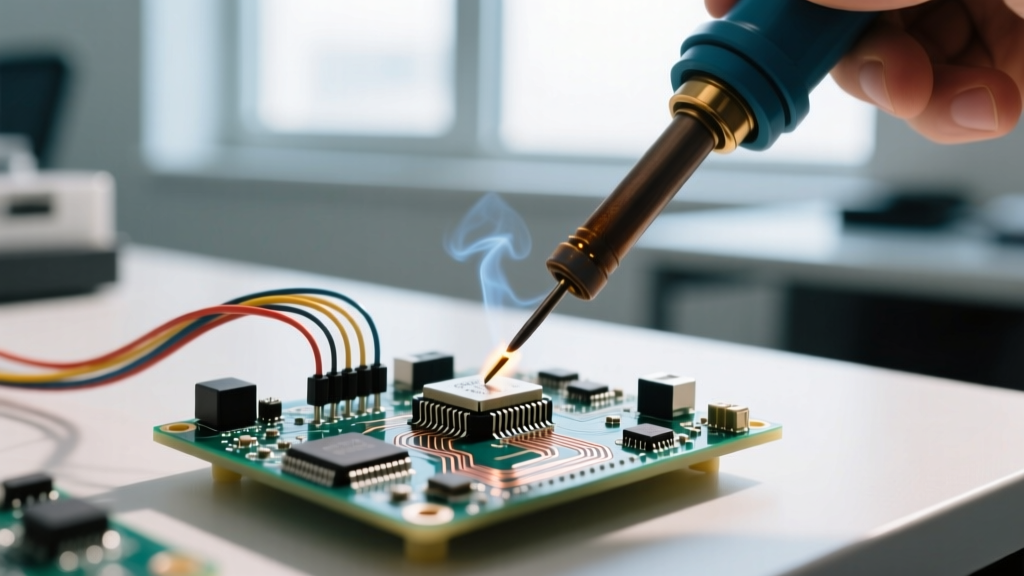
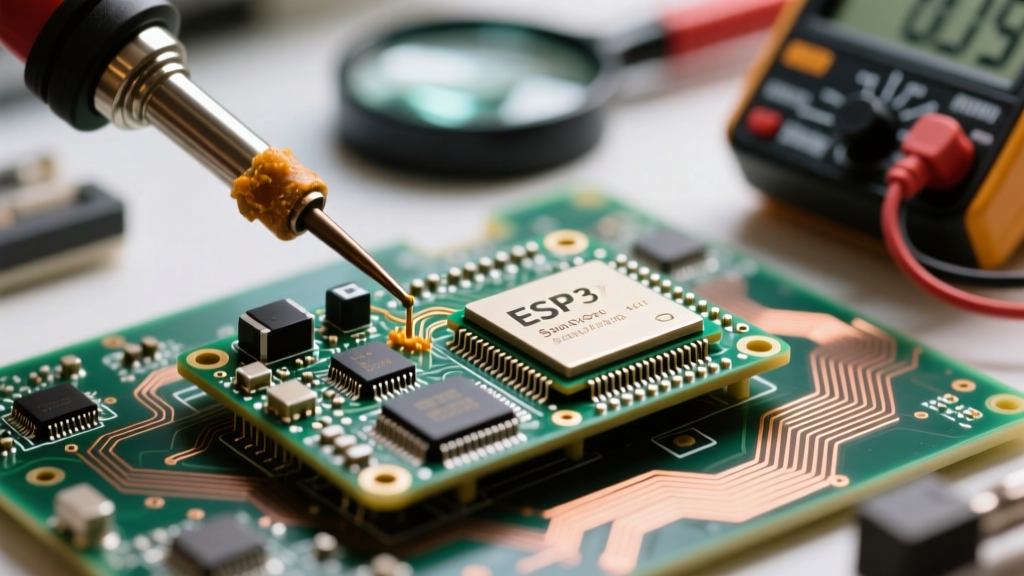
When soldering circuit boards, the primary chemical risk doesn't come from the solder alloy itself, but from the flux core. Most commercial wire solder uses rosin-based flux (colophony), which contains abietic acid. When heated to the 350°C+ temperatures required for modern lead-free alloys like SAC305, this flux vaporizes into a complex aerosol of volatile organic compounds (VOCs) and fine particulates.
According to the UK Health and Safety Executive (HSE), exposure to rosin-based solder fumes is a leading cause of occupational asthma in the electronics manufacturing sector. The sensitization is cumulative; you may not experience symptoms for months or years, but once sensitized, even microscopic exposure can trigger severe respiratory distress. Furthermore, water-soluble and no-clean fluxes, while marketed as safer alternatives, still emit hazardous VOCs and aldehydes when subjected to high-thermal-mass soldering.
Fume Extraction and Ventilation Matrix
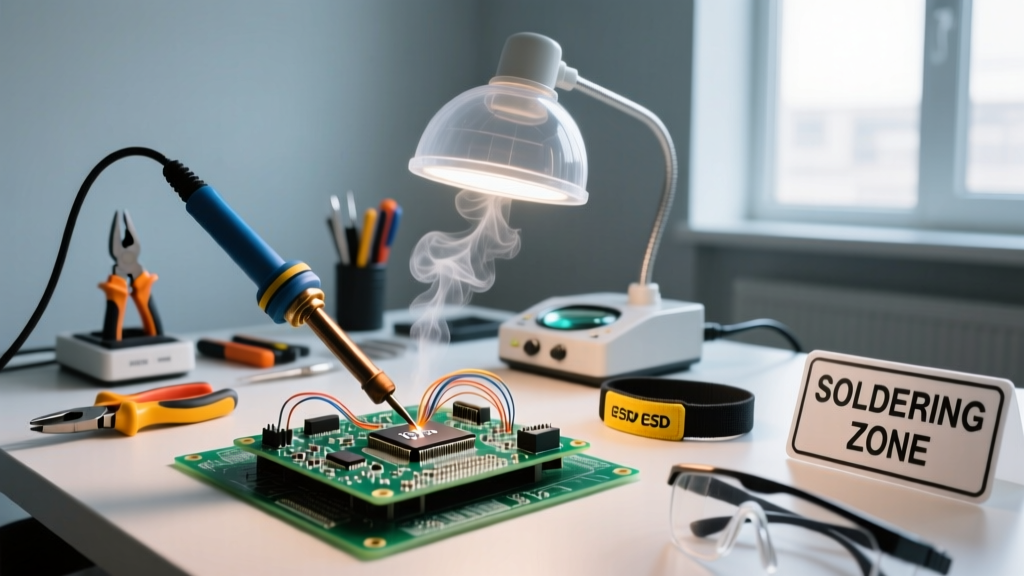
Relying on a standard desk fan or an open window is a critical safety failure. Effective mitigation requires capturing the fume plume at the source before it enters the operator's breathing zone (typically defined as a 12-inch radius from the face). Below is a comparison of extraction systems based on operational scale and safety requirements.
| Extraction Type | Example Model | Approx. Cost (2026) | Filtration Stages | Best Use Case |
|---|---|---|---|---|
| Desktop Carbon Fan | Hakko FA-400 | $55 - $75 | Single Activated Carbon | Hobbyist (max 1 hr/week). Fails to capture fine particulates. |
| Benchtop HEPA/Gas | Metcal BVX-100 | $450 - $650 | Pre-filter, HEPA, Deep Carbon | Prototyping labs, repair techs (daily use). Captures 99.97% of 0.3µm particles. |
| Industrial Central | BOFA AD Oracle 550 | $1,500 - $2,200+ | Multi-stage HEPA + Reverse Flow Carbon | Production lines, continuous rework. Features filter saturation sensors. |
Expert Insight: Activated carbon filters only adsorb VOC gases; they do nothing for the visible white smoke (particulates). You must use a system with a true HEPA stage to trap the solid rosin particulates before they reach the carbon bed, otherwise the carbon filter will blind and fail within weeks.
Thermal Management and Burn Prevention
The transition from tin-lead (Sn63/Pb37) to lead-free alloys (like SAC305 or SAC405) has fundamentally changed the thermal landscape of PCB assembly. Lead-free solder melts at approximately 217°C to 220°C, but achieving a reliable metallurgical bond on a multi-layer board with heavy ground planes requires iron tip temperatures between 350°C and 380°C.
Mitigating Thermal Shock and Tip Degradation
At 380°C, accidental contact with skin causes instantaneous third-degree burns. Furthermore, improper tool maintenance exacerbates safety risks:
- Abolish Wet Cellulose Sponges: Wiping a 380°C tip on a wet sponge causes rapid thermal shock. This leads to micro-fractures in the iron's plating, exposing the internal copper core to molten solder, which rapidly destroys the tip and creates unpredictable heat transfer.
- Use Brass Wire Sponges: A dry brass wire sponge (e.g., Hakko 599B, ~$12) cleans the tip via mechanical friction without dropping its temperature, maintaining thermal mass and extending tip life by up to 40%.
- Silicone Work Mats: Standard ESD mats can scorch or off-gas at high temperatures. Use a dedicated fiberglass or silicone soldering mat rated for at least 500°C (e.g., Kaisi or Q-MN brands, ~$15-$25) to prevent bench fires and toxic off-gassing from the mat itself.
ESD Safety: Protecting the Board and Yourself
Electrostatic Discharge (ESD) safety is often viewed purely as a product-yield issue, but it is intrinsically linked to operational safety and standardized workflows. The ESD Association outlines strict parameters in the ANSI/ESD S20.20 standard for handling sensitive components.
Critical Warning: Never use a grounding wrist strap without a built-in 1 Megohm (1MΩ) current-limiting resistor. If you accidentally contact a live AC mains voltage while wearing a direct-ground strap, the strap will provide a fatal path to ground through your body.
When setting up your ESD-safe workstation for soldering circuit boards, adhere to these electrical specifications:
- Wrist Straps: Must feature a 1MΩ resistor and a continuous continuity monitor if used in a high-reliability environment. Standard straps cost $8-$15, while continuous monitors range from $150-$300.
- Worksurfaces: ESD dissipative mats must have a point-to-point resistance of 10^6 to 10^9 ohms/square. Conductive mats (below 10^6 ohms) discharge too rapidly and can actually damage highly sensitive MOSFET gates via the discharge spike.
- Grounding: All mats, straps, and soldering iron tips must share a common equipotential ground point, bonded to the facility's verified earth ground.
Ergonomics and Ocular Protection
Soldering circuit boards under a microscope or magnifying lamp introduces severe ergonomic and ocular hazards. Flux spatter is violent; when heated, the solvent pockets inside the flux core boil and explode, launching microscopic droplets of hot, acidic rosin directly upward.
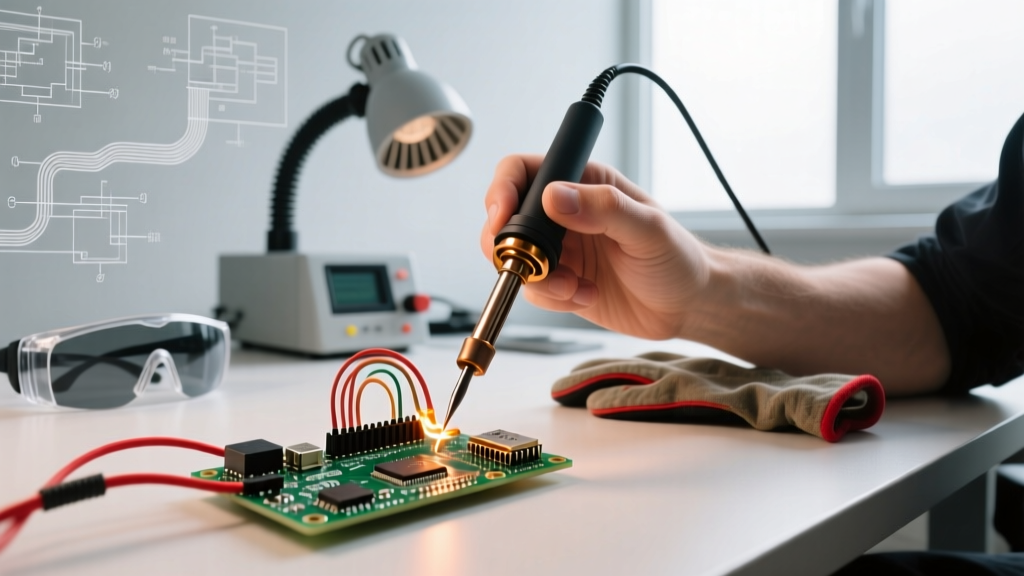
- Ocular PPE: Always wear ANSI Z87.1-rated safety glasses with side shields, even when using a microscope. Flux in the eye requires immediate medical irrigation and can cause corneal abrasions.
- Lighting and Magnification: Avoid cheap LED ring lights that flicker at 60Hz, which causes severe eye strain and headaches over a 4-hour session. Invest in high-CRI (95+), flicker-free lighting like the AmScope LED-144S (~$45) or integrated trinocular stereo microscopes with dedicated bar lighting.
- Posture: Position the PCB holder (e.g., PanaVise 201 or Hakko PCB Holder) so the workpiece is elevated 4 to 6 inches off the desk. This prevents cervical spine flexion (looking down) and keeps the fume plume below your chin.
Step-by-Step Pre-Soldering Safety Checklist
Before applying power to your soldering station, run through this mandatory pre-flight checklist to ensure compliance with modern safety standards and IPC-A-610 workmanship requirements (referenced via IPC global standards):
- Verify Extraction: Turn on the fume extractor. Place a thin tissue near the nozzle; it should pull firmly against the grill, confirming adequate CFM and filter integrity.
- Inspect the Cord: Check the silicone jacket of the soldering iron handpiece cord for nicks, burns, or exposed shielding. A compromised cord at 380°C is a severe shock and fire hazard.
- Test ESD Continuity: Use a multimeter to verify the resistance from your wrist strap snap to the common ground point. It must read exactly 1.0 MΩ (±5%).
- Clear the Blast Zone: Remove all isopropyl alcohol (IPA) dispensers, flux pens, and aerosol cleaners from a 12-inch radius around the iron stand. IPA vapors are highly flammable and heavier than air.
- Don PPE: Secure safety glasses and ensure your ESD wrist strap is snug against bare skin (not over a sweater cuff).
Conclusion
Professional-grade PCB assembly requires treating the soldering station not just as a tool, but as a localized chemical and thermal processing environment. By investing in true HEPA/carbon fume extraction, respecting the thermal realities of lead-free alloys, and strictly adhering to ANSI/ESD S20.20 grounding protocols, you protect both your long-term respiratory health and the integrity of the microelectronics you build.