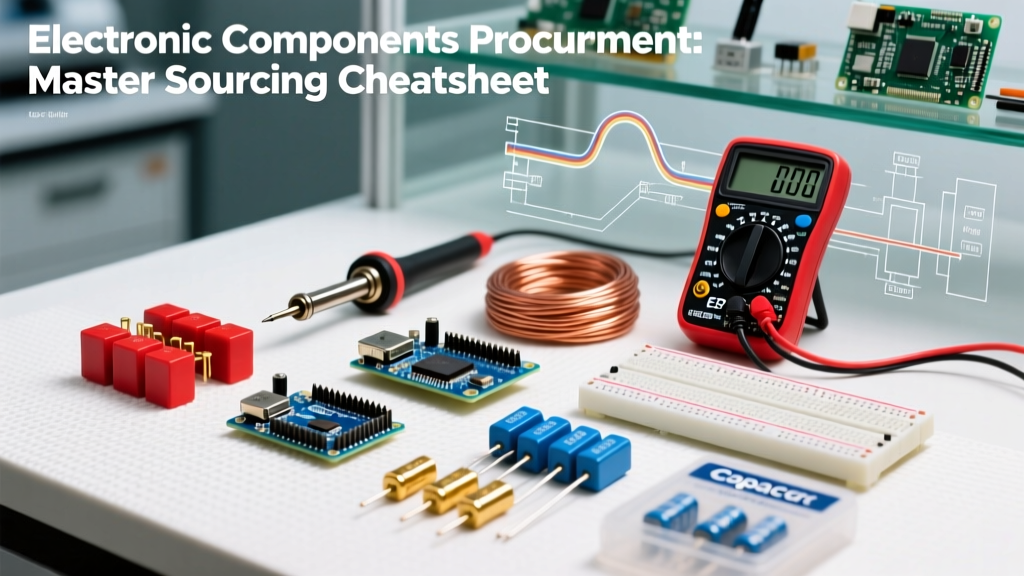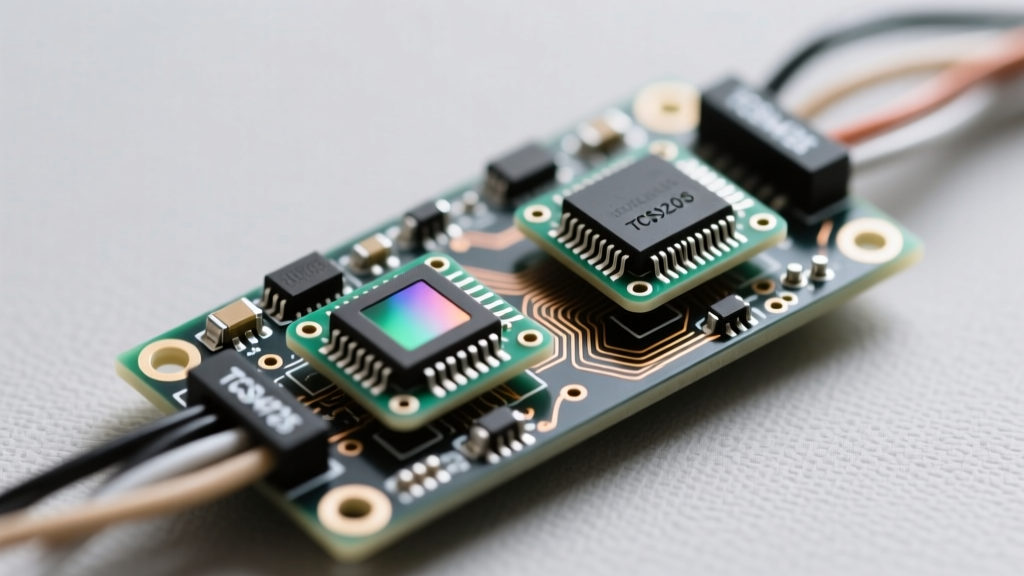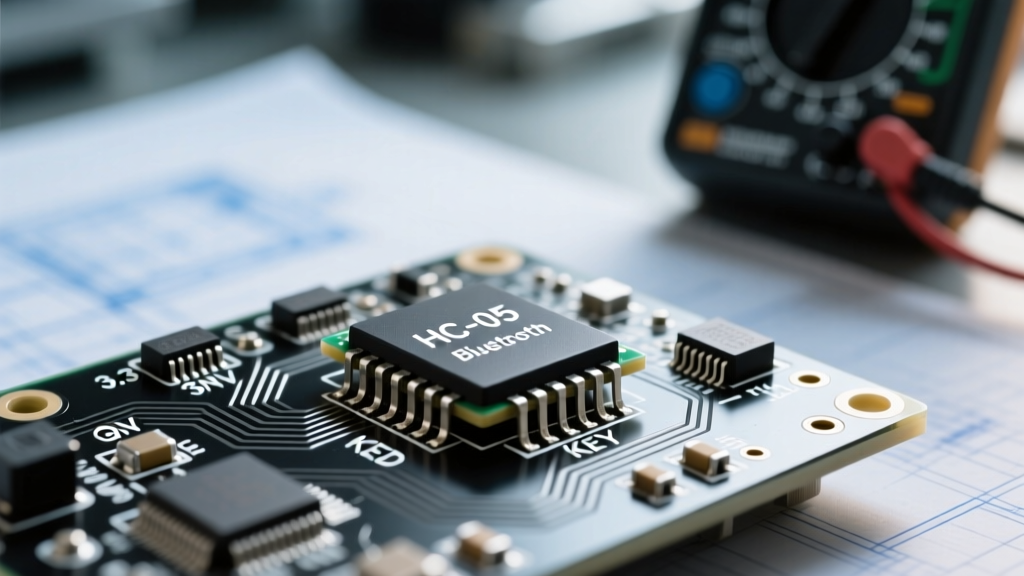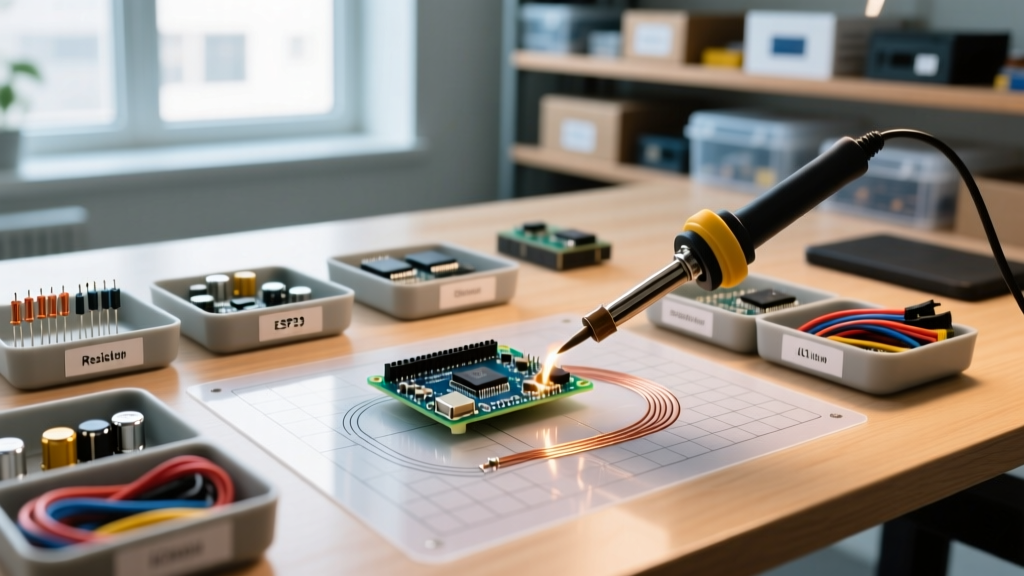

The global semiconductor supply chain experienced a massive correction following the severe shortages of the early 2020s. By late 2024, distributors and manufacturers were sitting on record levels of specific SKUs, creating a unique buyer s market. Now, as we navigate through 2026, engineering teams, contract manufacturers, and advanced DIY enthusiasts are aggressively targeting this popular electronic components 2024 inventory to slash Bill of Materials (BOM) costs by 30% to 50%. However, sourcing surplus or legacy stock requires a rigorous understanding of component degradation, moisture sensitivity, and counterfeit risks. This buying guide provides an actionable, expert-level framework for procuring, verifying, and utilizing 2024 surplus components for your 2026 builds.
The 2024 Surplus Landscape: Why Buy Legacy Inventory?
During the 2022-2023 allocation crisis, OEMs over-ordered heavily to secure production lines. By the time these orders were fulfilled in 2024, consumer electronics demand had softened, leaving warehouses stocked with high-volume microcontrollers, power management ICs, and passives. In 2026, this overhang represents a massive arbitrage opportunity. According to market intelligence from ERAI (Electronic Resellers Association International), the secondary market for surplus semiconductors has stabilized, offering genuine, factory-sealed components at a fraction of their original catalog pricing.
Expert Insight: Never buy 2024 surplus blindly. The cost savings are only realized if you account for the hidden costs of incoming inspection, moisture baking, and potential yield loss on the SMT line. Always factor in a 5% scrap rate for surplus passives.
High-Value Targets: Microcontrollers and Power ICs
When analyzing the popular electronic components 2024 inventory, certain SKUs stand out for their high utility and significant price drops. Below is a breakdown of prime targets for 2026 procurement.
| Component / SKU | 2024 Peak Price | 2026 Surplus Price | Best 2026 Application | Risk Factor |
|---|---|---|---|---|
| ESP32-S3-WROOM-1 (N8R8) | $3.85 | $2.10 | AIoT Edge Devices, Voice UI | MSL 3 Moisture Ingress |
| Raspberry Pi Pico W (RP2040) | $6.00 | $4.20 | Prototyping, HID Controllers | Low (Robust Packaging) |
| EPC2212 (100V GaN FET) | $4.50 | $2.85 | 48V DC-DC Converters, LiDAR | Gate Oxide Sensitivity |
| STM32G431CBU6 | $5.20 | $3.15 | Motor Control, Digital Power | Counterfeit High |
Deep Dive: The ESP32-S3-WROOM-1
Espressif s ESP32-S3 dominated the 2024 AIoT market due to its vector instructions for neural network acceleration. In 2026, surplus batches of the N8R8 (8MB Flash, 8MB PSRAM) variant are flooding broker markets. When purchasing, verify the antenna certification markings on the RF shield. Counterfeiters often reuse 2021 ESP32-S2 shields and re-mark them as S3 modules. Always perform an X-ray inspection on broker-sourced Wi-Fi modules to verify the internal die layout matches the Espressif reference designs.
Passives and Sensors: Hidden Degradation Risks
While ICs get the spotlight, passives make up 80% of a typical BOM line count. The 2024 inventory cycle saw massive overproduction of multilayer ceramic capacitors (MLCCs), specifically in the 0402 and 0603 footprints.
- Murata GRM Series (X7R/X5R): High-capacitance MLCCs (e.g., 10uF to 47uF in 0805 packages) are highly susceptible to flex cracking. If 2024 inventory was stored in high-humidity environments without proper moisture barrier bags (MBBs), the dielectric layers can degrade. Before placing a bulk order, request a sample lot and perform a cross-section analysis to check for micro-fractures near the termination electrodes.
- Bosch BME688 Environmental Sensors: Widely stocked in 2024 for air quality monitors. The gas sensor element requires a specific burn-in period. Surplus units that have been sitting unpowered for 18+ months may exhibit extended stabilization times (up to 72 hours) upon first power-up in your 2026 design. Plan your firmware initialization routines accordingly.
Moisture Sensitivity and Solderability: The J-STD-033 Protocol
The most critical failure mode when utilizing older inventory is the 'popcorn effect' during SMT reflow. Moisture trapped inside the IC package turns to steam at 245°C+, delaminating the silicon die from the substrate. The JEDEC Solid State Technology Association outlines strict handling procedures in the IPC/JEDEC J-STD-033 standard.
- Inspect the MBB and HIC: Upon receiving 2024 surplus, immediately check the Moisture Barrier Bag for punctures. Inspect the Humidity Indicator Card (HIC). If the 10% spot has turned from blue to pink, the parts have been exposed.
- Calculate Floor Life: For MSL 3 components (like most QFN and BGA packages), the floor life is 168 hours. If the 2024 date code indicates the factory seal was broken more than a year ago, assume the floor life is expired.
- Execute a Bake Cycle: To safely restore solderability, bake the components at 125°C for 24 hours (for MSL 3/4 parts in high-temperature trays). Warning: Never bake components in plastic tape-and-reel packaging at 125°C, as the tape will melt. Transfer them to high-temp metal or ceramic trays first.
Counterfeit Avoidance in the Surplus Market
As legitimate 2024 inventory dries up in franchise channels, independent brokers fill the gap. This is where counterfeit risk spikes. According to data tracked by Octopart and industry watchdogs, the most faked categories from the 2024 era are power management ICs and high-end microcontrollers.
The Acetone Swab Test
Counterfeiters often use 'blacktopping' to sand down old or lower-spec ICs and paint over them with a new layer of epoxy to laser-etch fake 2024 date codes and premium brand logos.
Procedure: Take a cotton swab soaked in pure acetone and rub it firmly across the top marking of the IC for 30 seconds. If the swab turns black or the laser etching begins to smear, the part is blacktopped and likely counterfeit. Genuine epoxy markings are cured into the substrate and will not dissolve in acetone.
Decapping and Die Verification
For high-value purchases (e.g., STM32H7 series or high-end FPGAs), invest in non-destructive X-ray or destructive decapping. Fuming nitric acid can be used to dissolve the epoxy package, revealing the silicon die. Compare the die layout, manufacturer logos, and stepper marks against known golden samples from the ERAI database.
Strategic Sourcing Channels for 2026
Where you buy is just as important as what you buy. Here is the hierarchy of sourcing channels for 2024 surplus:
- Tier 1: Franchise Distributors (Mouser, Digi-Key, Arrow): They still hold some 2024 stock but rarely discount it heavily. Best for guaranteed authenticity and proper climate-controlled storage.
- Tier 2: Authorized Surplus Buyers (Rochester Electronics, Flip Electronics): These companies buy factory-authorized overstock directly from OEMs. They offer the best balance of deep discounts and 100% authenticity guarantees.
- Tier 3: Independent Brokers (NetComponents, IC Trader): High risk, high reward. Only use brokers that are ERAI members and offer in-house testing labs that comply with SAE AS5553 counterfeit prevention standards. Always require a Certificate of Conformance (CoC) tracing back to the original 2024 factory lot.
Frequently Asked Questions (FAQ)
Does RoHS compliance change for 2024 inventory used in 2026?
No. Components manufactured in 2024 are fully compliant with RoHS 3 (Directive 2015/863), which restricts phthalates like DEHP and BBP. However, if you are sourcing extremely old legacy stock from pre-2010 to fill a gap, you risk violating current environmental compliance laws in the EU and California.
How do I handle oxidized leads on surplus DIP or through-hole components?
If the leads on 2024 surplus through-hole components show signs of oxidation (dull or grayish tin finish), do not use standard no-clean flux. You must use an RMA (Rosin Mildly Activated) flux and physically tin the leads in a solder pot at 260°C for 3-5 seconds prior to wave or selective soldering to ensure proper wetting and prevent cold solder joints.
Conclusion
Leveraging the popular electronic components 2024 inventory is one of the smartest procurement strategies for 2026 hardware development. By targeting specific overstocked SKUs like the ESP32-S3 and EPC GaN FETs, and by rigorously applying J-STD-033 moisture baking and SAE AS5553 counterfeit detection protocols, you can drastically reduce your BOM costs without sacrificing reliability. Always prioritize traceability, test your sample lots, and treat surplus sourcing as an engineering discipline, not just a purchasing task.