
The Inevitable Duckov Pile: A Maker's Greatest Threat
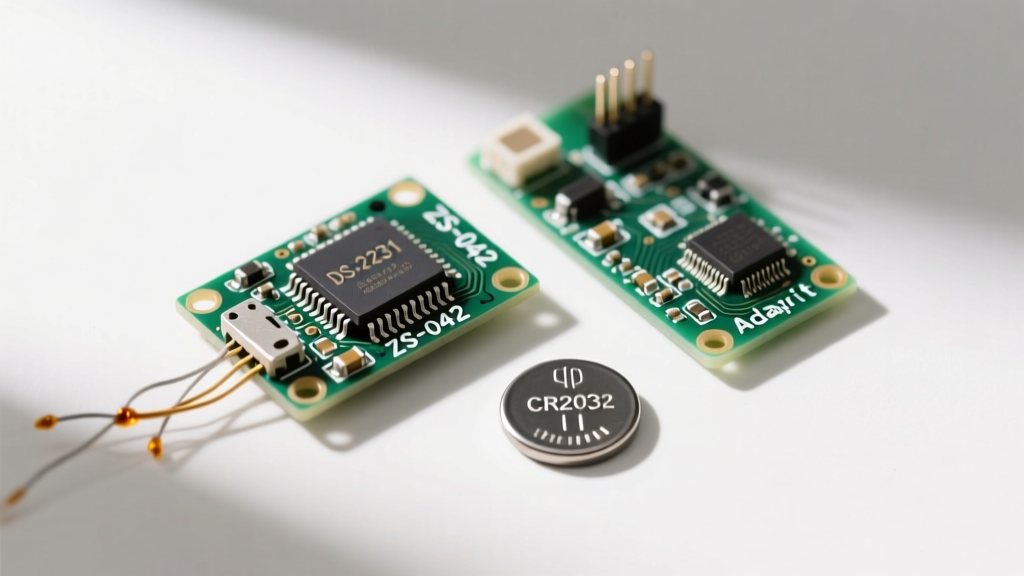
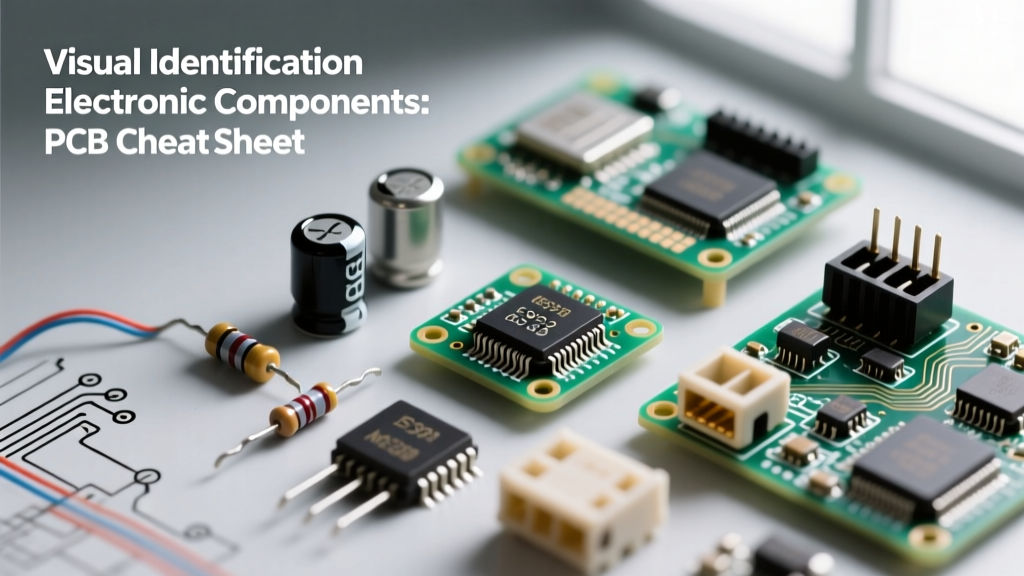
Every electrical engineer and DIY enthusiast eventually faces the same nemesis: the Duckov pile. This colloquial maker-space term describes the sprawling, chaotic mountain of salvaged through-hole resistors, mystery SOIC chips, tangled jumper wires, and half-assembled breakout boards that slowly consumes your workbench. What starts as a temporary 'I will sort this later' box inevitably metastasizes into an unsearchable hoard. In 2026, with surface-mount components shrinking to 0201 imperial sizes and microcontroller modules proliferating, escaping this pile requires more than just shoeboxes and ziplock bags. It demands a systematic, tool-driven approach rooted in lean manufacturing principles.
'A disorganized workspace does not just cost you physical space; it introduces cognitive load and increases the risk of electrostatic discharge (ESD) damage to sensitive ICs.' — ESD Association Fundamentals
To successfully execute an escape from the Duckov pile of electronic components, you must treat the process as a three-phase engineering project: Triage, Containment, and Indexing. Below, we review the exact tools, storage vessels, and methodologies required to reclaim your lab.
Phase 1: Triage and Identification Tools
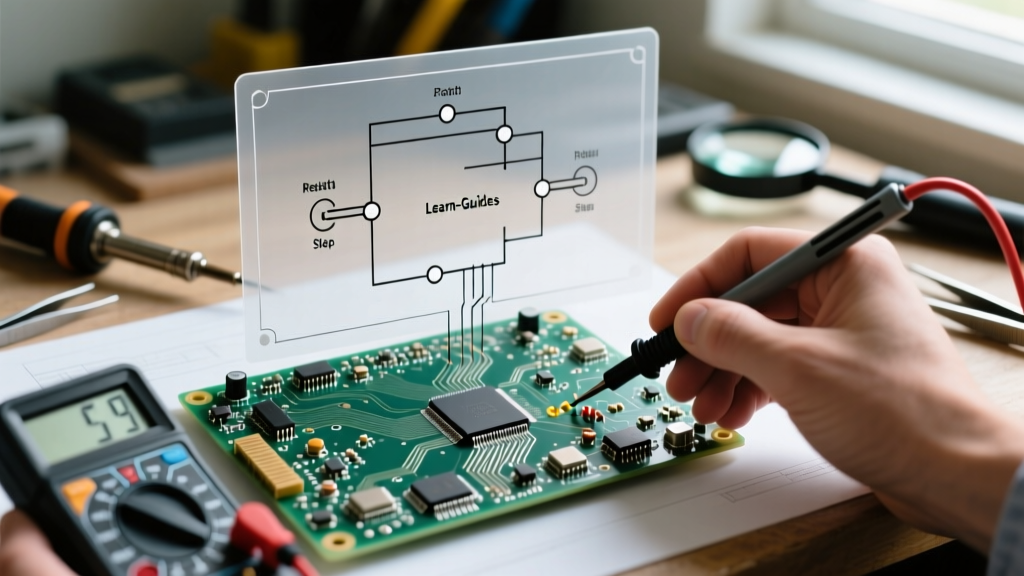
You cannot organize what you cannot identify. The bottom of the Duckov pile is littered with unmarked capacitors and oxidized potentiometers. Before buying storage bins, invest in diagnostic tools to separate functional gold from e-waste.
1. DER EE DE-5000 LCR Meter (Approx. $115)
When dealing with salvaged ceramic and electrolytic capacitors, visual inspection is useless. The DER EE DE-5000 remains the gold standard for bench-top LCR measurements. Unlike cheap multimeters that struggle with low-impedance ceramics, the DE-5000 tests at frequencies up to 100kHz, providing accurate capacitance and ESR (Equivalent Series Resistance) readings. If a salvaged 100µF electrolytic shows an ESR above 2 ohms, it belongs in the trash, not your new organizer.
2. Wiha 3C242SA ESD-Safe Tweezers (Approx. $12.50)
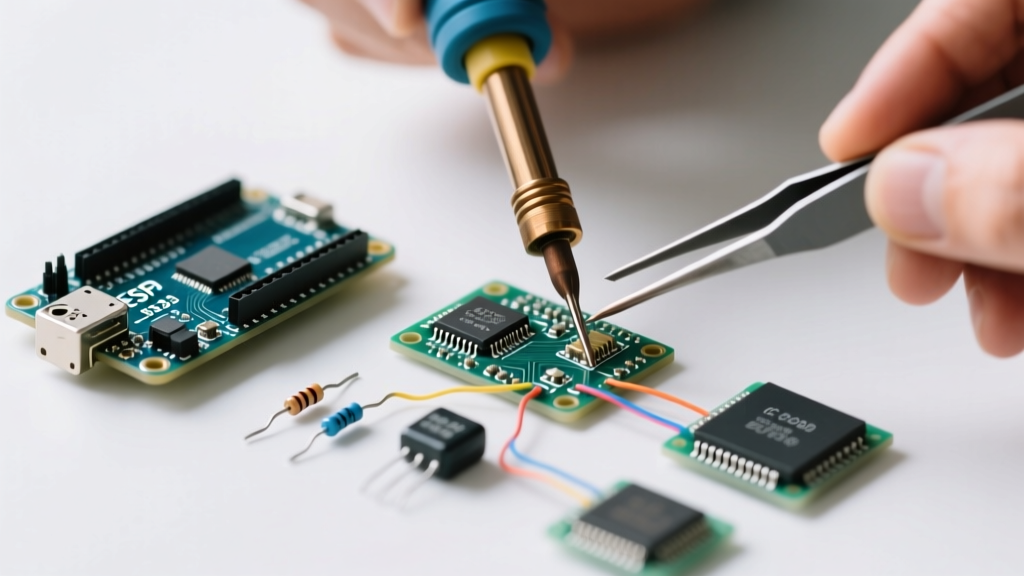
Handling bare ICs and MOSFETs from a chaotic pile introduces severe ESD risks. According to the ESD Association, human body model (HBM) discharges as low as 20 volts can destroy modern nanometer-scale gate oxides. The Wiha 3C242SA features carbon-impregnated PPS plastic, dissipating static charges safely while providing a non-magnetic, non-corrosive grip for sorting 0805 and 0603 SMD components.
Phase 2: Containment Vessels (Storage Matrix)
Once components are tested, they must be housed in environments that prevent oxidation, physical damage, and mixing. We evaluated the top three storage systems currently dominating professional home labs.
| Storage System | Best Use Case | Approx. Cost | Pros | Cons |
|---|---|---|---|---|
| Akro-Mils 10164 (64-Drawer) | Through-hole resistors, LEDs, diodes | $58 - $65 | High density, stackable, clear drawers | Drawers can jam if overfilled; not ESD-safe |
| Really Useful Box (6.5L) + Grid-It | Arduino modules, sensors, dev boards | $22 - $28 | Crush-proof, modular, excellent for bulky items | Requires custom foam cutting or elastic organizers |
| Velleman VTB50 Compartment Box | SMD tape strips, small ICs | $15 - $18 | Adjustable dividers, secure snap-lock lid | Hinges can weaken over time; limited vertical clearance |
Deep Dive: Akro-Mils 10164 vs. The Tackle Box Myth
Many beginners attempt to escape the Duckov pile using cheap fishing tackle boxes. This is a critical error. Tackle boxes utilize hinged lids with large, flexible dividers. When the box is jostled, 1/4-watt resistors easily slip under the dividers, turning a sorted box back into a Duckov pile in seconds. The Akro-Mils 10164 cabinet uses individual, removable drawers with internal card-slot dividers. While the plastic is not inherently anti-static (requiring the use of ESD-safe ziplock bags for sensitive CMOS chips), the physical isolation prevents cross-contamination.
Phase 3: Indexing and the 5S Methodology
Physical storage is only half the battle. To truly maintain your escape from the Duckov pile of electronic components, you must implement a labeling and inventory system. We adapt the ASQ Lean 5S Methodology (Sort, Set in order, Shine, Standardize, Sustain) specifically for electronics workbenches.
The Labeling Workhorse: Brother PT-D210
Forget handwriting labels with a marker; ink fades, and handwriting becomes illegible at 3mm font sizes. The Brother PT-D210 (approx. $38) prints laminated TZe tapes that resist flux splashes, soldering iron burns, and isopropyl alcohol cleaning. For component drawers, use the TZe-231 (12mm Black on White) tape. Print the component value, tolerance, and voltage rating (e.g., '10kΩ 1% 1/4W'). For larger bins, use the 18mm TZe-241 tape.
Digital Inventory: InvenTree and Ki-nTree
For labs with over 2,000 unique SKUs, a digital database is mandatory. In 2026, Ki-nTree integrated with InvenTree has become the open-source standard for component management. InvenTree allows you to assign QR codes to your Akro-Mils drawers. Scanning the drawer with a smartphone instantly reveals stock levels, datasheets, and supplier API links for automated reordering via DigiKey or Mouser.
Ergonomics of the Reclaimed Workbench
Where you place your newly organized components dictates whether the Duckov pile will return. According to research from the Cornell University Ergonomics Web, tools and parts used in more than 80% of tasks should reside in the 'Primary Reach Zone' (a 15-inch radius from your elbows).
- Primary Zone: Daily use SMD resistors (10k, 4.7k, 100Ω), 0.1µF bypass capacitors, and common LEDs.
- Secondary Zone: Specialized ICs, voltage regulators, and inductors.
- Tertiary Zone: Salvaged parts, heavy transformers, and rare breakout boards (stored on high shelves or under-bench racks).
Frequently Asked Questions
How do I handle static-sensitive components in non-ESD drawers?
Never store bare MOSFETs, CMOS logic ICs, or laser diodes directly in standard plastic drawers. The triboelectric effect of sliding a plastic drawer generates localized static fields. Always place these components in metallized static-shielding bags (not just pink anti-static poly bags, which only prevent charge generation but do not shield from external discharges) before placing them in the drawer.
What is the best way to store SMD component tapes?
Do not cut SMD tapes into loose strips. Store them in their original reels if space permits. If you must cut them, use specialized SMD tape storage binders or the Velleman VTB50 with dividers adjusted to hold the tape width (8mm, 12mm, or 16mm). Always leave the leader strip intact and fold the cover tape back securely to prevent parts from spilling.
Final Verdict: Sustaining the Escape
Escaping the Duckov pile of electronic components is not a weekend chore; it is a fundamental shift in your engineering workflow. By investing in diagnostic triage tools like the DER EE LCR meter, utilizing high-density isolation storage like the Akro-Mils 10164, and enforcing a strict labeling protocol with the Brother PT-D210, you transform a chaotic hoard into a high-efficiency manufacturing cell. The upfront cost of roughly $150 to $200 in organization tools pays for itself the first time you locate a specific 0805 decoupling capacitor in three seconds rather than thirty minutes.