
The DIY vs Professional Wiring Divide: Where to Draw the Line
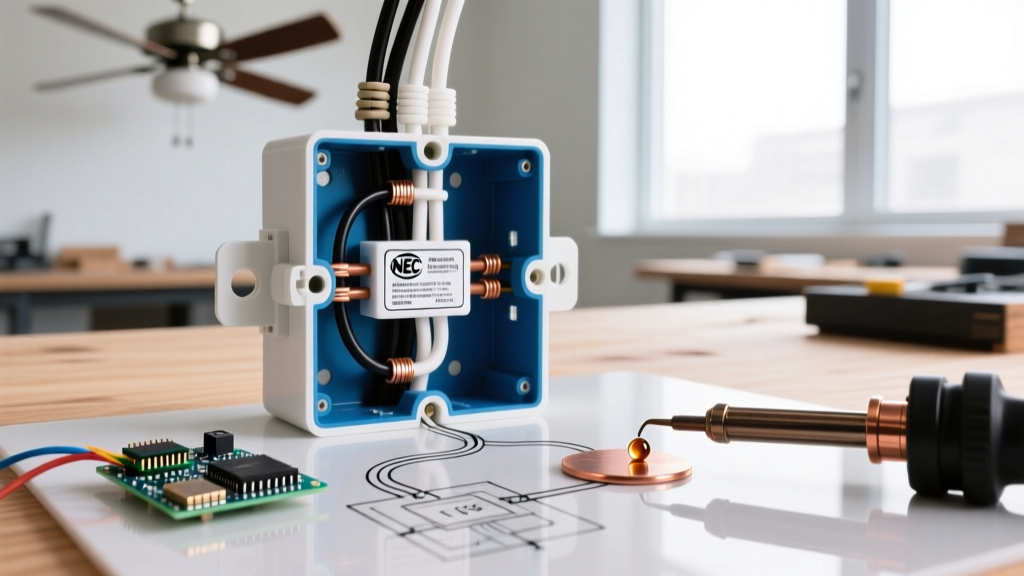
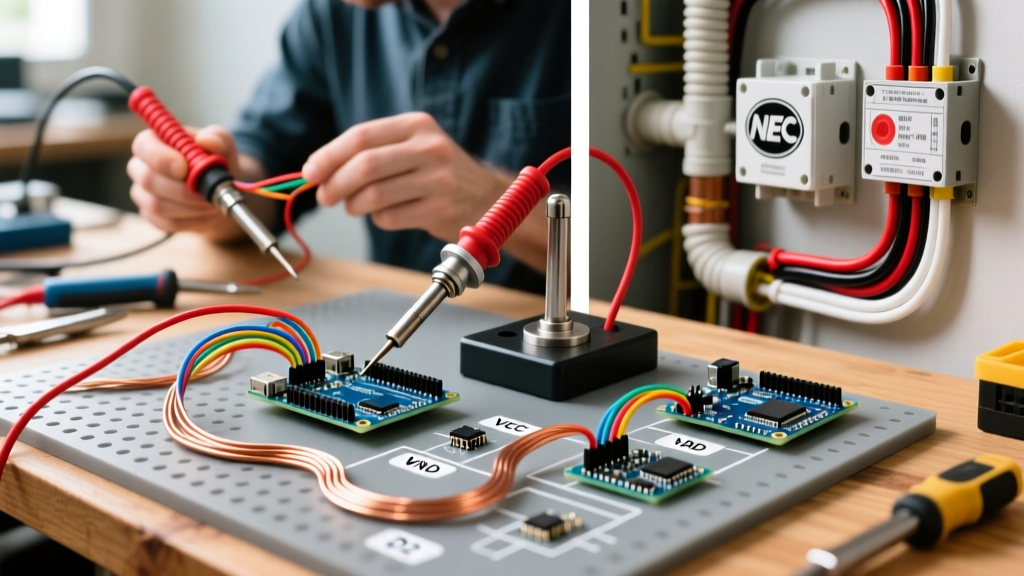
Understanding the different types of electrical wiring is the first critical step in any electrical project. However, knowing what a cable is called is vastly different from knowing how to install it to code, safely and legally. As we navigate the 2026 landscape of residential and commercial electrical work, the line between a safe DIY project and a code-violating hazard often comes down to the specific cable type, the environment, and the installer's grasp of the National Electrical Code (NEC).
This analysis breaks down the most common wiring types—NM-B, THHN/THWN-2, UF-B, and Metal Clad (MC)—evaluating them through the lens of DIY feasibility versus professional execution. We will examine real-world failure modes, exact material costs, and the specific NEC articles that govern their use.
Quick Reference Matrix: Wiring Types & Installation Viability
| Wire Type | NEC Article | DIY Viability | 2026 Avg Cost (per ft) | Primary Application |
|---|---|---|---|---|
| NM-B (Romex) | Art. 334 | High (Exposed/Accessible) | $0.45 - $0.55 | Interior residential branch circuits |
| THHN/THWN-2 | Art. 310 | Low (Requires Conduit) | $0.35 (wire only) | Commercial, conduit runs, panel feeds |
| UF-B | Art. 339 | Moderate (Trenching) | $1.10 - $1.30 | Underground direct burial, outbuildings |
| MC (Metal Clad) | Art. 330 | Very Low (Specialized Tools) | $1.60 - $2.10 | Commercial, high-end residential, exposed |
Non-Metallic Sheathed Cable (NM-B): The DIY Staple
Commonly referred to by the brand name Romex (specifically Southwire's SIMpull line), NM-B is the undisputed king of residential interior wiring. It consists of two or more insulated conductors and a bare copper ground, wrapped in a flexible PVC jacket.
Where DIYers Succeed
NM-B is highly forgiving for DIYers running new circuits in unfinished basements, attics, or during open-wall remodels. The flat profile makes it easy to staple, and the outer jacket provides a built-in ground wire and physical protection. For a standard 20-amp receptacle circuit, 12/2 NM-B is the standard. A 250-foot coil of 12/2 NM-B costs approximately $125 in 2026, making it highly cost-effective for homeowners.
Where DIYers Fail: Ampacity Derating and Securing
The most common DIY failure mode with NM-B involves ampacity derating. According to NEC 334.80, if you bundle more than three 12/2 or 14/2 cables together through a single bored hole in a framing member, the heat generated cannot dissipate. You must derate the ampacity using Table 310.15(C)(1). DIYers often stuff five or six cables through a single top-plate hole, inadvertently creating a fire hazard because the 20A breaker will not trip before the bundled wires overheat.
Furthermore, NEC 334.30 mandates that NM-B must be secured within 8 inches of every electrical box and at intervals not exceeding 4.5 feet. DIYers frequently leave long, unsupported runs drooping across floor joists, which violates code and risks physical damage.
Pro Insight: While the THHN conductors inside NM-B are rated for 90°C, NEC 110.14(C) dictates that termination ampacities for standard residential breakers and receptacles are limited to the 60°C column. You cannot use the 90°C rating to upsize your breaker.
THHN/THWN-2 in Conduit: The Professional's Domain
THHN (Thermoplastic High Heat-resistant Nylon-coated) wires are single conductors. They cannot be run exposed; they must be pulled through a raceway, such as EMT (Electrical Metallic Tubing), PVC, or flexible metal conduit.
The Conduit Fill and Bending Math
This is where the DIY vs Pro divide widens significantly. Installing THHN requires a deep understanding of NEC Chapter 9, Table 1, which limits conduit fill to 40% when pulling three or more wires. A professional electrician uses a conduit fill calculator to ensure they aren't jamming wires, which can strip the fragile nylon coating off the THHN during the pull.
Bending EMT conduit requires precision. Using a tool like the Greenlee 881 mechanical bender, a pro calculates the exact take-up and shrinkage for offset and saddle bends to ensure the conduit lays perfectly flush against the framing. DIYers attempting this with cheap hand benders often end up with kinked conduit, which violates NEC 358.24 (no damage to conduit) and makes future wire pulling impossible.
Cost and Labor Realities
While 12 AWG THHN wire is cheap (around $0.35 per foot), the ancillary costs add up quickly. EMT conduit costs roughly $2.50 per 10-foot stick, plus couplings, straps, and pulling compound (like Ideal 31-091). For a 100-foot run, material costs approach $150, but the labor to bend, mount, and pull the wires makes this a strictly professional job for most homeowners. The risk of nicking wire insulation inside a metal conduit, leading to a ground fault that is nearly impossible to diagnose without a megohmmeter, is too high for amateur installers.
Underground Feeder (UF-B): Navigating the Gray Area
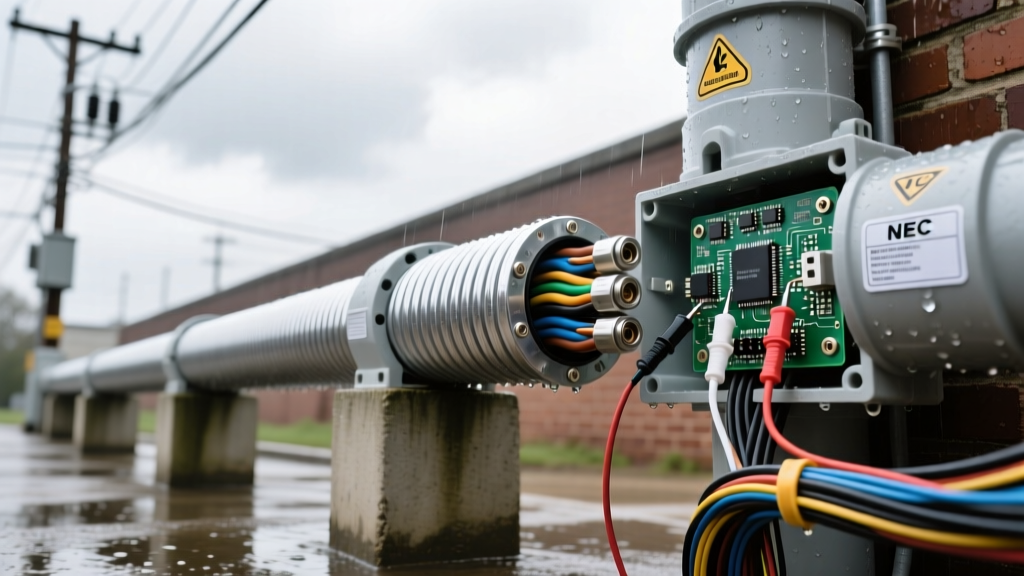
UF-B cable looks similar to NM-B but features a solid, moisture-resistant PVC jacket that encases the individual conductors. It is rated for direct burial without the need for conduit.
Trenching Depths and Warning Tape
DIYers frequently use UF-B to power detached sheds, landscape lighting, or pool equipment pads. The primary code requirement here is burial depth. According to NEC 339.3 and Table 300.5, UF-B cable rated for 120V and protected by a GFCI breaker must be buried at least 12 inches deep. If it is not GFCI protected, or if it's a standard 20A circuit without GFCI, it must be buried 24 inches deep.
The most common DIY mistake is failing to install underground warning tape. Code requires a warning ribbon (usually bright red or yellow) to be placed in the trench exactly 12 inches above the buried cable. This ensures that anyone digging in the area with a shovel years later will hit the plastic tape before striking the live cable.
When to Call a Pro: The Transition Points
While digging the trench and laying the UF-B is a viable DIY task, the transition points—where the cable emerges from the ground and enters the main panel or subpanel—require professional expertise. NEC 339.3 requires that UF-B emerging from the ground be protected by conduit (like Schedule 80 PVC) up to a height of at least 8 feet. Properly sealing the conduit to prevent water ingress into the panel using duct seal compound is a detail DIYers routinely miss, leading to catastrophic panel corrosion over time.
Metal Clad (MC) Cable.Commercial Grade and High-End Residential
MC cable features insulated conductors wrapped in an interlocking aluminum or steel armor. It is heavily used in commercial construction and increasingly in high-end residential builds where fire resistance and physical protection are paramount.
The Grounding Misconception
Standard MC cable relies on the metal armor and an internal bare copper bonding strip for grounding. However, cutting MC cable without damaging the internal conductors requires specialized tools, such as the Klein Tools 53726
Furthermore, standard MC requires the installation of anti-short bushings (often called 'red heads') at every termination to protect the wires from the sharp cut edges of the armor. A newer variant, MC-AP (Armor Protected), features a full-sized, green-insulated equipment grounding conductor, eliminating the reliance on the armor for grounding and allowing for faster terminations. Understanding the difference between standard MC and MC-AP is a hallmark of professional electrical knowledge. In 2026, the national average hourly rate for a licensed electrician ranges from $95 to $160 per hour, depending on the region and union status. When evaluating whether to DIY a wiring project, consider the hidden costs of failure: Yes, you can transition from NM-B to THHN inside an accessible junction box. However, the box must be sized correctly according to NEC 314.16 box fill calculations. Every wire, clamp, and device strap takes up cubic inches of space. Overcrowding a box is a severe fire hazard and an immediate code violation. In most jurisdictions, homeowners can pull an 'owner-builder' permit for electrical work on their primary residence, provided they pass the rough-in and final inspections. However, you cannot legally perform this work on a rental property or a home you intend to flip immediately. Always check with your local Authority Having Jurisdiction (AHJ), as some cities strictly prohibit DIY electrical work beyond simple fixture swaps. For more on workplace and residential safety standards, refer to the OSHA electrical safety guidelines. While NM-B is allowed in unfinished basements, it must be protected from physical damage. If running wires along the face of studs or joists where they could be bumped or used to hang items, professionals recommend using MC cable or running THHN inside EMT conduit. The National Fire Protection Association (NFPA) emphasizes that physical protection of the cable jacket is paramount in exposed environments to prevent accidental arc faults.Cost vs. ROI: When to Hire a Licensed Electrician
Frequently Asked Questions (FAQ)
Can I mix NM-B and THHN in the same junction box?
Is it legal for a homeowner to pull their own electrical permit?
What is the safest type of wiring for an unfinished basement?