
The True Cost of Choosing the Wrong Electrical Wiring Types
When planning a residential or light commercial electrical project, selecting the correct cable is only the first step. The real divide between a successful installation and a catastrophic failure lies in the execution. In 2026, with copper prices stabilizing around $4.10 per pound and the National Electrical Code (NEC) enforcing stricter thermal and arc-fault regulations, understanding the practical differences between electrical wiring types from a DIY versus professional perspective is critical. According to the U.S. Fire Administration, electrical malfunctions remain a leading cause of residential fires, often stemming from improper wire selection, poor termination practices, or ignoring environmental ratings.
This analysis breaks down the most common electrical wiring types, comparing material costs, installation complexities, and the hidden risks that separate amateur attempts from professional-grade workmanship.
Non-Metallic Sheathed Cable (NM-B / 'Romex')
NM-B cable is the undisputed king of interior residential wiring. Encasing two or more insulated conductors and a bare copper ground wire in a flexible PVC jacket, it is designed for dry, protected environments. In 2026, a 250-foot roll of 12/2 NM-B (rated for 20 amps) costs between $140 and $165, while 14/2 (15 amps) hovers around $115 to $130.
The DIY Perspective
DIYers favor NM-B because it requires minimal specialized tooling. A standard $25 Klein Tools 11055 wire stripper and a heavy-duty stapler are sufficient for basic runs. However, the most common DIY failure mode with NM-B is improper physical protection. Amateurs frequently route cables through framing studs without installing steel nail plates when the wire is less than 1.25 inches from the stud edge, violating NEC 300.4. When a drywall installer later drives a screw through the PVC jacket and into the current-carrying conductor, it creates a high-resistance series arc fault that standard breakers will not trip.
The Professional Standard
Professional electricians treat NM-B as a rough-in material that must be meticulously secured. Pros use dedicated cable staplers (like the Southwire Romex stapler) to ensure the PVC jacket is compressed just enough to hold the cable without crushing the internal insulation. Furthermore, professionals strictly avoid using NM-B in exposed basement ceilings or commercial drop ceilings, where physical damage is likely, opting instead for protected alternatives.
THHN/THWN-2 in Conduit
Thermoplastic High Heat-resistant Nylon-coated (THHN) wire, which also carries a THWN-2 rating for wet locations, consists of individual conductors pulled through rigid metal, intermediate metal, or PVC conduit. It is rated for 90°C in dry locations and 75°C in wet locations.
The DIY Perspective
While individual THHN wires are cheaper per foot than NM-B (roughly $0.45 per foot for 12 AWG in 2026), the total system cost skyrockets when factoring in EMT conduit, couplings, and fittings. More importantly, the skill barrier is immense. DIYers routinely struggle with conduit bending. Attempting to bend 3/4-inch EMT without a calibrated bender (like a Greenlee 881) often results in kinked pipes, making wire pulling impossible. Additionally, amateurs often exceed the NEC 310.15 fill capacity limits, cramming too many wires into a single conduit, which prevents heat dissipation and leads to insulation meltdown.
The Professional Standard
For commercial builds, exterior runs, and exposed interior walls, professionals rely on THHN in conduit. Master electricians calculate exact conduit fill percentages and use specialized pulling lubricants (like Polywater J) to reduce friction tension during long pulls. The result is a highly durable, upgradeable system where wires can be pulled out and replaced decades later without tearing open walls.
Underground Feeder (UF-B)
UF-B cable features a solid gray PVC sheath where the plastic completely fills the interstices between the conductors, making it impervious to moisture and suitable for direct burial without a conduit sleeve.
DIY vs. Professional Trenching and Burial
A 250-foot roll of 12/2 UF-B costs approximately $185 to $210. The primary divergence between DIY and professional installation lies in burial depth and GFCI integration. The NEC mandates that direct burial cables must be installed at least 24 inches deep. If the circuit is protected by a GFCI device and limited to 120 volts and 20 amps, the depth can be reduced to 12 inches. DIYers frequently guess the depth or fail to install the required warning ribbon 12 inches above the cable. Professionals use trenching equipment to guarantee exact depths and always install GFCI protection at the source breaker to maximize safety and code compliance.
Metal-Clad (MC) Cable
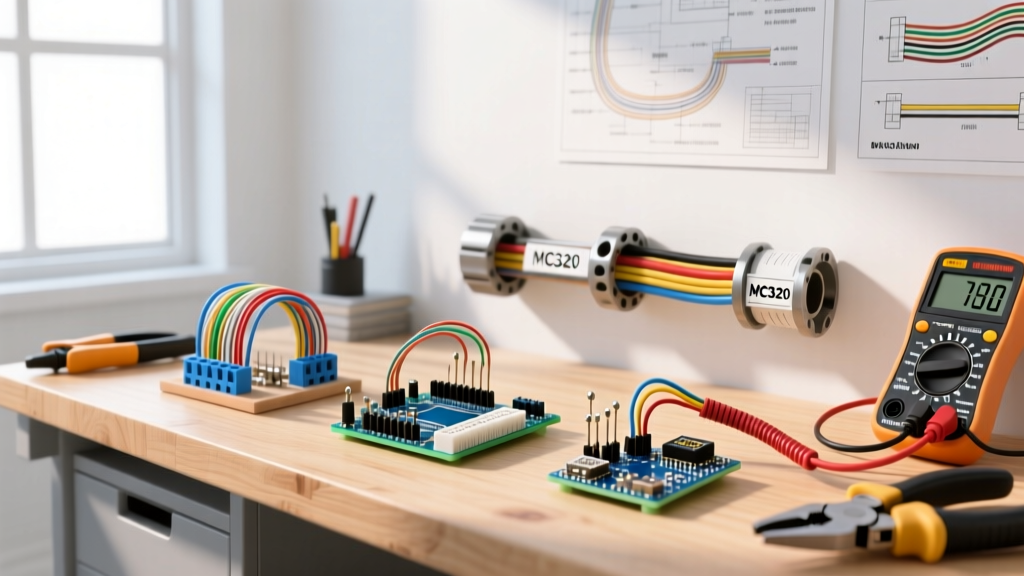
MC cable features an interlocked aluminum or steel armor jacket containing THHN/THWN-2 conductors and a green insulated equipment grounding conductor. It bridges the gap between the flexibility of NM-B and the physical protection of rigid conduit.
The Cutting Edge: A Classic DIY Failure Point
MC cable is increasingly popular in high-end residential and multi-family construction in 2026, costing around $220 per 250-foot roll for 12/2. The most critical difference in handling MC cable is how it is terminated. DIYers often use standard diagonal cutters or hacksaws to cut the armor, which almost guarantees nicking the inner THHN insulation or the grounding wire. This creates a hidden short circuit or a compromised ground path. Professionals use specialized MC cable cutters (such as the Klein Tools 53716) or snap-off blade techniques that score the armor without touching the internal conductors, ensuring a flawless termination every time.
Comparative Analysis Matrix
| Wiring Type | Avg Cost (250ft, 12AWG) | DIY Viability | Professional Use Case | Primary NEC Article |
|---|---|---|---|---|
| NM-B (Romex) | $140 - $165 | High (Interior Residential) | Concealed residential framing | Article 334 |
| THHN in EMT | $115 (wire only) + $300 (conduit) | Low (Requires bending/pulling) | Commercial, exposed, wet locations | Article 300 & 358 |
| UF-B | $185 - $210 | Moderate (Trenching required) | Direct burial, exterior feeders | Article 339 |
| MC Cable | $210 - $240 | Low (Specialized cutting tools) | Multi-family, commercial, exposed | Article 330 |
The Hidden Variable: Termination Torque and Thermal Runaway
Beyond selecting the correct electrical wiring types, the termination process is where DIY projects most frequently fail modern safety standards. Under NEC 110.14(D), electrical equipment terminations must be tightened to the manufacturer's specified torque.
Industry Insight: A loose connection at a breaker lug increases electrical resistance. According to Joule's Law (P = I²R), this resistance generates intense localized heat. Over months of thermal cycling, the wire insulation becomes brittle, eventually leading to a phase-to-ground arc fault or a localized fire inside the panel.
Professional electricians in 2026 carry calibrated torque screwdrivers (like the Wiha 28501 or Milwaukee 48-22-4005) to ensure every lug is tightened to the exact inch-pound specification printed on the breaker label. DIYers almost universally use standard screwdrivers, relying on 'feel' or 'tightening until it stops.' This practice is a leading cause of thermal runaway in residential panels and is a primary reason why the Occupational Safety and Health Administration (OSHA) and local inspectors heavily scrutinize panel terminations during final walkthroughs.
Insurance, Permitting, and the DIY Penalty
Choosing to install electrical wiring types without pulling a municipal permit might save $150 to $400 in permit fees initially, but it introduces massive financial risk. If an unpermitted DIY electrical modification is discovered after a fire, home insurance providers frequently deny the claim, citing material misrepresentation or negligence. Furthermore, when selling the home, unpermitted electrical work can derail inspections, forcing the homeowner to hire a licensed electrician to tear out the DIY work, pull retroactive permits, and reinstall the wiring to current 2026 code standards—a process that often costs 300% more than hiring a professional from the start.
When to Call a Professional
- Panel Upgrades and Subpanels: Any work involving the main service disconnect or calculating continuous vs. non-continuous loads requires professional engineering.
- AFCI/GFCI Integration: Modern combination Arc-Fault Circuit Interrupters are highly sensitive to shared neutrals and improper grounding. Miswiring these devices causes endless nuisance tripping that amateurs struggle to diagnose.
- Conduit Bending and Wire Pulling: If your project requires more than two 90-degree bends in EMT conduit, the physical pulling tension requires professional calculation and equipment.
Final Verdict
Understanding the physical and environmental properties of various electrical wiring types is essential, but knowledge of the material does not equate to mastery of the installation. While DIYers can successfully run NM-B cable for simple, single-room additions (provided they adhere strictly to nail plate and stapling codes), complex routing, conduit work, and panel terminations demand the specialized tools and code fluency of a licensed electrician. Always consult the latest NFPA National Electrical Code guidelines and your local authority having jurisdiction (AHJ) before energizing any new circuit.