
The True Cost of Electric Fence Wiring in 2026
Estimating the cost of electric fence wiring requires moving beyond simple per-foot calculations. Whether you are containing livestock, protecting a commercial perimeter, or managing wildlife intrusion, the financial outlay depends heavily on the interplay between your energizer output, wire conductivity, and the often-overlooked grounding infrastructure. In 2026, supply chain stabilization has normalized the pricing of high-tensile steel and copper-clad components, but advanced smart-energizers with Bluetooth and Wi-Fi monitoring have introduced new premium tiers to the market.
This comprehensive cost estimation guide breaks down the exact material costs, labor rates, and hidden expenses associated with modern electric fence wiring, ensuring your project stays on budget and performs reliably under heavy vegetation loads.
Core Material Cost Breakdown by Component
The table below outlines the baseline material costs for a standard agricultural or security perimeter setup. Prices reflect Q1 2026 market averages for high-quality, commercial-grade components.
| Component | Specification / Model Example | Unit Cost (2026) | Cost per 1,000 Linear Ft |
|---|---|---|---|
| Energizer (Mains) | Gallagher M5800i (5.8 Stored Joules) | $385.00 | $385.00 (1 unit) |
| Energizer (Solar) | Zareba 15-Mile Solar (1.5 Output Joules) | $260.00 | $260.00 (1 unit) |
| Wire (High-Tensile) | 12.5 Gauge, Class 3 Galvanized | $68.00 / 4,000 ft spool | $17.00 (per strand) |
| Wire (Polytape) | 1.5-inch Turbo Polytape, 9-strand | $75.00 / 1,312 ft roll | $57.16 (per strand) |
| Insulators | Gallagher Ring Top Wood Post | $0.18 / each | $2.16 (12 ft spacing) |
| Grounding Rods | 5/8" x 8' Copper-Clad Steel | $28.50 / each | $85.50 (3-rod system) |
| Lightning Arrester | Gallagher 50kA Lightning Diverter | $48.00 | $48.00 (1 unit) |
Energizer Sizing: The Heart of the Wiring System
The most common budgeting mistake in electric fence wiring is undersizing the energizer. Energizers are rated in output joules, not just "miles of fence." Vegetation contact, wire resistance, and poor grounding all drain joules from the system.
Sizing Framework for 2026
- Light Vegetation / Clean Perimeter: 1 joule per 10 miles of wire.
- Moderate Vegetation / Livestock Containment: 1 joule per 3 to 5 miles of wire.
- Heavy Vegetation / Wildlife (Deer/Predator) Exclusion: 1 joule per 1 to 2 miles of wire.
Wire Types: Conductivity vs. Visibility
Choosing the right wire impacts both your initial budget and long-term maintenance costs. Below is a structural comparison of the three primary wiring mediums used in modern installations.
1. High-Tensile Steel Wire (12.5 or 14 Gauge)
- Pros: Extremely low electrical resistance, 40+ year lifespan, lowest cost per foot, handles high-tension spans up to 1/4 mile with proper in-line strainers.
- Cons: Low visibility to wildlife and humans, requires specialized crimping sleeves (never knot high-tensile wire, as it compromises the zinc galvanization and causes snap-back hazards).
- Best For: Permanent agricultural perimeters, cattle and horse containment (when spaced correctly).
2. Polytape and Polyrope
- Pros: High visibility, easy to splice by hand, integrates stainless steel or tinned copper filaments for conductivity.
- Cons: High wind load (acts like a sail), UV degradation limits lifespan to 5-10 years, significantly higher cost per foot.
- Best For: Equine facilities, temporary rotational grazing, psychological barriers for deer.
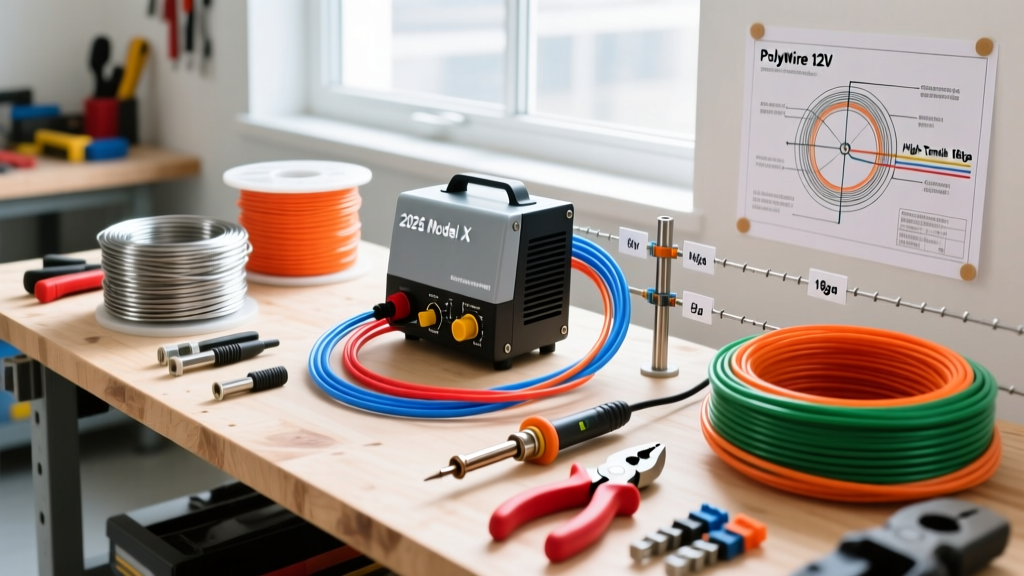
3. Polywire
- Pros: Ultra-cheap, lightweight, ideal for daily moves.
- Cons: High electrical resistance (voltage drops severely after 1,000 feet), fragile, easily snapped by wildlife.
- Best For: Short-term interior cross-fencing, strip-grazing.
Labor and Installation Estimates
If you are contracting out the installation, professional fencing contractors in 2026 typically charge between $3.50 and $7.50 per linear foot for a complete high-tensile electric fence installation, including driving wooden or T-posts, stringing wire, and setting the energizer.
For a 5-acre square perimeter (approximately 1,866 linear feet), expect professional labor and material packages to range from $6,500 to $14,000. DIY installation reduces this cost by roughly 60%, but requires specialized tools like a come-along, wire tension meter, and a heavy-duty post pounder or hydraulic driver.
The Grounding System: Where Budgets and Systems Fail
According to agricultural extension data, over 85% of electric fence wiring failures are traced back to inadequate grounding. The electrical circuit must travel through the animal, into the soil, and back to the energizer's ground rods. If the soil is dry, rocky, or frozen, the circuit fails.
Code and Best Practice Requirements
While low-voltage fence wiring is largely exempt from standard National Electrical Code (NEC) wiring methods, the mains power supply and grounding electrode systems must adhere to safety standards. The NFPA 70 (NEC) Article 250 provides the baseline for grounding electrodes. Furthermore, energizers must be listed under UL 69 (Standard for Electric Fence Controllers).
The 3-Rod Minimum Rule: Every energizer must have a minimum of three 8-foot copper-clad steel ground rods. They must be spaced at least 10 feet apart and connected with a continuous, insulated copper ground wire (minimum 10 AWG) using heavy-duty brass or bronze clamps. Never use aluminum clamps on copper or steel; galvanic corrosion will destroy the connection within a single season.
Hidden Costs and Edge Cases
When building your budget, ensure you allocate funds for these frequently forgotten components:
- Lightning Arrestors ($45 - $65): A direct or nearby lightning strike will instantly fry a $400 smart-energizer. Install a 50kA diverter between the fence lead-out cable and the ground system.
- Gate Handles and Under-Gate Cables ($20 - $80 per opening): Crossing a driveway requires burying high-voltage insulated lead-out cable at least 12 inches deep to prevent crushing.
- Weed Burn-Off Systems ($150+): For organic farms or areas where chemical herbicides cannot be used under the fence line, specialized high-frequency weed burners are required to prevent vegetation from shorting out the wiring.
- Fault Finders ($80 - $250): A digital fault finder is mandatory for troubleshooting. Walking 5 miles of fence to find a broken insulator is a massive waste of labor time.
Step-by-Step Cost Scenario: 5-Acre Perimeter (1,866 Linear Feet)
Let us model a realistic DIY budget for a permanent 5-strand high-tensile electric fence designed for cattle containment with moderate weed pressure.
- Energizer: Gallagher M2800i (2.8 Joules) = $240
- Wire: 5 strands x 1,866 ft = 9,330 ft total. (3 spools of 4,000 ft 12.5ga wire @ $68) = $204
- Posts: 155 wooden line posts (12ft spacing) @ $8.50 = $1,317
- Corner/Brace Assemblies: 4 corners + 2 gates (6 assemblies @ $120 materials) = $720
- Insulators & Hardware: Crimps, springs, ring insulators, tensioners = $180
- Grounding & Protection: 3 ground rods, clamps, lightning arrester, lead-out cable = $145
- Total Estimated DIY Material Cost: $2,806 (Approx. $1.50 per linear foot)
Common Wiring Mistakes That Destroy Your Investment
Avoid these critical errors that lead to voltage drops and safety hazards:
- Using Barbed Wire as a Carrier: Never electrify barbed wire. It violates safety standards and poses a lethal entanglement risk to livestock and wildlife. Always use smooth high-tensile wire.
- Looping or Knotting Wire: Tying a knot in high-tensile wire creates a stress point that will eventually snap. Always use approved galvanized crimping sleeves and a dedicated crimping tool.
- Mixed Metal Connections: Connecting bare copper wire directly to galvanized steel posts or aluminum components causes rapid electrolytic corrosion. Always use appropriate insulators and bimetallic connectors.
Frequently Asked Questions
Can I use standard Romex or THHN wire for the fence line?
No. Standard household wiring is not rated for the high-voltage, low-amperage pulses (up to 10,000 volts) generated by modern energizers. The insulation on THHN or Romex will quickly break down under UV exposure and high-voltage arcing. You must use specialized, UV-stabilized polyethylene insulated lead-out cable for any buried or enclosed wiring runs.
How deep should I bury the under-gate wiring?
Under-gate cables should be buried a minimum of 12 inches deep in standard soil, and up to 18 inches in areas subject to deep frost heaves or heavy vehicular traffic. Always run the cable through a PVC or heavy-duty HDPE conduit to protect it from shifting rocks and crush damage.
Does a solar energizer save money long-term?
While solar units save on trenching electrical conduit to a distant barn, the initial cost of a high-quality solar panel and deep-cycle AGM or Lithium battery setup often equals the cost of running a dedicated 120V underground branch circuit. For remote corners of a property, solar is ideal; for the main barn area, hardwired 120V systems offer superior reliability and lower 10-year maintenance costs.
For further technical specifications on agricultural fencing standards and cost-share programs, consult the USDA NRCS Fencing Guidelines or review product engineering sheets from major manufacturers like Gallagher Fencing Systems.