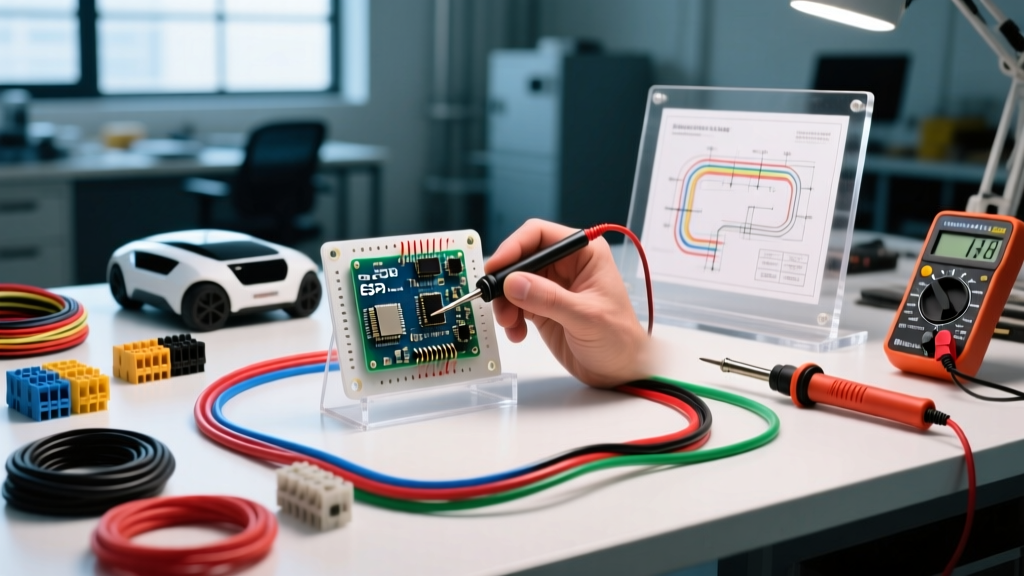

Bridging the Gap: The Prosumer Shift in Autonomous EV Wiring
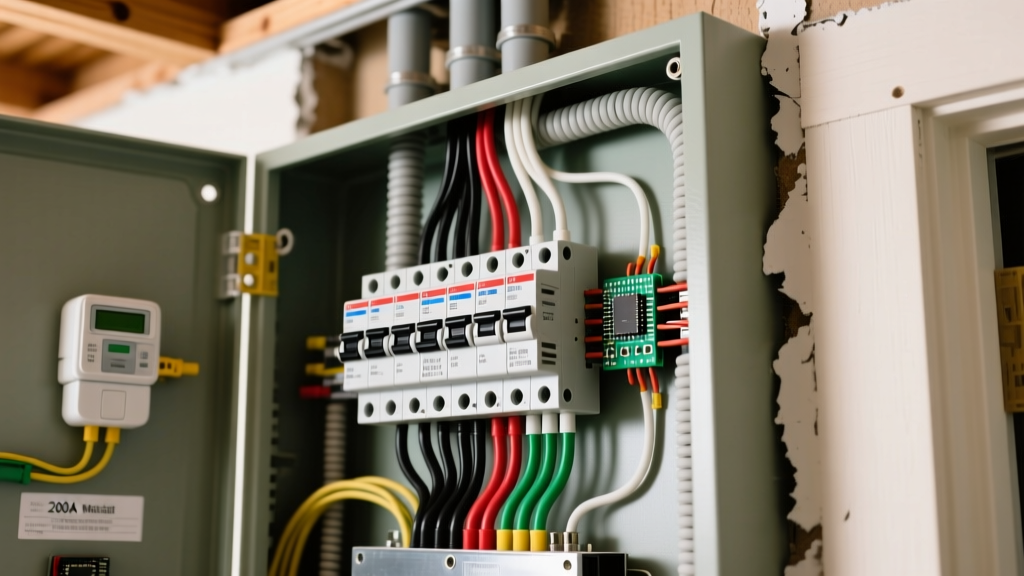
For years, the electric autonomous vehicles wiring harness market was an exclusive domain, locked behind OEM NDAs, tier-one supplier contracts, and million-dollar R&D budgets. However, as we move through 2026, a massive shift has occurred. The proliferation of open-source autonomous driving stacks (like Apollo and Autoware) and the booming DIY EV conversion community have forced the market to open up. Today, home garage builders retrofitting classic cars with Advanced Driver Assistance Systems (ADAS) or engineering custom autonomous property rovers can finally access commercial-grade wiring harnesses, high-speed data cables, and high-voltage traction looms.
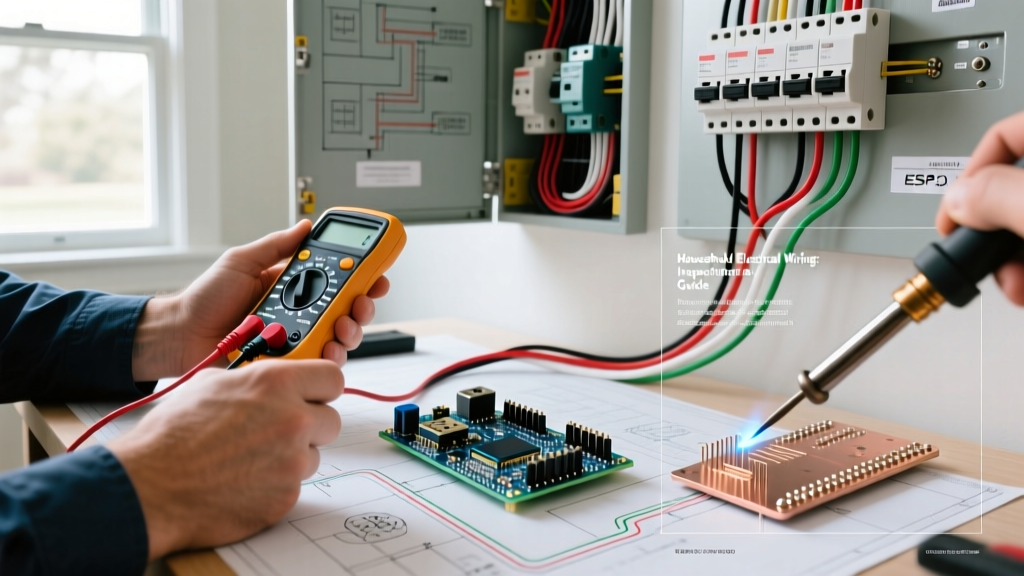
Understanding this market is no longer just for procurement managers at major automakers. For the serious home electrical DIYer, knowing how to navigate surplus channels, identify automotive-grade connectors, and properly route shielded sensor cables is the difference between a reliable autonomous build and a dangerous, EMI-riddled failure.
2026 Market Sourcing Matrix for Home Builders
When planning your home project—whether it is an autonomous golf cart, a retrofitted EV with lane-keep assist, or a heavy-duty robotic tractor—you must choose the right harness tier. The table below breaks down the current market landscape for prosumers.
| Source Type | Avg. Cost (2026) | Lead Time | Best Application | Key Connector Types |
|---|---|---|---|---|
| OEM Surplus / Salvage | $150 - $450 | 1 - 3 Weeks | Budget EV conversions, harvesting ADAS sensors | TE Connectivity, Molex MX150, FAKRA Z |
| Custom Aftermarket | $1,200 - $3,800 | 4 - 8 Weeks | Full custom autonomous rovers, clean-room builds | AMPSEAL, H-MTD, Amphenol SurLok Plus |
| Universal Modular Kits | $300 - $800 | In Stock | Prototyping, low-speed autonomous mowers | Deutsch DT, Superseal 1.5, FAKRA B |
Deep Dive: Sensor and High-Speed Data Harnesses
Autonomous systems live and die by data latency and signal integrity. Unlike standard 12V automotive wiring, the harnesses connecting LiDAR arrays, 8-megapixel vision cameras, and millimeter-wave radar require specialized high-frequency shielding. The electric autonomous vehicles wiring harness market has standardized around a few critical connector families that DIYers must learn to crimp and terminate.
H-MTD and FAKRA Z Connectors
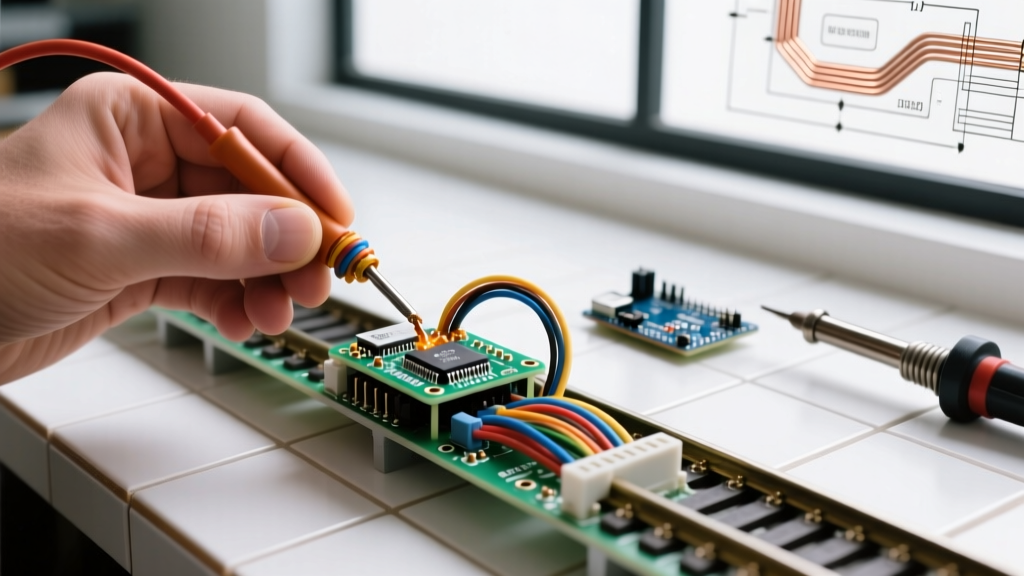
For high-speed Ethernet (1000BASE-T1) used in modern LiDAR and camera arrays, H-MTD connectors are the 2026 industry standard. They support up to 20 GHz and feature a 360-degree shielded termination. If you are building a custom harness, you will need specialized crimping tools, such as the TE Connectivity H-MTD hand crimp tool (Part # 2348173-1), which retails for roughly $650. While expensive, it is mandatory for preventing impedance mismatches that cause packet loss in your autonomous vision stack.
For older or budget-friendly builds using coaxial GPS and radar lines, FAKRA Z (Z-code) connectors remain prevalent. They are color-coded, keyed to prevent mis-mating, and relatively easy to terminate at home using standard RG-174 or RG-316 coaxial cable.
Expert Tip: EMI and Ground Loops
The inverters in EV conversions generate massive electromagnetic interference (EMI). If your sensor harness shielding is grounded at both the sensor end and the ECU end, you will create a ground loop, introducing high-frequency noise that will blind your ADAS system. Always follow the OEM practice of pigtail grounding or draining the shield to the chassis at only one point, typically near the central compute module.
High-Voltage Traction Harnesses: Safety and Sourcing
While data harnesses handle the "brains" of your autonomous project, the high-voltage (HV) traction harness handles the muscle. In 2026, standard EV battery packs operate between 400V and 800V DC. The market for HV harnesses is strictly regulated, but surplus components are available to home builders who know what to look for.
Orange Sheathing and Touch-Safe Terminals
By global ISO and SAE standards, all HV wiring must be encased in bright orange braided sleeving or insulation. For home projects, never use standard PVC wire for HV DC. You must source XLPE (Cross-Linked Polyethylene) insulated cable, typically 2/0 AWG or 4/0 AWG, rated for 1000V and 125°C.
For the terminations, the Amphenol SurLok Plus series dominates the prosumer market. These touch-safe, single-pole connectors feature an integrated HVIL (High Voltage Interlock Loop). The HVIL is a low-voltage circuit that runs through the HV connectors; if a plug is pulled out, the HVIL breaks, instantly signaling the battery management system (BMS) to open the main contactors before the high-voltage pins disconnect. Bypassing the HVIL in a home build is a fatal mistake; always wire the HVIL loop directly into your contactor control circuit.
Step-by-Step Home Garage Integration Workflow
Integrating a commercial-grade harness into a home-built autonomous chassis requires meticulous planning. Follow this workflow to ensure reliability and safety.
- Map the CAN Bus Architecture: Before cutting any wire, use a CAN bus analyzer (like the Macchina M2 or Kvaser Leaf Light) to map the termination resistors. Ensure your custom harness includes 120-ohm resistors at both physical ends of the CAN High/CAN Low twisted pair.
- Maintain Twist Rates: When extending or repairing OEM sensor harnesses, maintain the exact twist rate of the paired wires (usually 1 twist per inch for CAN bus). Untwisting the wires for more than an inch to make a splice will cause signal reflection and data corruption.
- Adhere to Bend Radius Limits: High-voltage cables and shielded data cables have strict minimum bend radii. Bending an H-MTD cable tighter than 15mm can crush the internal dielectric foam, altering the impedance and causing camera feed dropouts.
- Environmental Sealing: If your autonomous rover or EV conversion will be exposed to the elements, use harnesses with injection-molded Y-splices and heat-shrink boots lined with polyamide adhesive. Standard electrical tape will degrade under hood temperatures and UV exposure within months.
Navigating Codes and Safety Standards
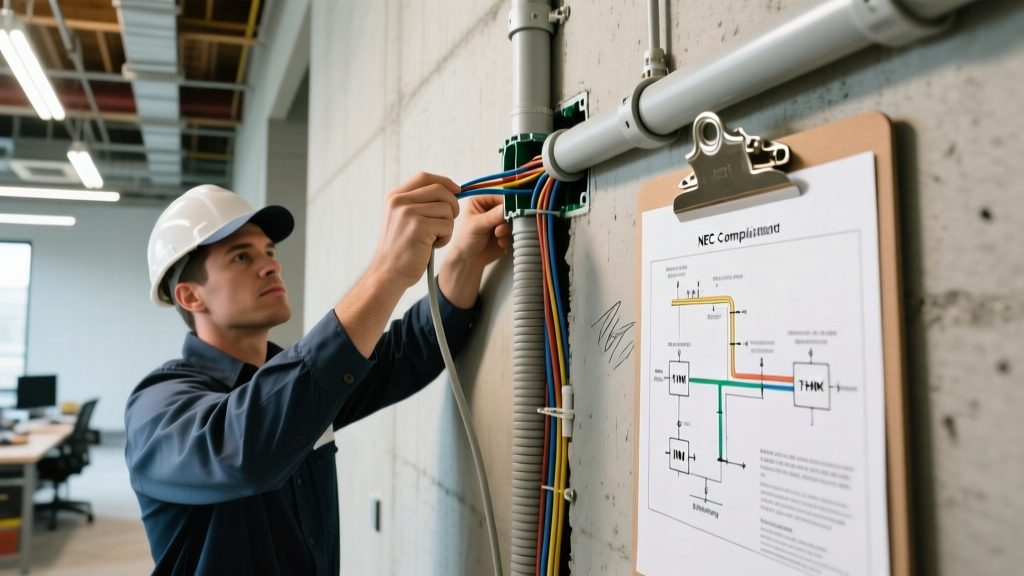
When wiring an autonomous EV in your home garage, you are not just dealing with vehicle dynamics; you are interfacing with your home's electrical infrastructure. According to the National Fire Protection Association (NFPA), all home EV charging setups must adhere to SAE J1772 standards and local adoptions of NEC Article 625. Furthermore, the automated systems themselves must be built with safety redundancies that align with broader federal guidelines, such as those outlined by the National Highway Traffic Safety Administration (NHTSA).
For the physical assembly of your harnesses, adhering to the IPC/WHMA-A-620 standard for cable and wire harness assemblies is highly recommended. This standard provides the definitive visual criteria for acceptable crimps, solder joints, and wire stripping lengths. A harness built to IPC Class 3 (high-performance) standards will survive the intense vibration and thermal cycling of an automotive environment, whereas a sloppy "Class 1" garage build will inevitably fail at the crimp barrel, leading to catastrophic arcing or sensor blindness.
Final Thoughts for the 2026 DIY Builder
The electric autonomous vehicles wiring harness market has matured to a point where dedicated home builders can source the exact same interconnects used by tier-one automakers. By investing in proper crimping tooling, respecting EMI shielding protocols, and strictly adhering to HV safety interlocks, your home project can achieve the reliability required for true autonomous operation. Do not cut corners on the copper and the connectors; in the world of autonomous electronics, the harness is the central nervous system of your machine.