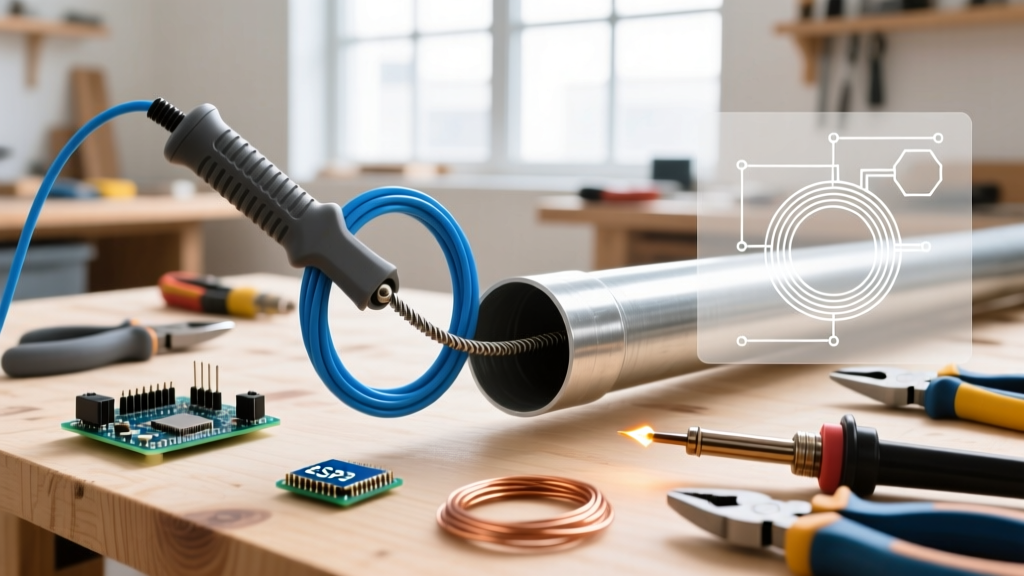

When tackling a home rewiring project, running new circuits through PVC or EMT conduit is one of the most physically demanding tasks you will face. Finding the right tool to pull electrical wire through conduit is not just about convenience; it is about preventing damaged insulation, stretched copper, and dangerous code violations. Whether you are pulling 12 AWG THHN for a 20-amp garage circuit or feeding 2/0 AWG aluminum for a subpanel, friction and conduit bends are your primary adversaries.
In this comprehensive home project guide, we break down the exact tools professional electricians use, compare their real-world performance, and provide a step-by-step execution plan to ensure your wire pulls are smooth, safe, and fully compliant with the National Electrical Code (NEC).
Understanding the Physics and NEC Limits of Wire Pulling
Before selecting your pulling tool, you must understand the physical limits of your conduit run. The NEC strictly regulates how much wire can occupy a conduit and how much tension can be applied during a pull.
NEC Chapter 9, Table 1 Limit: For three or more conductors, the maximum conduit fill is 40%. Exceeding this not only violates code but exponentially increases pulling friction, leading to insulation failure. Furthermore, the Jam Ratio (Conduit Inner Diameter divided by Cable Outer Diameter) must be carefully monitored. If the ratio falls between 2.8 and 3.2, the cable will physically wedge and jam at any 90-degree sweep.
Additionally, you must respect maximum pulling tension. For standard copper conductors pulled by the conductor itself (without a dedicated pulling eye), the NEC and manufacturer guidelines generally cap the tension at 0.008 pounds per circular mil. For a standard 12 AWG wire, this equates to roughly 52 lbs of maximum pulling force. Exceeding this stretches the copper, altering its resistance and creating a hidden fire hazard.
Comparison Matrix: Choosing the Right Tool for Your Run
No single tool dominates every scenario. The table below compares the most effective tools to pull electrical wire through conduit based on run length, conduit type, and budget.
| Tool Type | Best Use Case | Max Effective Distance | Approx. Cost (2026) | Pros & Cons |
|---|---|---|---|---|
| Steel Fish Tape | Long, straight PVC runs with few bends | 100+ feet | $35 - $60 | Pro: High tensile strength. Con: High friction in metal conduit; kinks easily. |
| Fiberglass Glow Rods | Short drops, EMT conduit, crowded junction boxes | 20 - 40 feet | $50 - $85 | Pro: Stiff, won't kink, glows in dark. Con: Snaps under heavy pulling loads. |
| Vacuum & Pull String | Long underground PVC sweeps, complex bend sequences | 200+ feet | $15 (String + Bag) | Pro: Zero friction on initial feed. Con: Requires a Shop-Vac and access to both ends. |
| Cordless Wire Puller | Heavy gauge feeders (2 AWG+), commercial jobs | N/A (Tension based) | $1,000+ | Pro: Effortless heavy pulls. Con: Extreme cost; overkill for DIY. |
Deep Dive: Top Tools for Home Conduit Pulls
1. Steel Fish Tapes: The Workhorse for Long PVC Runs
For most DIYers running 10 AWG or 12 AWG THHN through 3/4-inch or 1-inch Schedule 40 PVC, a high-carbon steel fish tape is the undisputed best tool to pull electrical wire through conduit. The Klein Tools 56415 (50-ft, 1/4-inch wide steel tape) remains the industry benchmark, retailing around $38 in 2026. Its slotted tip allows for easy wire attachment, and the high-carbon steel resists stretching under load.
Failure Mode Warning: Never use a steel fish tape in an active electrical panel or near exposed busbars. If the steel tape drops and contacts a live terminal, it will create a catastrophic dead short. Always de-energize the panel and use non-conductive fiberglass tapes (like the Klein 56315) when working inside live enclosures.
2. Fiberglass Glow Rods: Best for Short Drops and Crowded Boxes
When pulling wire down a short 10-foot vertical EMT drop to an outlet box, a floppy steel tape will simply coil up inside the box. Here, fiberglass glow rods are the superior choice. The Greenlee 03288G3 3-piece Glow Rod Set (approx. $65) features rigid, glow-in-the-dark fiberglass shafts that you can push straight down the conduit. They thread easily through existing wire bundles in crowded junction boxes without snagging.
3. The Shop-Vac and Pull String Method: The DIY Secret Weapon
If you are pulling wire through a 100-foot underground PVC run with multiple 45-degree sweeps, pushing a fish tape will result in severe friction and potential kinking. Instead, use the vacuum method. Tie a small, lightweight plastic grocery bag to the end of a spool of nylon masonry pull string. Insert the bag into one end of the conduit and place a Shop-Vac hose over the other end. The vacuum will suck the bag and the attached string through the entire run in seconds. You then use the low-friction string to pull the actual wire, completely bypassing the need to push a heavy steel tape.
Step-by-Step Execution: How to Pull Wire Without Jamming
Having the right tool is only half the battle. Proper preparation and execution dictate whether your pull succeeds or results in a stuck, ruined cable.
- Verify Conduit Fill and Sweep Radius: Before starting, calculate your conduit fill. Ensure all 90-degree sweeps are long-radius (minimum 6 inches for 1/2-inch to 1-inch conduit) to prevent the jam ratio issue mentioned earlier.
- Prepare the Pulling Head: Do not simply wrap wire around the fish tape eyelet. Stagger the ends of your THHN conductors by two inches each. Wrap them tightly with electrical tape, then cover the entire joint with friction tape to create a smooth, tapered, bullet-like profile that will not catch on conduit joints.
- Apply Proper Lubricant: This is non-negotiable for runs over 30 feet. Use a dedicated wire pulling lubricant like Polywater J. Never use dish soap. Dish soap dries out, turns into a hard crystalline glue over time, and can chemically degrade THHN insulation, violating NEC 525. A quart of Polywater J costs about $25 and is an essential investment.
- Feed and Pull Smoothly: Have one person feed the wire into the conduit at the start box while you pull from the destination box. Maintain a steady, walking-pace pull. Jerky, aggressive yanking increases dynamic friction and risks snapping the fish tape.
- Monitor Tension: If the pull requires more than roughly 50 lbs of force (a heavy, two-handed strain), stop immediately. Do not use a vehicle, winch, or block-and-tackle to force the wire. You will stretch the copper or strip the insulation.
Edge Cases and Troubleshooting Failure Modes
- The Wire is Stuck Mid-Pull: If the wire stops moving and tension spikes, do not pull harder. Push the wire back toward the feeding end to dislodge it from the snag, apply more Polywater lubricant at the entrance, and try again. If it remains stuck, you may need to pull it back entirely, inspect the conduit for internal burrs (common in cut PVC), and re-tape the pulling head.
- Fish Tape Kinking: Steel tapes kink when pushed too hard against a 90-degree bend. To prevent this, always spin the fish tape reel clockwise as you push it into the conduit. This rotation helps the flat steel tape navigate the curve of the sweep rather than folding flat against the PVC wall.
- Static Shock in PVC: When pulling THHN through long plastic PVC runs, the friction generates immense static electricity, which can result in painful shocks to the person pulling the wire. To mitigate this, spray a fine mist of water or anti-static lubricant into the conduit before the pull, or ensure you are wearing insulated rubber-soled boots and pulling gloves.
Authoritative References and Further Reading
To ensure your home electrical projects remain safe and legally compliant, always consult the latest code standards and manufacturer technical data:
- NFPA 70: National Electrical Code (NEC) - Refer to Chapter 9, Table 1 for conduit fill capacities and Article 300 for general wiring methods and pulling tension limits.
- Polywater Wire Pulling Lubricants Technical Data - Essential reading on the friction coefficients of different lubricants and the chemical compatibility with THHN/XHHW insulation.
- Greenlee Fish Tapes and Pulling Equipment - Manufacturer specifications on tensile strength limits and jam ratio calculations for fiberglass and steel pulling tools.
By selecting the correct tool to pull electrical wire through conduit and respecting the physical limits of your wiring, you ensure a safe, efficient, and code-compliant installation that will power your home reliably for decades.