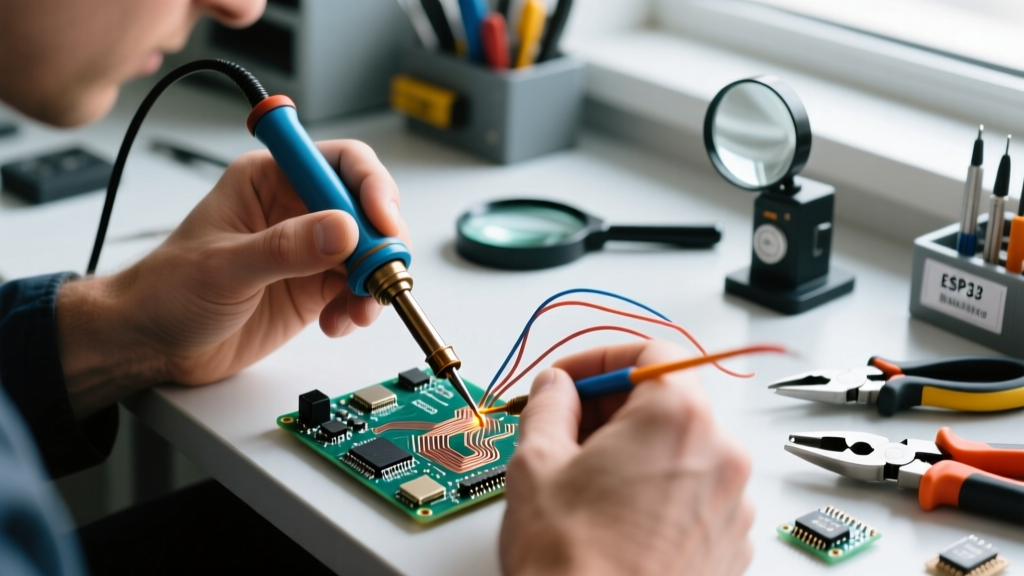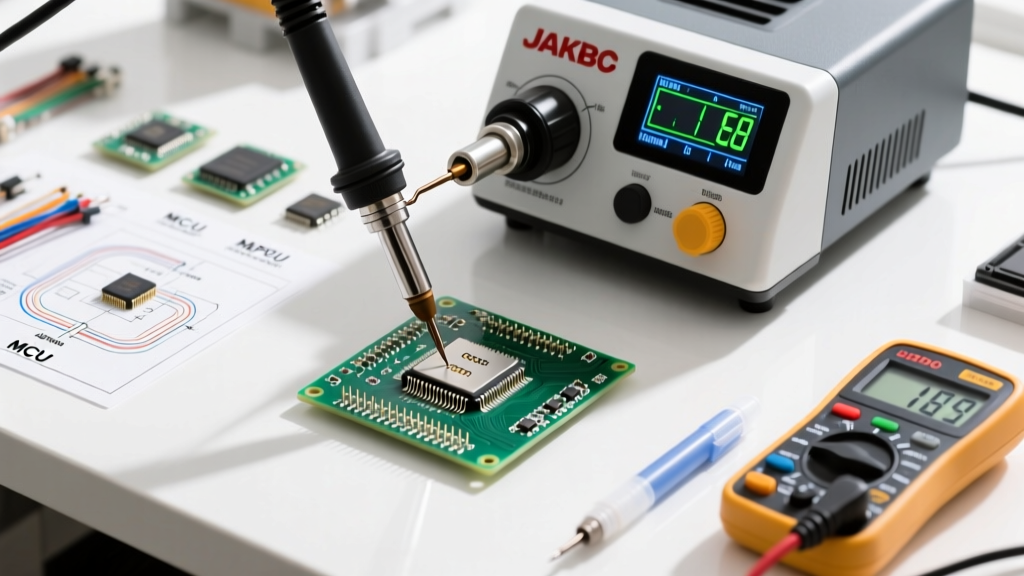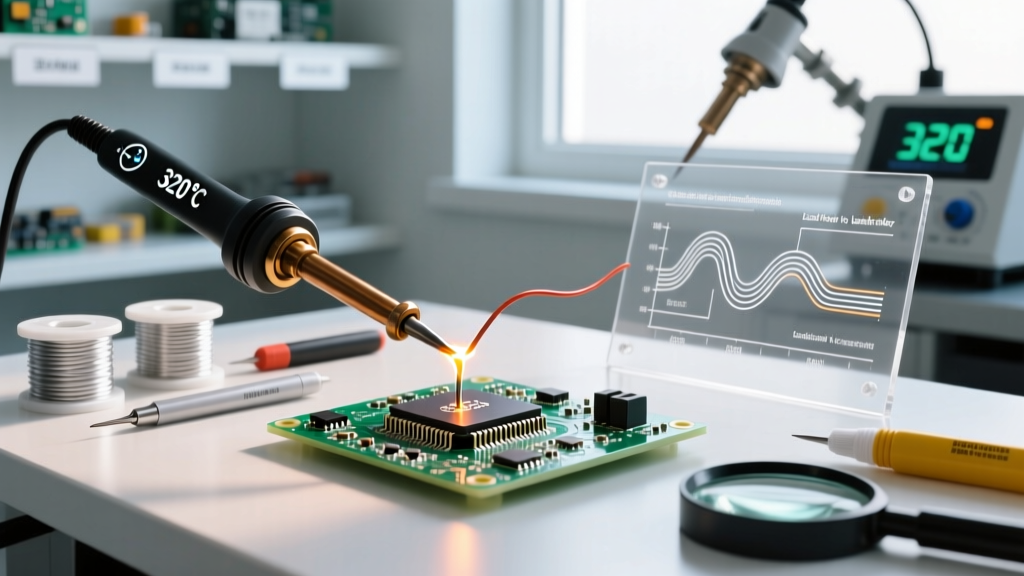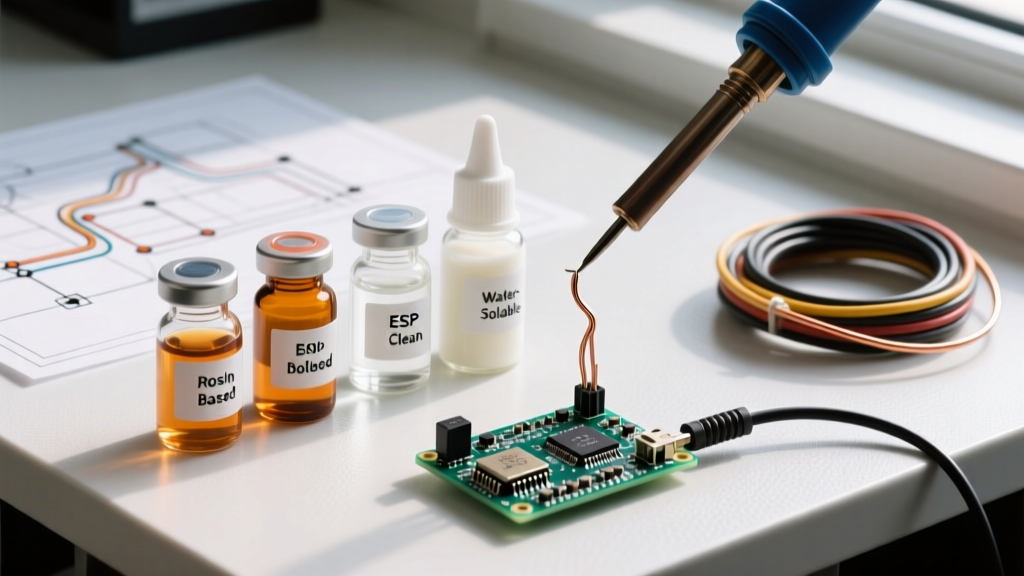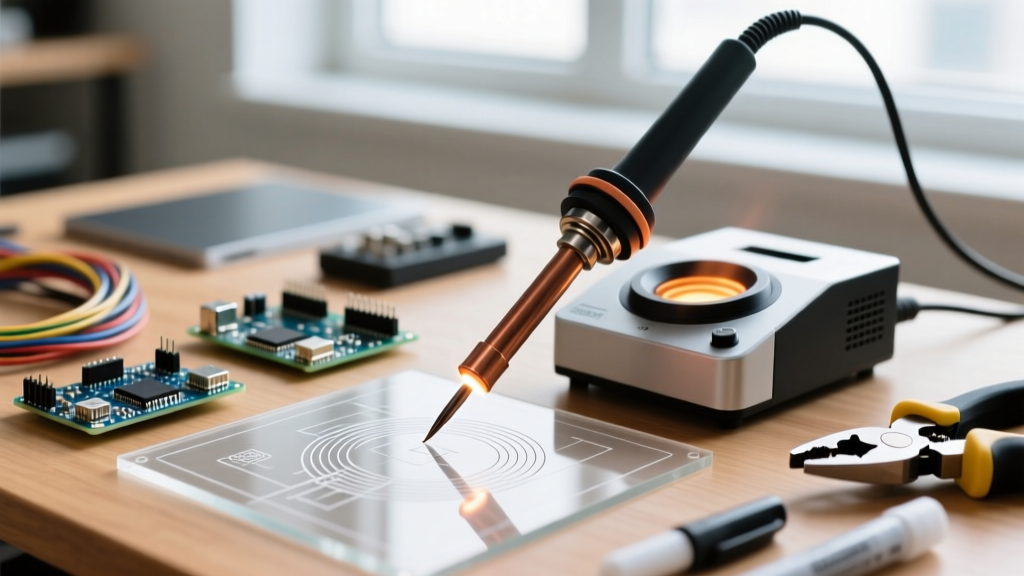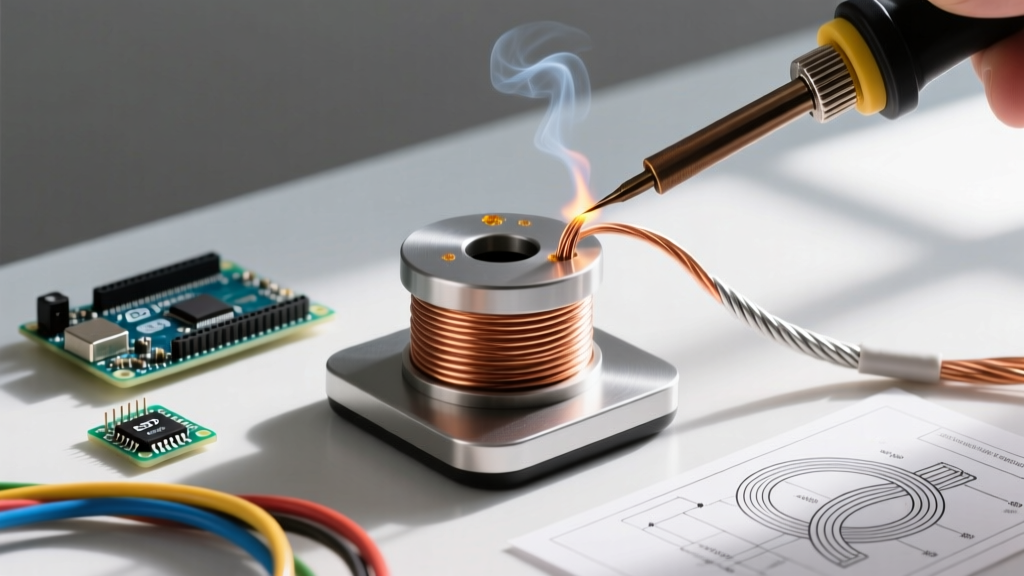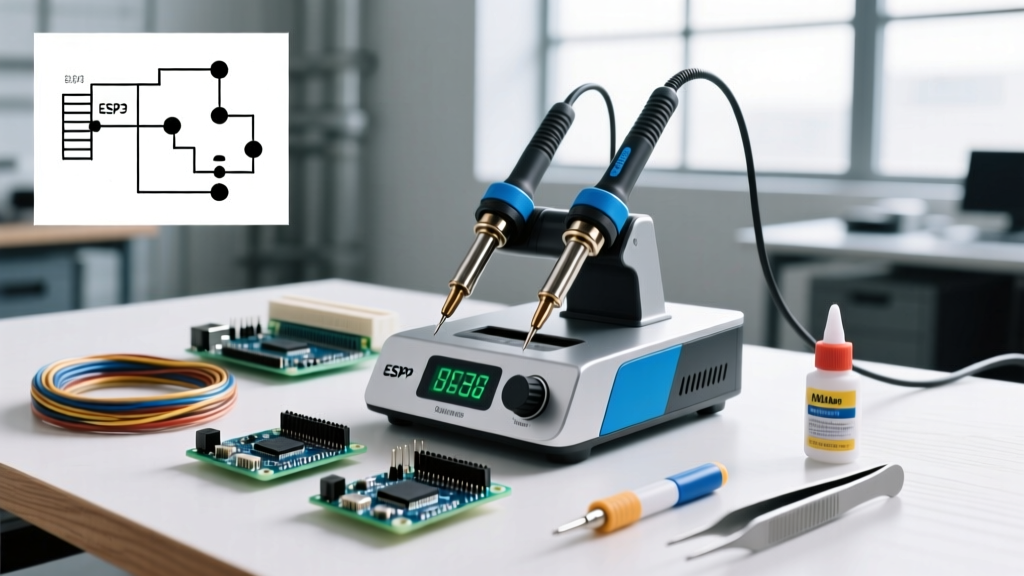

When electronics hobbyists and junior engineers ask, "what is a soldering machine?", they are often conflating a basic hand tool with industrial automated assembly equipment. In the professional electronics manufacturing (EMS) sector, the terminology is strict: you use a soldering iron or station for manual work, but a soldering machine refers to automated, semi-automated, or high-volume thermal profiling systems designed to process printed circuit board assemblies (PCBAs) at scale.
As we navigate the 2026 electronics manufacturing landscape, understanding the distinction between a $150 rework station and a $120,000 selective soldering machine is critical for buyers, process engineers, and technicians. This guide defines the equipment matrix, explores core machine types, and provides deep-dive troubleshooting for common automated soldering defects.
Industry Definition: A soldering machine is an automated or semi-automated electromechanical system that applies controlled thermal energy and flux to electronic components, facilitating metallurgical bonding via molten solder alloys (typically SAC305 or SAC405) without manual iron manipulation.
Soldering Equipment Matrix: Irons, Stations, and Machines
Before purchasing or troubleshooting, you must correctly categorize your equipment. The table below outlines the buyer's matrix for thermal soldering equipment, highlighting the leap from manual tools to true automated machines.
| Equipment Category | Scale & Application | 2026 Price Range | Example Model | Key Feature |
|---|---|---|---|---|
| Soldering Iron | Manual / Prototyping | $15 - $80 | Hakko FX-601 | Direct ceramic heating element |
| Soldering Station | Manual / Lab Rework | $100 - $600 | Weller WE1010 | Closed-loop PID temperature control |
| Hot Air Rework Station | Semi-Auto / SMD Rework | $250 - $1,500 | Quick 861DW | Dual-channel digital airflow profiling |
| BGA Rework Machine | Semi-Auto / Complex ICs | $3,000 - $15,000 | Zhuomao ZM-R68 | Optical alignment & multi-zone IR heating |
| Selective Soldering Machine | Automated / Mixed Tech | $60,000 - $150,000 | ERSA VERSAFLOW 4/55 | Drop-jet fluxing & nitrogen-inerted wave |
| Wave Soldering Machine | Mass Production / THT | $80,000 - $250,000+ | Pillarhouse Jade | Dual-wave (chip & lambda) conveyor system |
Core Types of Automated Soldering Machines
1. Wave Soldering Machines
The traditional workhorse of Through-Hole Technology (THT) assembly. A PCB passes over a standing wave of molten solder (typically maintained at 255°C–265°C for lead-free SAC alloys). Modern 2026 models utilize dual waves: a turbulent "chip wave" to push solder into tight SMD clearances, followed by a smooth "lambda wave" to remove excess solder and prevent bridging.
2. Selective Soldering Machines
Designed for mixed-technology boards where sensitive surface-mount components cannot withstand the thermal shock of a full wave bath. Selective machines use a miniaturized solder nozzle that moves via CNC X-Y axes, soldering only specific THT pins. High-end models feature integrated nitrogen generators to reduce dross formation and improve wetting by maintaining O2 levels below 50 ppm.
3. Reflow Ovens (SMT Machines)
While technically a "reflow" process rather than traditional liquid-solder application, reflow ovens are the backbone of Surface Mount Technology (SMT). They use multi-zone convection heating to push solder paste through a strict thermal profile: preheat, thermal soak, reflow (above 217°C liquidus), and cooling.
Troubleshooting FAQ: Diagnosing Machine Soldering Defects
Operating a soldering machine requires strict adherence to thermal profiles and chemical maintenance. Below are the most common failure modes encountered by process engineers, aligned with IPC-A-610 acceptability standards.
Defect 1: Solder Bridging (Shorts) in Wave/Selective Soldering
Symptom: Molten solder connects two adjacent pins, creating an electrical short. Root Causes & Fixes:
- Conveyor Speed Too Fast: If the board exits the wave before the solder's surface tension can break, bridges form. Fix: Reduce conveyor speed (e.g., from 4.5 ft/min to 3.0 ft/min) to increase dwell time.
- Flux Specific Gravity (SG) Drift: If alcohol-based flux evaporates, the SG rises, leading to uneven flux application and poor wetting. Fix: Calibrate the drop-jet fluxer and thin with DI water or solvent to maintain SG between 0.800 and 0.820.
- Incorrect Solder Pot Temperature: A pot running at 245°C (too cold for SAC305) increases viscosity, preventing proper drainage. Fix: Verify thermocouple calibration and set the pot to 260°C ± 5°C.
Defect 2: Icicles and Solder Pulls
Symptom: Sharp, spike-like protrusions of solder hanging from component leads. Root Causes & Fixes:
- Inadequate Preheat: If the board's top-side temperature does not reach at least 110°C before hitting the wave, the thermal shock causes rapid cooling and poor retraction. Fix: Adjust the IR preheater zones to achieve a 2°C/second ramp rate.
- Contaminated Solder Bath: High copper dissolution (>0.8% Cu in SAC305) raises the alloy's liquidus point and increases viscosity. Fix: Perform spectrographic bath analysis and dilute with pure Sn96.5/Ag3.0 or replace the bath.
Defect 3: BGA Rework Station Thermocouple Drift
Symptom: The machine displays the correct profile, but the BGA component suffers from "tombstoning" or internal die cracking. Root Causes & Fixes:
- K-Type TC Degradation: Standard K-type thermocouples suffer from metallurgical drift when exposed to repeated 300°C+ cycles, often reading 10°C-15°C higher than actual board temperature. Fix: Switch to T-type thermocouples for sub-250°C profiling, or implement weekly offset calibration using a dedicated thermal profiling board (e.g., Datapaq).
Preventative Maintenance & Calibration Standards
To maintain IPC Class 2 and Class 3 compliance, automated soldering machines require rigorous preventative maintenance (PM). Neglecting PM leads to catastrophic yield drops and expensive PCBA scrap.
- Dross Removal (Daily): In wave and selective machines, oxidized solder (dross) must be skimmed daily. Running a nitrogen-inerted system reduces dross generation by up to 85%, but manual skimming remains necessary for standard atmospheric machines.
- Fluxer Purge (Weekly): Drop-jet and ultrasonic fluxers will clog if flux crystallizes. Run a solvent or DI water purge cycle every Friday before shutdown.
- Thermal Profiling (Bi-Annually): According to guidelines supported by the Surface Mount Technology Association (SMTA), reflow ovens and preheat zones must be profiled using a multi-channel datalogger to ensure the Time Above Liquidus (TAL) remains between 45 and 90 seconds. Excessive TAL causes the Intermetallic Compound (IMC) layer to grow too thick, resulting in brittle, impact-prone solder joints.
- Bath Contamination Analysis (Quarterly): Send a 500g sample of your wave/Selective solder bath to a metallurgical lab. Monitor for lead contamination (must remain <0.1% for RoHS compliance) and copper saturation.
Summary: Choosing the Right Equipment
Understanding what is a soldering machine ultimately comes down to recognizing the boundary between manual assembly and automated manufacturing. If you are repairing a single motherboard, a high-end Hot Air Rework Station like the Quick 861DW is your tool. If you are scaling a production line for automotive or aerospace electronics, you must invest in Selective or Wave Soldering Machines, governed by strict thermal profiling and NASA NEPP workmanship standards. Always match the machine's thermal capacity and flux delivery system to your specific PCB's thermal mass and component density.