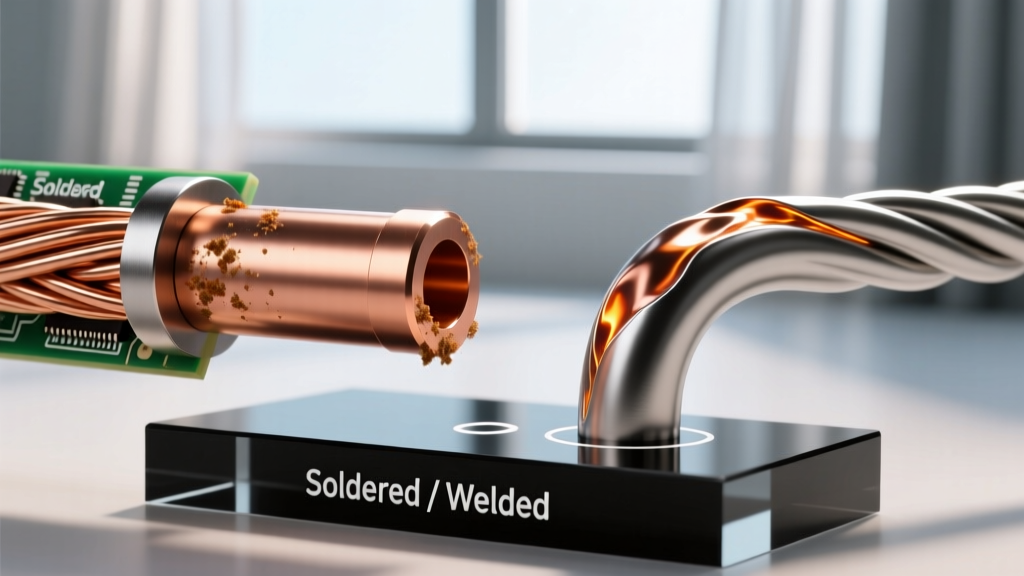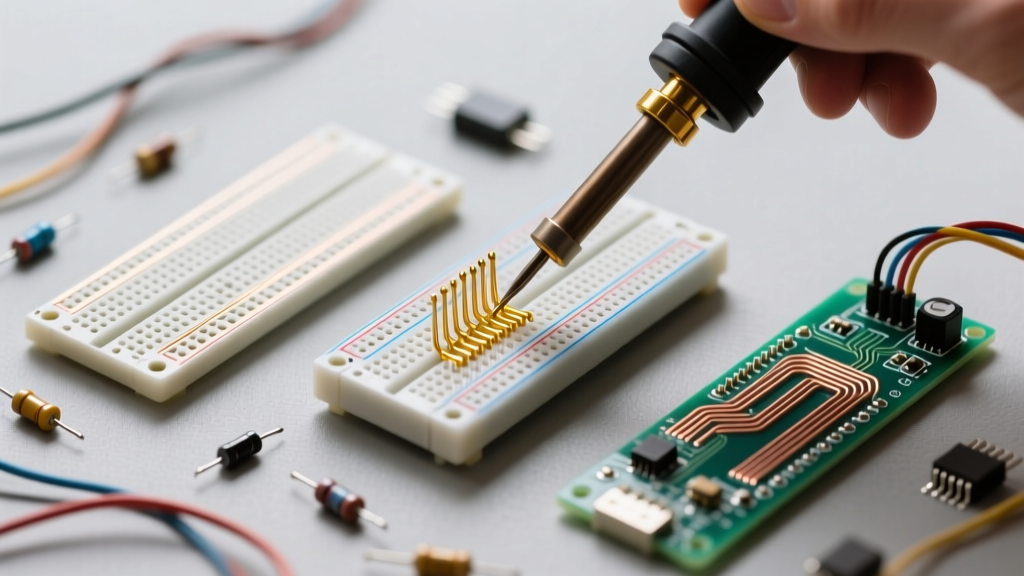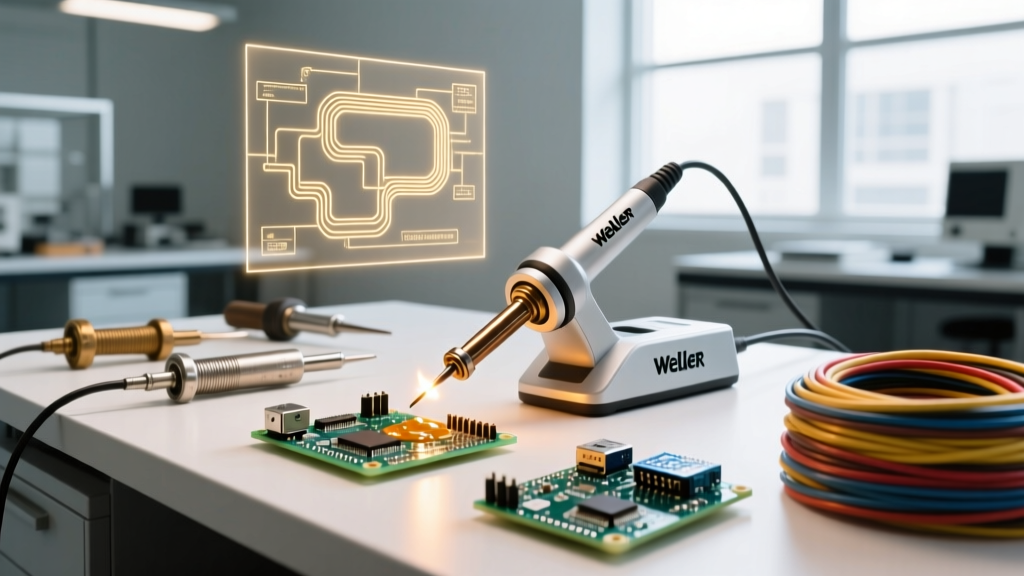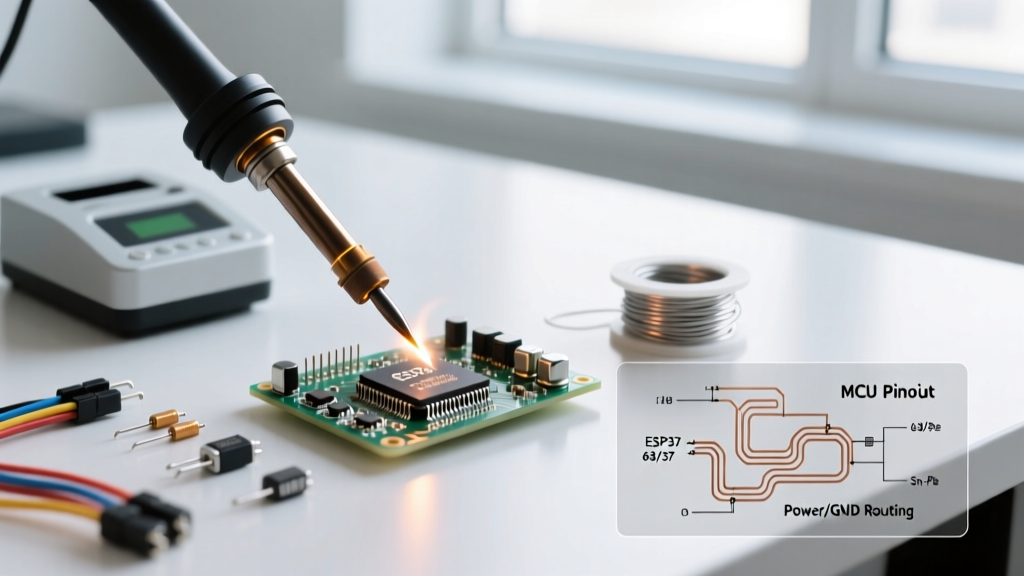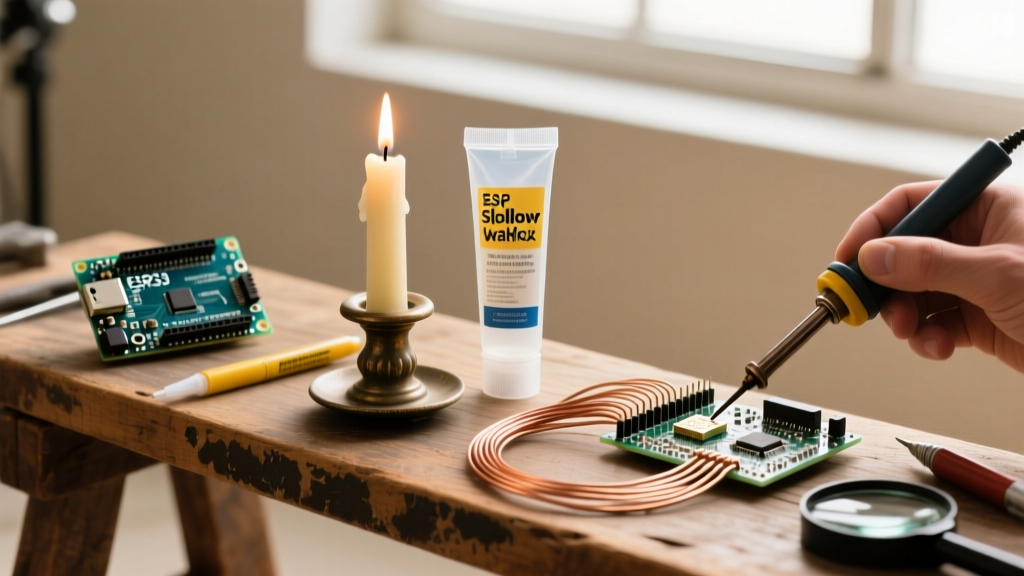

The term soldering wax carries a dual legacy in the world of electronics and metalwork. To a 19th-century tinsmith, it meant a vital flux carrier. To a modern 2026 PCB rework technician or jewelry fabricator, it refers to specialized thermoplastic masking agents designed to protect delicate components from extreme heat. Understanding the history and evolution of soldering wax is not just an exercise in metallurgical nostalgia; it is essential for diagnosing legacy failures, selecting the right modern masking compounds, and mastering thermal management on today's complex workbenches.
The 19th Century: Tallow, Beeswax, and Acidic Fluxes
Before the advent of rosin-core solder wire and synthetic liquid fluxes, early plumbers, tinsmiths, and telegraph engineers relied heavily on organic waxes. Tallow (rendered animal fat) and beeswax were the primary mediums used to suspend and deliver active fluxing agents—typically sal ammoniac (ammonium chloride) or zinc chloride—to the solder joint.
The wax served three critical historical functions:
- Oxidation Barrier: The melting wax physically displaced oxygen, preventing the base metal from oxidizing under the heat of a blowtorch or soldering copper.
- Flux Delivery: It kept hygroscopic acidic salts stable until the exact moment of application.
- Capillary Flow Control: The viscosity of the melting wax helped draw molten lead-tin alloys into wiped joints, particularly in early lead piping.
However, historical soldering wax had severe failure modes. When exposed to temperatures exceeding 300°C, organic tallow would carbonize, creating a stubborn, insulating char. This required aggressive mechanical scraping that often gouged soft copper substrates. Furthermore, the acidic residues trapped within the unburned wax caused rampant galvanic corrosion, a primary reason why early telegraph wires and maritime electrical connections suffered high failure rates.
The Mid-Century Transition: Rosin and the Decline of Wax Flux
The evolution of soldering wax took a sharp turn during World War II and the subsequent electronics boom. The military's demand for reliable, corrosion-free radio and radar circuits led to the widespread adoption of colophony (pine rosin). Rosin was non-corrosive at room temperature and could be extruded directly into the core of tin-lead solder wire.
As rosin-core wire and liquid no-clean fluxes dominated the market from the 1950s through the 1980s, the role of wax shifted. It was no longer a flux carrier; it became a protective masking agent. Early dip-soldering and wave-soldering processes required engineers to protect specific areas of a circuit board—such as edge connectors and test points—from being coated in solder. Technicians began using specialized petroleum-based waxes and high-temperature masking dots to shield these zones, birthing the modern concept of soldering masking wax.
Modern 2026 Applications: Synthetic Masking Waxes
Today, the phrase "soldering wax" almost exclusively refers to synthetic thermoplastic masking waxes used in PCB manufacturing, rework, and precision jewelry soldering. Modern formulations utilize advanced elastomers and UV-curable resins that can withstand the aggressive thermal profiles of lead-free wave soldering (which frequently peaks at 260°C–265°C).
Industry Insight: According to the NASA Electronic Parts and Packaging (NEPP) Program, masking materials used in aerospace and high-reliability electronics must not only survive thermal shock but must also leave zero ionic residue that could trigger electrochemical migration (dendrite growth) in humid environments.
For a deep dive into the metallurgical shifts in historical fluxes and early wax-based carriers, the TWI Global technical knowledge base provides extensive documentation on how early organic carriers influenced modern brazing and soldering standards.
Material Comparison Matrix: Historical vs. Modern Soldering Waxes
The table below illustrates the dramatic evolution in material science, comparing historical flux waxes with the synthetic compounds used on workbenches today.
| Material Type | Era of Prominence | Max Thermal Tolerance | Removal Method | Primary Use Case |
|---|---|---|---|---|
| Tallow / Beeswax + Acid | 1800s–1940s | ~250°C (Carbonizes above) | Mechanical scraping, hot water | Plumbing, telegraph wires, tinsmithing |
| Petroleum Masking Wax | 1960s–1990s | ~180°C | Peeling, solvent wiping | Early wave soldering, thread protection |
| Synthetic Thermoplastic Wax | 2000s–Present | 265°C+ (Lead-free compliant) | Peeling at 65°C, wooden picks | PCB gold finger masking, connector protection |
| UV-Curable Masking Resin | 2010s–Present | 300°C+ | Peeling post-UV curing | High-density SMT rework, selective soldering |
| Jewelry Shield Wax | 1950s–Present | ~150°C (Ablative cooling) | Warm water dissolution | Protecting heat-sensitive gemstones during torch soldering |
Buyer’s Guide: Selecting the Right Soldering Wax Today
When purchasing soldering wax in 2026, your choice must be dictated by your specific thermal profile and substrate sensitivity. Here is how to navigate the current market.
1. For PCB Rework and Wave Soldering Masking
If you are protecting ENIG (Electroless Nickel Immersion Gold) pads, connector pins, or unpopulated through-holes during hot air rework or wave soldering, avoid generic craft waxes. You need a synthetic peelable solder mask (often sold in 2oz to 8oz squeeze bottles or syringes, typically priced between $15 and $35).
- Key Specs to Look For: Ensure the product is IPC-compliant for ionic cleanliness. It must withstand 260°C for at least 10 seconds without cross-linking into a permanent, unpeelable state.
- Top Formulations: Look for thermoplastic elastomer (TPE) based waxes. They remain flexible after cooling, allowing you to roll them off the PCB with a thumb or a soft wooden pick without scratching delicate surface finishes.
2. For Jewelry and Precision Metalwork
In jewelry fabrication, "soldering wax" (often called shield wax or heat barrier paste) serves a completely different purpose. It is an ablative, water-soluble compound applied to heat-sensitive gemstones (like opals or emeralds) to absorb thermal shock during torch soldering.
- Application: Products like Kerr Shield Wax or Rio Grande Heat Shield cost around $20 to $40 per jar. They contain moisture-retaining polymers that actively draw heat away from the stone via evaporation.
- Warning: Never use PCB masking wax on jewelry. Synthetic elastomers will melt into the porous surface of gemstones and silver, causing catastrophic, irreversible damage.
Step-by-Step: Applying and Removing Thermoplastic Masking Wax
To maximize the efficacy of modern synthetic soldering wax on electronics, follow this precise operational workflow:
- Surface Prep: Clean the target area with 99% isopropyl alcohol (IPA). Any residual rosin flux or fingerprint oils will cause the masking wax to adhere too aggressively, making removal difficult.
- Dispensing: Apply the wax using a syringe with a 14-gauge blunt tip. For edge connectors, lay down a continuous bead overlapping the edge by at least 2mm to prevent solder wicking via capillary action.
- Curing: Allow the wax to air-cure for 15–20 minutes, or use a low-heat convection oven (60°C) for 5 minutes. Do not use a heat gun to cure masking wax, as uneven heating can cause premature cross-linking.
- The Soldering Process: Proceed with your wave, dip, or hot air rework process. The wax will turn opaque and slightly stiffen, but it will not melt or outgas if kept below its rated 265°C threshold.
- Removal: Once the board drops below 50°C, the wax will become brittle. Use a bamboo or delrin pick to gently lift the edge of the wax and peel it away in a single sheet. Avoid metal tweezers to prevent gouging HASL or ENIG finishes.
Expert Troubleshooting: Edge Cases and Failure Modes
Even with advanced 2026 formulations, technicians occasionally encounter issues with soldering wax. Here is how to diagnose and resolve them:
- Failure Mode: Wax Tearing into Micro-Fragments.
Cause: The wax was exposed to temperatures exceeding 280°C for longer than 15 seconds, causing the polymers to over-cure and cross-link.
Solution: Soak the area in a mild, heated (45°C) saponifier bath or use a specialized citrus-based peelable mask remover. Never scrape aggressively. - Failure Mode: Solder Wicking Under the Mask.
Cause: Incomplete surface coverage or applying the wax over existing flux residue, which breaks the surface tension of the mask.
Solution: Always apply masking wax over bare, clean substrate or fully cured solder mask. Ensure a minimum thickness of 1.5mm for wave soldering applications. - Failure Mode: Outgassing and Blowholes.
Cause: Applying a thick layer of wax without allowing the solvent carrier to flash off completely before introducing heat.
Solution: Adhere strictly to the manufacturer's flash-off times. For thick applications, build up the wax in two thin layers, curing each separately.
Conclusion
The evolution of soldering wax from a crude, acidic tallow mixture to a highly engineered, thermally stable synthetic elastomer mirrors the broader trajectory of electrical engineering itself. Whether you are shielding a fragile micro-BGA during hot air rework or protecting a vintage silver setting during jewelry repair, understanding the chemical lineage and thermal limits of your masking materials is the hallmark of a master technician. By selecting the correct modern formulation and adhering to strict application protocols, you ensure flawless joints and pristine substrates every time.