
The Economics of Soldered Art: Beyond the Iron
When artists first explore soldered art—whether through traditional Tiffany-style stained glass, copper foil jewelry, or sculptural metalwork—the focus is usually on technique. However, building a sustainable studio requires a rigorous cost analysis. In 2026, fluctuating tin and silver markets, combined with stricter e-commerce platform regulations regarding lead in handmade goods, have fundamentally shifted the overhead landscape for metalcrafters.
This guide provides a comprehensive financial breakdown of soldered art production. We will analyze capital equipment, recurring consumable costs, safety infrastructure, and return on investment (ROI) frameworks to help you price your work profitably.
Tiered Equipment Investment: Choosing Your Iron
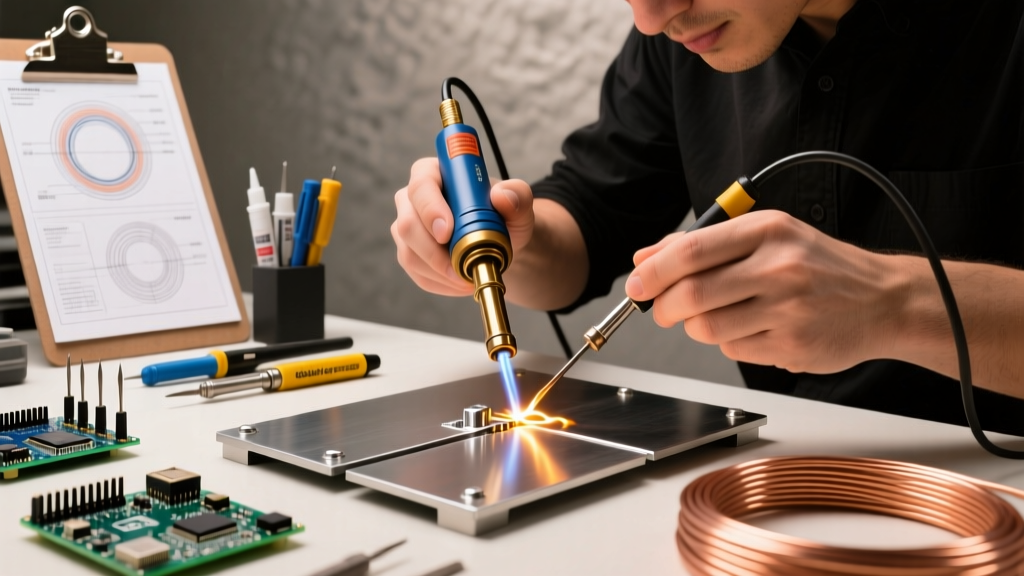
The soldering iron is the centerpiece of your studio, but buying the wrong one leads to wasted solder, burned foil, and eventual replacement costs. For soldered art, you need irons that maintain thermal stability when touching heat-sinking materials like glass and copper.
| Model | Temp Control | Wattage | 2026 Avg. Price | Best Application |
|---|---|---|---|---|
| Weller 100PG | Fixed (via tip) | 100W | $55 - $65 | Stained glass, heavy copper foil |
| Hakko FX-601 | Adjustable Dial | 67W | $75 - $85 | Jewelry, detailed sculptural work |
| Pinecil V2 | Digital (PID) | 65W (PD) | $26 + $20 PSU | Portable setups, budget-conscious starters |
| American Beauty 3158 | Rheostat compatible | 150W | $110 - $130 | Large architectural glass, heavy seams |
Expert Insight: While the Weller 100PG is a legacy favorite for stained glass, its lack of a closed-loop thermostat means it can overheat during idle periods, oxidizing tips rapidly. For jewelry makers working with expensive 95/5 silver-bearing solder, the Hakko FX-601’s precise dial control prevents scorching delicate findings.
Consumables Breakdown: Where the Real Money Goes
In soldered art, your iron is a one-time capital expense; your consumables are your ongoing cost of goods sold (COGS). Understanding the metallurgy and pricing of these materials is critical for budgeting.
Solder Alloys and Market Pricing
The price of solder is directly tied to the London Metal Exchange (LME) spot prices for tin and silver. As of early 2026, tin prices have stabilized, but silver-bearing alloys remain a premium expense.
- 60/40 (Tin/Lead): The standard for stained glass. It features a 'plastic range' between solidus and liquidus temperatures (361°F to 374°F), allowing artists to sculpt rounded beads on seams. Cost: $35 - $45 per pound.
- 63/37 (Eutectic): Melts and freezes instantly at 361°F. Ideal for flat, crisp seams or electrical components embedded in art, but terrible for sculpting beads. Cost: $38 - $48 per pound.
- 95/5 (Tin/Silver - Lead-Free): Mandatory for jewelry sold on platforms like Etsy due to 2026 compliance updates regarding lead exposure. Requires higher iron temperatures (approx. 430°F) and aggressive flux. Cost: $85 - $115 per pound.
Flux and Patina Chemicals
Flux is the invisible hero of soldered art. Without it, oxidation prevents the solder from wetting the copper foil.
- Liquid Flux (e.g., Kester 186 or Rubyfluid): Zinc chloride-based. Excellent for glass/foil. Cost: $15 - $22 per pint.
- Gel/Paste Flux (e.g., Novacan or Stay-Clean): Better for jewelry and vertical soldering where runoff would damage adjacent components. Cost: $12 - $18 per 2oz syringe.
- Patina (e.g., Novacan Black or Copper): Chemical oxidizers used to change the silver-colored solder lines to black or copper. Cost: $18 - $25 per 8oz bottle.
Hidden Studio Costs: Safety and Infrastructure
Many beginners fail to account for the safety infrastructure required to work with heavy metals and chemical fluxes. According to OSHA's Lead Safety Guidelines, even low-level chronic exposure to lead dust and fumes can cause severe neurological and cardiovascular issues.
Safety Warning: Soldering itself does not vaporize lead (lead boils at 3,180°F, far above iron temperatures). The danger lies in touching your face after handling 60/40 solder, and inhaling the sub-micron particulate rosin and acid fumes generated by the flux. Always wash hands with cold water and specialized lead-removal soap (e.g., D-Lead) before eating.
Ventilation and PPE Budgeting
To protect your respiratory system from flux fumes, you must budget for extraction:
- Entry-Level (DIY): PC fan wrapped in a furnace filter and activated carbon sheet. Cost: $25. (Marginally effective for flux smoke, useless for heavy particulates).
- Mid-Tier (Benchtop): Hakko FA-400 or similar activated carbon fan extractor. Cost: $70 - $90 (Replacement carbon filters: $15 each, lasting ~40 hours).
- Pro Studio (HEPA/Carbon): BOFA or Sentry Air Systems fume extractor with true HEPA and deep-bed carbon. Cost: $800 - $1,500.
For comprehensive health protocols, refer to the NIOSH Lead Exposure Resources, which outline proper studio ventilation rates and hygiene practices for metalworkers.
Project Cost Matrix: Calculating COGS
To understand how these costs impact your bottom line, let's break down the exact Cost of Goods Sold (COGS) for a standard 12-inch stained glass sun catcher using the Tiffany copper foil method.
| Material / Labor | Quantity Used | Unit Cost (2026) | Project Cost |
|---|---|---|---|
| Art Glass (Cathedral/Opalescent) | 1.5 sq ft (incl. waste) | $12.00 / sq ft | $18.00 |
| Copper Foil Tape (Venture 1/4") | 12 feet | $0.15 / ft | $1.80 |
| 60/40 Solder | 1.5 oz | $2.80 / oz | $4.20 |
| Flux & Patina Allocation | Estimate | - | $2.50 |
| Soldering Iron Tip Wear | Estimate | - | $0.50 |
| Labor (Cutting, Foiling, Soldering) | 3.5 Hours | $25.00 / hr | $87.50 |
| Total Base COGS | $114.50 |
ROI and Pricing Your Soldered Art
A common failure mode for emerging artists is pricing based purely on material costs, effectively paying themselves pennies per hour. In 2026, the handmade market is saturated, meaning your pricing must reflect both craftsmanship and sustainable business metrics.
The Wholesale vs. Retail Multiplier
Use the following formula to establish your pricing tiers:
- Base Cost: Materials + (Hourly Wage × Hours Worked)
- Wholesale Price: Base Cost × 1.5 (Covers overhead, packaging, booth fees)
- Retail Price: Wholesale Price × 2 (Standard gallery and direct-to-consumer markup)
Using the sun catcher example above: Your Base Cost is $114.50. Your Wholesale Price should be $171.75, and your Retail Price should be $343.50. If the market in your area will not bear a $340 price tag for a 12-inch sun catcher, you must either optimize your production speed (lowering labor hours) or pivot to higher-margin, smaller items like soldered glass jewelry or geometric terrariums.
Frequently Asked Questions
Can I use cheap plumbing solder for my art projects?
No. Plumbing solder found in hardware stores is often 95/5 Tin/Antimony or acid-core solder designed for copper pipes. Antimony makes the solder brittle, which will cause your stained glass seams to crack under thermal expansion or physical stress. Furthermore, acid-core flux is highly corrosive and will eat through your copper foil tape over time, destroying the piece. Always buy solid-core, rosin or flux-specific solder from glass or jewelry suppliers.
Is lead-free solder mandatory for selling jewelry online?
Yes, effectively. While local craft fairs may have lax enforcement, major platforms like Etsy and Amazon Handmade have implemented strict 2026 compliance algorithms and require sellers to certify that wearable items do not contain lead. Because jewelry is handled frequently and can be mouthed by children, using 60/40 leaded solder for pendants, rings, or bracelets is a massive liability risk. You must use 95/5 or 100% tin alloys for wearable soldered art.
Why do my soldering iron tips turn black and stop working?
Blackening is severe oxidation, usually caused by leaving a high-wattage iron (like the Weller 100PG) on while not actively soldering, or using overly aggressive acid fluxes without cleaning the tip. In 2026, replacement tips cost between $6 and $12 each. To extend tip life, always keep a pool of fresh solder on the tip when placing it in the holder, and use a damp cellulose sponge or brass wire cleaner to wipe it before every joint.