
The Metallurgical Reality of Reed & Barton Silverware
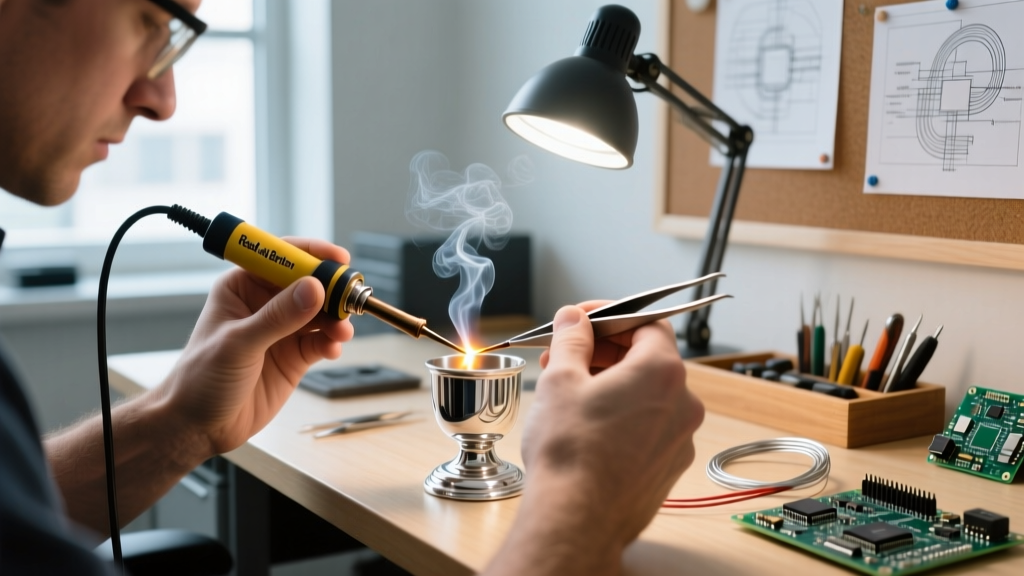
Reed & Barton is one of America’s most storied silversmithing companies, renowned for its intricate holloware, flatware, and silver-plated serving pieces. When a handle snaps on a vintage sterling teapot or a silverplate tray requires structural reinforcement, advanced DIYers and makers often look to solder the joint. However, searching for a reed and barton silver soldered repair guide requires a massive paradigm shift from standard electronics work. This is not a soft-soldering job for a 60W Weller WES51 station; this is hard silver soldering (brazing), which operates at temperatures exceeding 1,200°F and introduces severe chemical and thermal hazards.
Whether you are working with Reed & Barton’s hallmark “Crossed Hammers” sterling (.925) or their mid-century silverplate over brass, the safety protocols must be rigorous. This guide details the exact safety best practices, material hazards, and personal protective equipment (PPE) required to execute these repairs without risking heavy metal poisoning, fluoride inhalation, or severe burns.
Soft Solder vs. Hard Silver Solder: A Hazard Comparison
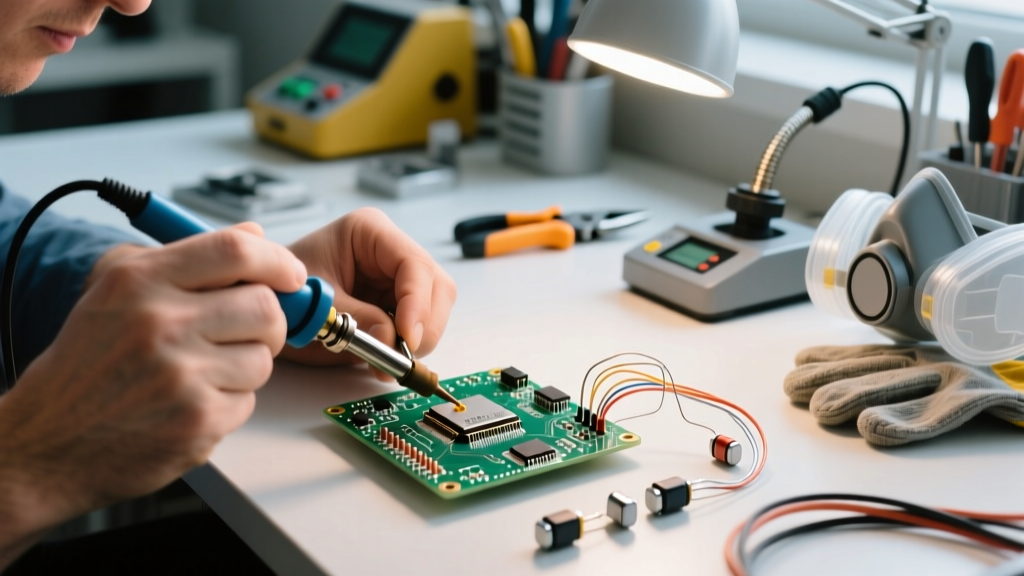
Makers transitioning from PCB assembly to silversmithing restoration often underestimate the hazard delta. The table below contrasts standard electronics soldering with the silver brazing required for Reed & Barton holloware repairs.
| Parameter | Electronics Soft Soldering (SAC305 / Sn63) | Silversmithing Hard Silver Soldering (Brazing) |
|---|---|---|
| Operating Temperature | 400°F – 700°F | 1,100°F – 1,450°F |
| Heat Source | Temperature-controlled iron / hot air | Oxy-acetylene, oxy-propane, or MAP-PRO torch |
| Flux Chemistry | Rosin (RMA), mild organics, no-clean | Potassium fluoroaluminate, borax, boric acid |
| Primary Inhalation Hazard | Colophony (rosin) fumes, mild VOCs | Hydrogen fluoride gas, vaporized cadmium/zinc |
| Required Respiratory PPE | P100 / Organic Vapor (optional with extraction) | P100 + Acid Gas cartridges (mandatory) |
| Optical Protection | Standard safety glasses (ANSI Z87.1) | Shade 3 to Shade 5 brazing goggles |
Critical Safety Protocols for Silver Brazing
1. Respiratory Protection and Fluoride Fluxes
To achieve a capillary bond on sterling silver, the metal must be chemically stripped of copper oxide (firestain). This requires aggressive fluoride-based fluxes, such as Stay-Silv White Flux or Harris Black Flux. When heated above 1,000°F, these fluxes decompose and release hydrogen fluoride (HF) gas and complex fluorides. Inhalation can cause severe pulmonary edema and long-term skeletal fluorosis.
- Respirator Selection: A half-face or full-face elastomeric respirator (e.g., 3M 6000 or 7000 series) fitted with P100 particulate filters combined with Acid Gas/Organic Vapor cartridges (such as the 3M 6006 or 6003 series).
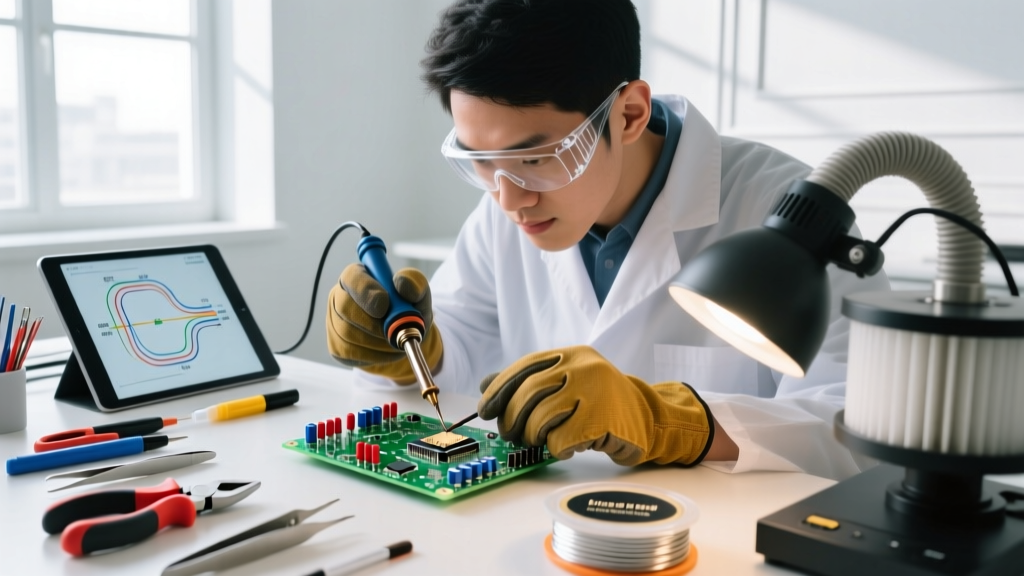
- Source Capture: Ambient room ventilation is insufficient. You must use a localized fume extractor with an activated carbon and HEPA filtration stage positioned within 6 inches of the brazing zone.
2. The Cadmium Threat in Vintage Silver Alloys
Historically, many low-temperature silver brazing alloys (such as the AWS classification BAg-1) contained up to 24% cadmium to lower the melting point and improve flow. When heated with a torch, cadmium vaporizes, creating an invisible, odorless, and highly toxic yellow-brown oxide smoke. The CDC NIOSH strictly warns that acute cadmium inhalation can be fatal.
2026 Procurement Rule: Never use unverified, vintage, or imported silver solder wire for Reed & Barton restorations. Always purchase cadmium-free alloys manufactured in the current year. As of 2026, Harris Safety-Silv 56 (56% Silver, 22% Copper, 17% Zinc, 5% Tin) remains the gold standard for cadmium-free, low-temperature (1,145°F flow point) silversmithing repairs, costing approximately $140 per troy ounce.
3. Thermal PPE and Optical Shielding
Silver brazing requires a neutral or slightly reducing flame from an oxy-fuel torch. The sodium flare from the flux and the intense infrared (IR) radiation from the glowing silver necessitate optical protection to prevent “glassblower’s cataracts” and retinal damage.
- Eyewear: ANSI Z87.1 certified brazing goggles with a Shade 3 to Shade 5 didymium or green glass lens. Do not use standard clear safety glasses or Shade 10+ welding helmets (which are too dark to see the subtle color changes in the silver).
- Apparel: A heavy leather or Nomex welding apron. Synthetic clothing (polyester, nylon) will melt onto the skin if struck by a spark or a dropped piece of 1,200°F silver.
Material Identification: Sterling vs. Silverplate
Before applying heat, you must identify the exact Reed & Barton composition. Applying brazing temperatures to silverplate will destroy the piece.
Sterling (.925) Holloware
Sterling is an alloy of 92.5% silver and 7.5% copper. It can withstand the 1,300°F required for hard soldering, provided you use adequate flux to prevent the copper from oxidizing and forming a black, unscaleable firestain. Use a medium-temperature silver solder (e.g., Safety-Silv 45) for structural joints like teapot spouts and handles.
Silverplate (Base Metal: Brass or Copper)
Reed & Barton produced millions of silver-plated items. These consist of a thin electroplated layer of silver over a brass or copper core. Hard silver soldering is generally contraindicated for silverplate. The intense, localized heat of a torch will cause the silver plating to blister, delaminate, or alloy into the brass base, ruining the finish. For silverplate, you must use low-temperature soft soldering (e.g., 96% Tin / 4% Silver alloy, flowing at ~430°F) with a high-wattage iron (100W+) or a micro-torch with extreme caution, relying on specialized tinning solutions rather than high-heat fluoride fluxes.
Safe Pickling and Post-Solder Chemical Handling
After the silver soldered joint cools, the piece is coated in a glassy, hardened layer of flux and copper oxide. This must be removed in a “pickle” bath. Historically, silversmiths used diluted sulfuric acid, which poses severe burn and inhalation risks.
The Modern Safe Alternative: Use Sparex #2 (Sodium Bisulfate).
- Mixing: Always add the dry Sparex granules to warm water, never water to acid. Use a ratio of 1 pound of Sparex per 1 gallon of water.
- Temperature: Maintain the pickle pot between 120°F and 140°F using a dedicated slow cooker (never one that will be used for food again).
- Tooling: Use copper, brass, or wooden tweezers. Never use steel tweezers in an active pickle bath; the sulfuric reaction will strip the copper from the solution and electroplate it directly onto your Reed & Barton sterling piece, ruining it with a copper flash.
- Disposal: According to OSHA guidelines on hazardous materials and local EPA regulations, spent pickle solution containing dissolved copper is classified as hazardous waste. It must be neutralized with baking soda and disposed of at a hazardous waste facility, never poured down a municipal drain.
Step-by-Step Safe Repair Workflow
- Preparation: Mechanically clean the joint with a fiberglass scratch brush. Do not touch the cleaned metal with bare fingers; skin oils will inhibit capillary flow.
- Fixturing: Secure the Reed & Barton piece using a third-hand tool with high-temperature titanium or graphite tips. Avoid steel binding wire, which can fuse to the silver at brazing temperatures.
- Fluxing: Apply a thick paste of Stay-Silv White Flux to the joint. The flux will bubble, then turn white, then become clear and glassy at ~1,100°F, signaling the metal is ready for the solder.
- Heating: Heat the entire assembly broadly with a soft flame, not just the joint. Silver is highly thermally conductive; localized heating will melt the solder before the base metal reaches flow temperature.
- Solder Application: Touch the cadmium-free silver wire to the joint. If the flux is active and the metal is at temperature, the solder will instantly flash into the capillary gap.
- Quench & Pickle: Allow the piece to air cool until the red glow fades, then quench in water. Transfer immediately to the warm Sparex #2 pickle bath for 10-15 minutes.
Frequently Asked Questions (FAQ)
Can I use standard plumbing solder on a Reed & Barton silver tray?
No. Plumbing solder (usually 95/5 Sn/Sb or lead-based) will create a severe galvanic corrosion cell when in contact with sterling silver, leading to rapid joint degradation. Furthermore, the color mismatch is impossible to polish out, and the structural integrity is insufficient for load-bearing holloware handles.
Is it safe to silver solder Reed & Barton items that will hold food or liquids?
Yes, provided you use a cadmium-free, lead-free silver brazing alloy (like Safety-Silv 56) and thoroughly clean the interior post-repair. Sterling silver and pure silver solders are inherently food-safe and possess natural antimicrobial properties (the oligodynamic effect).
My flux turned black and crusty, and the solder balled up. What went wrong?
You exceeded the active temperature range of the flux, causing it to burn out and lose its ability to dissolve copper oxide. The silver solder cannot wet oxidized metal. You must let the piece cool, re-pickle it to remove the burnt flux, mechanically clean the joint again, and restart with fresh flux and a broader, less concentrated flame.